Restaurant Roofing in Franklin, TN
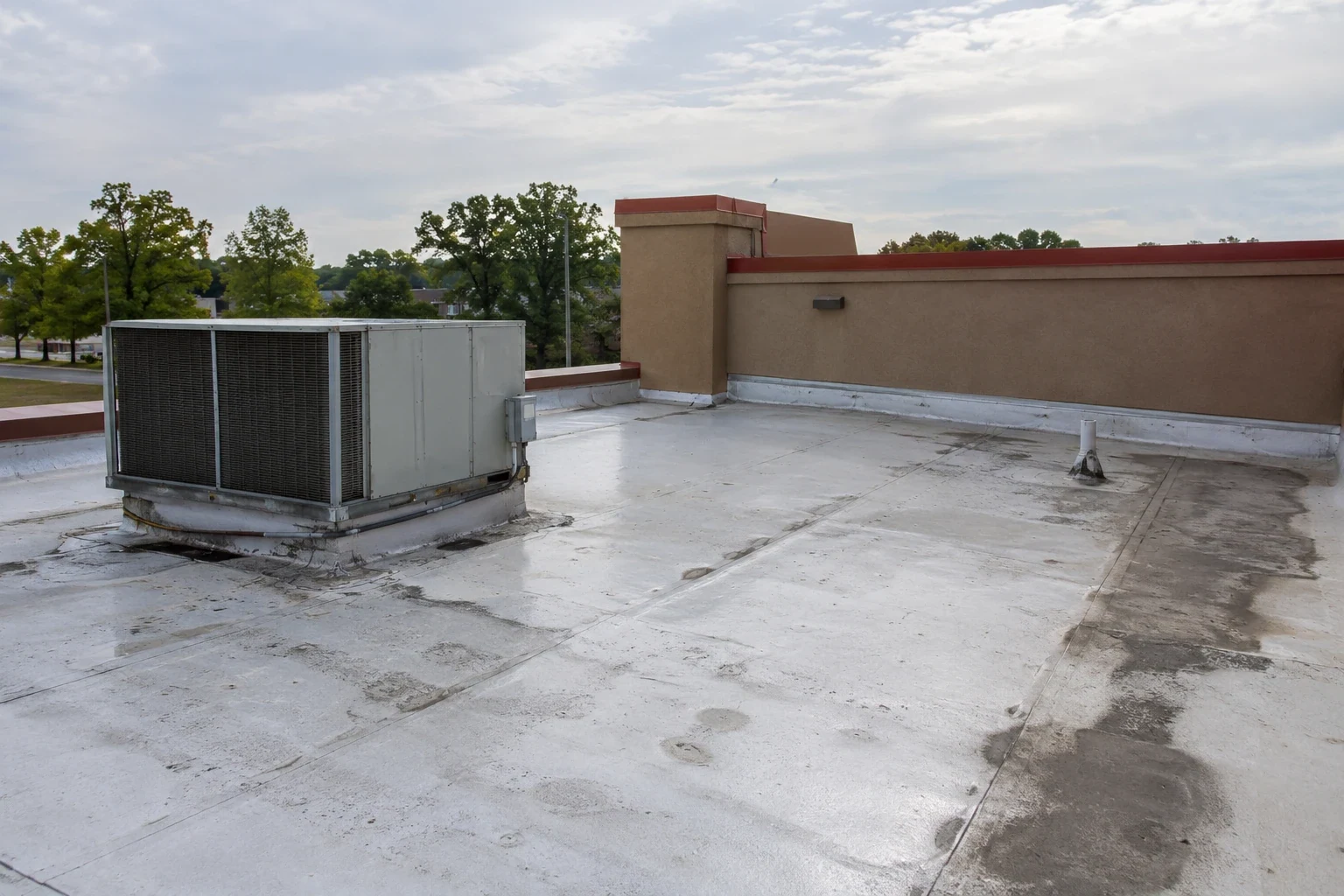
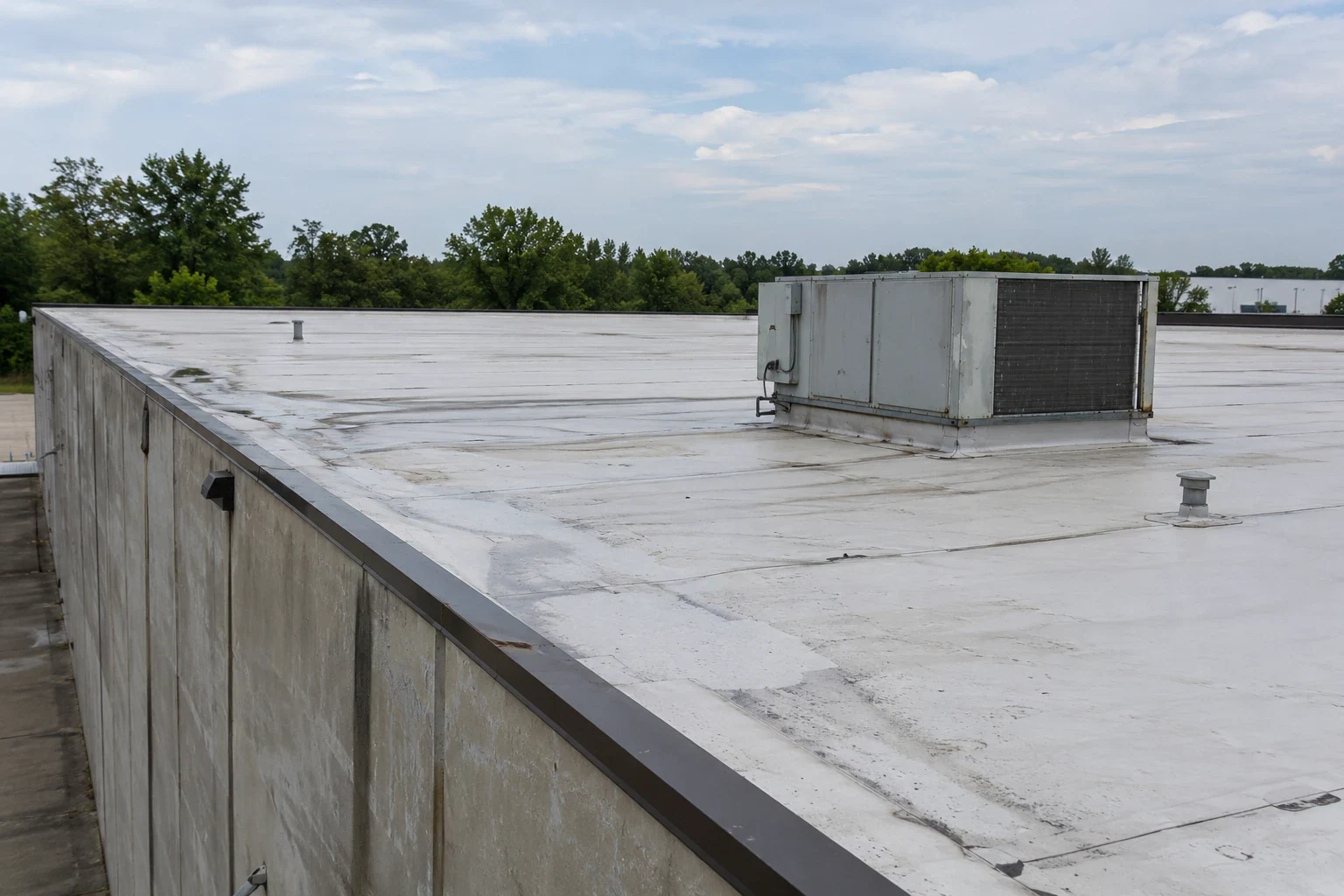
Around the kitchen exhaust fan, a dark, soft band of membrane is the first sign on a restaurant roof. Nobody sees it until a repair crew or a technician walks the roof, and by then the grease has been working on the surface for a long time. The band is where the failure started. We begin with it and walk the failure backward to the fan, the containment and the seam it is now threatening.
We repair, recover and replace low-slope roofs on restaurants in Franklin, TN. We trace the damage back, mark the cause and send the kitchen and front-of-house leads a short written summary with photos. Service hours and prep schedules set the work plan. We answer emergency calls at any hour, holidays included.
The first sign
Restaurants show roof trouble in three places. The kitchen shows it as stained ceiling tiles near the hood. The dining room shows it as a drip over a table. The roof shows it as a stained, softened or blistered band around exhaust fans and vents. Each has a different cause, so we separate them.
We ask the kitchen manager and the front-of-house lead for their notes. A drip that comes during dinner and not at lunch may track kitchen steam. A stain after rain points to the membrane. A smell near the hood points to grease. Then we climb and photograph the details above those spots: fans, hoods, vents, drains and the seams between them.
Patios and rooftop dining add another set of entries. Pavers, planters, heaters and furniture sit on or near the membrane, and each can trap water or cut the surface. We lift a few to see what is beneath, photograph the membrane and rate the drainage around them. A roof used by guests needs walk protection and a clear drain path.
What is happening underneath
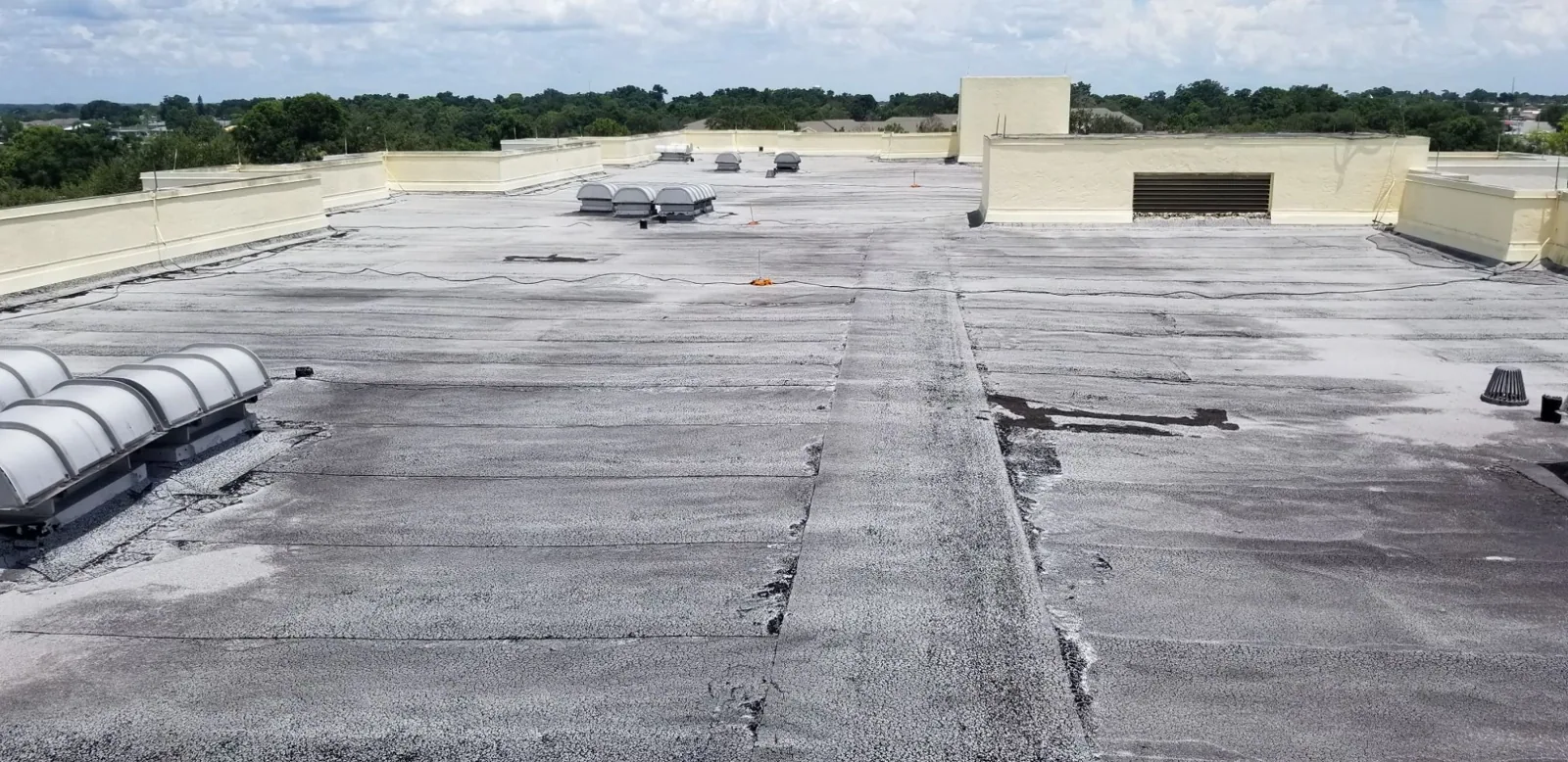
A restaurant roof carries a heavy load of equipment: exhaust fans, makeup air units, refrigeration condensers and plumbing vents. Exhaust throws a film of cooking grease on the membrane, and some membranes soften under it. Where the membrane softens, it thins, and the next freeze or heavy rain can open it.
Water that enters runs along the insulation and drops over the kitchen or the dining room. A wet layer gains weight and stops insulating. A moisture survey finds it without a single cut, and cores confirm what it shows. The map shows how much of the roof is damaged by grease and how much by water, which are different problems with different cures.
Grease, containment and membranes
Grease control is the heart of restaurant roofing. A fan with a proper grease containment tray and a clean hood duct sheds less onto the membrane. A fan without containment lets grease run and drip. We check the tray, the curb and the area around the fan, and we photograph the staining pattern.
Materials matter. Some membranes resist animal and vegetable fats better than others, and a grease-resistant system is often the right choice around exhaust. PVC roofing is commonly specified for that exposure. The scope can use a different material at the fans than in the field, with the reason written down.
Cleaning schedules matter too. A hood-cleaning contractor who works from the roof may spill degreaser or drag hoses across the membrane. We mark the work area, recommend pads and ask for a short note after each cleaning, so any spill or cut is caught early. A record of those visits turns a mystery stain into a dated event.
Dining districts and weather
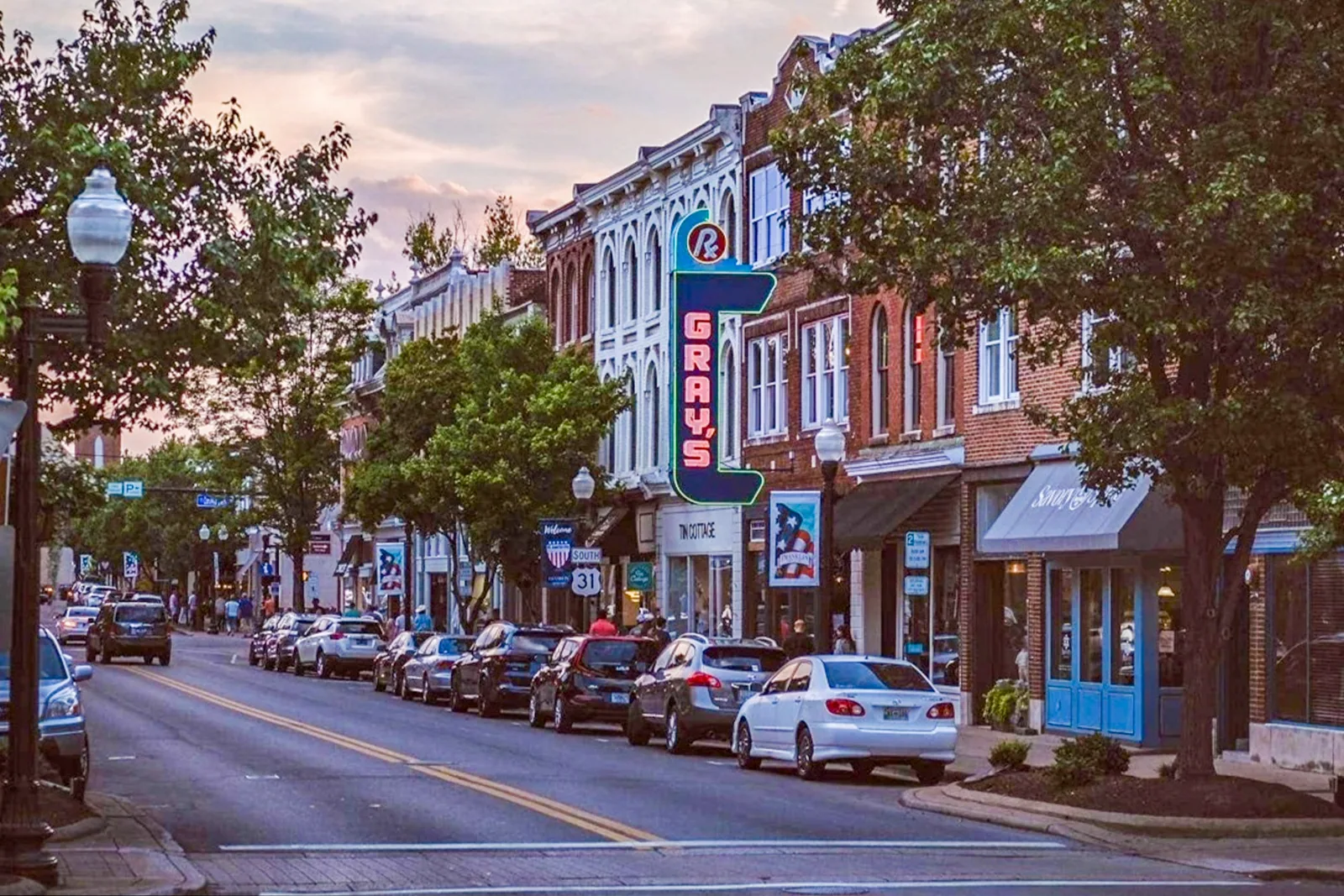
Franklin's downtown core is a 16-block National Register district, and the former Dortch Stove Works and Magic Chef factory there was restored in the late 1990s for offices, restaurants, retail and event space. Downtown festivals such as Dickens of a Christmas draw about 50,000 visitors in the second week of December, adding foot traffic around older masonry and low-slope commercial buildings. The Harpeth River crested at 35.32 feet in downtown during the May 2010 flood.
Elsewhere, the Murfreesboro Road corridor mixes restaurants with banks, grocery stores and pharmacies. Rainfall of about 54 inches a year and July highs near 91 degrees keep a Franklin roof working through the seasons. We read each roof on its own record. The historic downtown and the Murfreesboro Road corridor each call for a first walk that records what is actually there.
Working around service
A restaurant cannot close for a roof. We plan work for the quiet hours between lunch and dinner or on the closed day, protect air intakes so smoke and dust stay out of the kitchen, and keep entrances and patios clear. Hot work near a kitchen follows fire rules agreed beforehand, with a fire watch after the work ends.
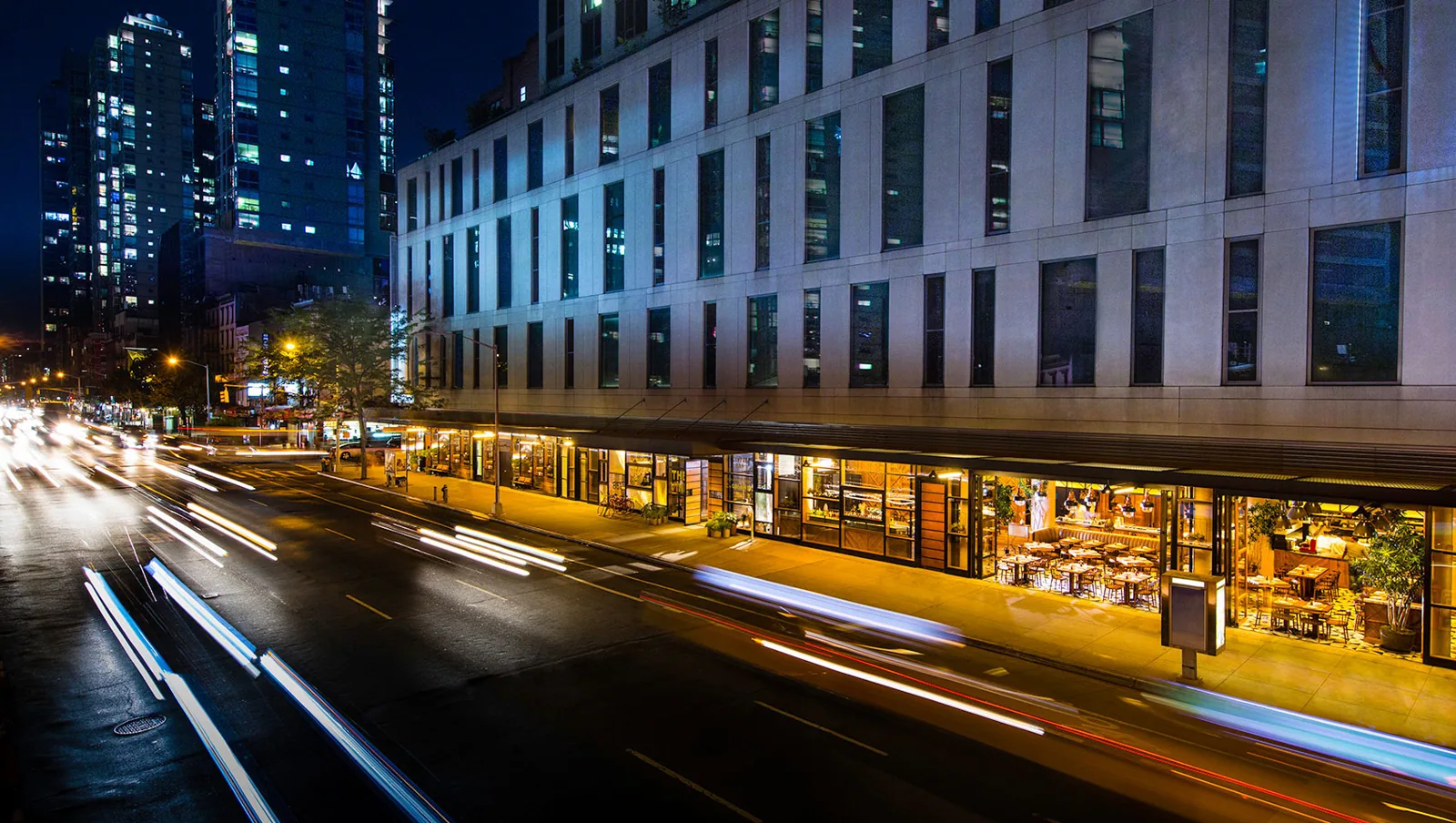
Emergency leaks do not wait for slow hours. When a storm opens a seam above the dining room, we answer at any hour with emergency roof repair that stops the water and protects the space, and the permanent repair is booked outside service. A hotel restaurant adds guest-room concerns above and around the kitchen.
Older masonry buildings downtown add their own limits. Parapets are tall, walls are shared and access may run through a stair or a back room. We confirm access, wall ownership and flashing details at the first visit, and the log notes who owns each wall so repairs go to the right party. Dated photos make that conversation short.
Repair or replace
Cause before cure. When insulation is dry and only a few fans have caused damage, commercial roof repair with a local membrane section may be all that is needed. If grease has softened the membrane widely or the insulation is wet across the roof, plan a replacement with a grease-tolerant system. Cost depends on wet insulation, access, equipment and the number of fans.
Warranty and lease paperwork stay in the file. A tenant restaurant in a shopping center may own its exhaust equipment while the owner owns the roof, so dated photos before and after kitchen service visits show who caused what. The same photos support any insurance review after a storm, when new damage has to be separated from old wear.
Timing follows the season. We keep noisy work out of holiday weeks and weekend peaks. Every section is closed in before the crew leaves, and daily photos show the manager what was done and what comes next.
Commercial Roofing Questions
Why does a restaurant roof wear out around the fans?
Exhaust throws grease onto the membrane, and some materials soften and thin under it. We check the containment tray, the curb and the staining pattern and recommend a grease-tolerant material there.
Can a restaurant stay open during a roof repair?
Usually. We work in quiet hours, protect intakes, keep entrances and patios clear and close in each section each day. Hot-work rules and fire watch are agreed before the first day.
Is a ceiling drip over a table always a roof leak?
No. Kitchen steam, condensate and plumbing can drip the same way. We check the piping and the underside of the deck with the kitchen team before we blame the membrane.
Does festival traffic downtown affect roof work?
It affects access. Events such as Dickens of a Christmas bring about 50,000 visitors in a week, so we avoid those dates for lifts and deliveries and plan access around them.
What helps before a restaurant roof walk?
Share the roof age, the kitchen layout, where you have seen drips or stains and earlier repair invoices. On the roof the failure is traced and written up briefly.