PVC Roofing in Franklin, TN
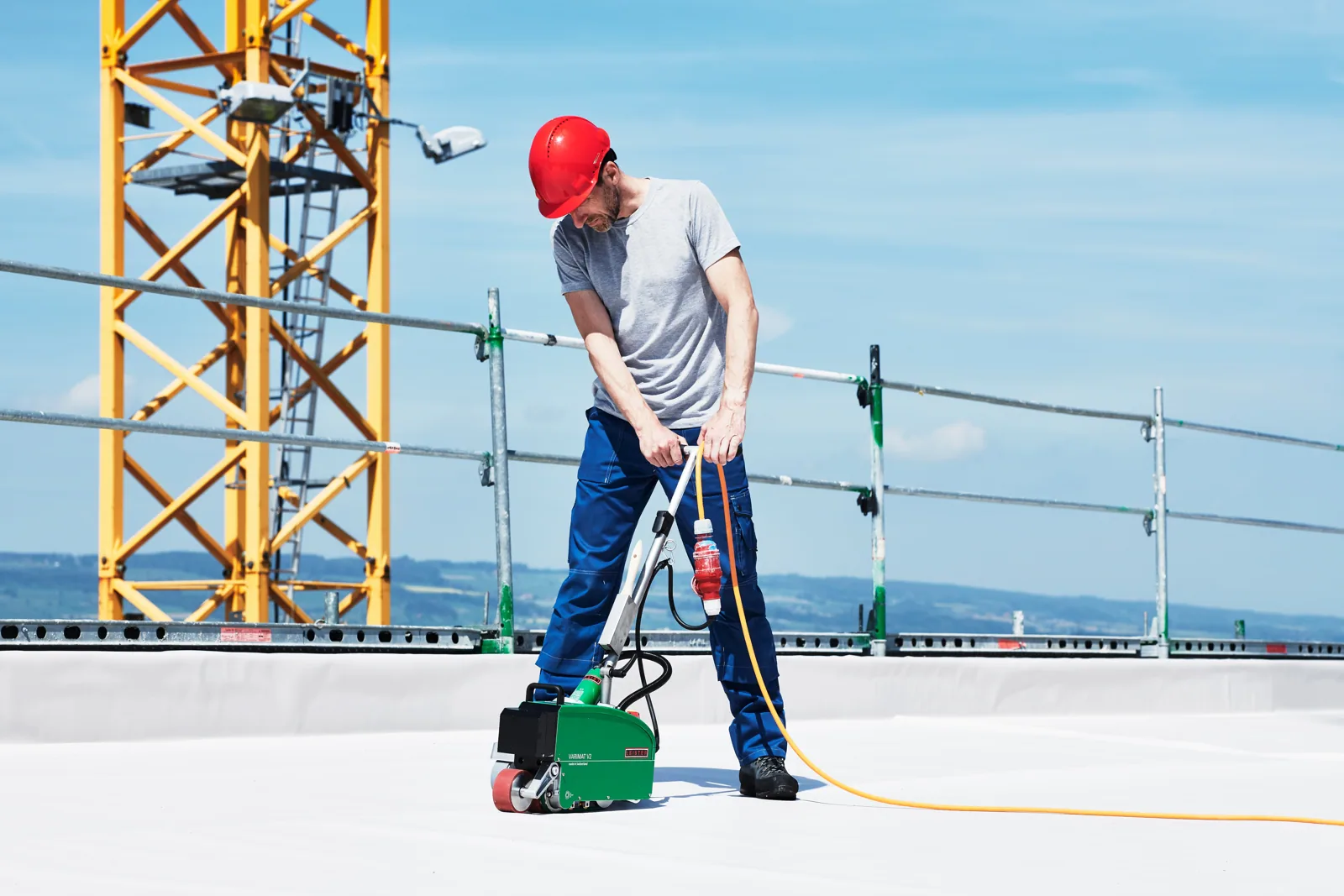
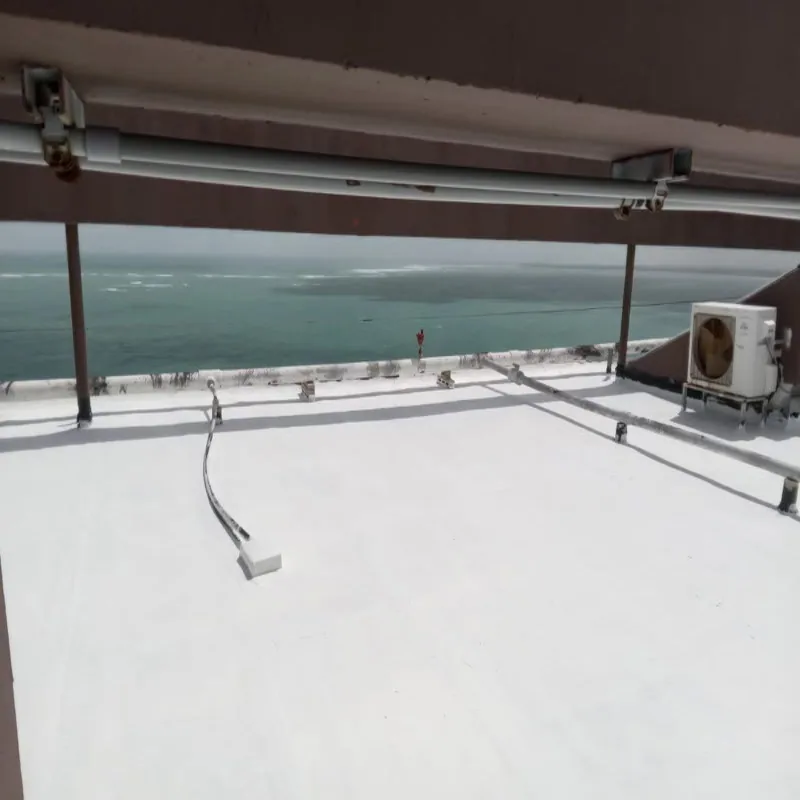
A PVC roof that has gone stiff and slightly brittle near the edges is showing its first sign in a place most managers never look: a corner where the sheet no longer lies flat. The corner is where the water stopped being turned away, and the job is to walk the stiffness backward to its cause, which is usually years of heat on a sheet that slowly lost its softening agents. PVC is a single-ply membrane, white or light gray, joined by hot-air welds that make the seams as strong as the sheet.
PVC in Franklin, TN lives under about 54 inches of annual rain, summer afternoons near 91 F and a record low of minus 22 F. Commercial Roofing Franklin walks PVC roofs step by step, starting with the seams and the places where the sheet meets walls, curbs, and drains, and writes down what each sign means for the next repair.
What makes PVC different
PVC resists many fats, oils, and chemicals that harm other single-ply sheets, which is why it is chosen for roofs with restaurant exhaust, laboratory vents, or industrial discharge. It also welds into watertight seams and holds up to standing water better than some competitors. The trade-off is that PVC contains plasticizers that keep it flexible, and over many years of heat those plasticizers can migrate out. A sheet that has lost them turns stiff, shrinks, and cracks at stress points. Knowing that mechanism tells us where to look. A sheet that is still flexible when pressed with a thumbnail has plasticizer left. A sheet that feels hard and glassy near vents, walls, and sun-exposed corners has lost it. We record that feel at several points on the roof, because the sheet does not age evenly. Areas near hot exhaust or under steady sun go first, and a roof can have a stiff edge and a healthy field.
How to read a welded seam
A good PVC weld shows a thin, even bead of melted material at the edge. We run a probe along the seam to feel for a gap and tug gently to see whether the layers have separated. Welds made on a hot day, or over dirty surfaces, can look sound and still peel under load. Cold welds, where the heat was too low, leave a faint line without a bead. Each open seam is marked and photographed, then repaired by cleaning the surface and welding a cover strip over it. The photo trail shows what was found and how it was fixed. The weld width matters as well. A weld that is too narrow leaves little margin if the sheet moves, so we measure it where the seam is exposed at an edge. Intersections, where three layers meet at a T, are the weakest points of any seam, and we probe each one. An intersection with a small void is a pinhole waiting for a wet week.
Grease, exhaust, and chemicals
The first thing to check near a kitchen exhaust fan is the surface of the sheet downwind. PVC resists grease better than most sheets, but heavy, constant discharge still stains and softens it over time. We look for discolored patches, tacky spots, and a sheet that has lost its sheen near the vent. Where discharge is steady, a grease trap or a splash pad on the roof protects the membrane, and cleaning the surface on a schedule keeps the fat from baking in. For roofs with very heavy exposure to fats or oils, a KEE membrane, a PVC alloy made for that duty, is the usual alternative.
Drainage and the lesson of the flood
The Harpeth crested at 35.32 feet downtown in the early-May 2010 flood, and roughly 1,500 structures across Williamson County were damaged. A roof is not a river, but the lesson carries: water has to go somewhere, and it takes the easiest path. On a PVC roof, we check that every drain strainer is clear, that scuppers discharge freely, and that the standing-water line after a storm is short-lived. We also look at the sump around each drain for silt and leaves, since those hold water against the sheet and keep the seam near the drain wet longer than any other seam on the roof. PVC handles ponding well for a while, but long-term water still ages the surface and adds weight to the deck.
Wind and attachment
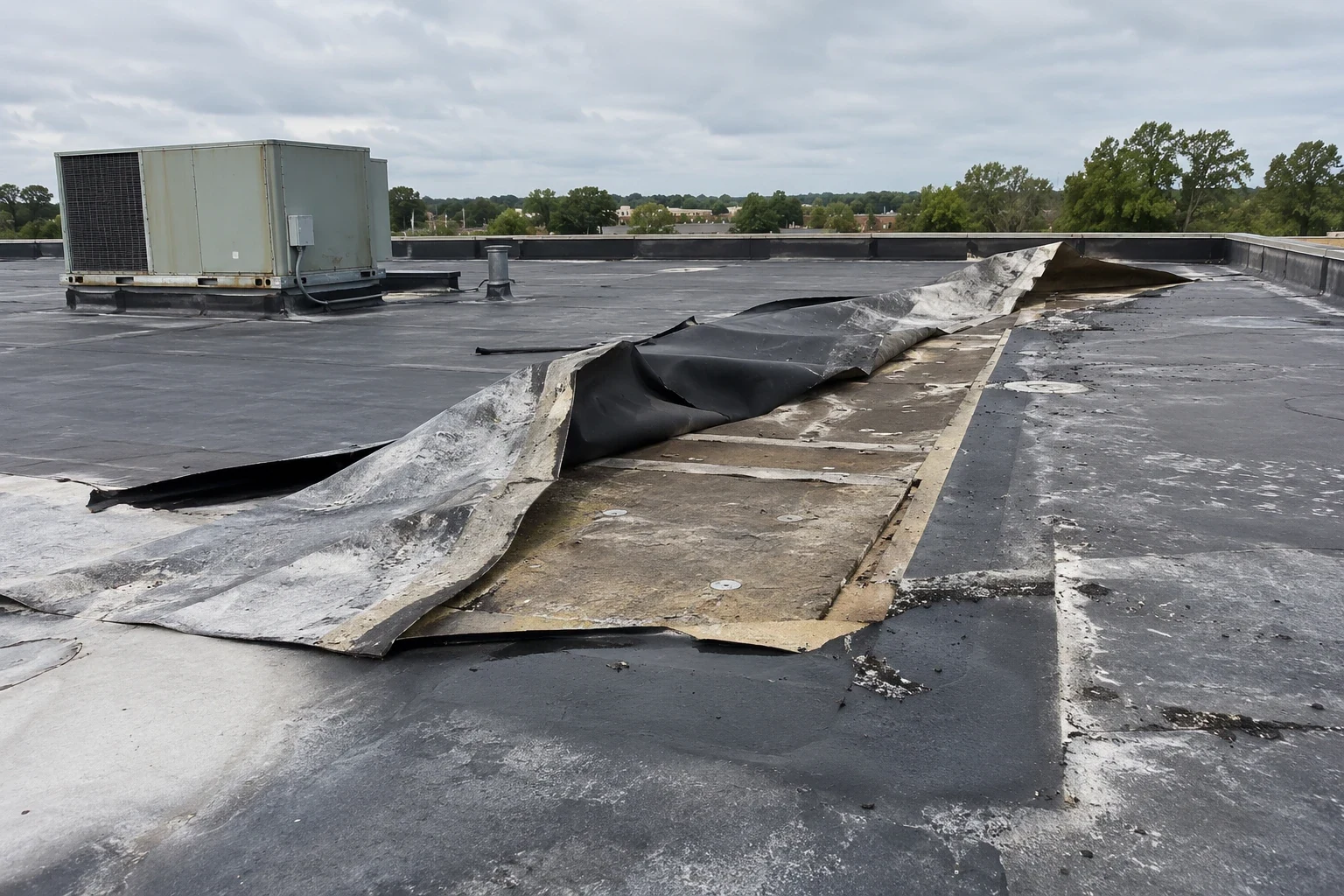
The EF0 tornado of August 2023 followed a path of roughly 1.9 miles near Highway 96 and left minor roof damage at some businesses. Wind lifts roofs from the edges, so we check the perimeter first: the termination bar, the edge metal, and the fasteners under the sheet. A mechanically attached PVC sheet shows fastener lines as faint bumps, and loose ones show a ripple. A fully adhered sheet is checked for blisters and lifting. A wind-damaged roof is repaired from the edge inward. After a storm line, we also look for punctures from flying debris and for flashing that was torn at a rooftop unit. A small puncture is easy to patch with a welded piece, but only if it is found before water reaches the insulation, which is why the walk follows the storm closely.
Repair, recover, or replace
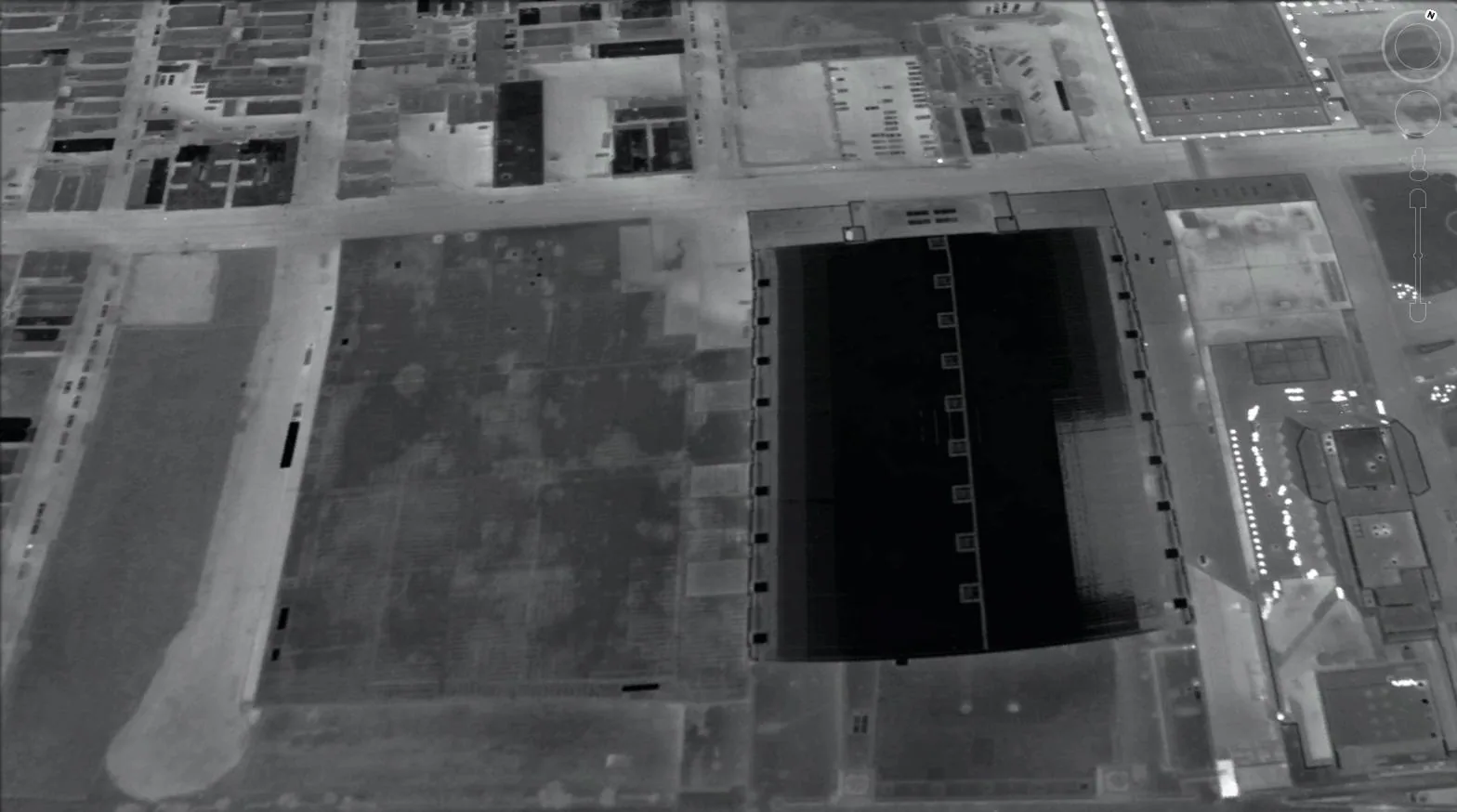
A seam repair or a flashing replacement is a repair. A roof with a sound sheet and dry insulation can be recoated or recovered. A sheet that has lost its flexibility across the field, or insulation that is wet in several bays, points to replacement. We use an infrared moisture survey and test cuts to decide, and we explain what the roof needs in plain terms. The cost drivers are the amount of wet insulation, the number of penetrations to reflash, the size of the roof, and the access equipment, and we price those items separately so the owner can see which one is moving the number. Since the state's move to the 2021 codes in August 2025, a replacement may trigger permit and energy review.
Where PVC fits in Franklin
PVC is a common choice for restaurant roofs and for medical and laboratory buildings, where exhaust is a concern. Franklin's largest employers include Williamson Medical Center, and health-care buildings often carry rooftop exhaust that tests a membrane. In the retail districts near Cool Springs, the question is the same: what vents onto the roof, and what does the sheet need to withstand? A TPO roof is the alternative where the roof stays clean.
Commercial Roofing Questions
Why does PVC get stiff with age?
Plasticizers that keep it flexible slowly migrate out under heat. The sheet then shrinks and cracks at corners and walls. A yearly walk catches it early.
Can PVC be welded after years in service?
Often, yes, but old sheets need cleaning and sometimes a primer. We test a small weld first to see whether it holds.
Is PVC better than TPO?
Neither is better in every case. PVC resists grease and chemicals. TPO often costs less where the roof stays clean. The choice follows what vents onto the roof.
How do I find a leak in a welded roof?
Start from the stain and work toward flashings, seams, and penetrations. A moisture scan shows where the wet layer ends.
What does PVC need after a storm?
A walk of the edges and corners, a look at the seams near rooftop units, and a drain check. Photographs go in the file for comparison.