Occupied Building Reroofing in Franklin, TN
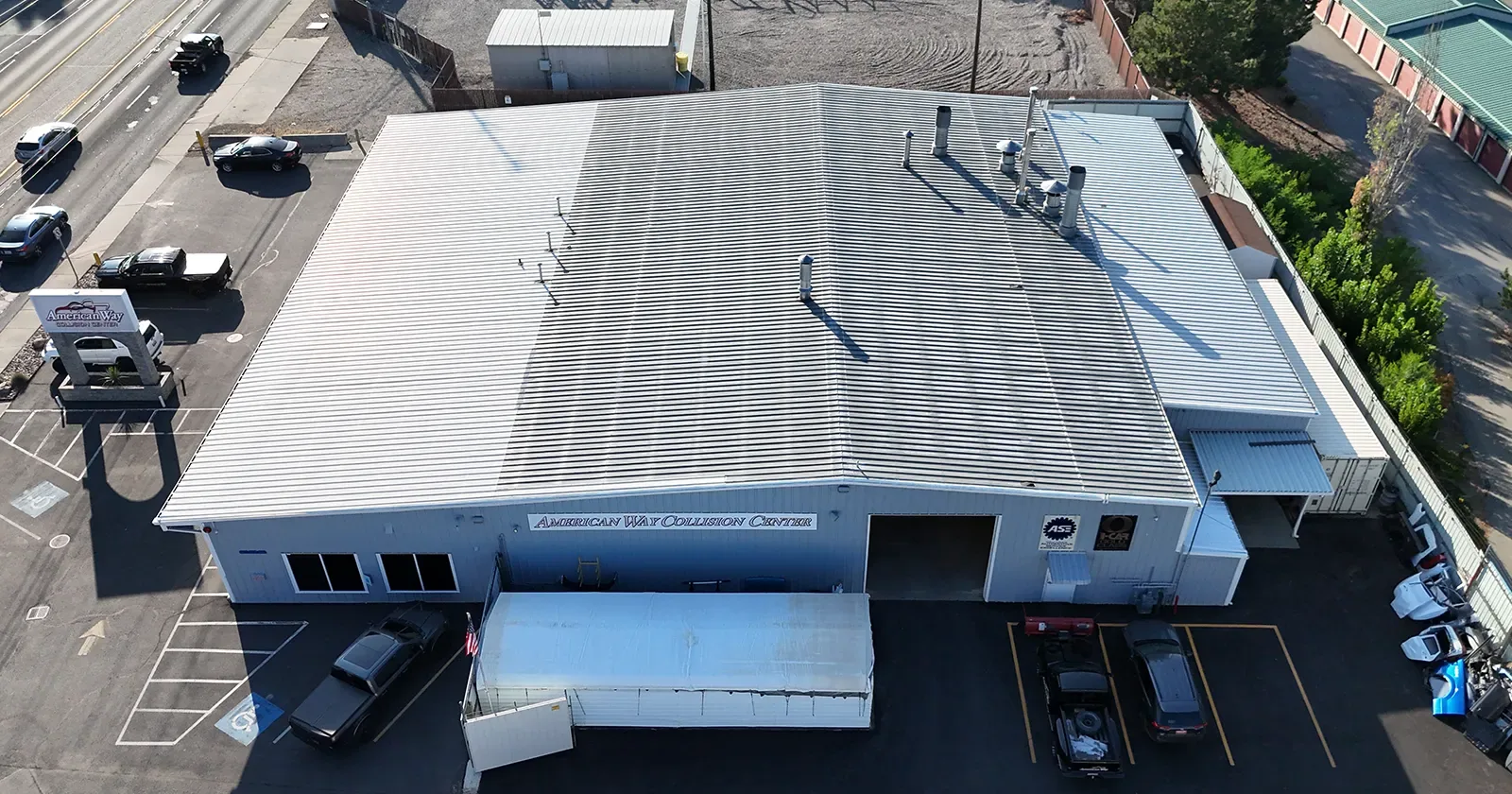
The most expensive phone call in a reroofing job comes from a tenant whose ceiling tile fell during tear-off. The first sign is dust on a desk or a drip in a corridor, and the cause is nearly always a sequence that was never planned around the people underneath. Reroofing an occupied building is a scheduling problem as much as a roofing problem, and it is solved step by step: which section opens, what protects the space below, and when that section is closed again.
Commercial Roofing Franklin reroofs offices, medical buildings, and retail properties in Franklin, TN while they operate. We begin with the people under the roof, then the roof itself, and we put the plan in writing before a crew sets up.
Start with who is underneath
Before any tear-off, we draw a map of the building by section: which tenants sit under each part of the roof, when each one is open, and what in each space is sensitive to dust, noise, or water. A dental suite, a server room, a restaurant kitchen, and a call center each need something different. The map also shows where people enter and park, because a crane or a dumpster in the wrong place blocks a door as surely as a closed lane. Fire lanes, accessible routes, and loading doors stay open, and the map marks each one so the crew can see them from the roof. Williamson Medical Center and Community Health Systems rank among Franklin's largest employers, and health-care buildings are where this level of planning matters most.
Work in sections, dry in daily
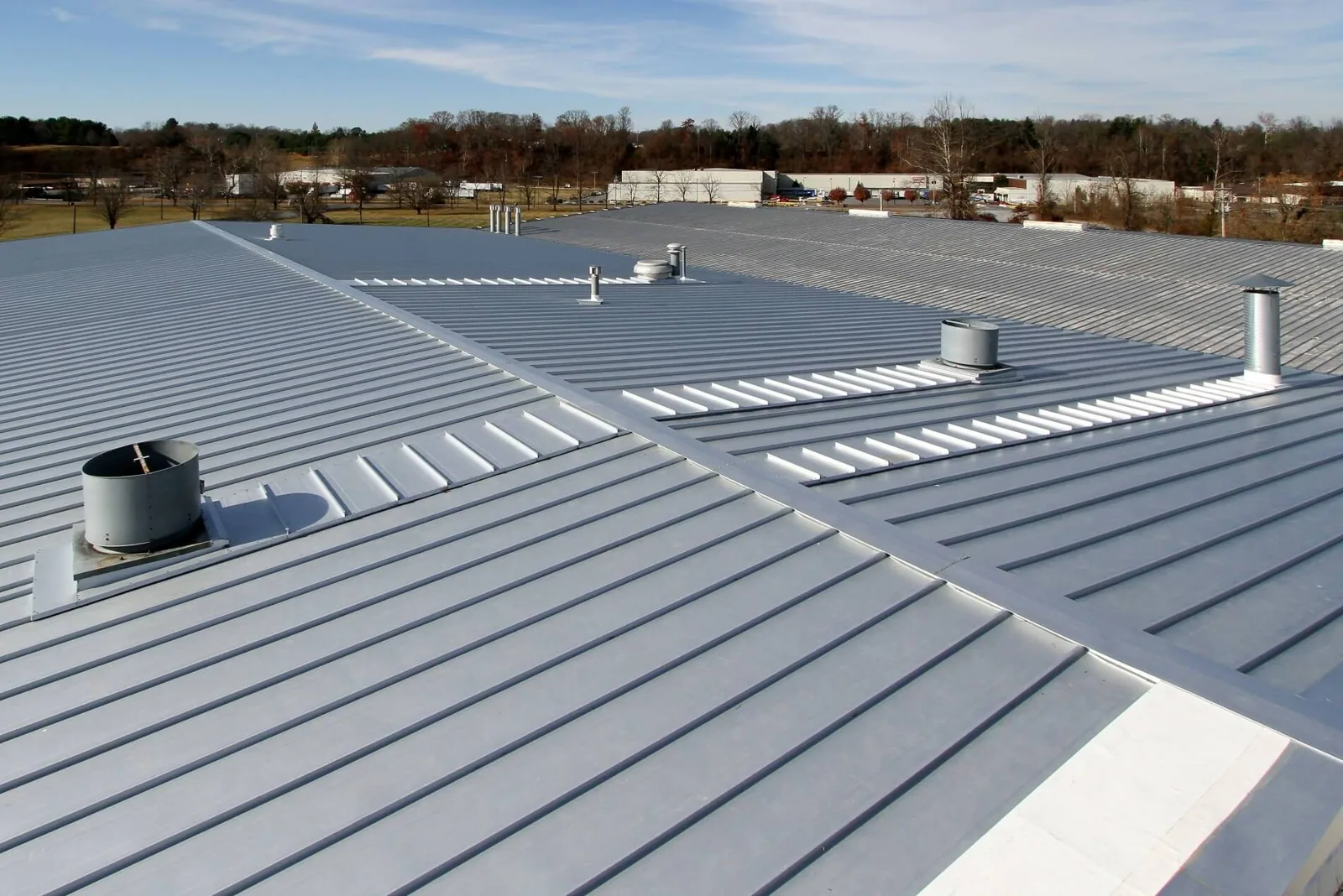
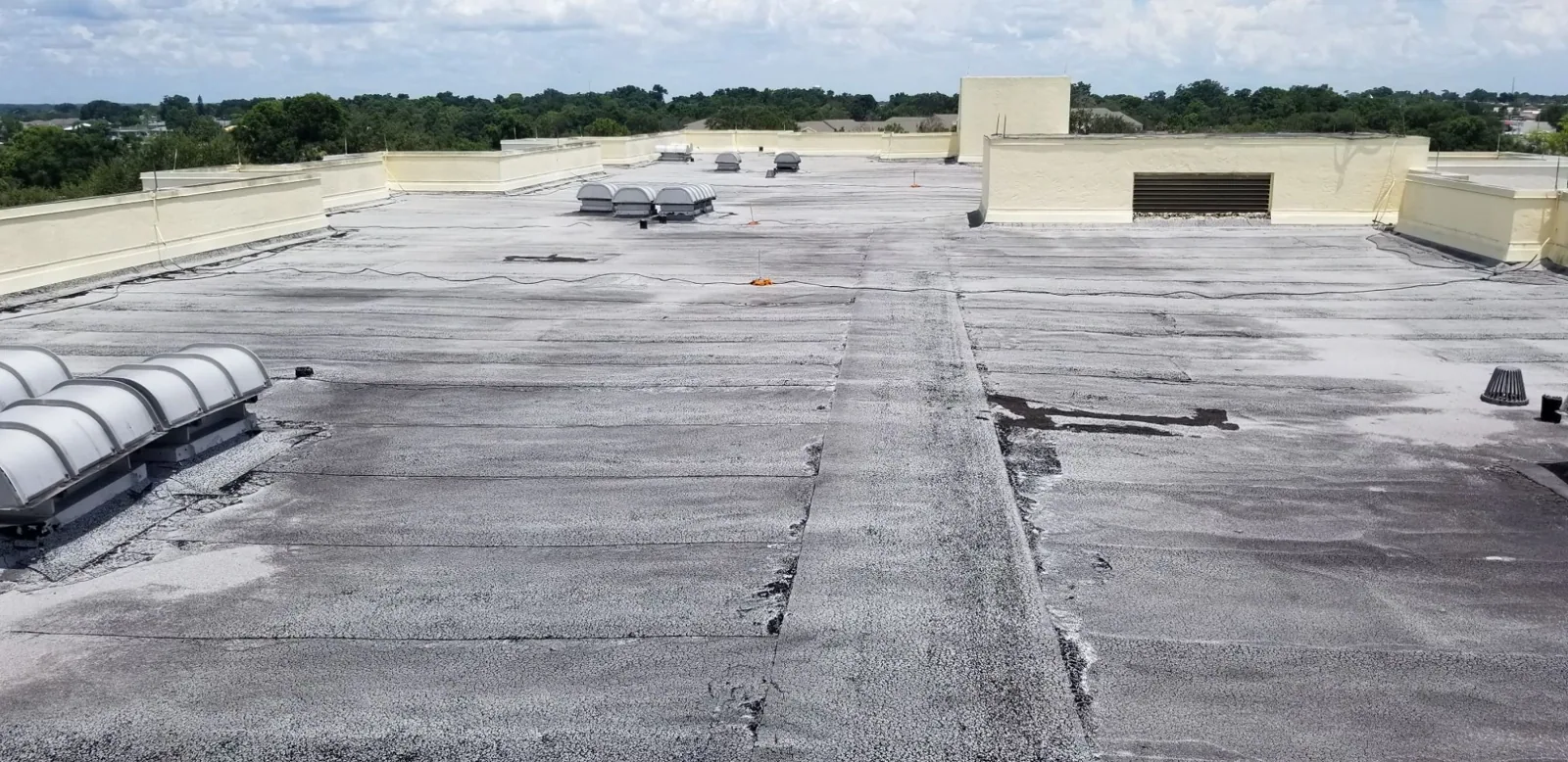
The rule is simple: open only what can be closed by evening. A large roof is divided into sections, and the crew removes, installs, and seals one section before starting the next. Temporary tie-ins close the edge of each section overnight, and the tie-in is inspected the next morning before the crew pulls it apart to continue. A tie-in that was sound at dusk can fail in a night of wind, so the check is part of the day's first task, not an afterthought. This approach limits exposure to rain, and Franklin gets about 54 inches of it a year, with storm lines in spring and summer. A forecast check each morning decides whether the day's section opens at all. A recover reduces the debris and the noise, and where the existing roof is dry and sound, it is the gentlest choice for an occupied building.
Noise, dust, and fumes
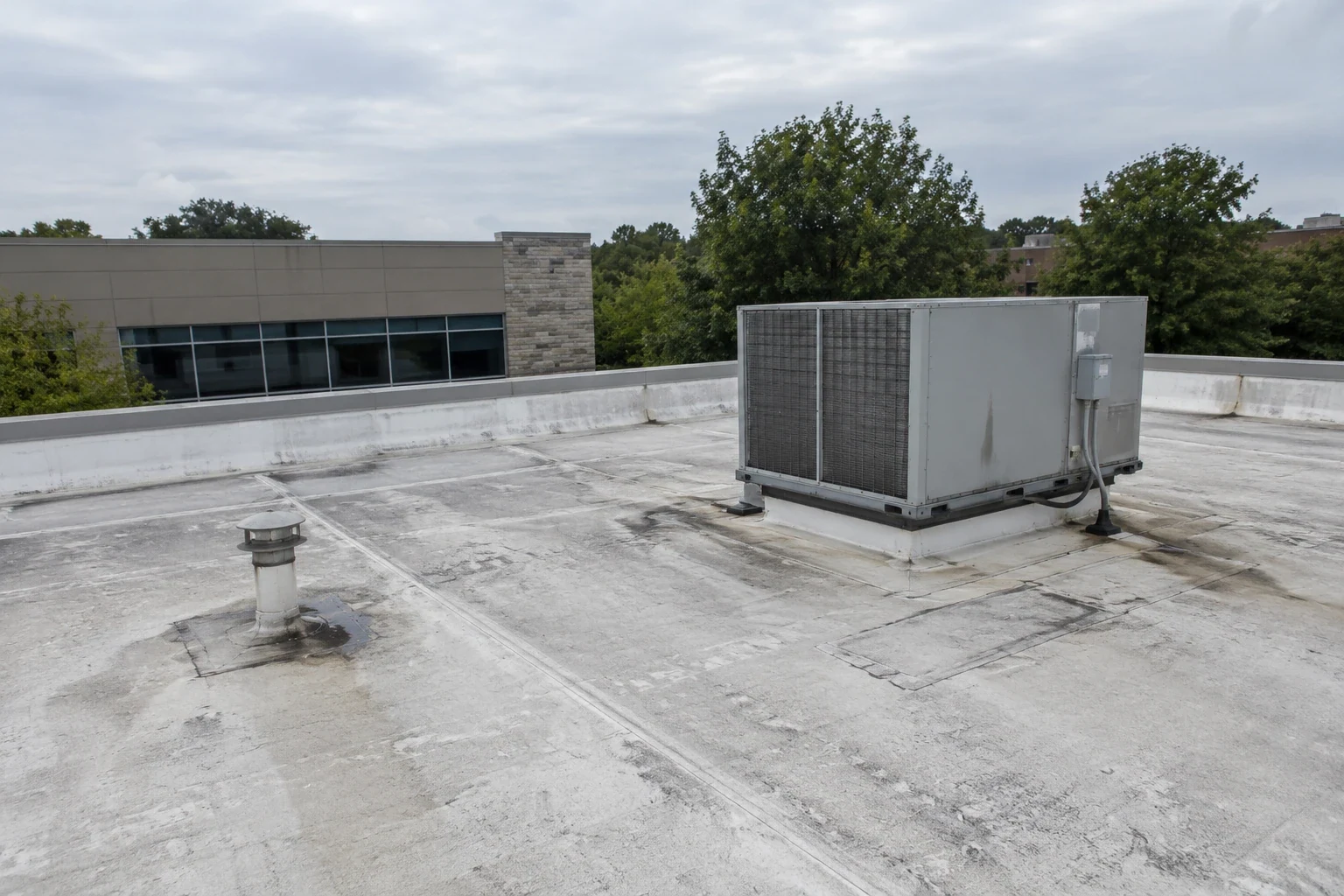
Tear-off is loud. Fasteners being driven into a metal deck can be heard in every room underneath, and vibration carries through steel. We schedule the loudest steps for hours the tenants choose, ask which rooms need quiet, and sometimes begin at the far side of the building from the most sensitive tenants. Dust is controlled with vacuum equipment and with protective layers under the work area. Adhesives and sealants can send odors into intake vents, so we identify air intakes before the work begins and cover or move them where we can. A medical tenant gets this conversation first. Rooftop equipment that serves the space below is part of the same plan: if an air handler has to be shut down so its curb can be reflashed, the manager chooses the hour, and the tenant is told before the unit goes off. Equipment that stays on needs its intake and exhaust protected from dust and from sealant vapors.
Keeping water out during the job
An open roof is the one risk a tenant cannot see. We keep tarps, temporary membrane, and sealant on the roof at all times, and a crew leader stays until the section is sealed. If rain arrives early, the section is closed first and the work stops. The standing-water line from a storm is checked before the next section opens, in case water found a way past the temporary seal. An emergency response number is shared with the manager before the first day so a drip can be answered at any hour.
Access, parking, and deliveries
Franklin's busiest commercial areas have heavy traffic. Mallory Lane and Royal Oaks Boulevard are four-lane divided roads with many curb cuts and peak-hour congestion, so deliveries and crane lifts are timed away from those hours. On a retail property the staging area is placed so it does not take customer spaces. On an office building, a lane for trucks and a path for the crew are marked ahead of time. We bring in material in the morning, keep it off walkways, and clear the area each evening so the next day starts clean. Roof access is controlled as well. A ladder or lift sits behind a fence or a cone line, and a spotter watches foot traffic below when material is moved. On a building that holds a clinic or a school-age tenant, the spotter is posted for every lift, not only the large ones.
Tell tenants early and often
A tenant who hears about the work on the first day is a tenant who calls the landlord. We give the manager a short notice template that states the dates, the section, the expected noise, and who to call. A second notice goes out two days before each phase. At the end of each day, a short log records what was opened, what was closed, and what the next day holds. That photo trail answers questions and shows the work was handled with care. When something does go wrong, such as a drip at an unexpected corner, the log shows which section was open, what was sealed, and what the crew did in response. The manager gets a call the same hour, not at the end of the week, and the repair is made before the next section opens.
Where it applies
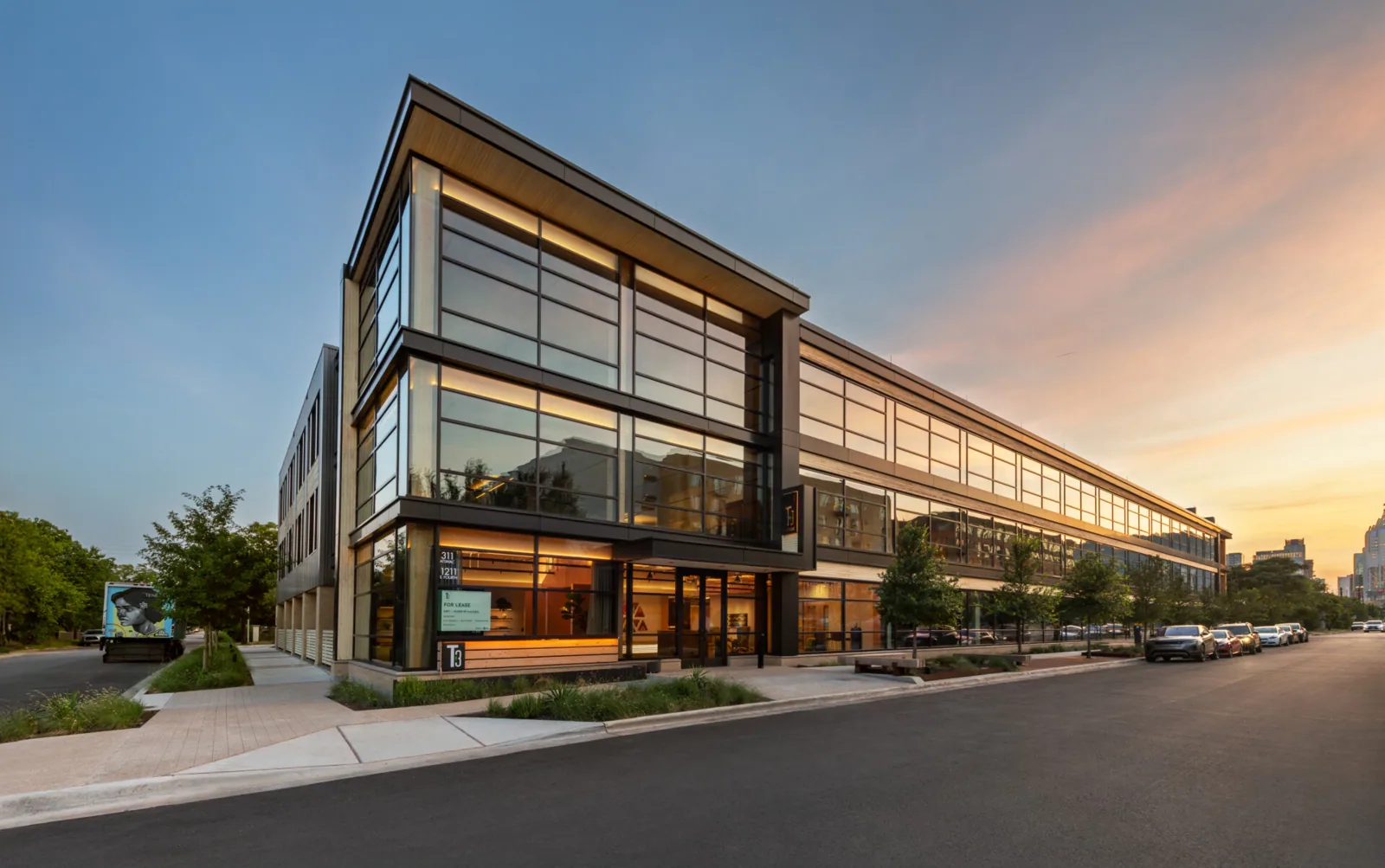
The method fits office buildings, medical offices, and shopping centers. In the McEwen area, office buildings east of I-65 typically run six to eleven stories, and crane lifts and rooftop access are planned with the property manager. A taller building changes the lift plan, the wind limit for material on the roof, and the time it takes to reach the work area, so the daily section is sized to the crew's actual reach. Owners in Cool Springs and along Carothers Parkway often weigh a replacement against a recover with tenant impact in mind.
Commercial Roofing Questions
Can tenants stay during tear-off?
Usually, with phasing and protection. Sensitive spaces may need to move for a day or two. We list those spaces on the plan so the manager can decide early.
How do you protect the interior?
Dust barriers, protective layers under the work area, covered intakes, and a crew leader on the roof until each section is sealed. Where a ceiling sits directly under the deck, we add a catch layer before fasteners go in, so a stray screw or a shaken particle does not land on a desk.
What if it rains during the job?
The open section is closed first and work stops. Temporary membrane and sealant stay on the roof for that reason.
How long does it take?
Phased work takes longer than a full tear-off because each section is closed daily. The schedule shows each phase and the day it finishes, and it carries a few spare days for weather holds, which are common in a spring with frequent storm lines.
Who talks to the tenants?
The property manager does, with notices we draft. Our crew leader answers site questions and keeps the daily log.