Commercial Roof Replacement in Franklin, TN
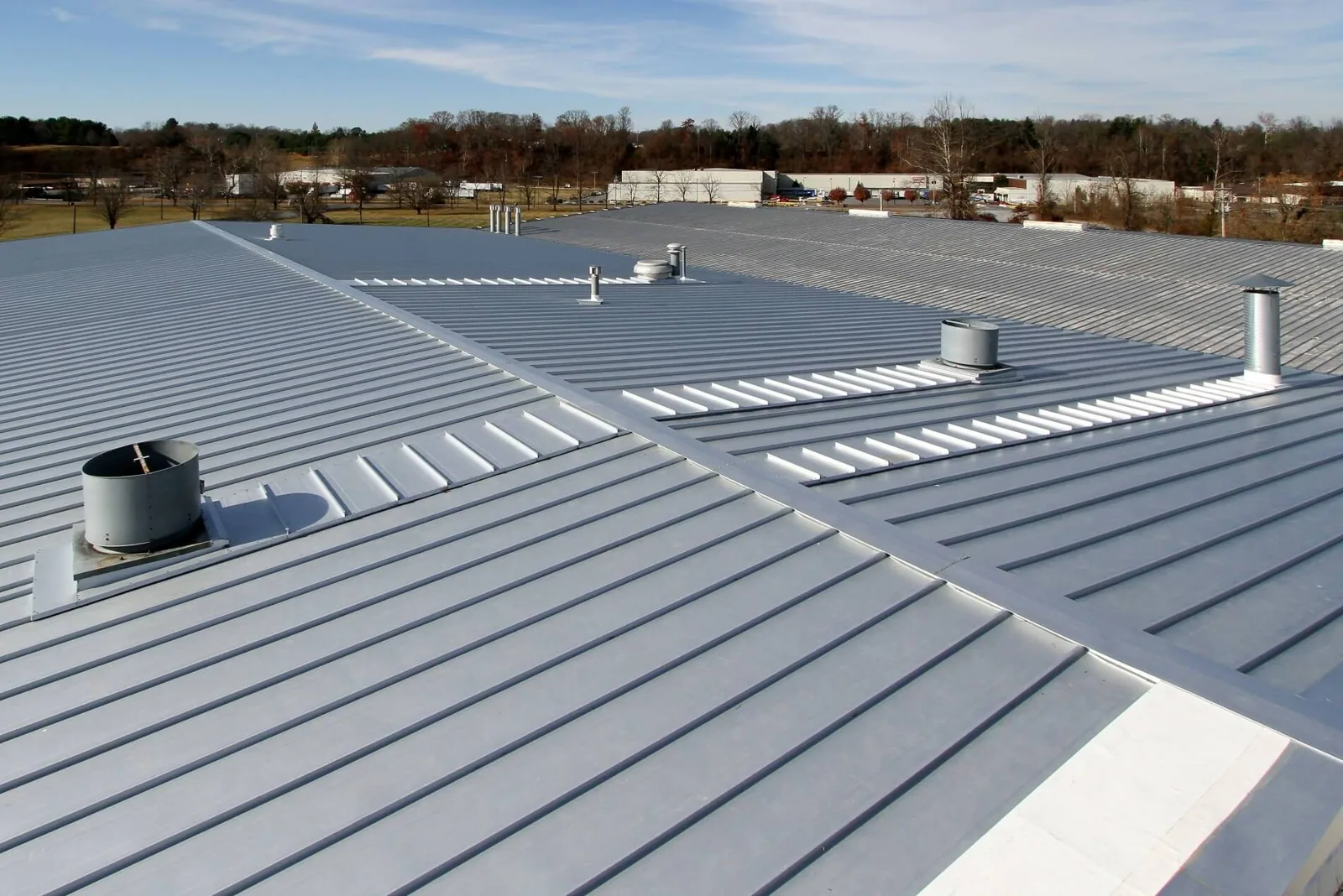
A roof that needs replacement usually shows the same first sign: repairs that stop holding. A patch lasts one season, then the next seam lets go beside it. For a property manager in Franklin, TN, that pattern is the signal to stop buying patches and start planning a tear-off. Commercial Roofing Franklin replaces low-slope and metal roofs on occupied office, retail, medical and industrial buildings, and we begin every replacement by tracing how the old roof failed, because the cause decides what goes back on.
Franklin gives a replacement plenty to prove itself against. Annual precipitation runs above fifty inches, July highs sit near 91 degrees, and spring storm lines can carry tornado and straight-line wind risk. A new roof has to shed water fast, move with the heat, and hold its edges through the wind. We walk the existing roof, check the deck and insulation beneath it, and give you a plain scope you can compare against your capital plan.
Repairs Stop Holding
The first question is whether the roof is failing in spots or failing everywhere. Spot failure points to a repair. System failure points to replacement. System failure looks like seams opening across several roof sections, flashing that pulls away again after being redone, a membrane that has gone brittle and cracks when pressed, and fasteners backing out of the deck. Any one of these can be fixed. Several together mean the roof has used up its working life.
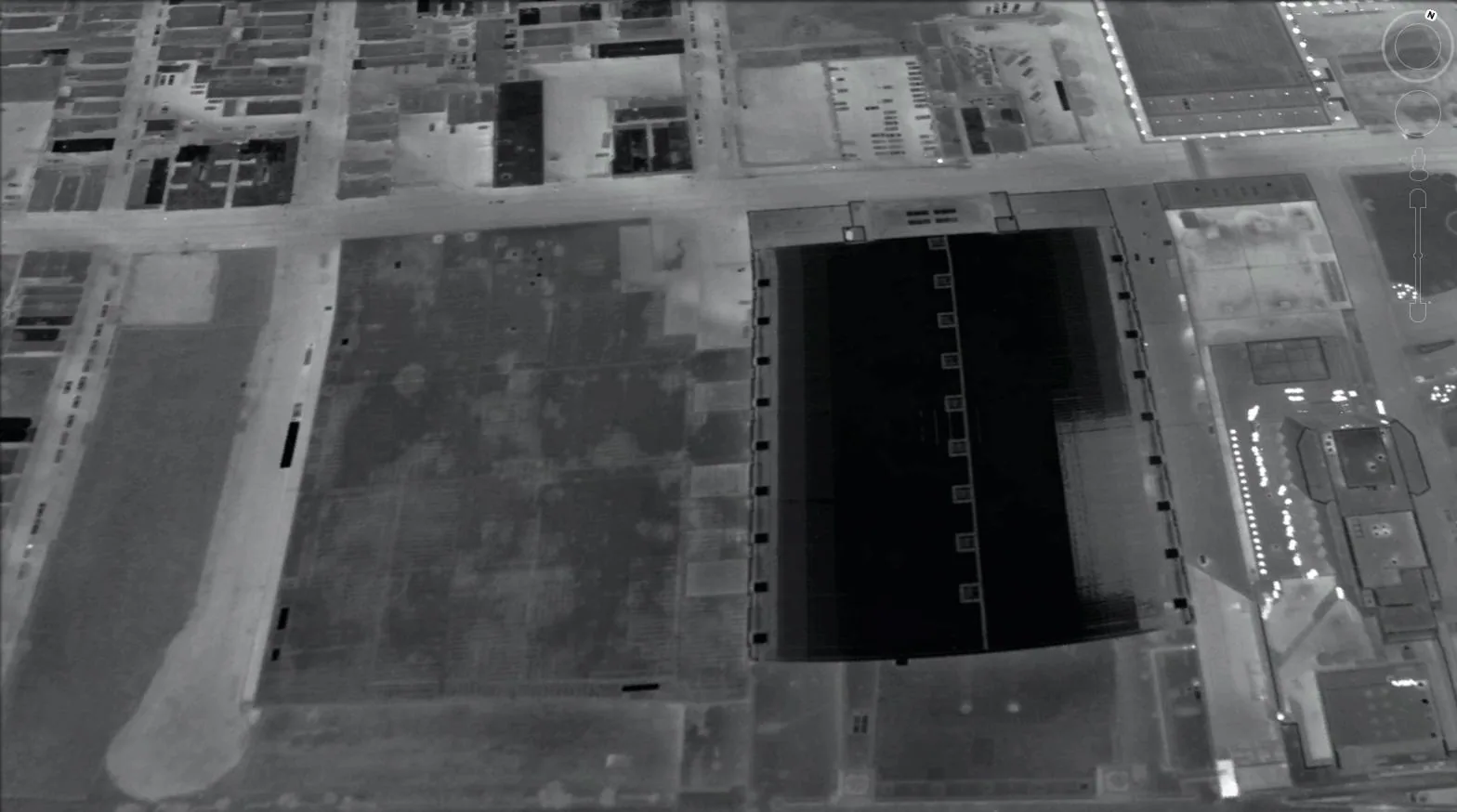
Wet insulation is the other deciding sign. Insulation soaks up water like a sponge and then holds it against the deck, which rusts steel decks and rots wood ones. We confirm moisture with an infrared moisture survey and core samples, then map how much of the roof is wet. If the wet area is small, a section replacement may be enough. If it is wide, the whole assembly comes off.
What Comes Off the Deck
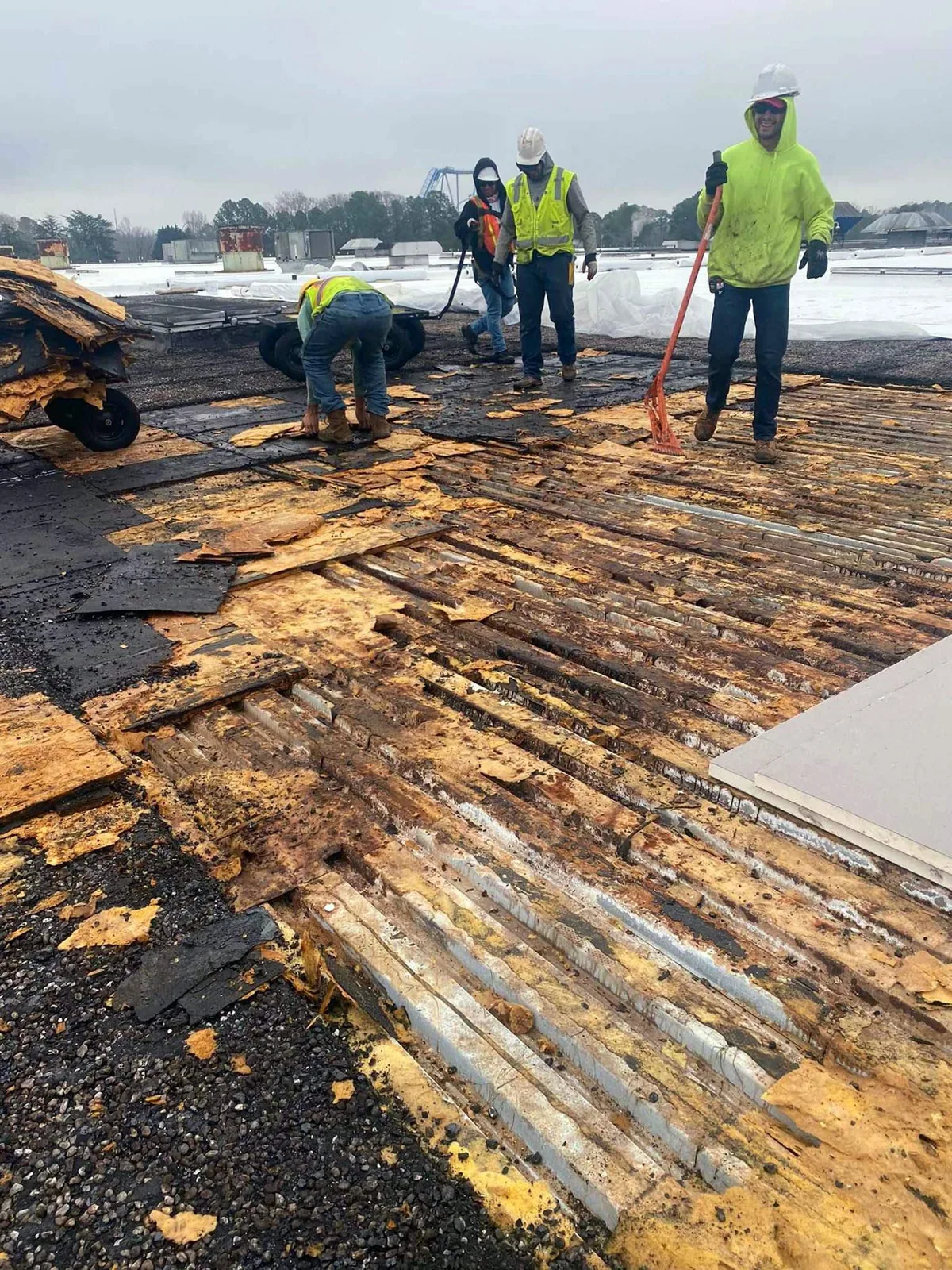
A tear-off removes the membrane, the insulation and the old fasteners down to the deck. That sounds like a lot of work for a roof that only leaks in a few places, and sometimes it is. But the deck is the part you cannot see from above, and replacing a roof without looking at the deck is how problems get buried. We inspect every exposed section, mark any rusted or soft panels for replacement, and photograph each repair before the new insulation goes down.
A recover over the existing roof is a different job with different limits. It is only an option when the old system is dry, flat enough to take a new layer, and within the local code limit on layers. When any of those fail, the old roof comes off. We say which path applies to your building and why, in writing.
Choosing the New Membrane
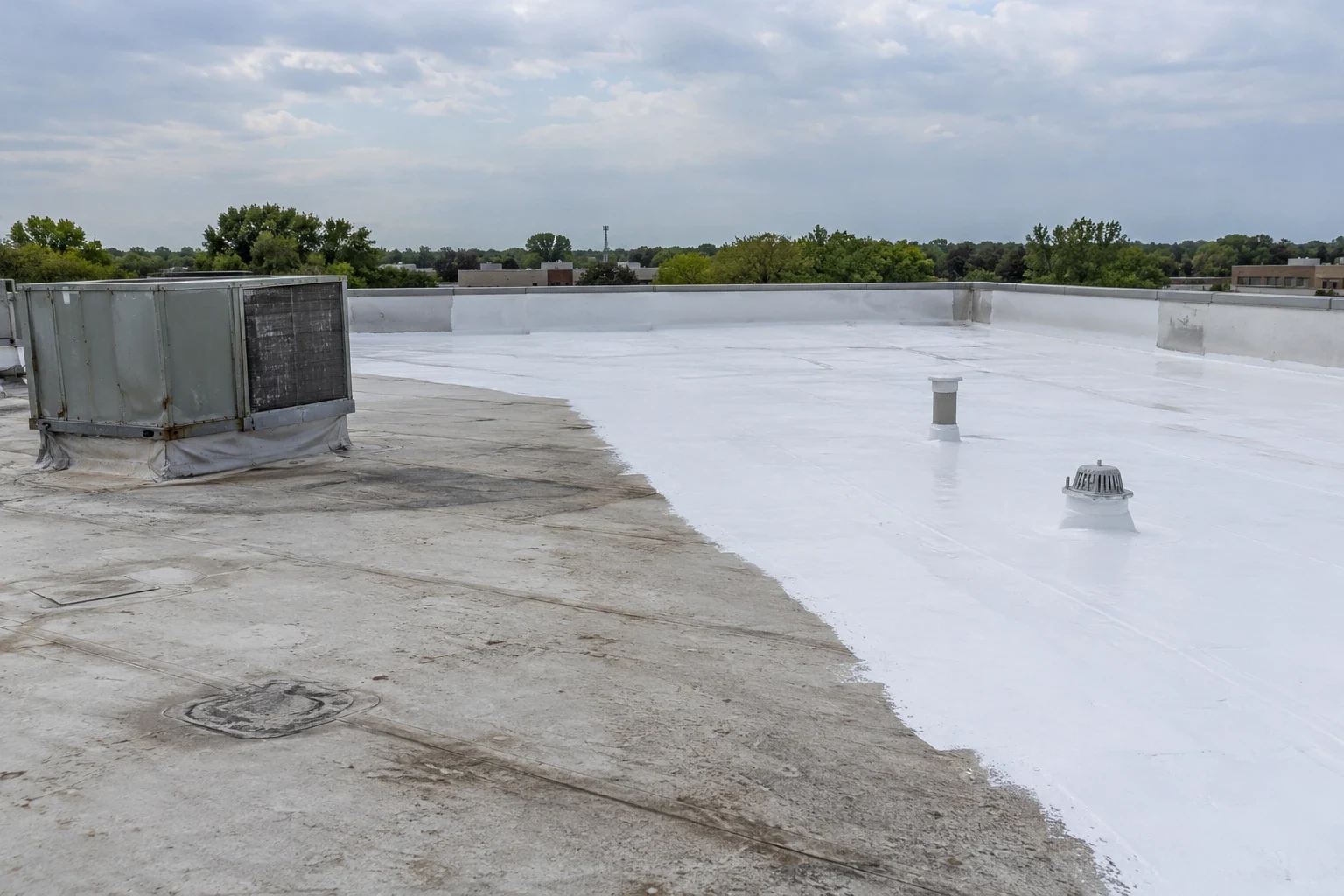
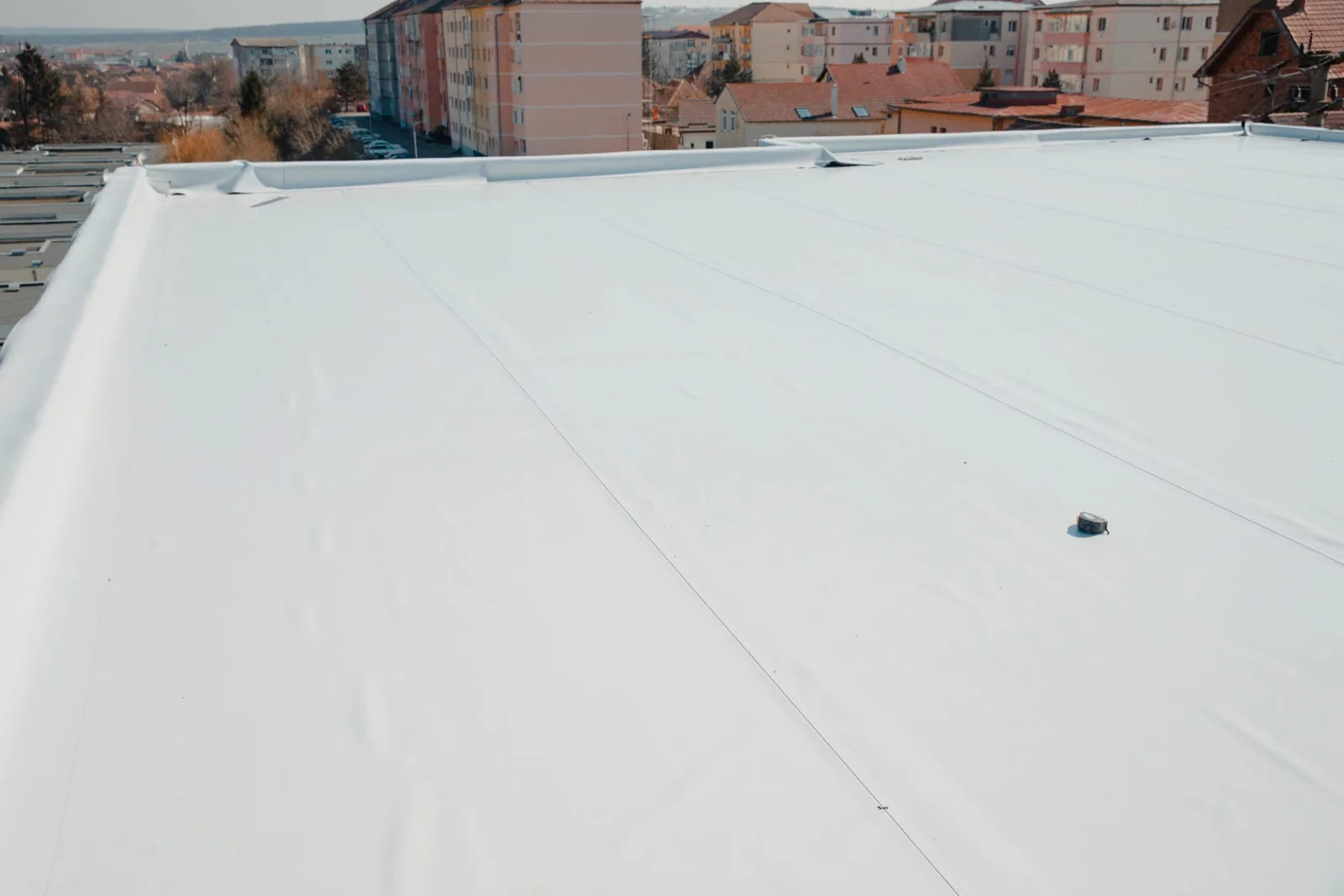
The new system should match how the building is used. A large warehouse that sees little foot traffic can take a light, reflective single-ply such as TPO, with heat-welded seams that stay tight as the roof expands and contracts. A restaurant or a roof with grease exhaust may need PVC, which resists oils better. A roof with heavy rooftop equipment traffic may call for the thicker layers of modified bitumen.
The decision also turns on insulation. A replacement is the time to bring the roof up to the energy requirements that apply to the permit, add tapered insulation that sends water to the drains, and put a cover board over the insulation where hail or foot traffic is a concern. Tapered insulation is how we fix ponding for good. Without it, a new membrane can end up holding the same puddles the old one did.
Cool Springs and Carothers Roofs
Many of Franklin's larger commercial roofs sit in the McEwen area around Cool Springs, a district of roughly twelve million square feet of commercial, office and industrial space. East of I-65 along Carothers Parkway, office buildings often run six to eleven stories, so the roof work involves crane picks, rooftop equipment and tenants working below. West of the mall, offices and showrooms sit in large warehouse-style buildings where sequencing by section keeps the building dry.
Those buildings need different plans. A mid-rise office roof calls for tight staging, hoisting windows and night work near the tenants. A showroom or warehouse roof calls for sequencing by section so the building stays dry at the end of every shift. A Class A office building finished in 2008 on Cool Springs Boulevard is old enough that a close look at its flashings and sealants is a fair question, even when the membrane still looks sound.
Permits, Codes and Approvals
No Tennessee city is required to adopt a building code; those that do usually adopt ICC codes by reference, and the state itself uses the 2021 editions of most of them. A city can go newer than the state, so the edition that governs your roof follows where the building sits and when the permit is filed. We confirm that before pricing, because the insulation thickness and wind uplift rating can change with the code.
We also coordinate with your insurance carrier, your lender and any manufacturer warranty, since each can have its own requirements for the system. If a recent storm damaged the roof, we document the damage separately so a replacement driven by wear is not mixed up with a claim for storm loss.
Working Over Tenants
Most Franklin buildings stay open during a replacement. We plan the work in sections, so the roof is never open to rain and a tenant never loses a day of business. Access, noise and parking are settled first. Hoisting happens before the building opens or after it closes. Material is staged where it will not block loading docks, fire lanes or tenant entrances.
Weather is the other schedule. Franklin gets spring storm lines, so we watch the forecast and size each day's tear-off to what can be dried in before the weather arrives. At shift end, every opening is sealed, even if the sky is clear.
Closeout and What You Keep
When the work finishes, you receive photographs of each stage, a map of the new roof with drains, penetrations and equipment curbs marked, and the manufacturer warranty paperwork we processed. That record matters on the day you sell, refinance or file a claim. It also makes the first roof inspection after the work more useful, because the inspector can compare what is there against what was installed. Pair it with a maintenance program and the roof can reach its full service life.
Commercial Roofing Questions
How do I know a repair will not be enough?
Look at the pattern. Repairs that fail again within a season, seams opening in several sections, and wet insulation across a wide area all point to replacement. We map the moisture and tell you the share of the roof affected before you decide.
Can the old roof stay in place under a new one?
Sometimes. A recover works only if the old system is dry, the deck is sound and the code allows another layer. A moisture survey answers the first question, and a deck check answers the second.
What does the work cost and what moves the price?
Roof area, the membrane chosen, the amount of insulation, the deck repairs found and the access conditions drive it. A roof with tight crane access or tenants beneath costs more to stage than an open warehouse roof.
How long does a replacement take on an occupied building?
A mid-size roof can take a few weeks of working days, longer when weather holds work or the deck needs repair. We schedule by section so each day's work is dried in before we leave.
Does a storm change the scope?
It can. If a tornado or wind event damaged part of the roof, we document that section separately so your carrier can review it, and we plan the rest of the replacement from the wear findings.