Due Diligence Roof Surveys in Franklin, TN
A roof that looked fine during the tour and leaked into a vacant suite two weeks after closing is the first sign of a survey that never happened. The buyer saw a clean membrane and a recent patch, and no one asked what lay under either. We walk that failure backward to the questions a due diligence survey must answer inside a short deadline.
A due diligence roof survey in Franklin, TN gives a buyer, lender or investor a clear picture of a roof's condition, remaining useful life and likely capital need before the purchase or loan closes. It is built for speed and for use in negotiation.
Work inside the window
Due diligence periods are short, and roof access can be hard to arrange. We ask for the roof plans, any past reports, the warranty papers and the repair history on the first day, and the walk is booked as soon as access is confirmed. When records are missing, the survey builds the picture from the roof itself.
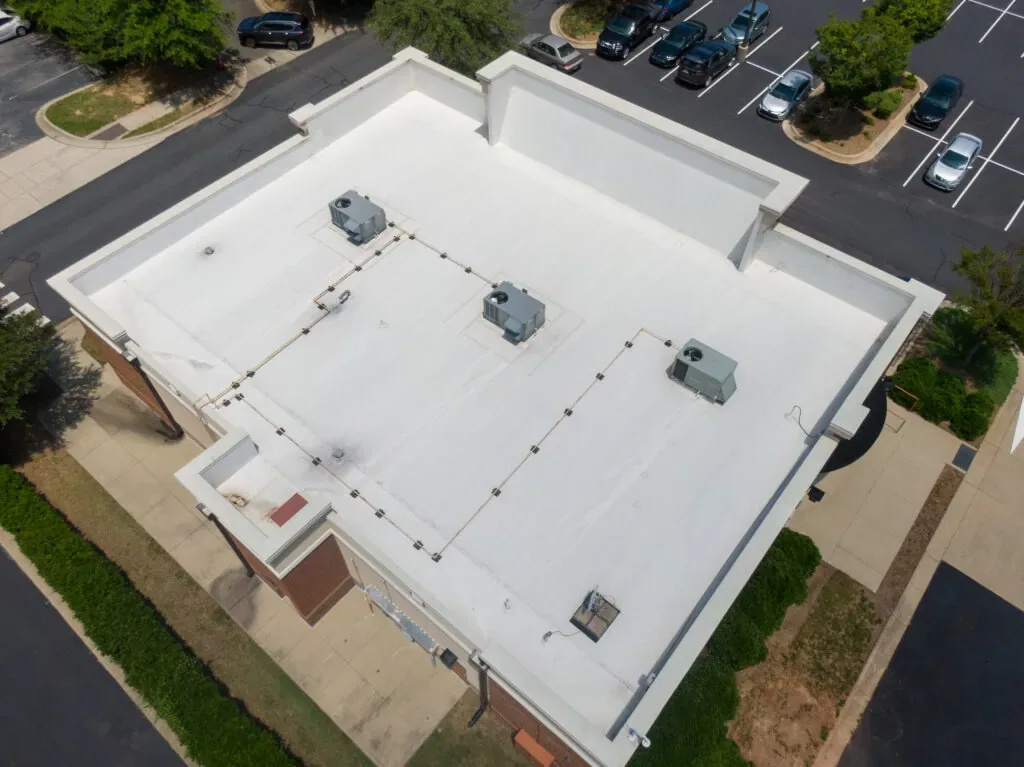
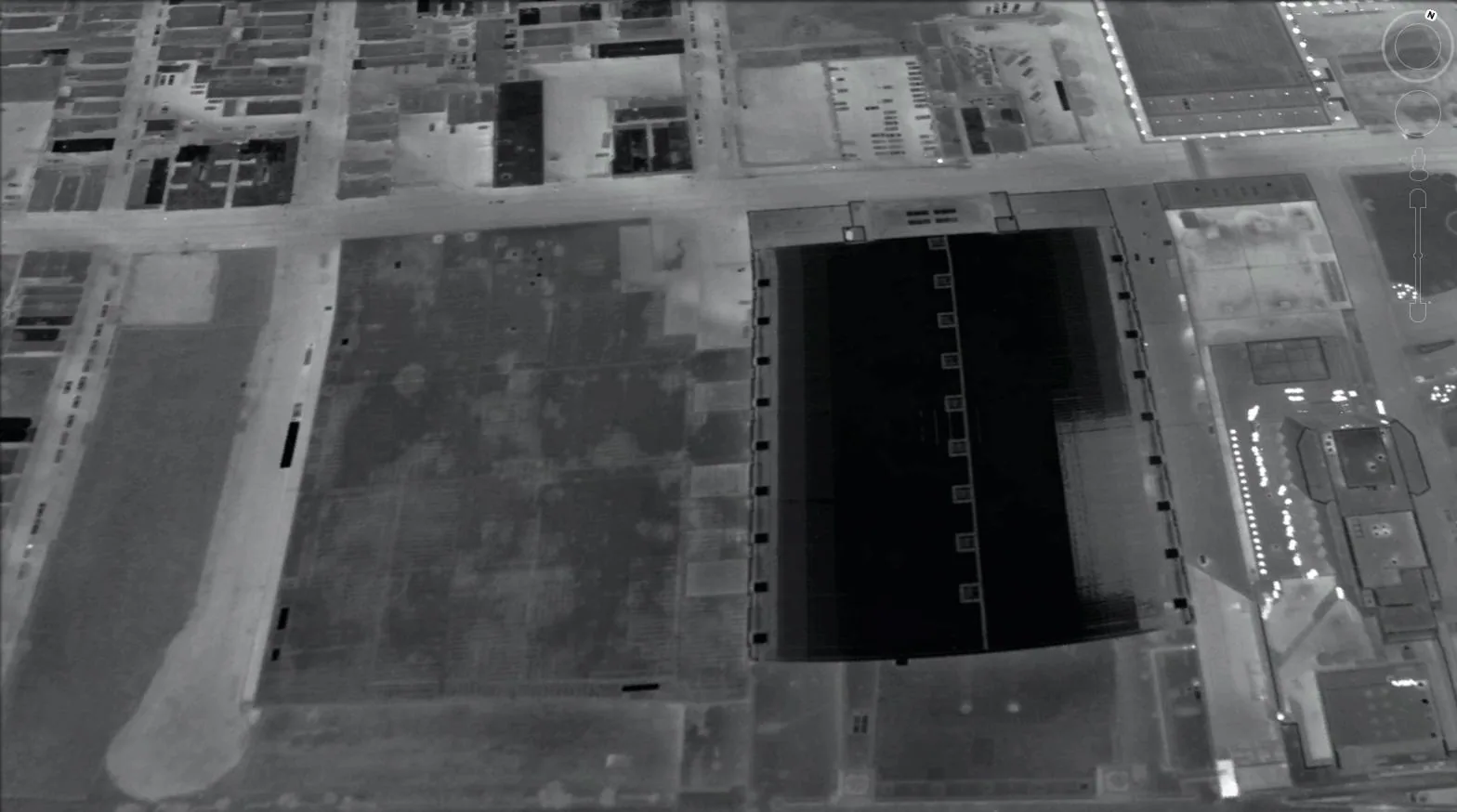
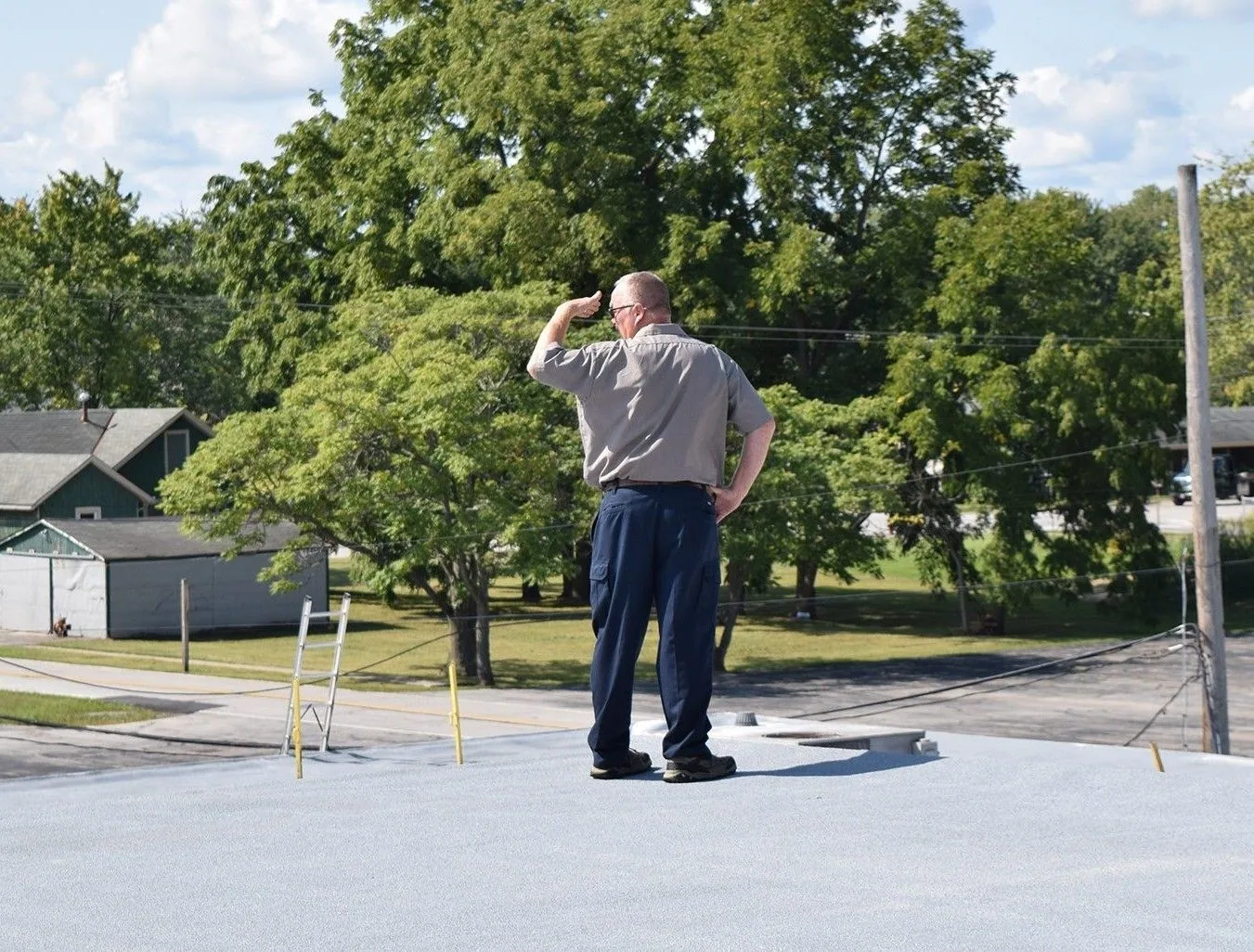
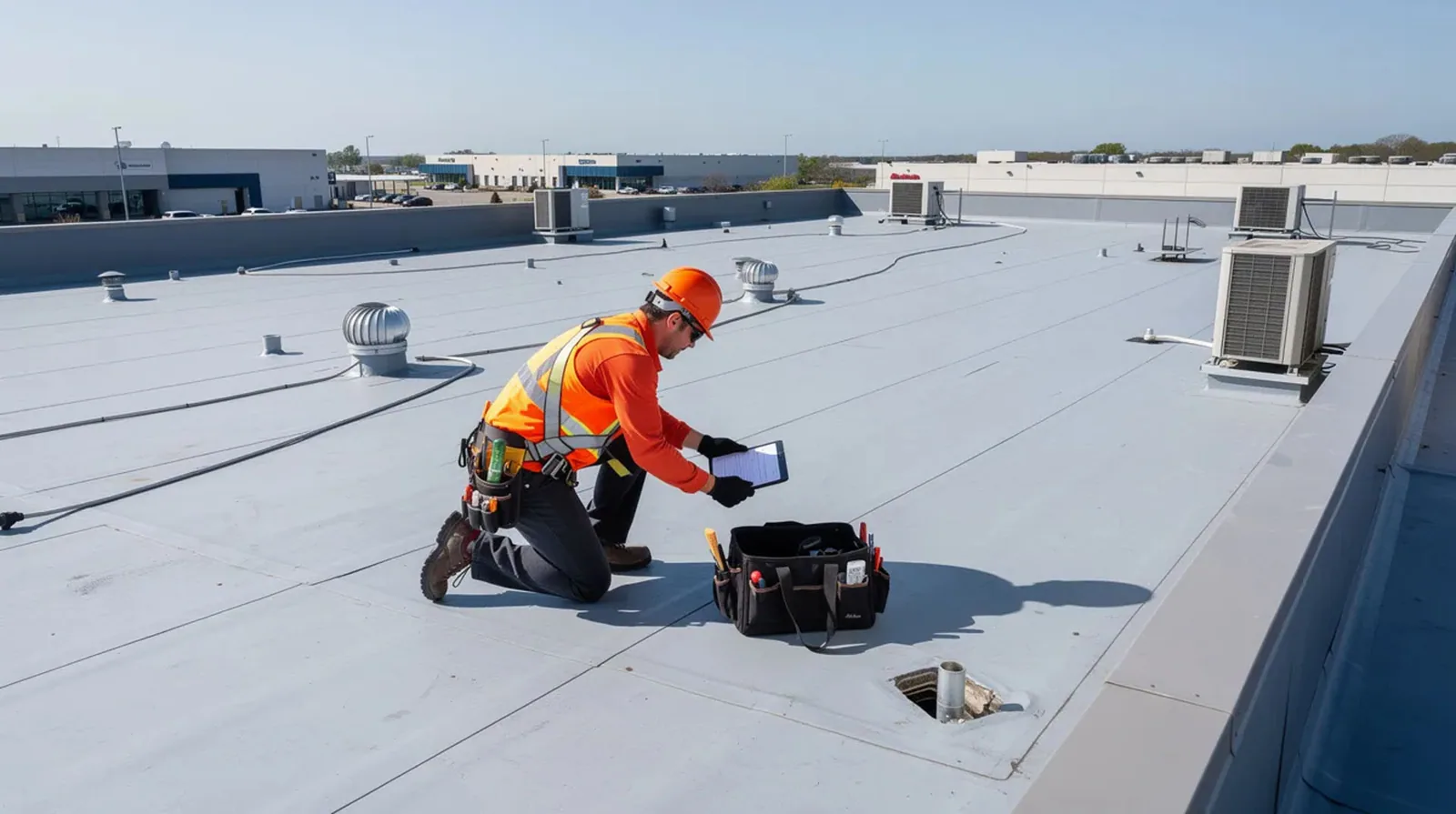
The field work follows a set order. A hands-on walk covers every zone. A drone pass covers areas that are unsafe or slow to reach. An infrared moisture survey maps wet insulation, usually at dusk or dawn when temperature differences show best. Cores are cut only where the other tests leave a question open, and each cut is patched the same day.
Franklin's weather shapes the timing. The area averages about 54 inches of rain a year, and the walk is easiest on a dry day following a wet one, when ponding shows. If the deadline falls in storm season, we plan around radar and keep the moisture survey for the first clear evening.
What the survey finds
The survey answers four questions. What is the roof made of, layer by layer? What condition is each zone in, from seams to flashings to drains? How much of the insulation is wet? And what does the roof need in the next year, the next five years and the next ten?
It also finds the items that surprise buyers: ponding that has been ignored, patches stacked over patches, rooftop equipment added without flashing repair, a warranty that ended or never transferred, and drainage that depends on a single clogged outlet. Each finding comes with a photograph and a location on the plan, so the buyer's team can see it and the seller's team can respond.
Compare each roof with its neighbors in the portfolio. A roof that is better than the others may justify a different reserve, and a roof that is worse may deserve an earlier look. The survey is written so several roofs can be read together.
From findings to capital need
The report turns findings into a schedule. Immediate repairs, such as active leaks and failed flashings, are listed first. Near-term work, such as restoring a worn but dry roof, comes next. Long-term replacement is dated by condition, not by the age printed on a listing. The cost drivers for each item are described in plain terms, and where the buyer wants a priced scope we provide one once the tests are done.
The method is the one behind roof capital planning. Buyers who keep the building can take the survey straight into their first-year plan, and the baseline carries into their roof asset management file.
Where two roofs on one property differ in age or system, each gets its own line, so a buyer pays for the roof that needs work and not for the one that does not.
Surveys for refinancing
Lenders ask for roof information when they set reserves and underwrite risk. A survey gives them the roof's condition, the expected capital need and the evidence behind both. It shortens the back-and-forth, since the lender's questions about age, leaks, warranty and ponding are answered in one document.
For an owner who is refinancing, the survey also finds work worth doing first. A drain cleared and a flashing resealed before the lender's visit can change the story the roof tells. We note which items are quick fixes and which are projects, so the owner can choose what to do before the deadline and what to disclose.
The same file supports the owner afterward. If the lender requires a reserve for roof replacement, the schedule in the survey gives a basis for sizing it, and the next visit measures progress against it.
Use it in the deal
A survey supports three kinds of conversation. With the seller, it supports a price adjustment or a repair credit for defects that exist today. With a lender, it shows that reserves are set at a realistic level. With an investment committee, it replaces guesswork with a dated, photographed record.
It also protects the buyer from overpaying. A roof with dry insulation and sound seams may justify a premium over a roof with wet insulation, even when both look the same from the lot. The report states what the evidence supports and what it does not, so negotiators know where they stand. It does not assign a price to the building, and we do not give investment advice.
What the seller can have ready
Sellers who want a smooth process can help. Gather the roof plans, warranty documents, past inspection reports and repair invoices, and mark the location of any known leaks. Make sure the roof hatch or ladder can be opened and the roof is clear of obstacles on the walk day.
Tell the survey team about recent equipment work, since new units and penetrations change the risk. And tell the tenants, because a roof walk may mean a visit to a suite with a ceiling hatch. A short schedule sent to the property manager a few days ahead prevents delays.
Surveys in the Franklin market
Franklin and its neighbors have a wide mix of buildings. The McEwen area alone holds roughly 12 million square feet of commercial, office and industrial buildings. Office buildings east of I-65 in Cool Springs typically run six to eleven stories, so rooftop mechanical equipment and tall low-slope roofs are common. Older office parks such as Maryland Farms in Brentwood carry their own age, and each roof is read on its own record.
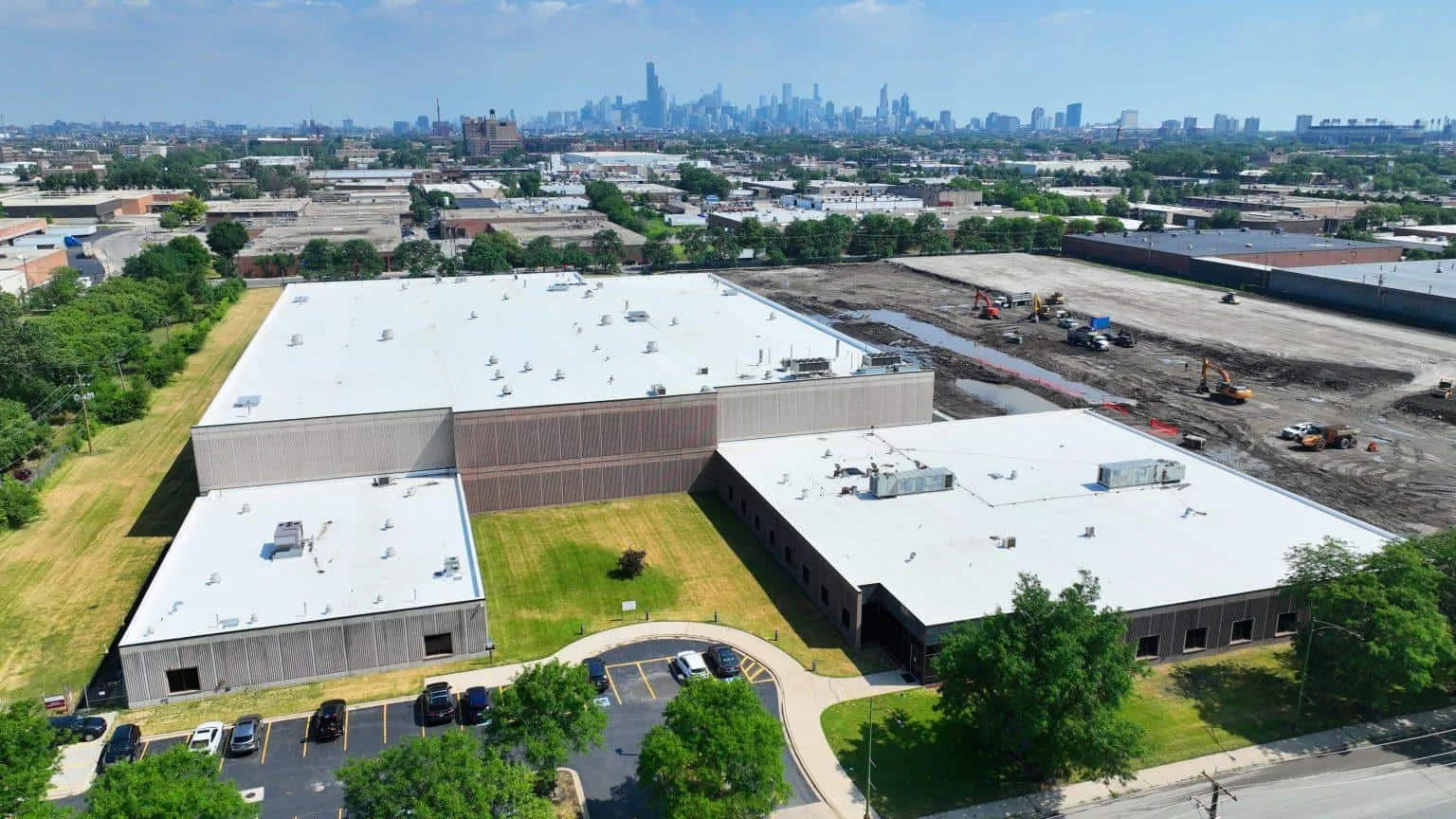
Industrial buyers in the Southall area face larger roof areas and more penetrations. In each case the survey scales to the building but follows the same steps.
Commercial Roofing Questions
How fast can a survey be done?
The timeline follows roof area and the number of buildings once access is granted. We confirm the schedule before the walk and flag anything that would push it past the deadline.
Do we need the seller's permission?
Yes. Access is arranged through the seller or the property manager, and cores need written consent. We keep the cuts small and patch them the same day with a compatible repair.
Can a survey replace an engineer's report?
No. Structural questions go to a licensed engineer. We provide the roof findings, photographs and measurements that the engineer may need, and we do not offer structural opinions.
Will the report give a replacement date?
It gives a condition-based range and the evidence behind it. No one can fix an exact year, because weather, use and maintenance shift the answer.
What about roofs we cannot access?
The report lists them as unreviewed and explains the limit. A drone pass can partly fill the gap, and the report says what the drone could and could not confirm.