Infrared Roof Moisture Survey in Franklin, TN
Wet insulation hides in plain sight. The membrane can look fine, the seams can be tight and the ceiling can be dry, while a layer of saturated insulation sits quietly under the surface and adds weight, rust and decay. An infrared and core-cut moisture survey finds it. Commercial Roofing Franklin surveys low-slope roofs in Franklin, TN to map where water has gotten in, how far it has spread and whether the roof can be saved with a targeted repair or needs to be replaced.
The survey turns a guess into a decision, and it pairs well with a regular roof inspection that spots the surface signs. Without it, an owner may replace a roof that was repairable or recover a roof that was already soaked. With it, the scope matches the roof's real condition.
How Heat Reveals Water
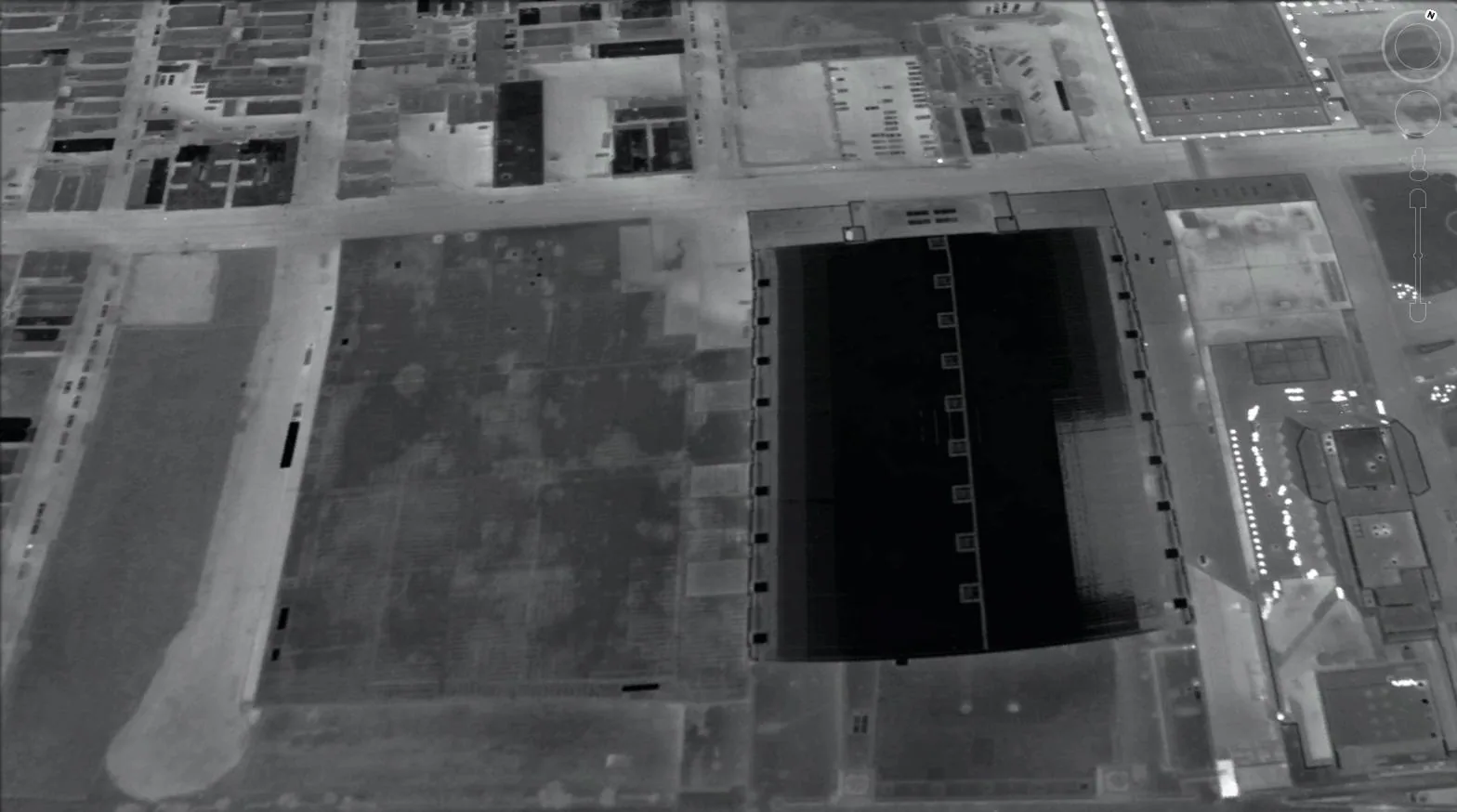
Wet insulation holds heat. During the day, the sun warms the whole roof. After sunset, dry areas cool quickly while wet areas stay warmer because water stores heat. An infrared camera sees the temperature difference and shows warm patches on a screen. Those patches are candidates for moisture.
The survey is done in the evening, on a day that was clear and warm. Franklin gives us good conditions through much of the year, with July highs near 91 degrees, but cool, windy or damp evenings reduce contrast and can hide results. If conditions are poor, we reschedule instead of reporting what the camera cannot show.
Cores Confirm the Scan
An infrared image is a lead, not proof. Warm spots can come from thicker insulation, different materials, roof-mounted equipment below or ballast. So after the scan, we mark suspect areas on the roof with paint and confirm them with a moisture meter and small cores. A core is a small cut through the membrane and insulation that lets us look at the layers directly, test them for moisture and see the deck condition.
The paint marks and cores also give future crews a way to compare: a second survey years later can revisit the same locations and show whether a wet zone has grown, held steady or dried after a repair. Each core is patched right away with matching materials and sealed so the survey does not open new leaks. We record the layers, thickness and moisture reading at each cut. When cores confirm what the scan suggests, the map becomes reliable.
The Moisture Map
The deliverable is a roof map showing wet, damp and dry zones, with core locations marked and photographs for each. It also shows the share of the roof affected, which is the number that drives the decision. A small wet zone near a drain or penetration points to a local repair. A wide pattern points to a failing system.
We attach a recommendation to the map: cut out and replace limited areas, recover where dry, or replace. A recover is only safe on dry insulation, so this survey is also the gate for that option. For larger decisions, the map feeds our capital planning work and gives a defensible basis for a budget request.
Roofs Worth Surveying
Some Franklin and Brentwood roofs deserve a survey sooner than others. A mature office park like Maryland Farms in Brentwood is a first candidate, since water that enters through a failed detail can sit in insulation for years and nobody sees it from below. A newer building on Cool Springs Boulevard is a later candidate, but a slow leak at a rooftop unit curb can still saturate the insulation near it.
Franklin's annual precipitation runs above fifty inches, so a roof with a weak detail gets tested regularly. In Cool Springs, where infill is replacing surface parking with office buildings and hotels, roofs under rooftop equipment benefit from a survey at handover and again before the warranty ends.
When to Survey
Three moments call for a survey. The first is after a known leak, when water may have spread far from the entry point. The second is before a recover or a major repair, when you need to know what is under the surface. The third is before a sale or refinance, when a buyer or lender wants proof of the roof's condition.
A survey can also follow a storm. After the August 2023 tornado some Highway 96 businesses reported minor roof damage, and even a small breach can let water into insulation with no sign inside the building. A survey after a damaging event helps separate new wet areas from older ones, which supports a claim.
Access and Preparation
A survey needs a clear roof. We ask that loose debris, standing water and temporary storage be cleared, and that building contacts know the crew will be on the roof after hours. Evening work is quiet and usually does not disturb tenants, but we still coordinate access, lighting and a safe route to the roof, since the survey runs while daylight fades.
Safety matters at dusk. We mark edges, skylights and openings in advance, wear fall protection and keep the crew in pairs. If rain moves in, we stop and reschedule instead of working on a slick surface. When the survey is done, we leave the roof as we found it, with core cuts sealed and paint marks that fade with weather.
The timing of a survey also matters inside the building. If a recent leak repair was made, we wait until the roof is dry so the scan reflects the current condition. The map, the photographs and a plain recommendation follow the survey.
Limits of the Method
Infrared works best on roofs with a dark, uniform surface and without ballast or heavy reflective coatings. Some assemblies, such as fully adhered systems over thick insulation or metal roofs, give weaker results, and we say so before starting. Ballasted roofs may need the stone moved or may be surveyed with other tools. Fresh rain, wind and shade can also mask results.
In those cases we lean more on cores and moisture meters. Nuclear and capacitance methods are other options on some roofs. We pick the method that suits the assembly and tell you the confidence we have in the result, so the survey leads to an informed choice and not to false comfort.
Commercial Roofing Questions
When is the best time to run a survey?
Evening after a clear, warm day, when the roof has absorbed heat and begins to cool. Wet insulation then stands out against dry. Cool, damp or windy evenings give poor contrast.
Will the survey damage my roof?
Scanning leaves the roof untouched. The cores are small, sealed with matching material immediately and recorded, so the net effect on the roof is minimal.
How accurate is infrared?
Infrared is accurate at finding areas that behave differently, and cores confirm which are wet. On difficult assemblies we say how much weight the scan should carry.
Do I need a survey if the roof is not leaking?
Consider one when the roof is old, when you plan to recover it or when a buyer wants proof. Insulation can be wet well before any water shows indoors.
What does the survey cost to act on?
The survey itself is a fraction of replacement cost. What it saves is the cost of replacing too much or too little, since the map shows how much of the roof is actually affected.