Roof Asset Management in Franklin, TN
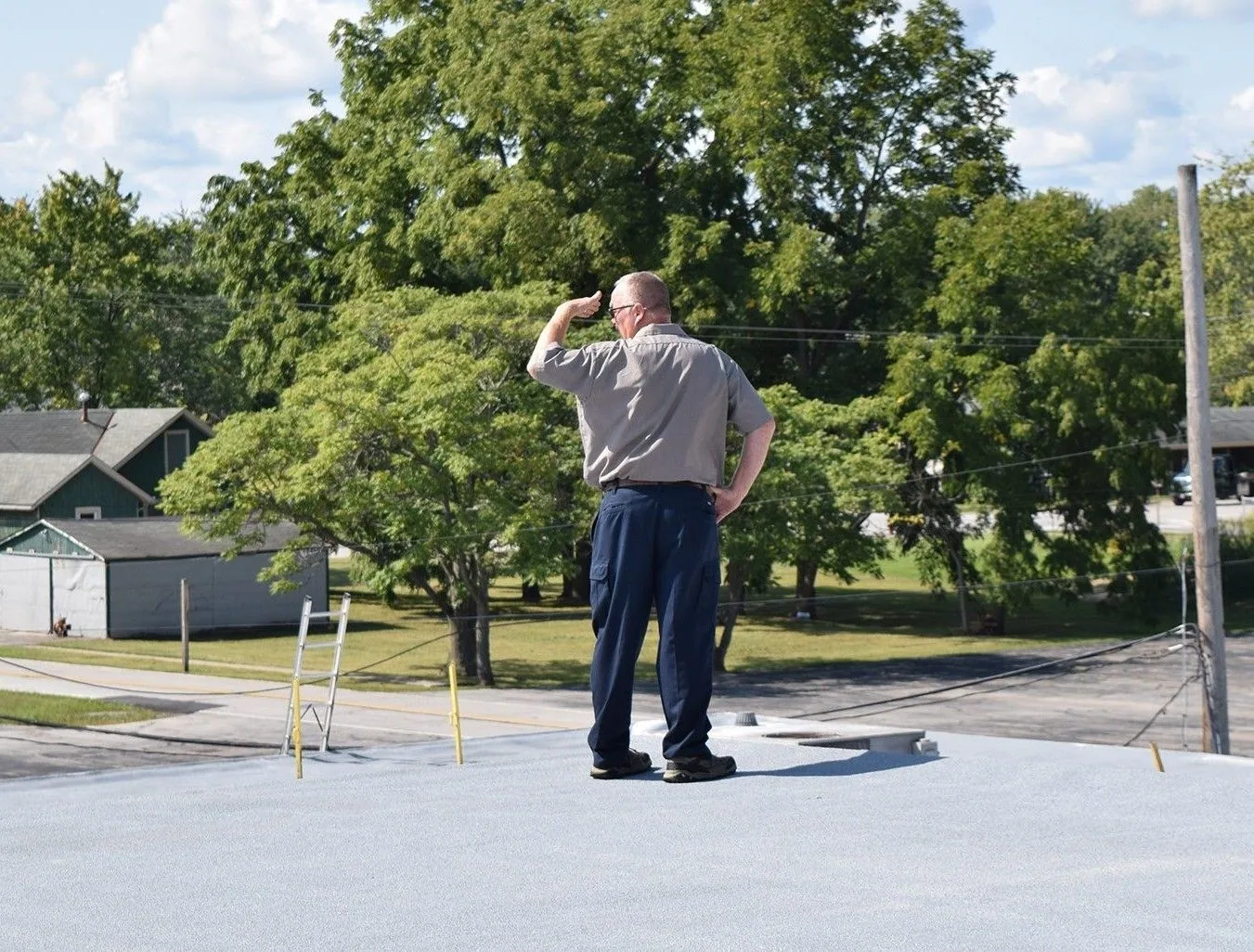
The first sign that a roof is not being managed is a leak call that starts with the question, who put that patch there. Nobody knows, because nobody wrote it down. The repair history lives in invoices, texts and the memory of a manager who has since moved on, and we walk that failure backward to what a roof record should hold.
Roof asset management gives each roof in Franklin, TN a single file that survives changes in staff, vendors and ownership. It turns a series of surprises into a pattern a manager can read.
What the record holds
Each roof file starts with identity: address, building use, roof area by zone, the system type and the date of the last major work. Next comes the assembly, with deck, insulation, membrane, flashing and edge details, drawn from plans where they exist and from cores where they do not.
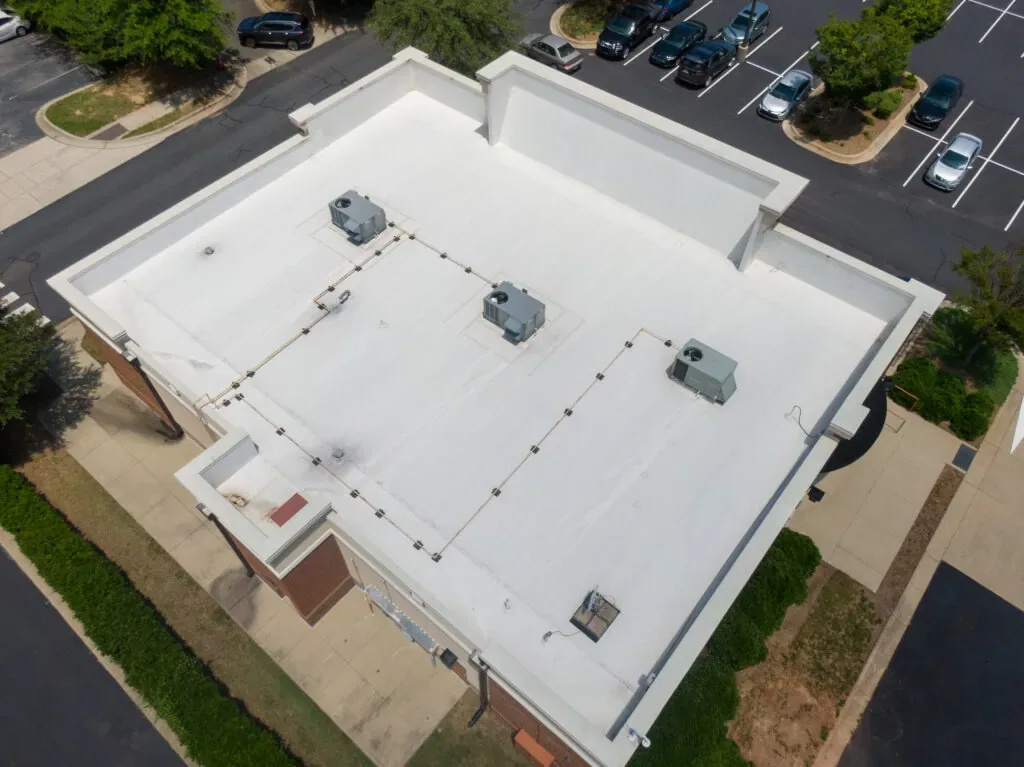
Then come the equipment and the paths. We note every rooftop unit, vent, skylight and antenna, the walking routes between them and the drains that serve each zone. The last layer is history: inspections, leaks, repairs and photographs, each with a date and a location on a roof plan. When a manager opens the file, the roof reads like a chart, not a rumor.
We keep the format plain. A photo, a note and a location are enough for most entries, and a short list of open items at the top shows what needs attention next.
Photographs carry the file. Each zone is shot from the same points on every visit, with a wide frame for context and a close frame for detail. Over a few years, those paired images show wear, ponding and patch behavior more clearly than any written note.
How the record is built
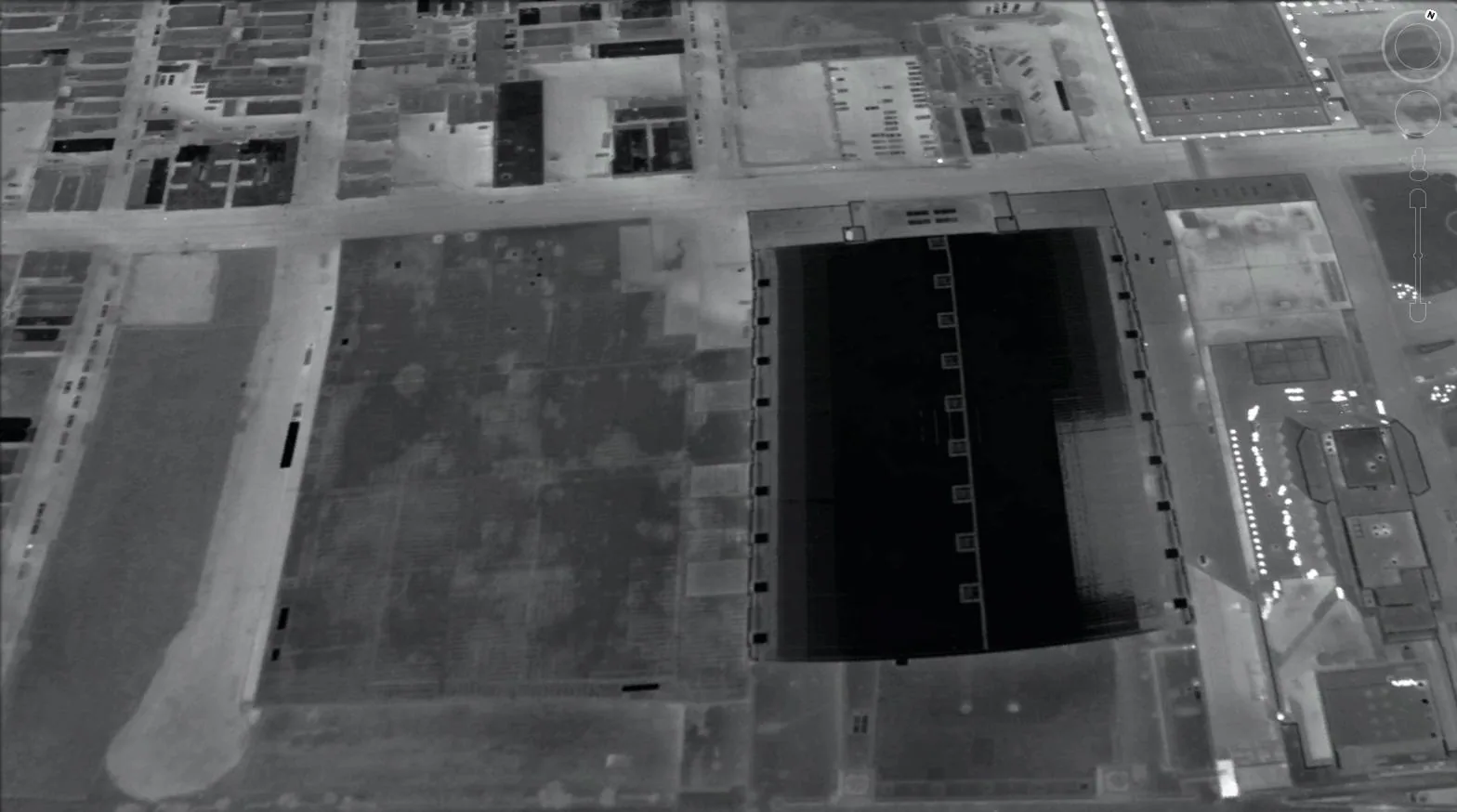
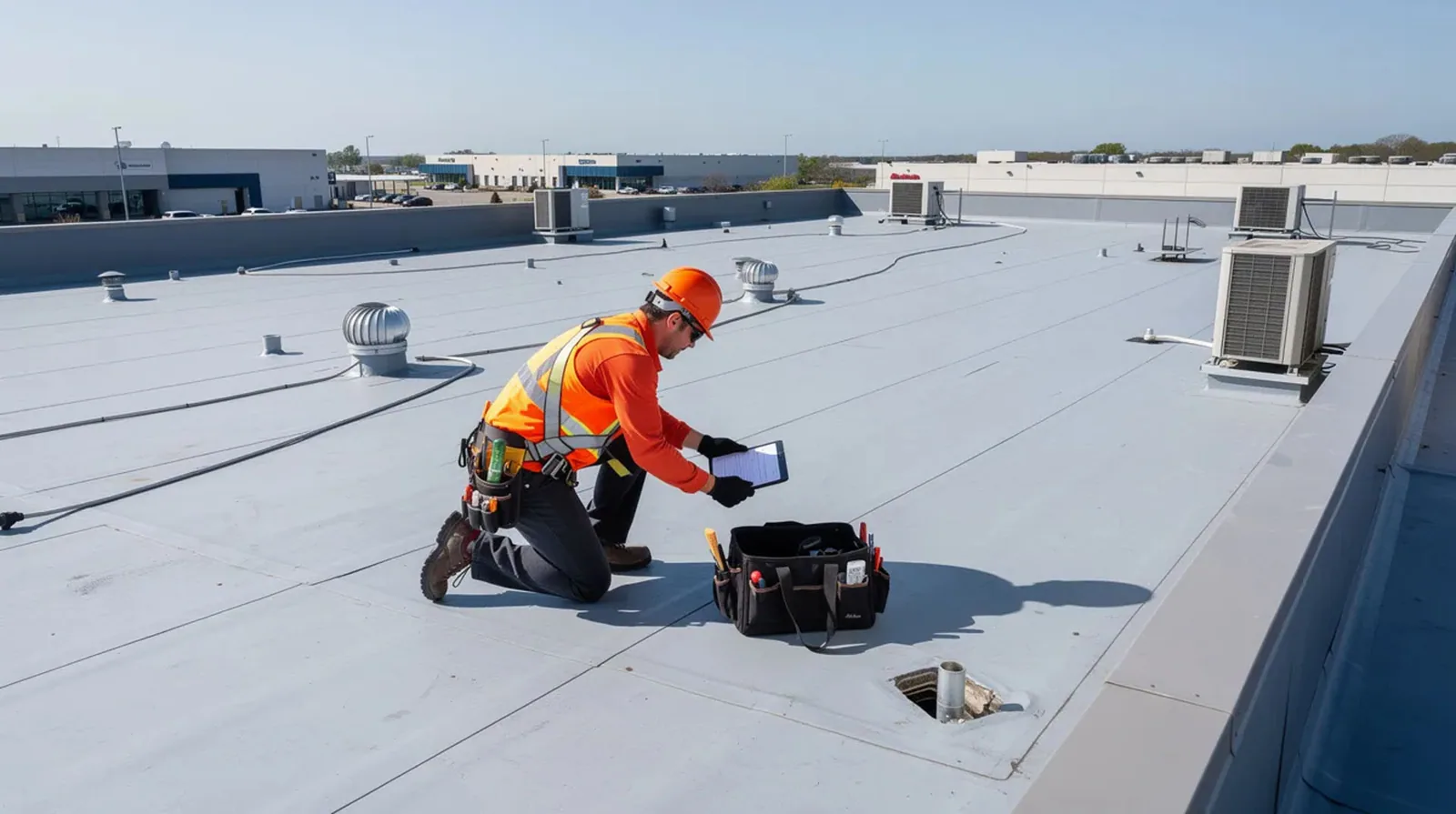
The file begins with a roof walk. Our crew leader photographs each zone, measures ponding, probes seams and checks every drain. Where the assembly is unknown, a core cut shows the layers and an infrared moisture survey maps wet insulation. A drone roof inspection adds areas that are slow or unsafe to reach.
Everything is tied to a roof plan with zone labels. The same labels are used on every visit, so a photograph from one year can be set beside a photograph from the next. After each visit the file is updated and a short summary goes to the manager, with the open items ranked by urgency.
The first file takes the most effort, and it is worth doing carefully. A wrong zone label or a mislocated photograph causes confusion for years. We check the labels against the plan on the roof before leaving, and we walk the file with the manager so the first entries match what is on the building.
How managers use it
A good record answers practical questions fast. Which roofs have leaked more than once? Which have ponding that is growing? Which have a membrane old enough to plan for replacement? Which warranty is about to run out? When an owner asks whether to repair or replace, the file supplies the evidence in an afternoon, not a month.
The same file protects the manager in disputes. If a technician damages a membrane, the before-and-after photographs settle responsibility. If an insurer asks about prior condition, the history is ready. And when ownership changes hands, the file shortens a buyer's review and supports a due diligence roof survey without starting from scratch.
Contractors benefit as well. A crew that opens the file before going up knows the system, the last repair and the known trouble spots, and it can bring the right materials the first time. That shortens the visit and cuts the odds of a repair made with the wrong product.
What the file flags
Patterns show up once the entries pile up. A drain that fouls every October, a seam that opens each winter beside the same unit, a patch that lifts twice in a year: each is a small failure sequence repeating. The file marks them so that the third occurrence is caught as a trend, not met as a surprise.
Condition scores help. Each zone is rated for membrane, seams, flashing, drainage and moisture, using the same plain scale every visit. A zone that drops a step between visits goes to the top of the list. A zone that holds steady for years earns a longer interval between walks. The aim is to put attention where the evidence points, not to spread it evenly.
Dates on the file warn of cliffs ahead: a warranty that ends, a membrane reaching an age where failures become likely, a coating due for renewal. Those entries feed roof warranty management, so notice windows are not missed.
Where it fits in Franklin
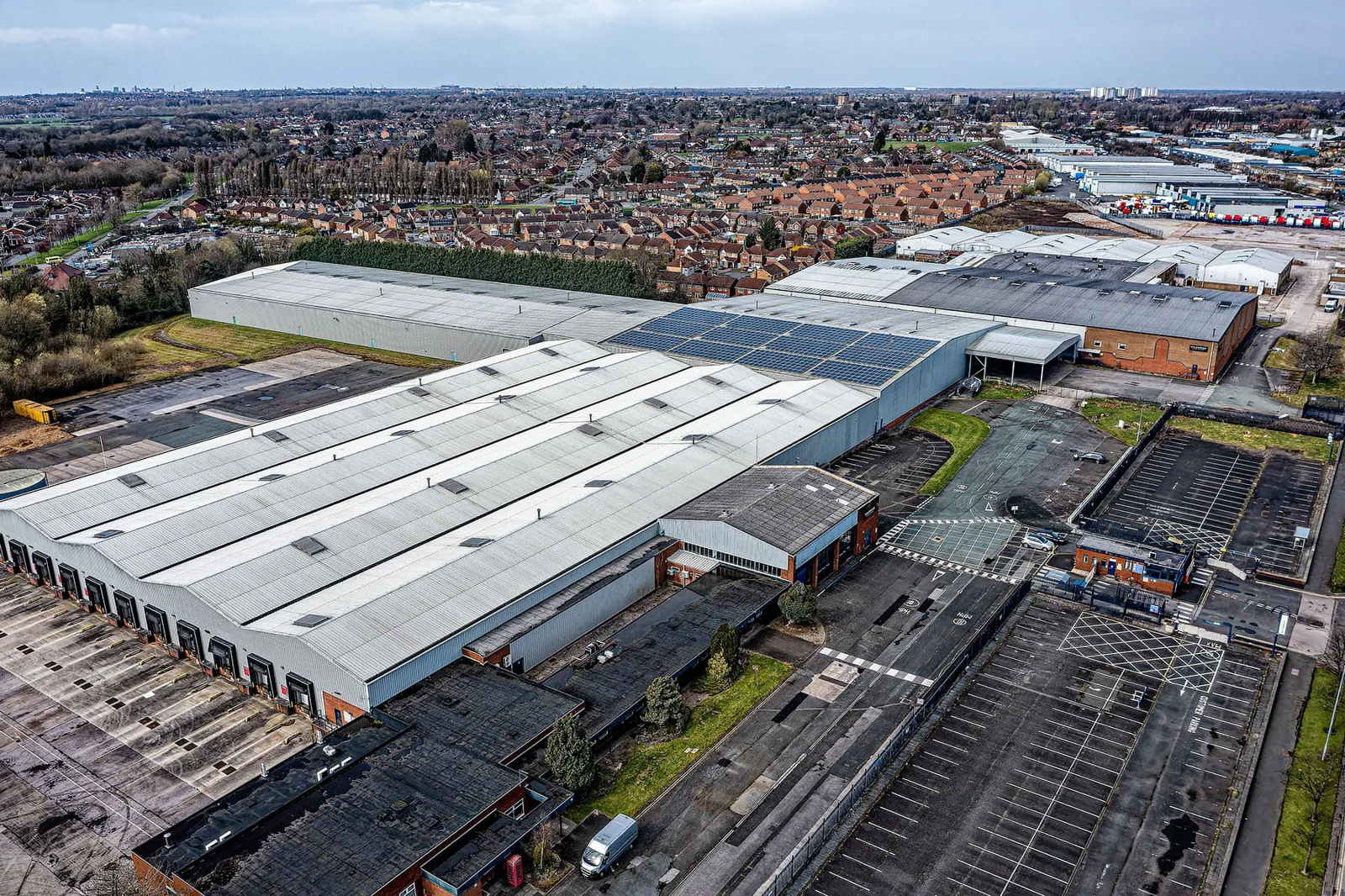
Cool Springs sits inside the McEwen area, 6,680 acres that the city treats as its principal regional commercial center, with nearly 12 million square feet of commercial, office and industrial buildings. An owner with several buildings there gets a shared record that makes them comparable. In the Columbia Avenue and Southall area, where industrial use is primary, warehouse-style roofs add large areas and many penetrations to the file.
The file also supports roof capital planning, since the budget follows the condition recorded, and preventive roof maintenance, which adds a dated visit each season.
Franklin's weather gives the file plenty to record: heavy rain through the year, hot Julys and storm lines that can carry tornadoes, as in the August 2023 EF0 near Highway 96. Each event is logged against the roofs it touched, with the post-storm walk results alongside.
What it costs
The first walk and file build is the largest piece of effort, driven by roof area, access and the number of buildings. After that, each seasonal update is a short visit. The payoff is in decisions that arrive sooner and repair money that goes to the roofs with the most evidence behind them. Pricing starts from the cost drivers below and is set once the roofs have been walked.
Scope changes the price in plain ways. More buildings mean more walks. Complex roofs, with many levels and penetrations, take longer to map. Roofs that need cores or moisture surveys carry those costs on the first pass only. Large campuses can be phased, with the oldest or most leak-prone roofs filed first, so the manager gets value before the whole portfolio is mapped.
Commercial Roofing Questions
Do we need drawings to start?
No. Plans help, but a roof walk and a few core cuts can establish the assembly. The file begins from what is on the roof, and drawings are added to it when they turn up.
Who owns the roof file?
The owner. It stays with the building through changes of management, vendors and ownership, and it can be handed to a buyer, a lender or the next property manager in the same format.
How often is it updated?
After each inspection, repair or equipment change, and at least twice a year. A visit before the wet months and one after them keeps the file current without adding steps.
Can it cover buildings we do not own?
Yes, for managers who handle roofs for others. Each building gets its own file, and the format is shared, so a manager can compare roofs across clients without mixing records.
Does it replace an inspection?
No. It is where inspection results live. The walk still happens, and the file keeps what the walk finds so the next visit starts from the last one.