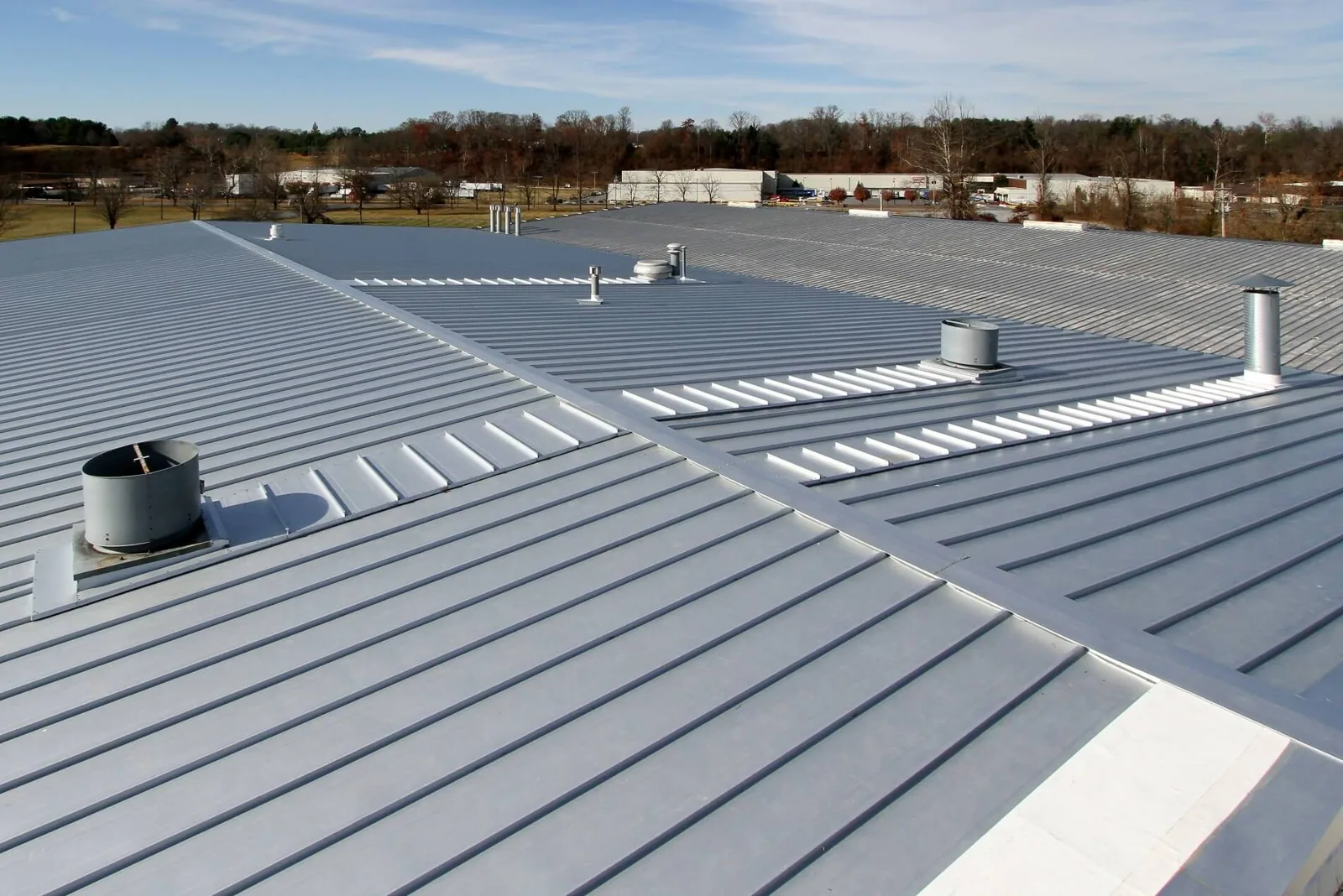
Commercial Roofing in Antioch, Nashville, TN
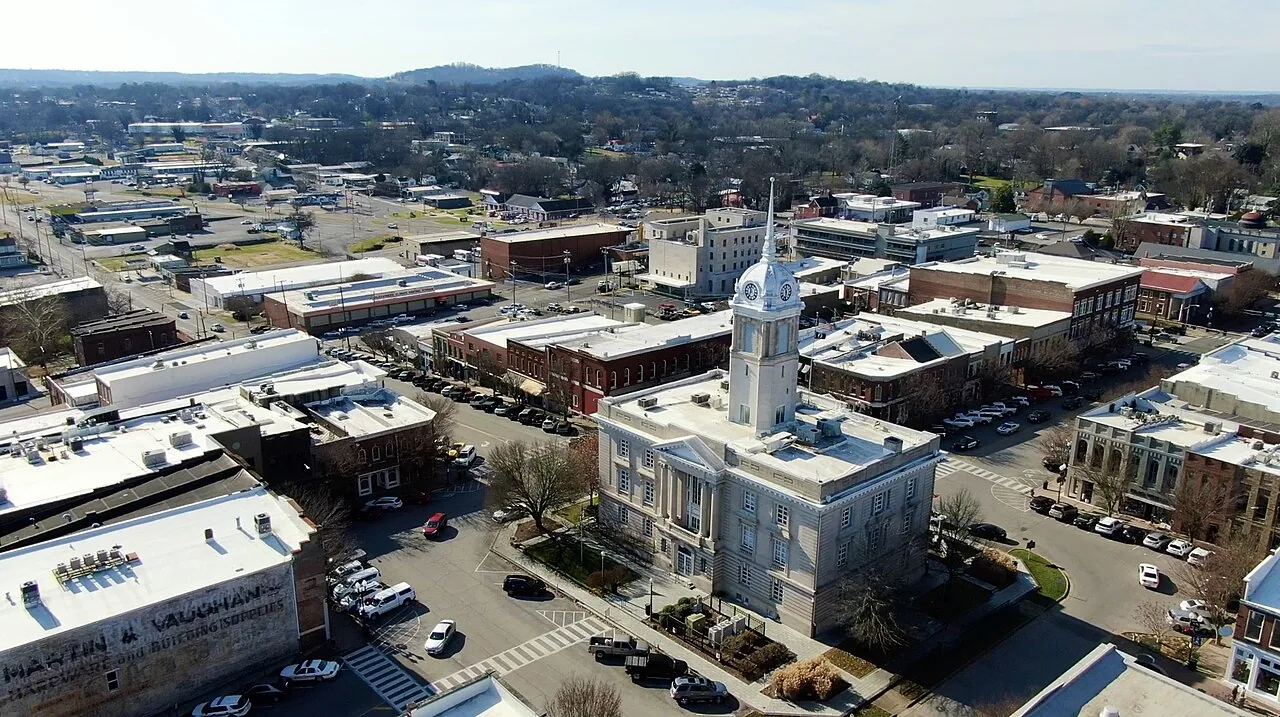
A bucket in a stockroom that was dry last month is the first sign. A manager moves a pallet, finds a drip and asks if the roof is done. We walk that drip backward. On a large retail or office building in Antioch, TN, the water often entered far from where it fell.
Antioch is a Nashville neighborhood about 12 miles southeast of downtown, with 97,372 residents in 2020. Its commercial buildings include the former Hickory Hollow Mall, which opened in 1978 with more than 1.1 million square feet of leasing area and 5,795 parking spaces, and newer projects around it. Large buildings, large lots and reused buildings make Antioch roofs a lesson in how failure spreads across a big surface. The same chain applies on a small roof, but a big one gives it more room to run. A property manager with this much roof to watch has limited hours to watch it, so the order of checks matters.
The first sign
On a big roof the first sign is small. A stained tile, a damp spot at a wall, a puddle in a loading area. Note the date and the weather, and photograph the spot. Then look for the pattern. A line of stains often means a seam. A cluster near a wall means flashing. A spot under a rooftop unit means a curb.
We then go up and mark the stain location on a roof plan, tracing in a wide radius. A large flat roof has many details, and any of them can be the source, so each gets a number and a photograph. The photo trail also settles the next question: did the repair fix the cause, or only the stain?
What is happening underneath
A big low-slope roof is mostly field membrane and long seams, and heat moves all of it. July afternoons in Franklin average a high near 91 degrees, and the record low is minus 22 F, a swing of well over a hundred degrees across the extremes. Seams expand and contract through that range, and one that was tight can open a hairline gap.
Water that gets in spreads through the insulation. On a roof this size, a small leak can wet a wide area before any stain shows inside, which is why a large building can show its first sign weeks after the entry. By then the wet area may be many times the size of the opening. An infrared scan at dusk shows it as a warm patch against cooler dry areas, and cores confirm what the scan suggests.
Where the water stopped: reused buildings
Antioch has several reused buildings. The mall's interior is now Global Mall at the Crossings. Bridgestone North America put an IT center in a former Sears building. The Ford Ice Center, a Nashville Predators facility, occupies part of the former mall area. When a building changes use, the roof stays, and the new use may add equipment, ducts or ice-making plant.
A change of owner or tenant does not change what the membrane is. Only a core and a seam probe do. We identify the system on the first walk, count the added penetrations and check each new curb. A roof that was built for a store may now carry a different load. An added unit is one way a sound roof starts to leak at a curb, because its flashing is new and its crew may not have been roofers.
New projects and old roofs
A Community Health Systems shared service center was planned for over 2,000 jobs, and a 300-acre mixed-use development is planned at Nashville West/Century Farms. New work brings crews onto roofs, and crews bring damage: dropped tools, cut membranes, blocked drains. A roof next to a construction site needs a walk before the work starts and after it ends. The before photos protect the owner. If a drain is blocked or a membrane cut after the crew leaves, the record shows when it happened and who was on site.
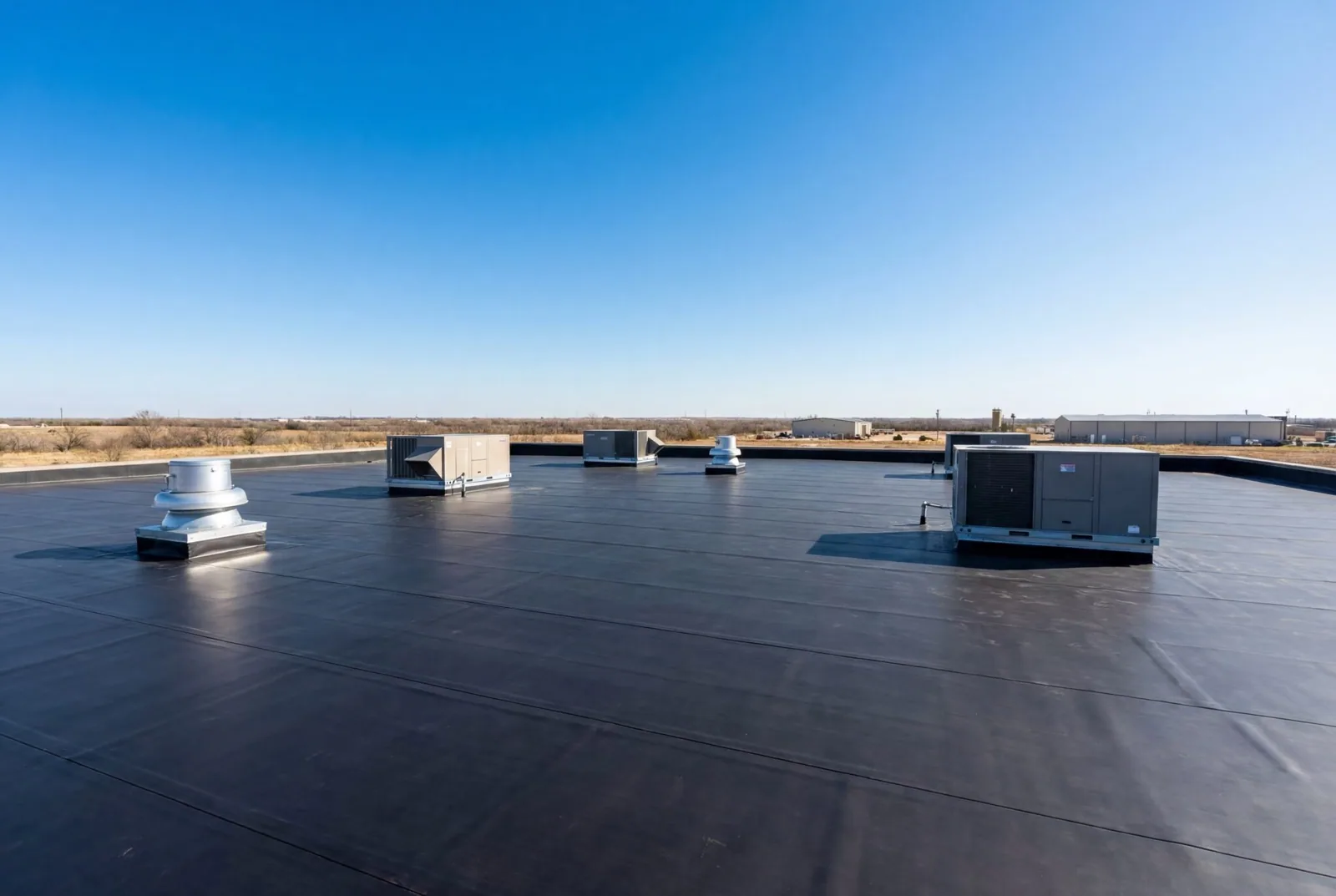
The membrane puncture check is simple, and the manager can do the first pass alone. Look for cuts, scuffs and debris near units and access paths. A puncture is a small repair if found fast. A puncture left through a storm is a wet insulation job. We patch with matching material, probe the area around it and note the wet zone on the plan.
Storms and drains
Storm water has to leave Antioch's large roofs and large lots, and the region's storm lines test the drains. A tornado on March 3, 2020 tracked across Davidson County, and a 2026 warning for northeastern Williamson County that cited hail near three-quarters of an inch. Those events say what the weather can do, not what it did to any one building here.
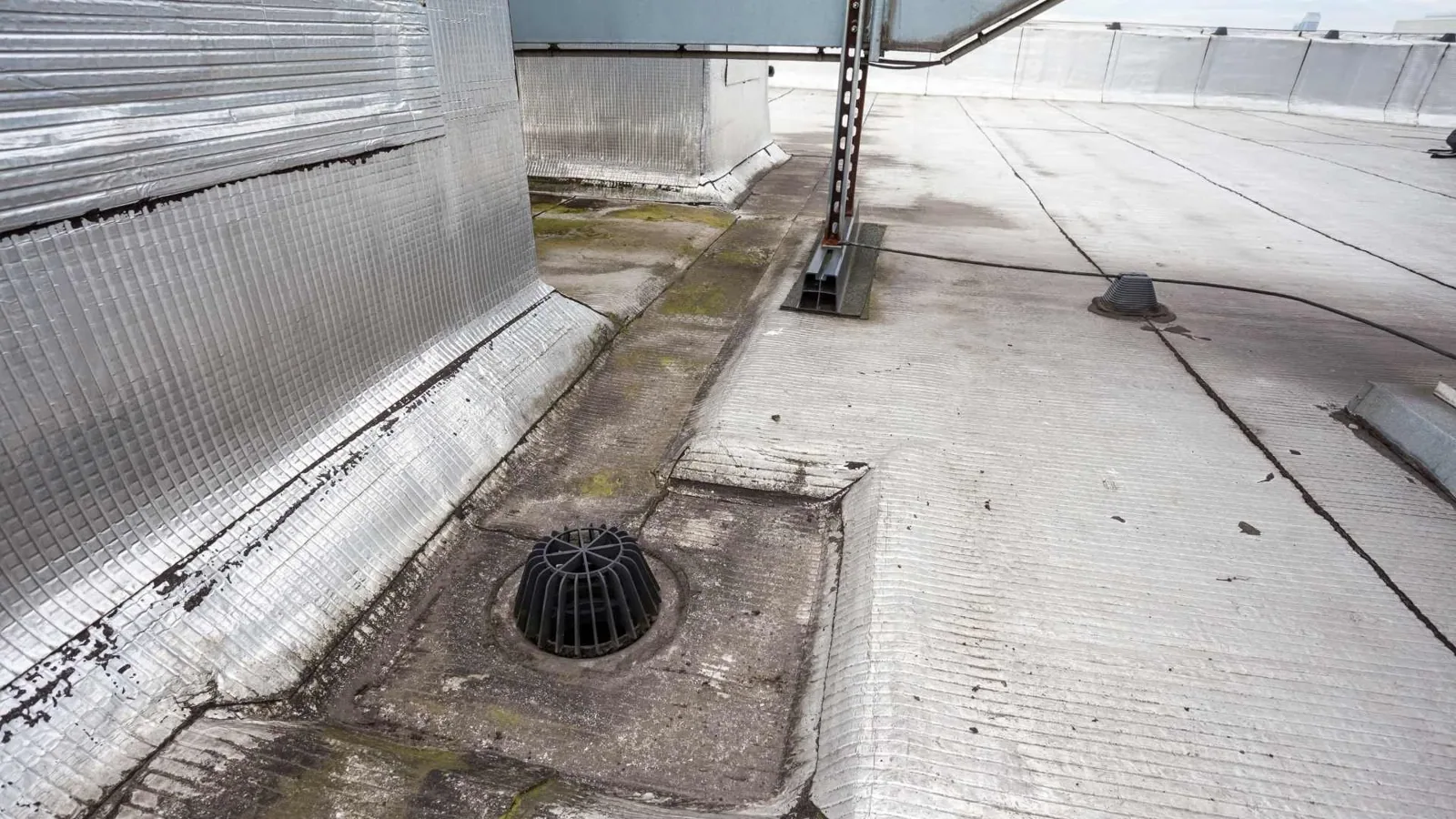
A strainer clogged with leaves, grit or plastic holds water on the roof. Standing water stresses seams, adds weight and breeds growth. The first check after any storm is the drains. Roof drains and scuppers are cleaned, flow-tested and photographed, and low spots are marked as standing-water lines on the plan. A pond that stays more than two dry days is measured and traced to its cause.
How to confirm it
We use a moisture scan, a hose test and core samples. The scan shows the wet layer. The hose test, one detail at a time, shows which one leaks. Cores confirm the layers. Together they turn a guess into a list. Each line on the list names a location, a cause and a repair, and the owner decides what to approve. Each line is dated and numbered, so a manager can tell at a glance which items were closed and which are still open.
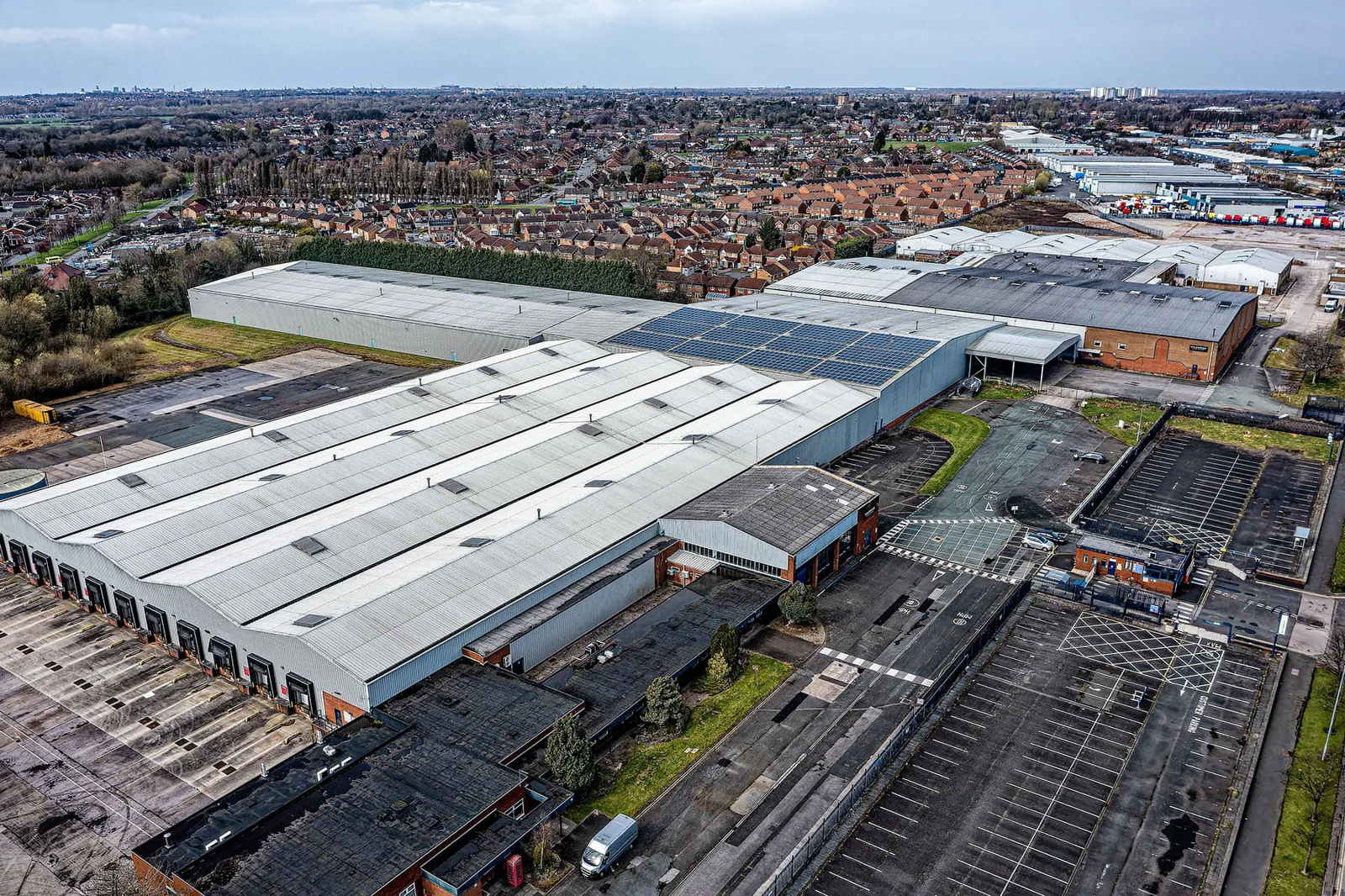
For large roofs, a drone survey maps the surface quickly and safely. It shows ponding, torn seams and displaced units, and the images are tied to roof section numbers so every finding has an address. A walk follows for the details a camera cannot confirm. Seam probing, flashing tugs and sealant checks all need hands on the roof.
Repair or replace
Local failures over dry insulation are repairs. A wet area that has spread across a section, a membrane that has shrunk or trouble across many details leads to a recover or replacement. On a roof this large, a phased plan keeps the building running: active leaks first, then wet insulation, then slow failures. Each phase carries its own price. La Vergne and Donelson, which border Antioch or sit close to it, get the same plan.
Commercial Roofing Questions
Why does a leak show up far from where water enters?
Water travels. It follows the deck, runs between insulation layers and drops where it finds an opening. We trace from the stain outward and test each detail.
Does a change of use change the roof needs?
Often. New equipment adds curbs and penetrations, and a new load changes where wear shows up. We check each added unit and its flashing.
Can a large roof be done in phases?
Yes. Phasing by section keeps the building open, and each phase is dried in before the crew leaves.
What should we check after a construction project near the roof?
Walk the roof for cuts, scuffs, debris and blocked drains. Photograph what you find and send it to us.
How soon after a storm should the drains be checked?
Within a day or two. Clogged strainers hold water, and standing water starts its damage at once.