Commercial Roofing in La Vergne, TN
A wet pallet in an aisle is the first sign. A picker finds cardboard gone soft, a supervisor checks the ceiling and sees nothing wrong. The leak is real. It is on the roof, and the water has taken a path to the pallet that nobody can see. We walk that path backward.
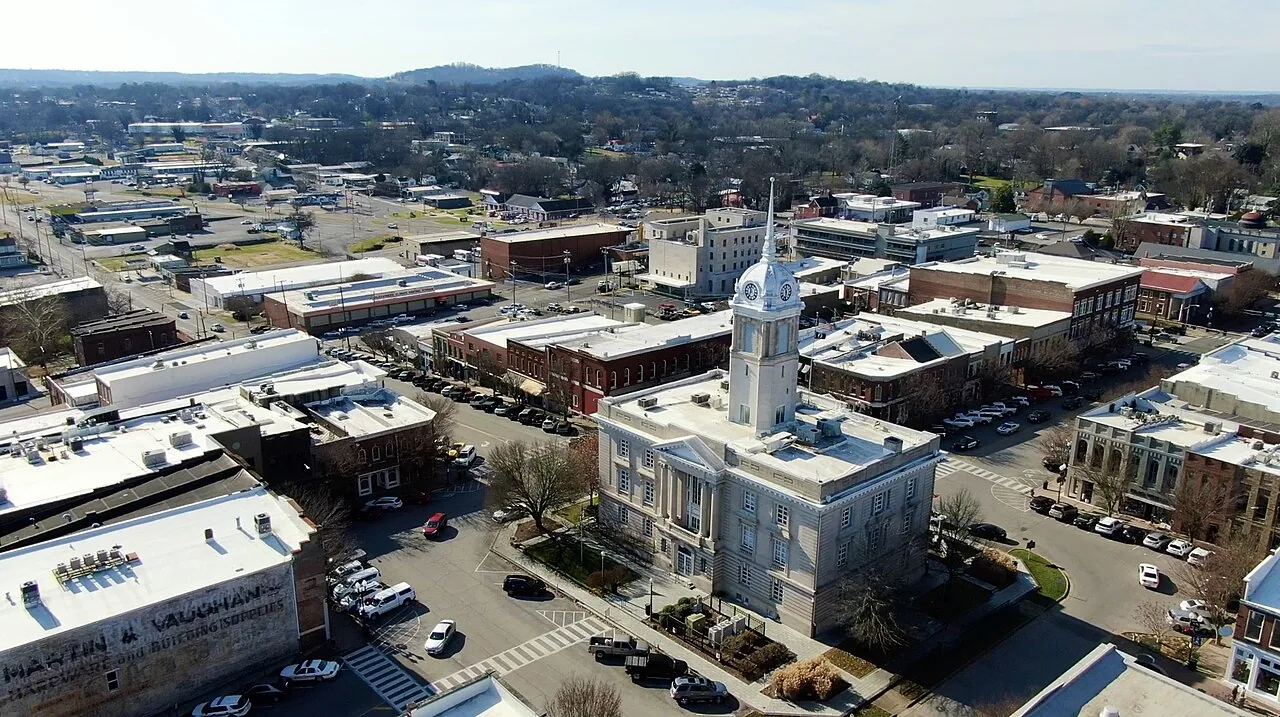
La Vergne is a northern Rutherford County city of 38,719 residents in 2020, bordering Nashville's Antioch and Smyrna, with I-24, U.S. 41 and U.S. 70S passing through it. The city recorded $271.3 million in transportation and warehousing revenue in 2022. Warehouse and distribution roofs are the main subject here, and a wet aisle is how they can announce a problem. Because the city sits on I-24, U.S. 41 and U.S. 70S, trucks and deliveries run all day, so a repair has to fit the freight schedule as well as the weather.
The first sign
In a warehouse the first sign is stock damage: a wet carton, a stained wall, a rust streak on a rack upright, a puddle on the slab. Record the aisle, the bay number and the weather, then ask where the water came from. It ran along the deck and dropped where it found a gap, so the entry sits uphill of the wet spot.
Mark the spot on the roof plan and check each detail uphill. Photograph and number drains, seams, curbs, skylights and wall tie-ins. Date each photo and keep the originals, so a manager and an insurer see the same facts and the dates show what the roof looked like before repair.
What is happening underneath
A warehouse roof is a large flat membrane over insulation. Heat moves it daily, and the regional record runs from minus 22 F to 108 F. Long seams expand and shrink with that range, and a lap that was tight in April can open by August.
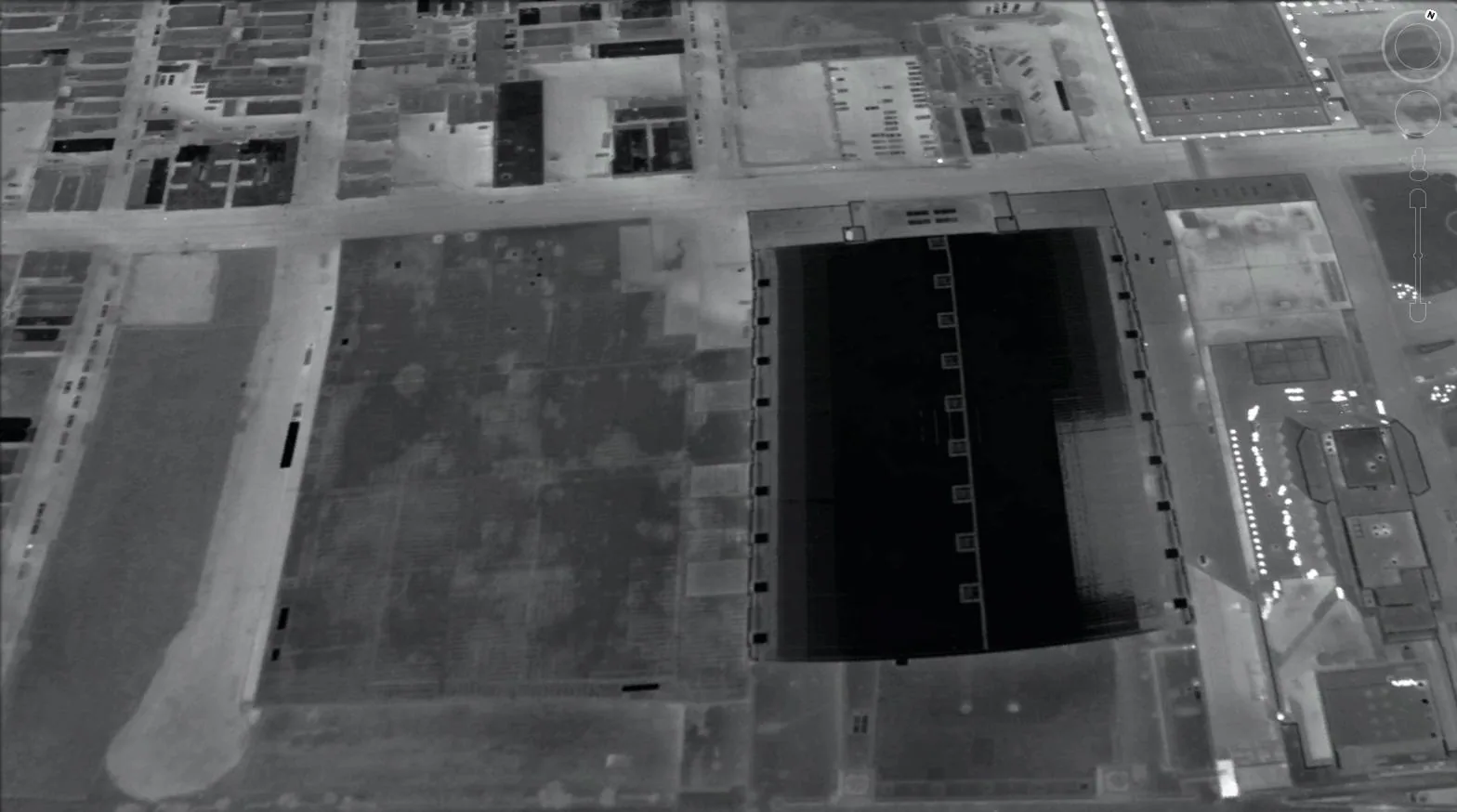
When water gets in it soaks the insulation and spreads, and a wide roof can hide the leak for weeks. The wet layer then holds water against the membrane and adds weight. An infrared scan finds it, and cores confirm the depth. The repair takes in the wet zone, not just the visible hole, because a patch over the hole alone leaves wet insulation under it.
Where the water stopped: distribution roofs
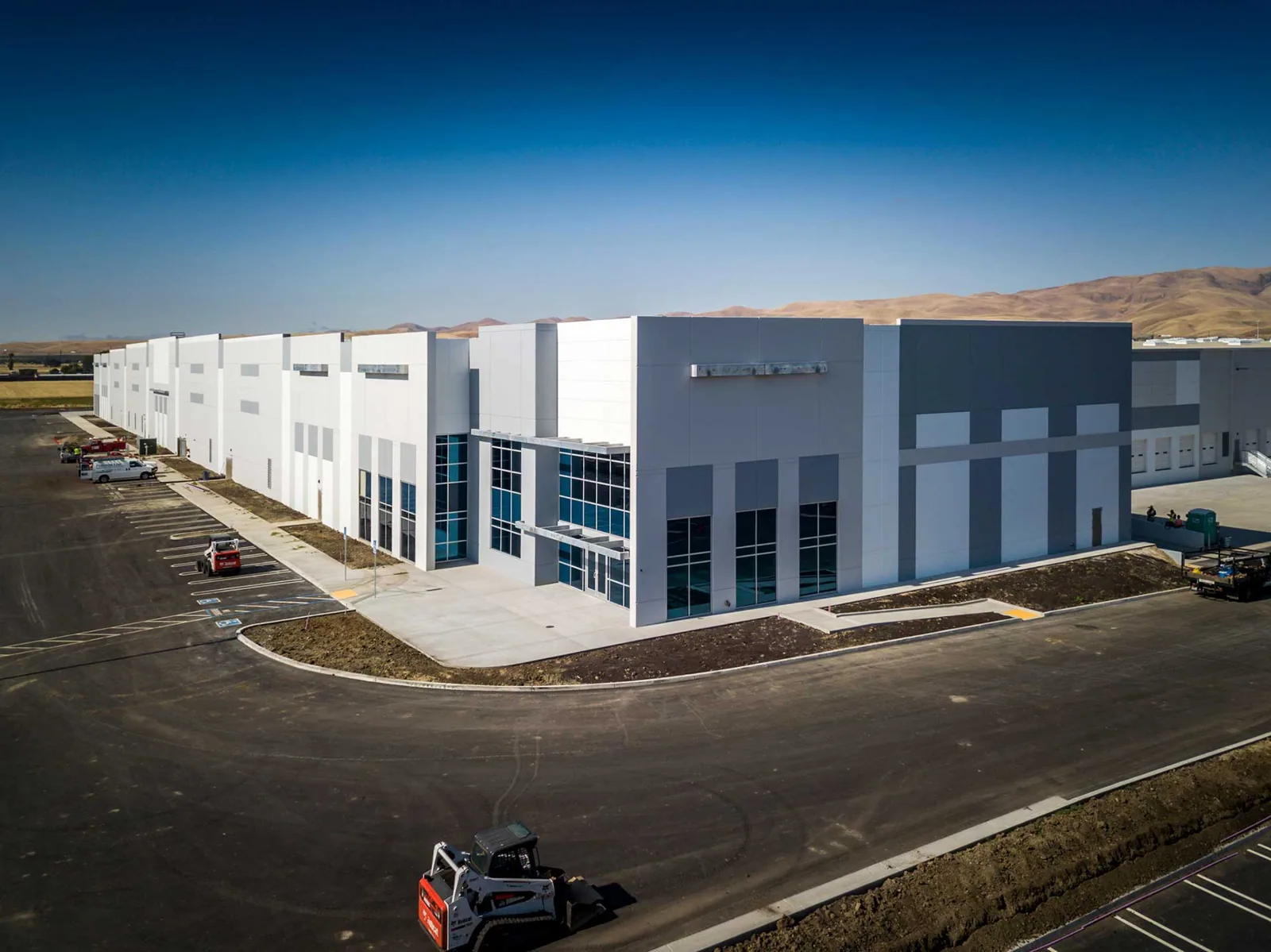
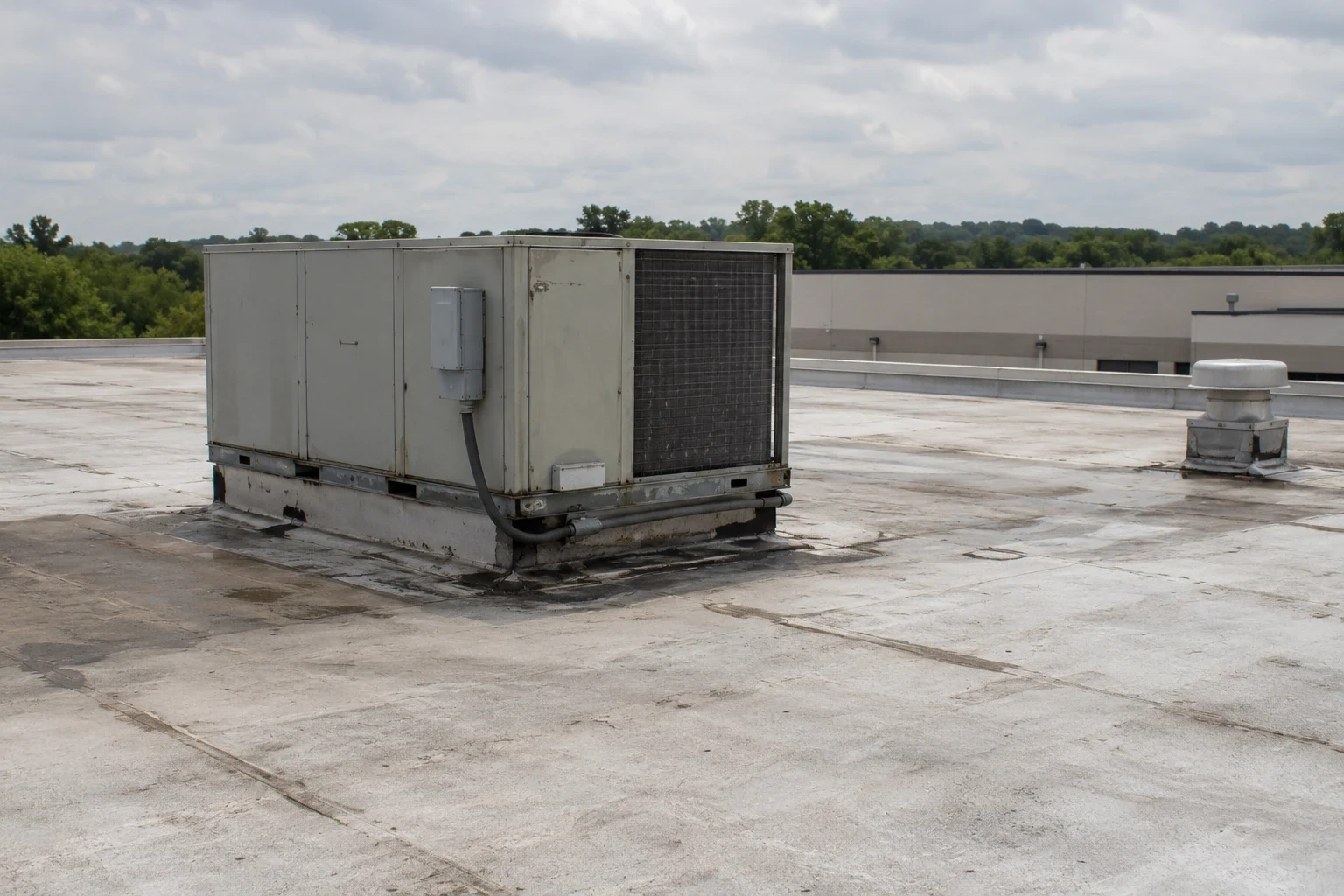
La Vergne has an Amazon distribution center opened in 2020, a Feed the Children distribution center opened in 2013 and a BJ's Wholesale Club opened in 2023. A distribution center roof has docks, rooftop units, skylights and long parapets, and each is a detail to check.
The roof plan starts with the stock. Which aisles hold product that cannot get wet? Which hold racks that rust? Which hold cold goods with their own power? Where do the docks run? We map roof sections to those spaces and protect the highest-value areas first. Work runs in sections, around shift change, and the floor below is covered before a section opens. For a large building, that can mean a dozen sections, each dried in the same day. When a section closes, the supervisor receives the photographs and a one-line note on what was done, so the floor team knows which aisles are dry. The plan lists them in order of risk and gives the manager a date for each.
Plants and converted plants
Firestone, later Bridgestone, opened a plant in La Vergne in 1971. Ingram Content Group and Lightning Source have facilities in the city, and Sinomax converted a former Whirlpool plant into its North American manufacturing headquarters. A plant that has changed use may have changed its roof load, too. New equipment adds curbs and penetrations, and an added unit is a place where flashing can fail.
Operations that handle paper stock, finished goods or presses care about humidity. A leak or a condensation line can ruin stock and stop a press. We check the roof for entry points and the interior for condensation, since the two look alike. A cold surface in a humid building sweats, and a manager may chase a roof leak that is really a ventilation problem. A humidity log helps: a stain that tracks the weather outside is a roof problem, and a stain that tracks the pressroom is not. On a plant roof the work goes by section, and the line keeps moving. We ask for the process schedule first, since a press run or a pour can set the dates for roof work. Where a line has a planned shutdown, the roof section above it goes first.
Storms and wind
Annual precipitation near Franklin runs about 53.79 inches, and the regional record includes hard storms. A March 2020 tornado damaged large warehouses in Mount Juliet, and a July 2026 warning cited gusts near 60 mph. Those events show what the wind can do to a big flat roof.
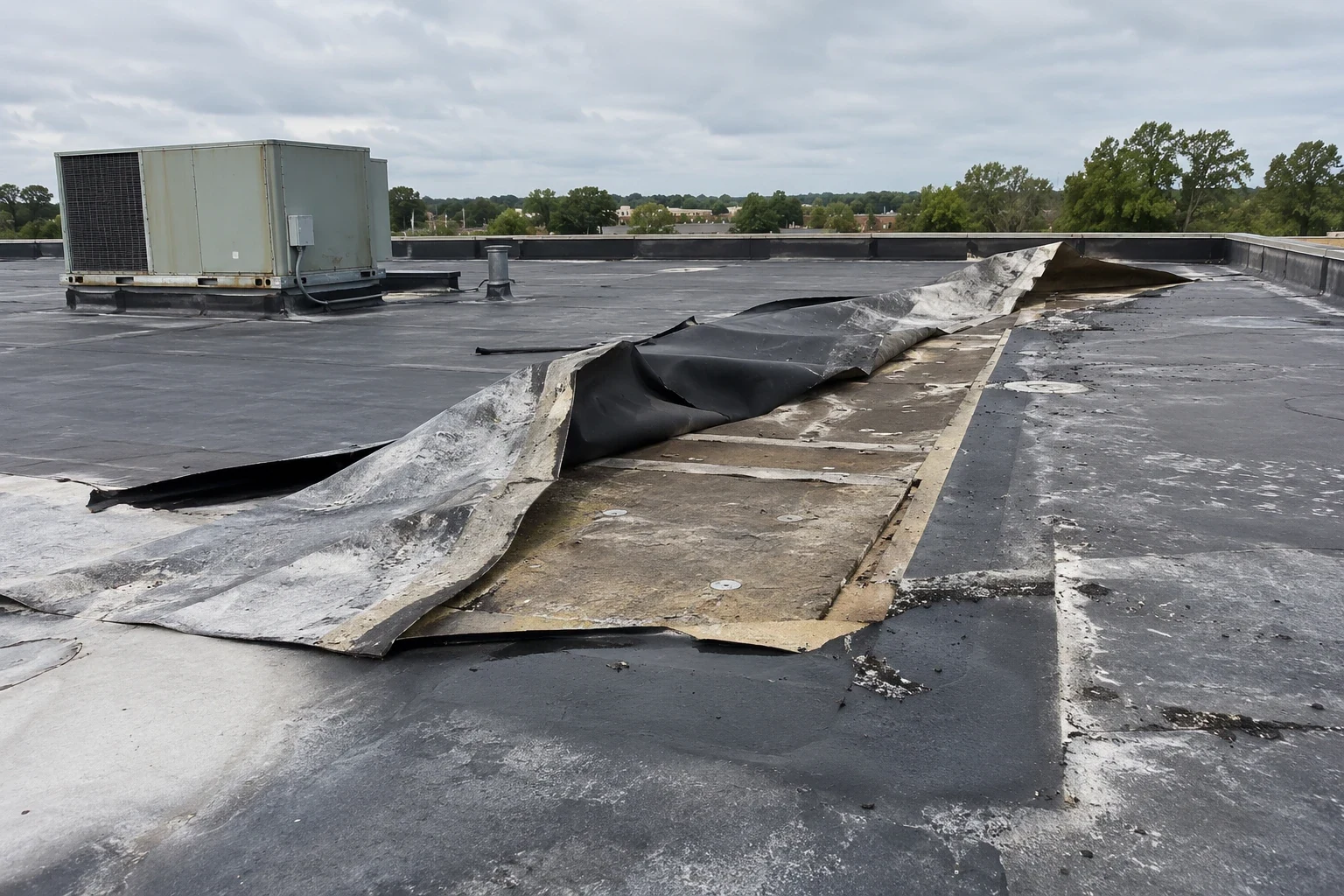
After a storm we walk the perimeter, the drains and every rooftop unit. Lifted edges and corners point to wind damage. Bruises and cracks point to hail. Each find is photographed and sorted from older wear, and the numbered photos let both a carrier and an owner find the same spot.
How to confirm it
We use a moisture scan, a hose test and cores. The scan shows the wet layer, the hose test shows which detail leaks and the cores show the layers. The cores are patched the same day with matching material and a sealed edge. Together they turn a guess into a list. A moisture survey before a repair prevents a second repair at the same spot.
Each item on the list has a location, a cause and a price, and the manager decides what to approve. Urgent items go first. Items that can wait are marked with a date by which they should be done. The written summary goes to the manager, and a copy goes in the building's roof file.
Repair or replace
A few failures over dry insulation are repairs. When the wet zone has spread, the membrane has shrunk or many details are failing, the discussion moves to a recover or replacement. We list what each path keeps, what it removes and what drives the price. Smyrna and Antioch border La Vergne and get the same method, with phases so operations continue.
Commercial Roofing Questions
Why is the wet spot not under the hole?
Water runs along the deck and between insulation layers before it drops. The entry sits uphill of the stain, and we trace it from the stain outward, testing each detail one at a time. Wetting several at once would prove nothing.
Can a warehouse roof be repaired while the building runs?
Yes, in sections. A dock lane stays open when the crew works the opposite side of the building, and the shift supervisor signs the plan first. We cover the floor below, work around shifts and dry in each section before the crew leaves.
How do we tell a roof leak from condensation?
Timing and location tell most of it. A leak follows rain. Condensation follows temperature and humidity and often forms on cold surfaces. A moisture scan and a hose test separate them.
What changes after a plant changes use?
New equipment changes both the roof load and the penetrations. New equipment means new curbs and flashings, and each is checked.
What should we send before the first roof walk?
The roof plan, a note of which stock areas are most sensitive to water and the dates when leaks last appeared.