Commercial Roofing in Donelson, Nashville, TN
One guest room taken out of service is the first sign. A housekeeper reports a damp carpet, a manager checks the ceiling and the room goes on the maintenance list. That one room is the visible end of a failure that began on the roof. We walk it backward to the cause.
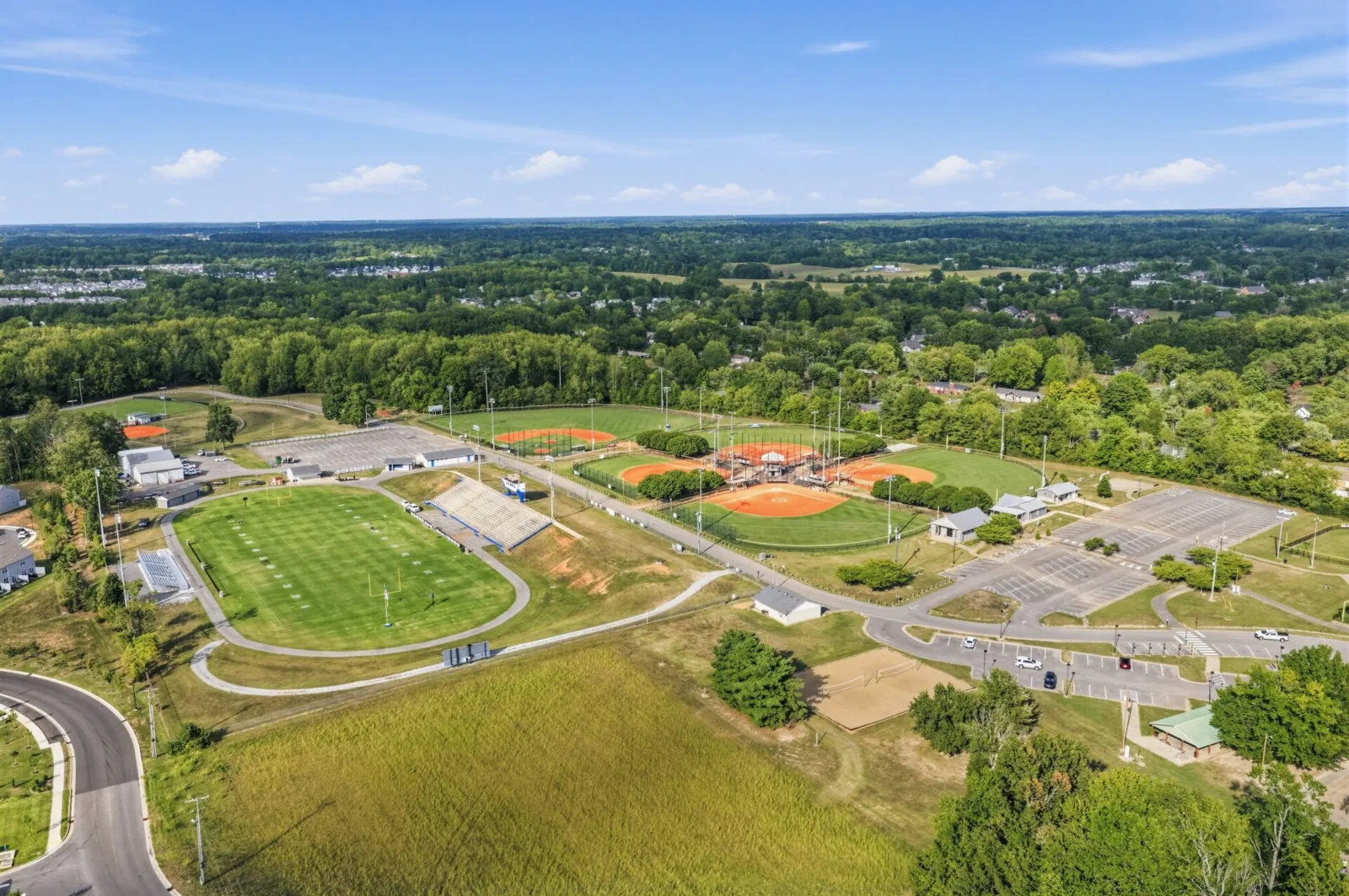
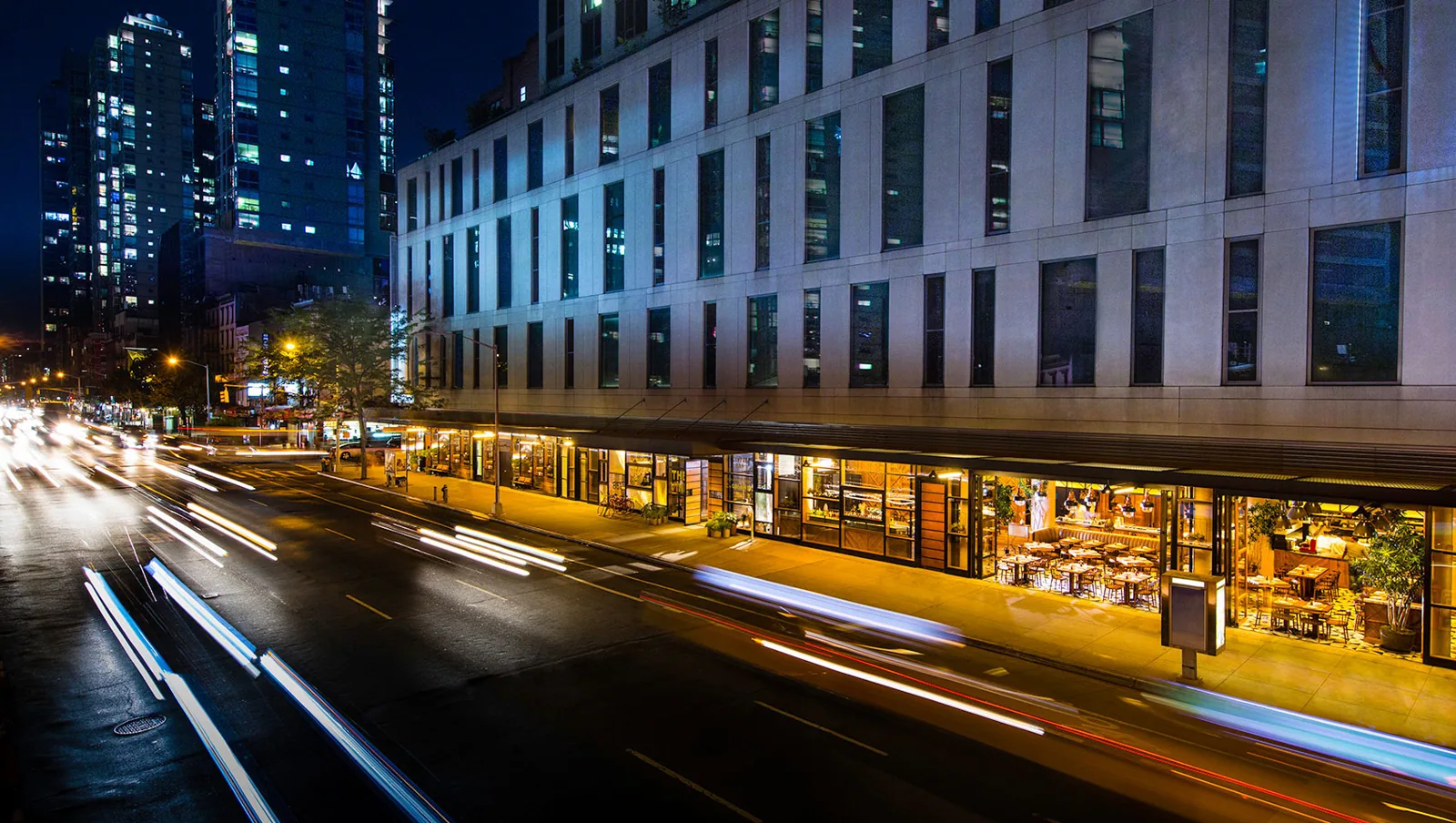
Donelson is a Nashville neighborhood about 6 miles east of downtown along U.S. 70, adjacent to Nashville International Airport, with over 40 hotels and motels serving airport travelers. It also holds Opry Mills and the Grand Ole Opry on the former Opryland USA site, and the national headquarters of HarperCollins Christian Publishers. Hospitality, retail and office roofs share the area, and each fails in a slightly different order. Hotels fail at their rooms first, retail at its seams and curbs, and offices at their rooftop units. Knowing the order lets a manager look in the right place first. A hotel manager checks the top-floor rooms and the corridors. A retail manager checks seams and curbs. An office manager checks the rooftop units and the mechanical room below them.
The first sign
Rooms and corridors give the clearest early signs: a ceiling stain, a sagging tile, a musty smell, peeling paint near an exterior wall. Record the room, the date and the weather. A stain that appears after rain points up. A stain that returns on dry days points to plumbing or condensation.
We find the same spot on the roof plan and mark it. Water often enters at a wall, a drain or a rooftop unit, then travels along the deck. Every detail within a wide radius gets a number and a photograph. A room that stains twice in one season moves up the list, because a second stain can mean the first repair did not reach the cause. The photo trail also shows a revenue manager which rooms are at risk next. It lets the engineering team show an owner, in one folder, what the roof did and when.
What is happening underneath
Under the visible membrane sits insulation, and under that the deck. A small opening lets water into the insulation, which carries it sideways. The wet layer stops insulating and holds water against the membrane from below. Heat turns trapped water into vapor that pushes at seams, and a hard freeze, down to the regional record of minus 22 F, makes the water expand.
Rain adds to the load. Franklin's normals run to about 53.79 inches a year, and the hotels near the airport are on a roof that works through all of it. A leak that starts as a drip over one room can wet insulation over several, so we check the neighbors of every stained room.
Where the water stopped: hotel roofs
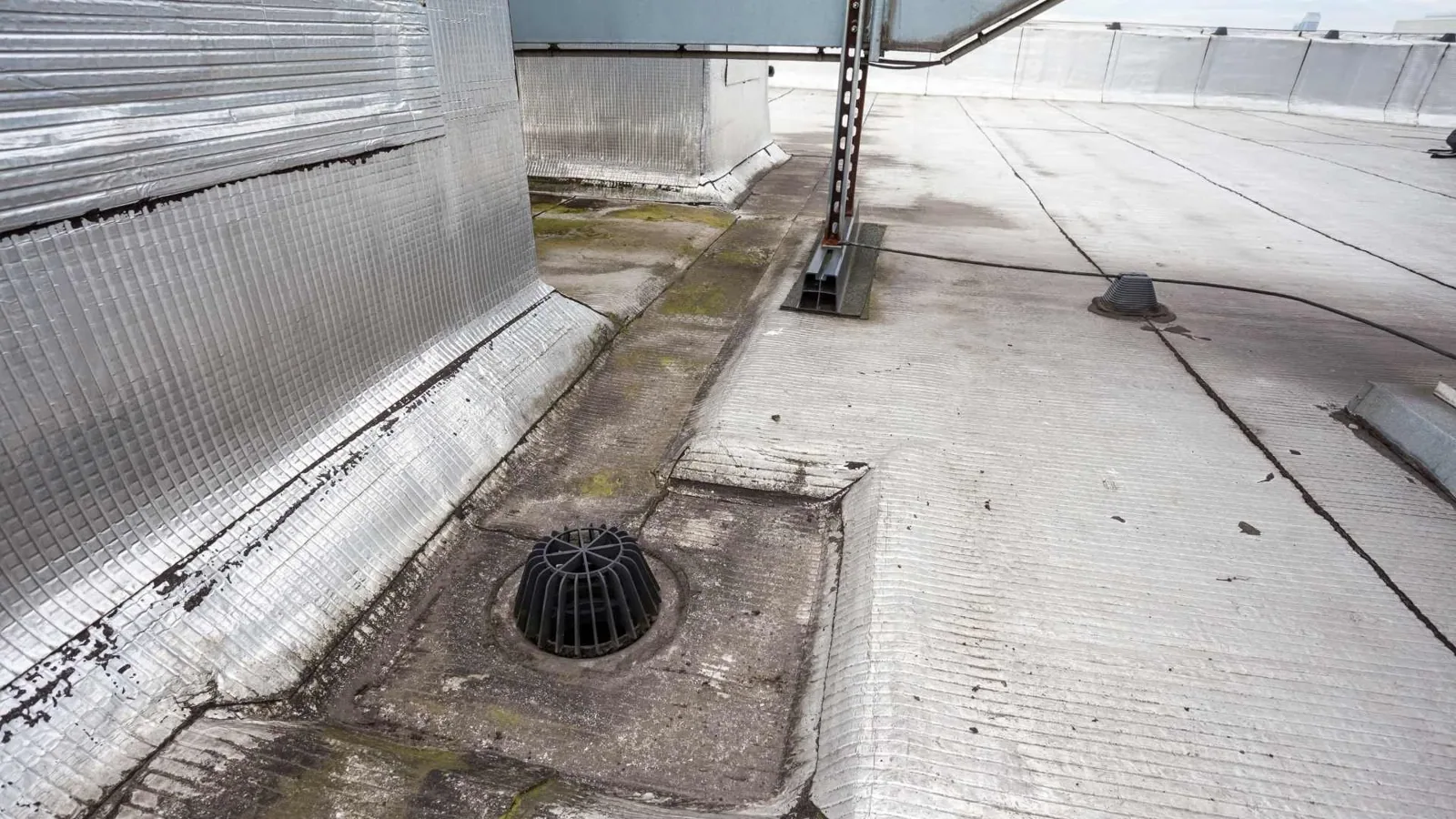
A hotel roof is mostly equipment and drains. Rooftop units, exhaust fans, stair housings and plumbing vents each cut the membrane. Kitchens add grease to the roof near their fans. Laundry vents add heat and lint. Each is a place for a seam to open or a flashing to crack. A seam failure near a vent is probed along its whole length, because the open spot is rarely the only soft spot. Drains matter just as much, and drain and scupper care is the cheapest protection a hotel roof gets.
With over 40 hotels and motels near the airport, a manager responsible for more than one hotel holds several roofs. Hotel roofing works best on a calendar: a walk before summer, one before winter and one after every major storm. A room out of service is lost revenue, so the order of repairs follows the rooms at risk, not the order of the roof plan. A maintenance program puts the walks on the calendar before the stains appear, and an emergency call gets the first-hour protection when a room is already wet.
Retail, entertainment and office roofs
Opry Mills and the Grand Ole Opry sit on the former Opryland USA site, and HarperCollins Christian Publishers has its national headquarters in Donelson. What they show is the range: large retail and entertainment structures, office buildings and hotels all within a few miles of each other.
Large retail roofs have long seams and many penetrations. Office roofs have rooftop units and tenant demands. Entertainment venues have special schedules. For each, the first call is the same: identify the roof system, count the penetrations and mark the drains. Then we match the plan to the building's calendar. Retail roofs avoid holiday trading weeks. Office roofs avoid quarter-end moves. Venues avoid event dates. The schedule shows each of these constraints in writing, and the manager approves it before material is ordered.
Wind and the 2020 tornado
The March 3, 2020 tornado produced EF-3 damage in Donelson's Stanford Estates. That is a residential area, and the event is a reminder of what a strong storm can do in the neighborhood. It also tracked across Davidson County and damaged large warehouses in Mount Juliet, which shows that a single storm can hit very different kinds of buildings.
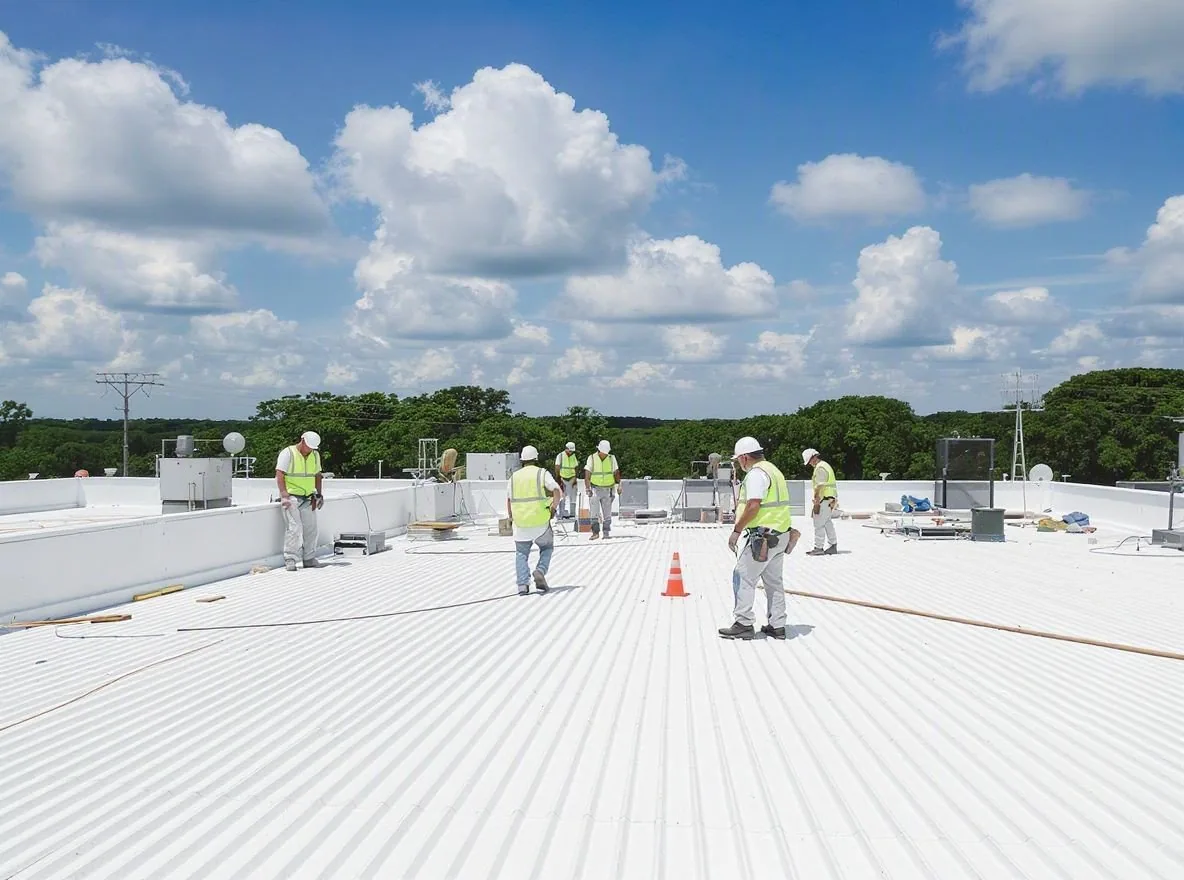
After any high-wind event, we walk the perimeter first: coping, edge metal, flashing and rooftop equipment. Tornado damage adds a check for debris impact and displaced units. We photograph each finding, mark it on the plan with a number and separate storm damage from older wear, so the insurance file is clean. The written summary lists the storm findings, the temporary protection used and the permanent repair with its cost, and the manager sends it to the carrier. Hotels near an airport run around the clock, so a post-storm walk is booked for the quietest hours and the front desk gets the list of rooms below any open section before the crew goes up.
Repair or replace
Local failures over dry insulation are repairs. A wet layer that has spread, a shrunk membrane or repeated failure at the same details points toward a recover or replacement. For a hotel we plan around occupancy: sections, protected rooms below and a roof closed every day. The airport area and downtown Nashville follow the same plan. Cost is shown as separate lines for roof area, wet insulation, penetrations, access and interior protection, and the manager approves the first phase and budgets the rest.
Commercial Roofing Questions
What is the first sign of a roof leak in a hotel?
A damp carpet, a stained tile or a musty smell near an exterior wall. Record the room and date, then check the roof above it.
Can a hotel roof be repaired while rooms are occupied?
Yes, with a plan. Guests are not asked to change rooms for roof work unless a room is wet. Noisy work moves to agreed hours, rooms below the active section are protected and each section is dried in before the crew leaves.
How do we separate storm damage from wear for a claim?
By marks. Fresh tears and displaced material read as storm, while rust and dried sealant read as wear. Each finding is photographed and sorted.
Why check the roof after a storm if nothing leaks?
Because damage can wait. A lifted edge or a cracked flashing may show up as a leak weeks later. An early walk finds it when the repair is small.
What helps most before the first roof walk?
The roof plan, the rooms that have stained before and the dates of earlier repairs. Photos of the stains and the names of the engineering staff who know the roof help too.