Commercial Roofing in Berry's Chapel and Hillsboro Road, Franklin, TN
A ceiling stain after a hard rain on a small commercial building raises one question before any other: did the water come from above or from the ground? In the Berry's Chapel area of Franklin, TN, which covers about 3,534 acres in the north-central part of the city, commercial and institutional pockets sit along Franklin Road and Hillsboro Road, and Hillsboro Road is a four-lane divided gateway to Nashville that bisects the western part of the area. Owners along that road have seen water do unexpected things, and the roof is the first place to rule in or out.
We trace the stain backward step by step, and we do not stop at the roof until we know where the water stopped.
Roof leak or ground water
On May 1, 2010 the Harpeth River crested about 33 feet above flood stage, and small businesses along Hillsboro Road were among those most affected. That history teaches property managers to ask a careful question after any heavy rain. Is the damp ceiling a roof leak, or is moisture coming up from a lower level or in through a wall?
The check is simple. Stains on ceilings that line up with roof seams, drains or equipment are roof leaks. Dampness that starts low on a wall and wicks up is a ground-water problem and needs a different trade. We walk both, and we say which one we see, so that nobody pays for a roof repair that cannot fix the wall.
Ground-level equipment is the other place the two stories mix. Air conditioning condensate lines, downspouts that discharge at a wall and roof drains tied into the same pipe can all put water at the base of a building. We follow each line to its end, because a downspout that stops at a foundation wall looks like a roof leak from the inside.
Small commercial roofs fail differently
A small commercial building has a small roof, often with a handful of penetrations and one or two drains. A single clogged drain can hold most of the roof's water, and one failed flashing can account for most of the leaking. The failure sequence is short, which makes it faster to trace and faster to repair.
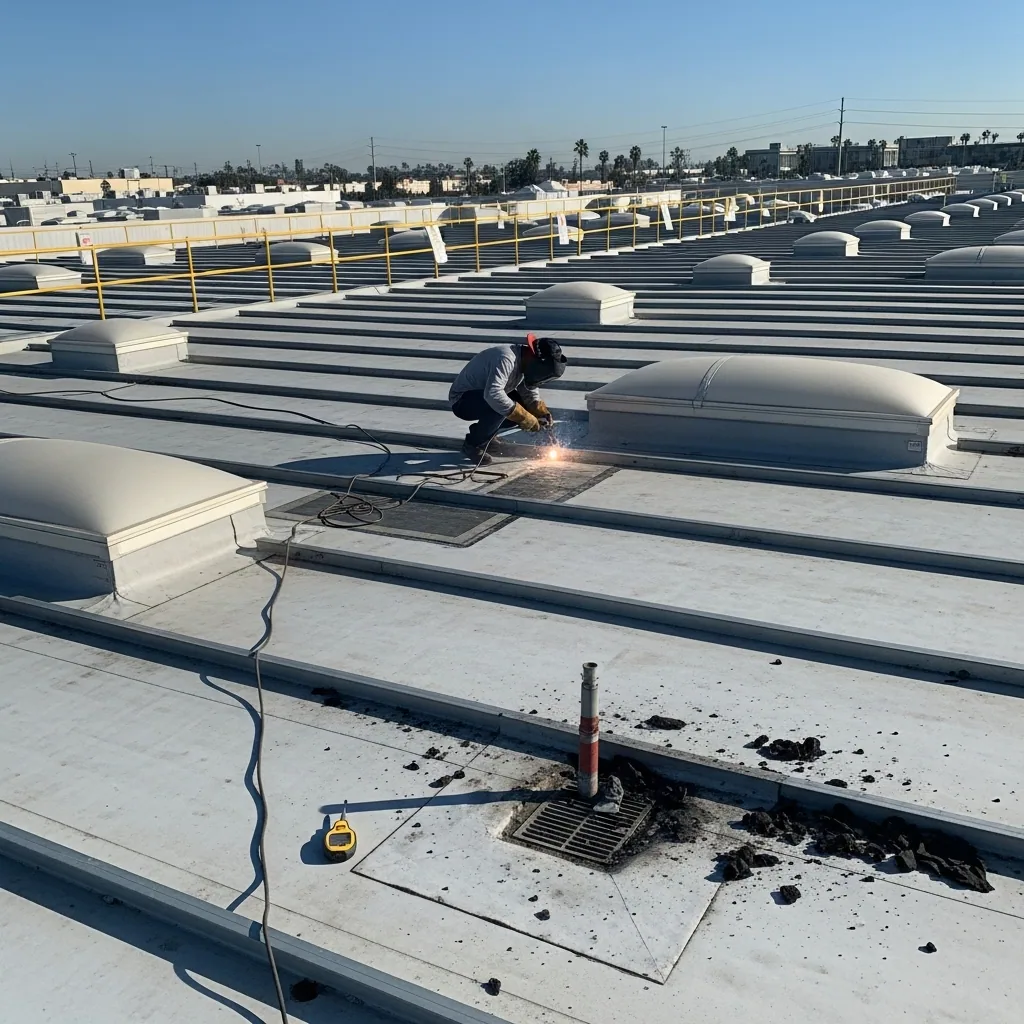
We begin with the drain, then the nearest penetration, then the wall flashing. We lift the strainer, photograph the sump and measure how long water stays on the roof after rain. Each step gets its own photograph, so the owner sees the sequence as we saw it. For a building like this, a leak repair is often a morning's work once the cause is known.
Roof access on a small building is usually a ladder or a hatch, and the layout is simple enough that we can often mark every finding on a one-page plan. That plan goes into the owner's file with the photographs. When a second visit is needed, the first plan tells the crew where to start and what to bring.
Penetrations get special attention. A small roof with a vent stack, an exhaust fan and a rooftop unit has three places where the membrane is cut, and each is a place where sealant can fail. We check them in order and record the condition of each, so the pattern across visits is easy to read.
Institutional and recreation roofs
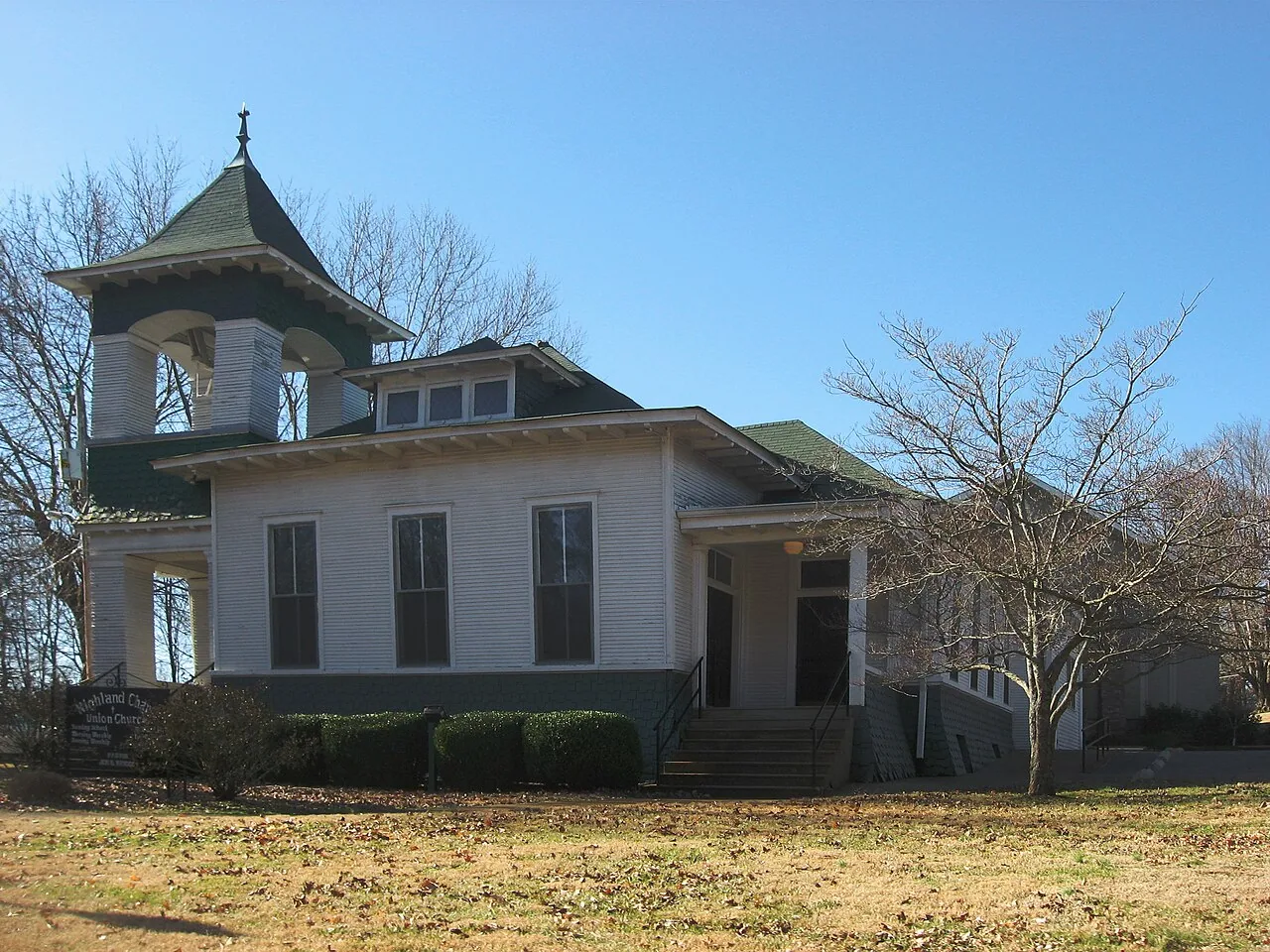
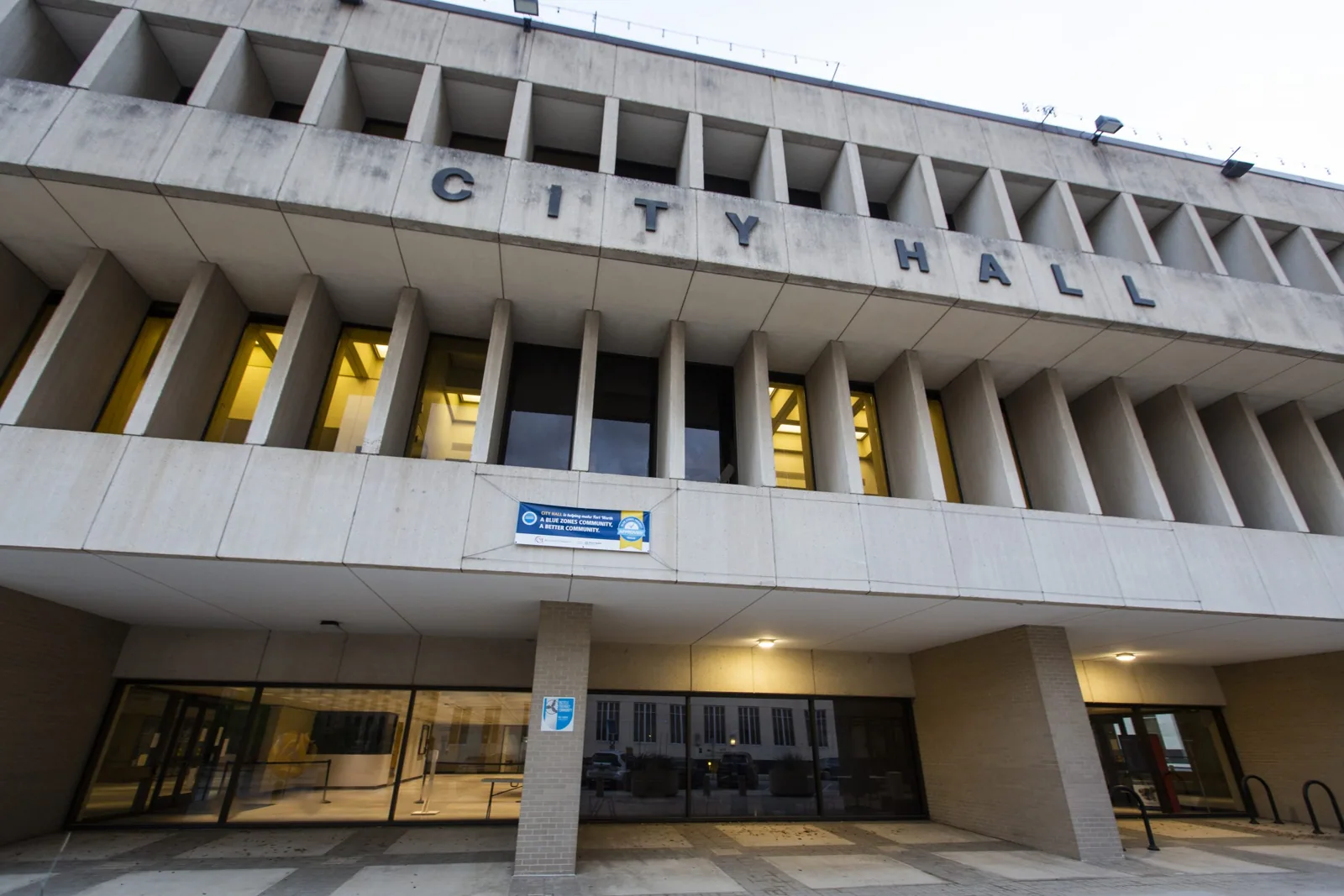
The same area holds institutional pockets such as Gateway Village and the Williamson County Recreation Center. Roofs on public and institutional buildings can carry larger spans, more rooftop equipment and tighter schedules. A leak over an activity floor or a meeting room cannot wait for the next budget cycle.
For those buildings we plan work around the calendar of the building, not the other way around. We schedule roof access outside programming hours, protect the interior below the work and close the roof at the end of each shift. The government building roofing approach, with a closeout file that a later facility manager can follow, applies equally here.
Large spans change the access plan. A crew may need a lift or a crane to reach the roof, and the staging area has to avoid parking lots in use. We confirm the route, the hoisting window and the safety zone with the facility lead before material arrives. When the building hosts public events, we tell the staff which sections of the roof will be open on which days.
Rain, heat and the pattern
Annual precipitation in Franklin runs near 53.79 inches, July highs average about 90.8 degrees, and the record low is minus 22. Heavy rain finds low spots, heat stiffens seams, and a hard freeze pulls at flashings. The pattern repeats each year, and a roof walk each spring shows which details have moved.
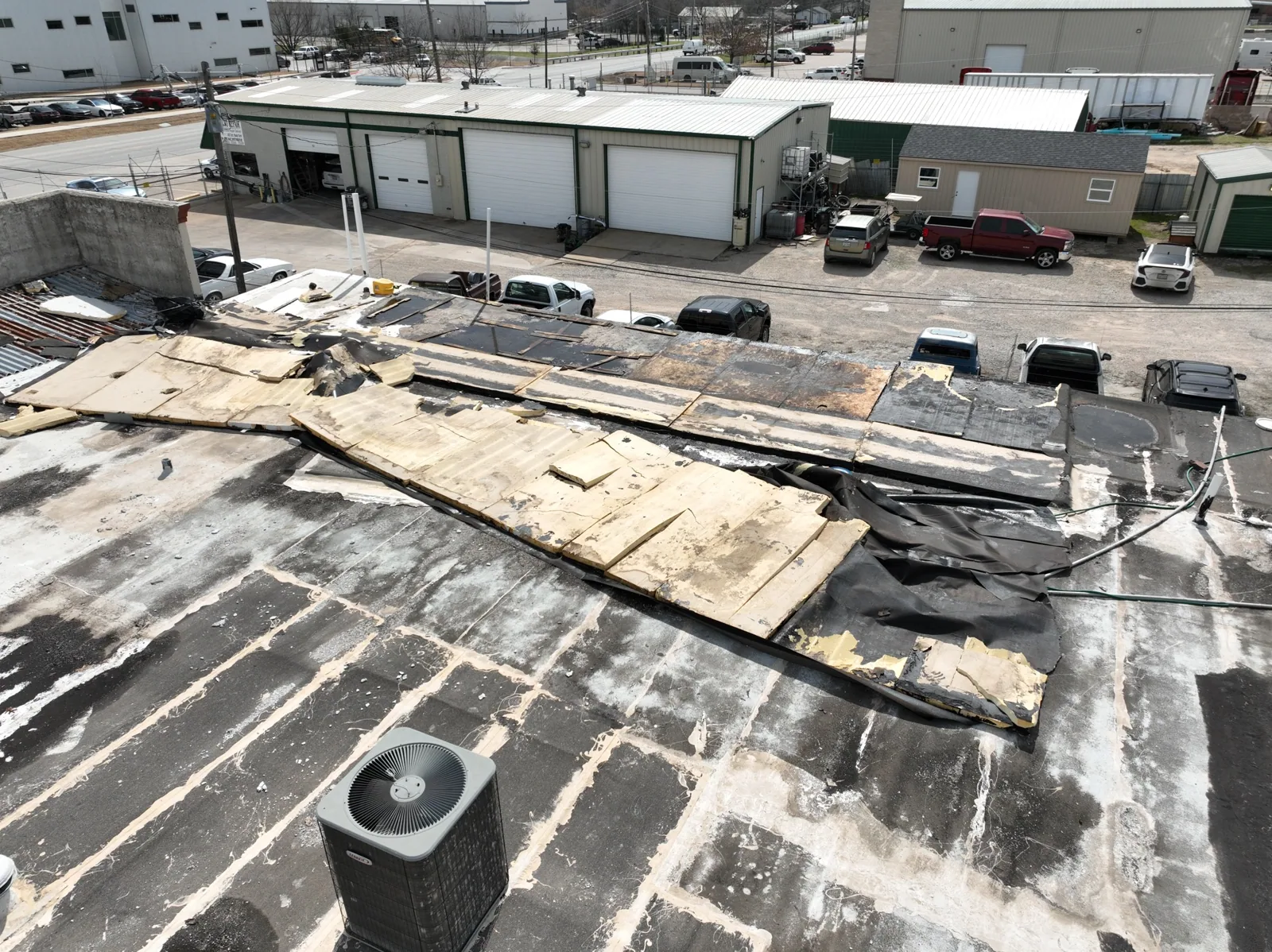
The August 12, 2023 EF0 tornado near Highway 96 in Franklin is a reminder that storm lines can bring wind with little warning. After such an event we check edge metal and coping first. Damage reports belong in a storm damage repair record, with dated photographs, as soon as the damage is found.
Spring is the best time for the main walk, because winter and early rain have already shown which details moved. A second, shorter visit in late fall clears drains and reseals what summer heat loosened. Together the two visits give the owner a dated trail of photographs, and the trail shows trends that one visit cannot.
Repair, recover or replace
The scope follows what is wet. A dry roof with a local failure gets a repair. A dry roof with a worn sheet may take a recover. A roof with wet insulation across a section needs a larger plan. An infrared moisture survey separates the cases without cutting the roof apart.
Cost follows scope. A small repair is a matter of labor and materials, and a replacement adds tear-off, disposal and insulation the code requires. Tennessee's August 17, 2025 move to the 2021 international editions sets the baseline, and the building department confirms what applies to a given project. Neighbors in historic downtown Franklin and Brentwood follow the same steps.
What the owner keeps
Every visit ends with a short written summary. It lists the findings in order of urgency, the cause for each and the repair we recommend. It includes the photographs with dates and a sketch of the roof showing where each finding sits.
For a building on Franklin Road or Hillsboro Road, that summary also records the drainage notes: where the roof drains discharge, which outlets were clear on the day and whether any downspout ended at a wall. If a storm or a flood affects the property later, the summary shows what the roof looked like before.
Owners can forward the summary to a lender, a landlord or an insurer without explanation. When another contractor is asked to price the work, the same document lets them bid the same items.
Commercial Roofing Questions
How can I tell whether water came from the roof?
Follow the stain. Stains that line up with drains, seams or equipment point to the roof. Dampness that starts low on a wall points to ground water.
Can a small roof be repaired the same day?
Often, once the cause is found. A drain, a flashing or a seam can usually be corrected in one visit, weather permitting.
Do you work around programs and events?
Yes. We schedule access outside programming hours and keep the work zone away from entrances.
What if the flood affected my building's drains?
We check where roof drains discharge and whether the storm line takes the flow. A blocked outlet is a drainage repair, not a roof repair.
What will I receive after the visit?
A short written summary with dated photographs, the cause we found and a recommended next step.