Government Building Roofing in Franklin, TN
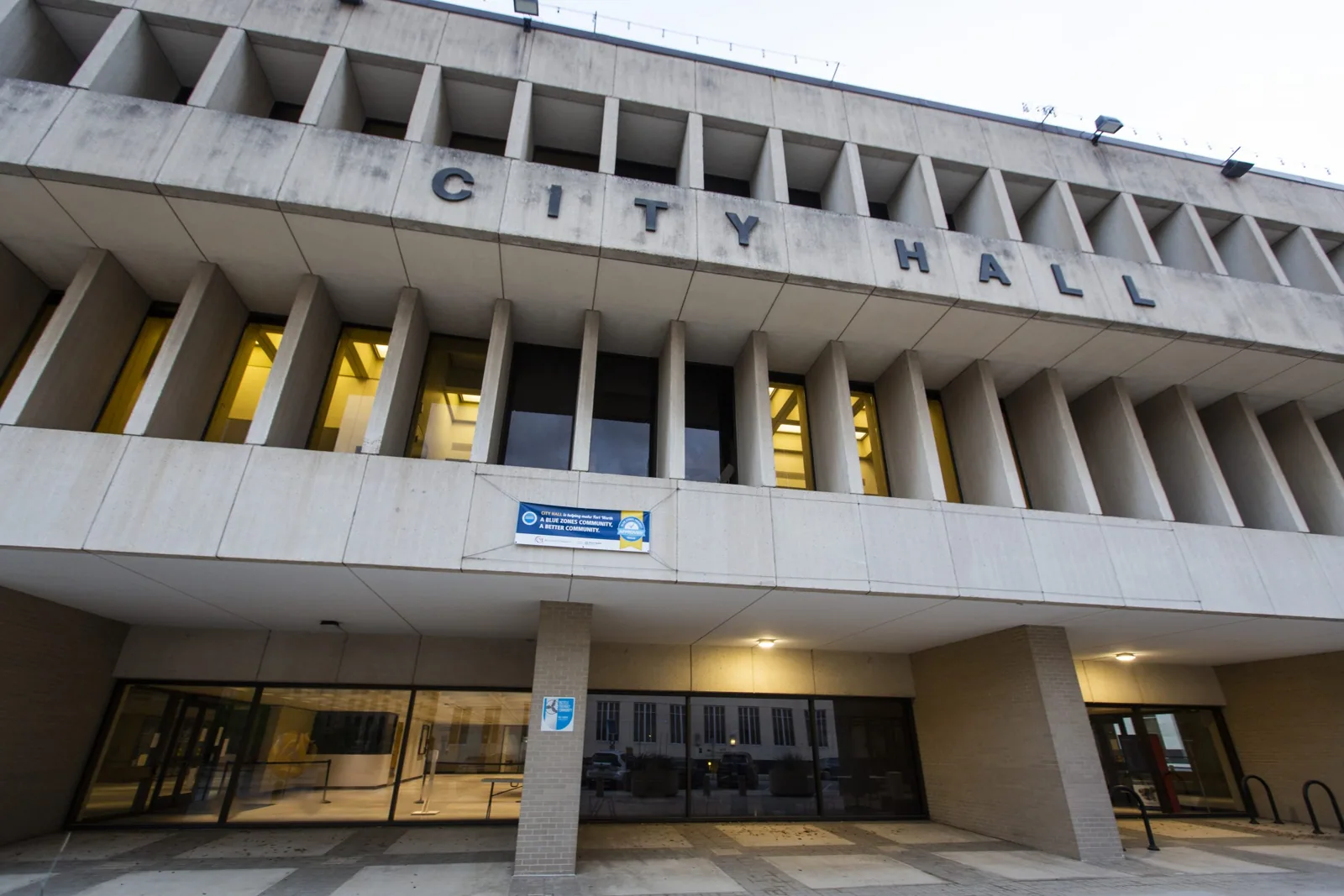
A bucket under a ceiling tile in a records room is the first sign, and in a public building it comes with a paper trail attached. The stain shows only where the water landed. The work is to trace it back through the deck and the membrane to the opening, then write down what was found so a board, a council or a facilities committee can act on it. Government buildings in Franklin, TN have to justify roof spending in public, which makes a clear failure sequence more valuable than anywhere else. A scope that shows the cause, the evidence and the options is a scope that can be approved.
The first sign in a public building
Clerks, front-desk staff and custodians see the ceiling every day, and a brown ring or a wet floor can be reported fast. The challenge is turning the report into a trace. We ask when the water appeared, whether it followed rain, wind or a thaw and where in the room it shows. Those answers narrow the search on the roof.
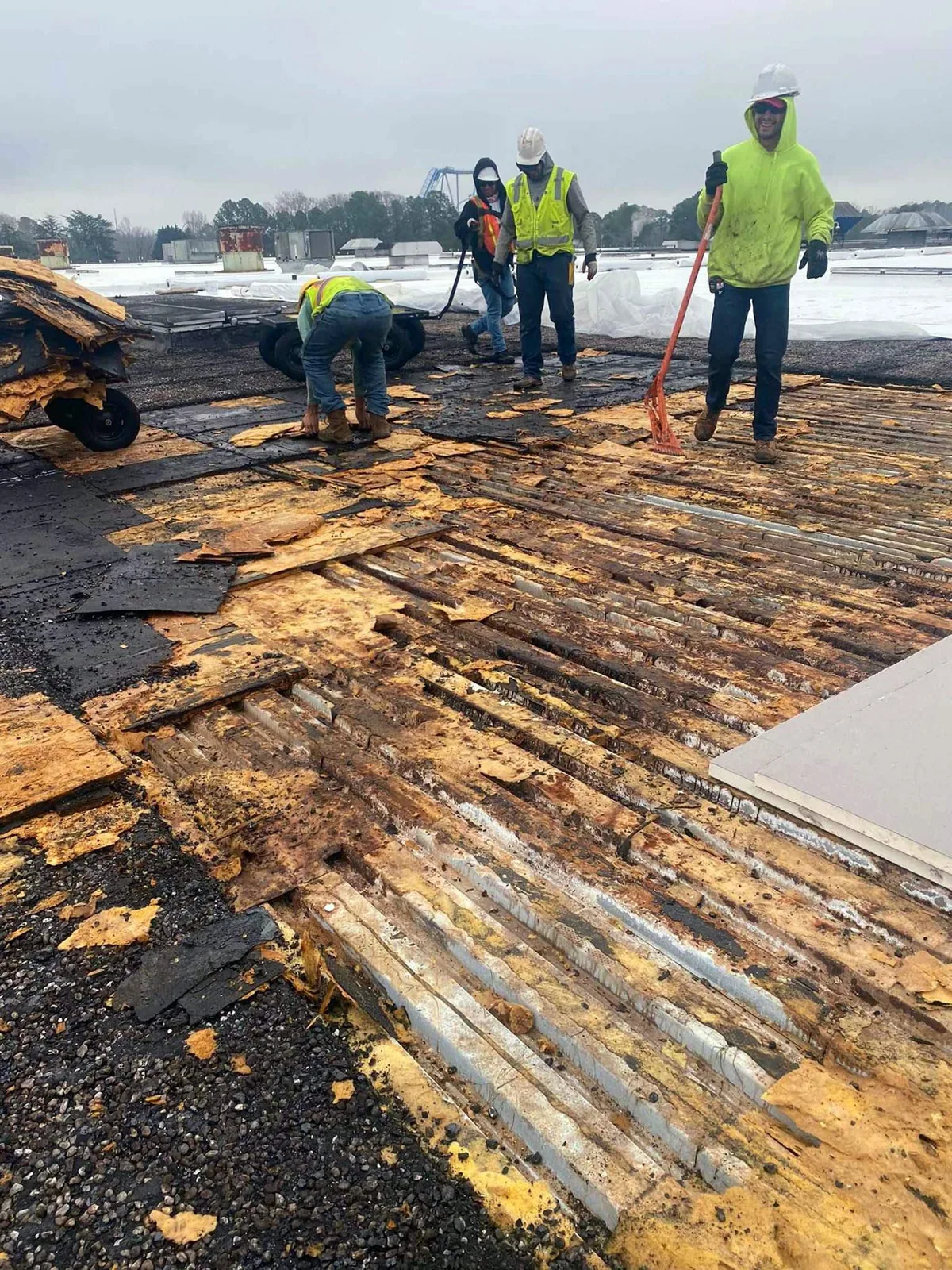
The room goes on a roof plan, and the search fans out from the matching spot on the roof across drains, penetrations, seams and wall joints. A scan outlines the wet layer, and core cuts verify it. The photo trail that results is a record any reviewer can follow.
Custodial and maintenance staff are the best early-warning system a building has. A short log kept at the facilities desk, with the date, the room and the weather, turns scattered reports into a pattern. When three stains line up along one wall after the same kind of rain, the roof walk knows where to start. We ask for that log before the first visit.
Heat, rain and the slow failure
A Franklin roof lives through roughly 54 inches of rain a year and temperatures that have gone from a 108 F high to a minus 22 F low, and it moves with every one of those swings. Seams stiffen in the heat, tear a little in the cold and open a hairline that a heavy rain can use.
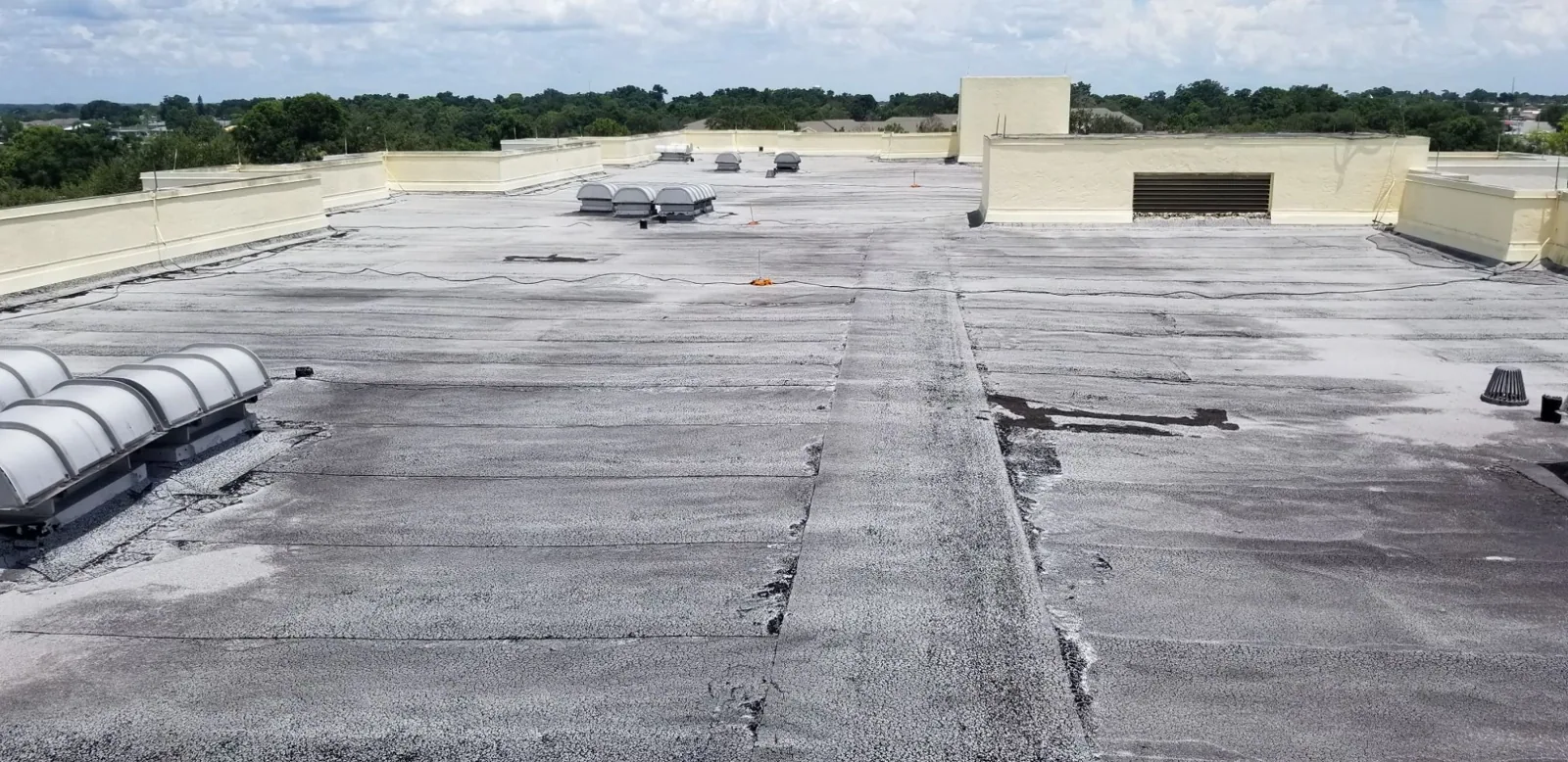
The pattern runs heat movement, then a hairline, then a wet layer, then a stain on the ceiling. The cheapest point to break it is early, at the seam or the flashing, before the insulation has taken on water. A twice-yearly roof walk catches the hairline while it is still a maintenance item. Once the insulation is wet, the repair grows, and so does the line in the budget.
Drains deserve a check on every visit. A strainer packed with leaves holds water on the roof for a day or more, and that standing water is what finds the stiffened seam. Clearing the strainers and photographing the water line afterward costs little and belongs in the record.
Storm lines and flood context
Tornado risk in Dixie Alley reaches Brentwood, and Franklin saw an EF0 in August 2023 with estimated winds of 75 mph near Highway 96; the same system toppled trees near Fairview. Public buildings need to reopen quickly after a storm, so edge damage and blown-off equipment covers matter.
The flood of early May 2010 is a reminder about water paths: the Harpeth climbed to 35.32 feet downtown, and county-wide roughly 1,500 residential and commercial structures took damage. A roof is not a flood problem, but drainage planning, basement equipment and the speed of recovery all draw on the same thinking. Our emergency roof repair response records each step for the insurer.
Codes and approvals
No Tennessee city has to adopt a building code, but those that do can adopt the international codes by reference, in any edition up to seven years older than the latest. Since August 17, 2025 the state itself has used the 2021 editions of most international codes, the Building, Fire and Existing Building codes among them, and cities may go newer or stricter.
That leaves a practical question for every project: which edition applies here? The city's building office answers it before the scope is priced, and the answer goes into the file with the date and the person's name. Insulation level, wind uplift and fire rating all hinge on it.
Planning around public hours
Public buildings have counters, courtrooms and meeting rooms that cannot close for long. We plan work in sections and schedule noisy tasks outside hours when possible. The facilities contact approves the plan and receives a daily summary. Interior protection goes up first, and electronics and records are covered.
Where the building is in the historic core, the 16-block National Register district, staging and noise windows should be agreed with the city. Larger projects are sequenced the way an occupied building reroofing job is, with a daily dry-in log.
Security and access are part of the plan. Courthouses, police facilities and offices with secure areas may require badges or escorts for roof crews, and equipment on the roof may serve rooms that must stay cool. We collect those rules at the walk, list them in the work order and agree who holds the roof key.
Repair or replace, with the evidence
A repair is right when the failure is local and the roof around it is sound. Replacement is right when repairs recur in new places, when moisture has spread through the insulation or when the membrane has aged past repair. We lay out the choice with scan images, core photographs and a count of repairs by year.
The written summary can go straight into a budget request. It lists the findings, the options, the cost drivers and the risks of waiting. A board can compare a commercial roof repair with a replacement using the same facts, which is how a public decision should be made.
Cost follows a short list of drivers: roof area, access, the number of phases, interior protection, the condition of the deck and the membrane chosen. We name each driver in the summary so the board sees why one scope costs more than another, and so the number can be defended line by line.
Municipal and county buildings across the area
Williamson County, with a 2020 census population of 247,726, spans Franklin, Brentwood, Nolensville and Spring Hill. A facilities manager with sites in several of those places can use one inspection format and compare roofs side by side. The file lists age, condition, repairs and next steps for each, so the capital plan ranks them on evidence.
A school or a National Guard armory under the same owner follows the same method, and the budget summary reads the way it does for any public agency that manages them together.
Commercial Roofing Questions
Can you work with our procurement rules?
Yes. The written scope, photographs and cost drivers can be formatted for whatever your procurement process requires, while the bidding method stays with your agency.
What if the leak is in a records or server room?
Phone as soon as it is found. The area is dried in first, the source is traced after, and interior protection goes up before the roof is opened.
How do we know which code edition applies?
Confirm it with the city's building office for each project. We record the answer, the date and the person who gave it.
Can repairs be phased across budget years?
A rated inspection shows which areas are urgent and which can wait, so the work can follow the budget year by year.
Do you provide documentation for audits?
The file holds the roof plan, dated photographs, test results and work orders, and an auditor can follow it from finding to repair.