Commercial Roofing in College Grove, TN
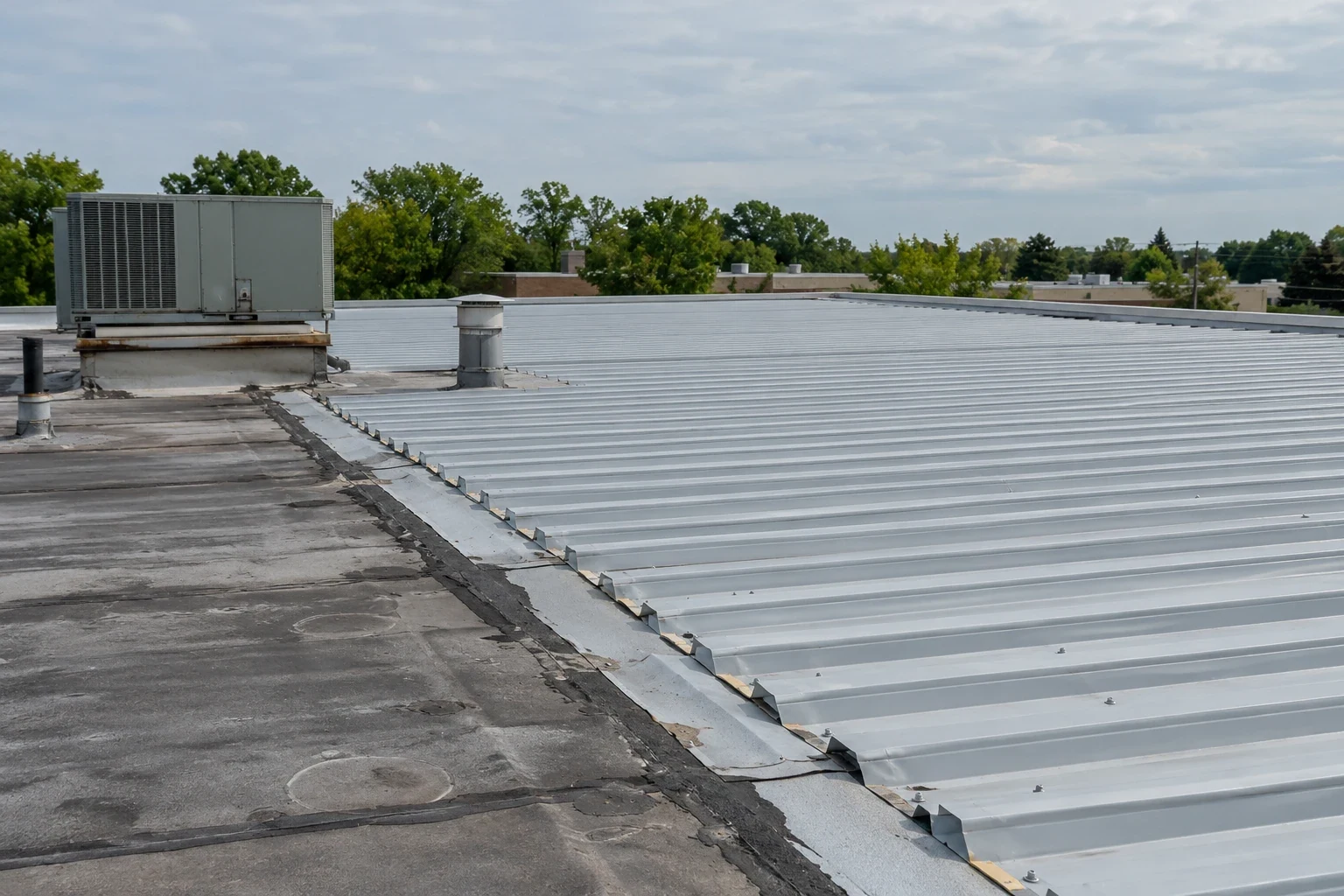
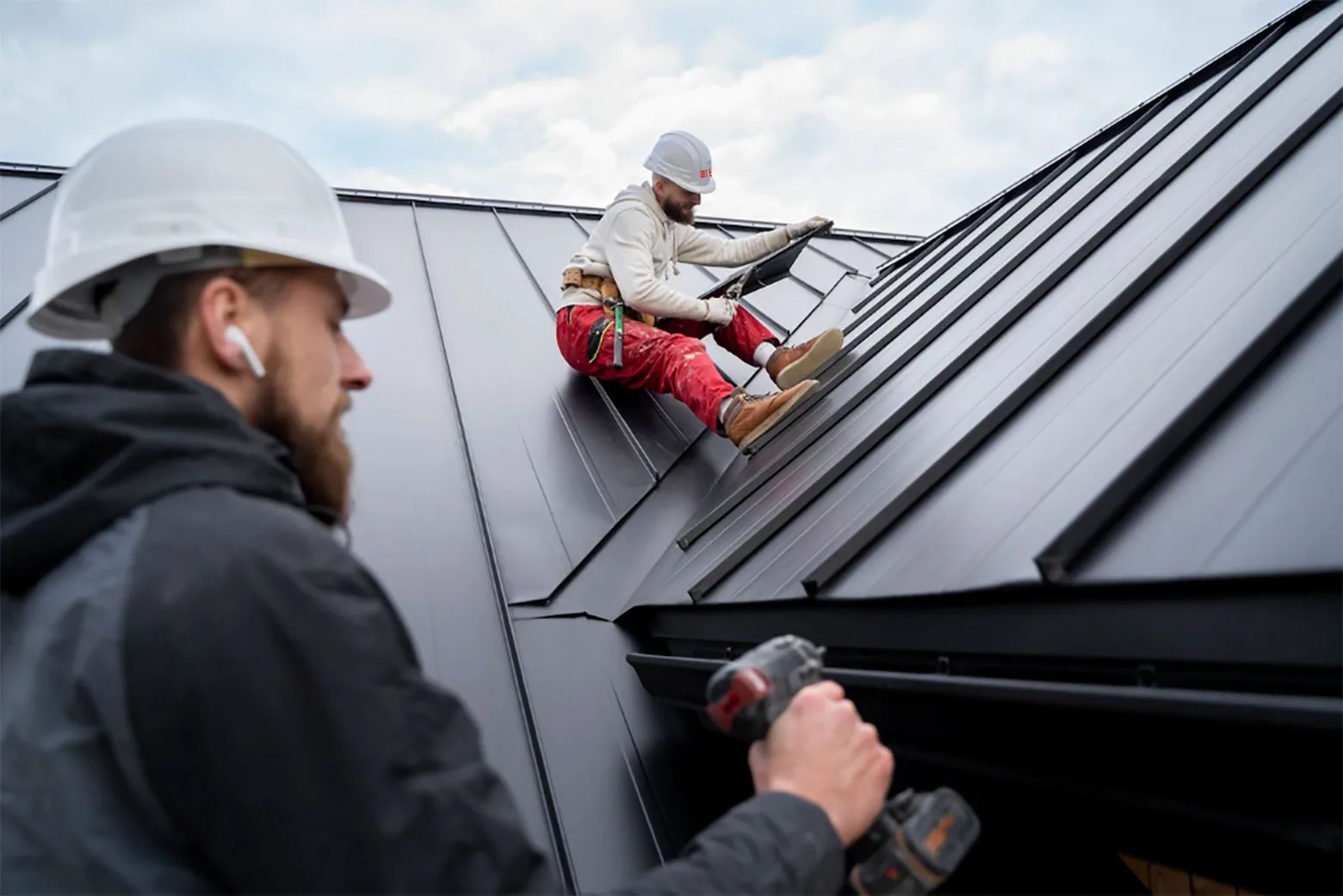
A thin rust-colored streak running down a roof panel from a single fastener is the first sign. It looks like a cosmetic mark. On a metal roof in College Grove, TN, that streak usually means the fastener has backed out a little, the washer under its head has stopped sealing and water is running into the hole. College Grove is a predominantly rural unincorporated community in Williamson County near Franklin and Murfreesboro, and its commercial and rural structures carry roofs of several kinds. Where a roof is metal, the fastener is the first place to look.
We walk the streak backward to the fastener and then outward to its neighbors.
The streak below one fastener
A fastener holds a panel to the framing. A rubber or neoprene washer under its head seals the hole. Over years of sun, the washer hardens and cracks, and the fastener loosens as the metal moves. Water then follows the shank into the building, and the first visible evidence is often a rust streak or a faint stain on the underside of the panel.
We photograph the streak, check the fastener with a driver to see whether it is loose and mark its position on the plan. Then we check the row: fasteners on a panel tend to fail in groups, because they have all seen the same sun and the same movement.
Interior evidence supports the finding. A line of small stains on the underside of the decking or insulation, spaced like the fasteners above, confirms the pattern. A drip into a pan under a purlin points to a single fastener. We photograph each from below and mark it on the plan, because the underside tells which fasteners are leaking now and which are only rusting.
Why fasteners back out
Metal expands in the heat and shrinks in the cold. Franklin's mean July high sits near 91 degrees, its record high is 108 degrees and its record low is minus 22 degrees, so a panel in this part of Tennessee covers a wide range every year. Each cycle moves the panel a little against its fasteners. Over time the fastener loosens, the washer wears and the hole widens.
This is a slow failure with a clear pattern. The most worn fasteners are at the ends of panels and along the exposed side. We check those first, tighten or replace them with oversized fasteners and reseal where needed, and we photograph each. The record shows which areas move most, which guides the next visit.
Sealant at laps and ridge caps follows the same logic. It hardens, shrinks and splits as the metal moves. A bead that has pulled away from one side of the lap is a gap, and the gap lets wind-driven rain in. We scrape out loose sealant, clean the surface and reseal with a compatible product, and we photograph the bead before and after.
Distance, access and U.S. 31A
College Grove sits at an elevation of about 732 feet, with ZIP code 37046, and U.S. Route 31A runs through the area past several listed historic sites. A rural location changes the logistics of a roof job. Trips are longer, so a first visit has to bring what the second would need. Materials are staged, and the crew carries extra fasteners, sealant and a ladder that reaches.
We plan the route, the staging and the hours at the first call, and we ask for a clear description of the building and the leak so the right tools arrive. When an emergency call comes in, the first visit stops the water and photographs the cause. The permanent repair is scheduled after.
Weather windows matter more when trips are long. A forecast of rain by afternoon means we start early, work in small sections and close each one before leaving. The plan states the dry-in point for each day, so the building is covered even if the crew cannot return the next morning.
A historic bank and its neighbors
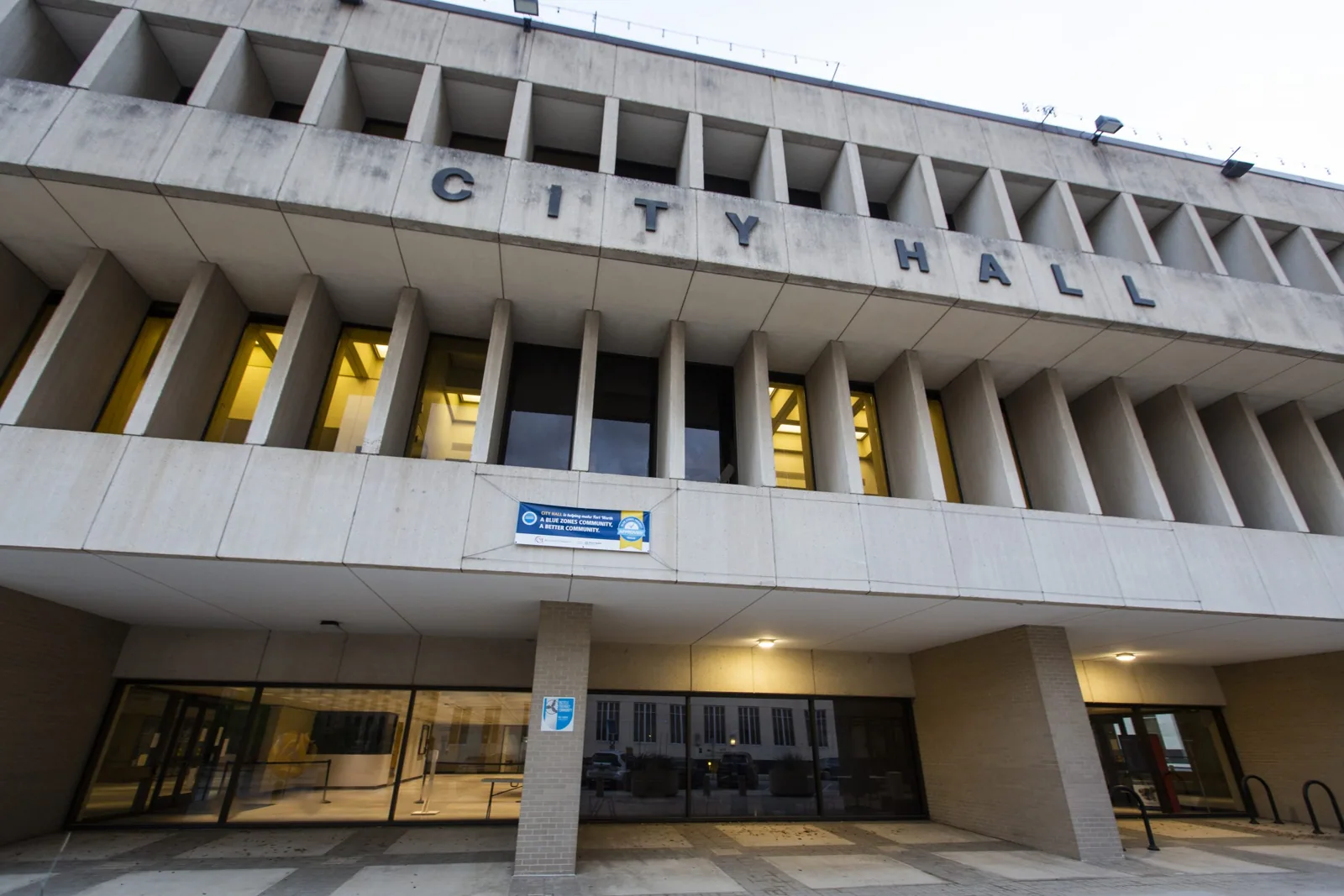
The former Bank of College Grove is a National Register building that still houses a banking institution. Buildings that serve the public and hold valuable records call for a different kind of roof plan. Work hours must fit the institution's schedule, access to the roof must be controlled and any water entry must be stopped before it reaches interior spaces.
For a building like that, we mark each section on the plan, rate its condition and agree on a response plan before a leak happens. The plan names who to call, how to reach the roof and what protective cover is kept ready. The same approach suits any government building roofing or small commercial property where continuity matters.
Security is part of the plan. A building that holds money or records may restrict who can enter and when, so the crew list, the vehicle list and the roof access method are shared in advance. We follow the institution's rules, and the work order records each entry and exit.
How to confirm it
The confirmation sequence is short:
- Photograph the streak and mark it on the plan.
- Test each fastener in the row for looseness.
- Check laps, ridge caps and flashing for open seams.
- Look inside, at the underside of the panel and the insulation, for stains and rust.
If the fasteners are loose and the laps are tight, the repair is fasteners and sealant. If the laps are open as well, the repair widens. If the panels are heavily corroded, the roof may be past repair.
We then recheck after the first rain. If the streak has stopped extending and the underside is dry, the repair worked. If water still enters, we look at the next suspect, such as a lap or a ridge cap. The photo trail shows each step.
Repair, retrofit and what it costs
A fastener repair is inexpensive per fastener and adds up across a roof. If the panels are sound but tired, a metal roof retrofit or a coating may extend service. If the panels are corroded or the system is at the end of its life, replacement with standing seam metal roofing removes exposed fasteners from the roof surface.
Cost follows the area, the access, the number of fasteners, the condition of the panels and the system chosen. We list the drivers in writing. A regular preventive roof maintenance visit tightens and reseals before water gets in. Owners with sites in Triune or Thompson's Station use the same steps.
The close-out file lists every fastener replaced, every bead resealed and every photograph, with section numbers that match the roof plan. A manager who opens it next year knows what was done, where it was done and what to watch.
Commercial Roofing Questions
Does a rust streak always mean a bad fastener?
Usually it points to one. The fastener is tested, and its neighbors are checked, since they often fail together.
Can loose fasteners just be tightened?
Sometimes. If the hole has widened or the washer has cracked, the fastener is replaced with a larger one and resealed.
How often should a metal roof be checked?
Once a year is common, with a second look after a hot summer or a hard freeze.
Do you travel to rural sites?
We do. The first call covers the route, staging and tools so the visit does its job.
Is emergency response available?
At every hour, rural sites included. The crew arrives with covers and fasteners for a temporary seal, and the permanent plan follows.