Commercial Roofing on Mallory Lane and Royal Oaks Boulevard, Franklin, TN
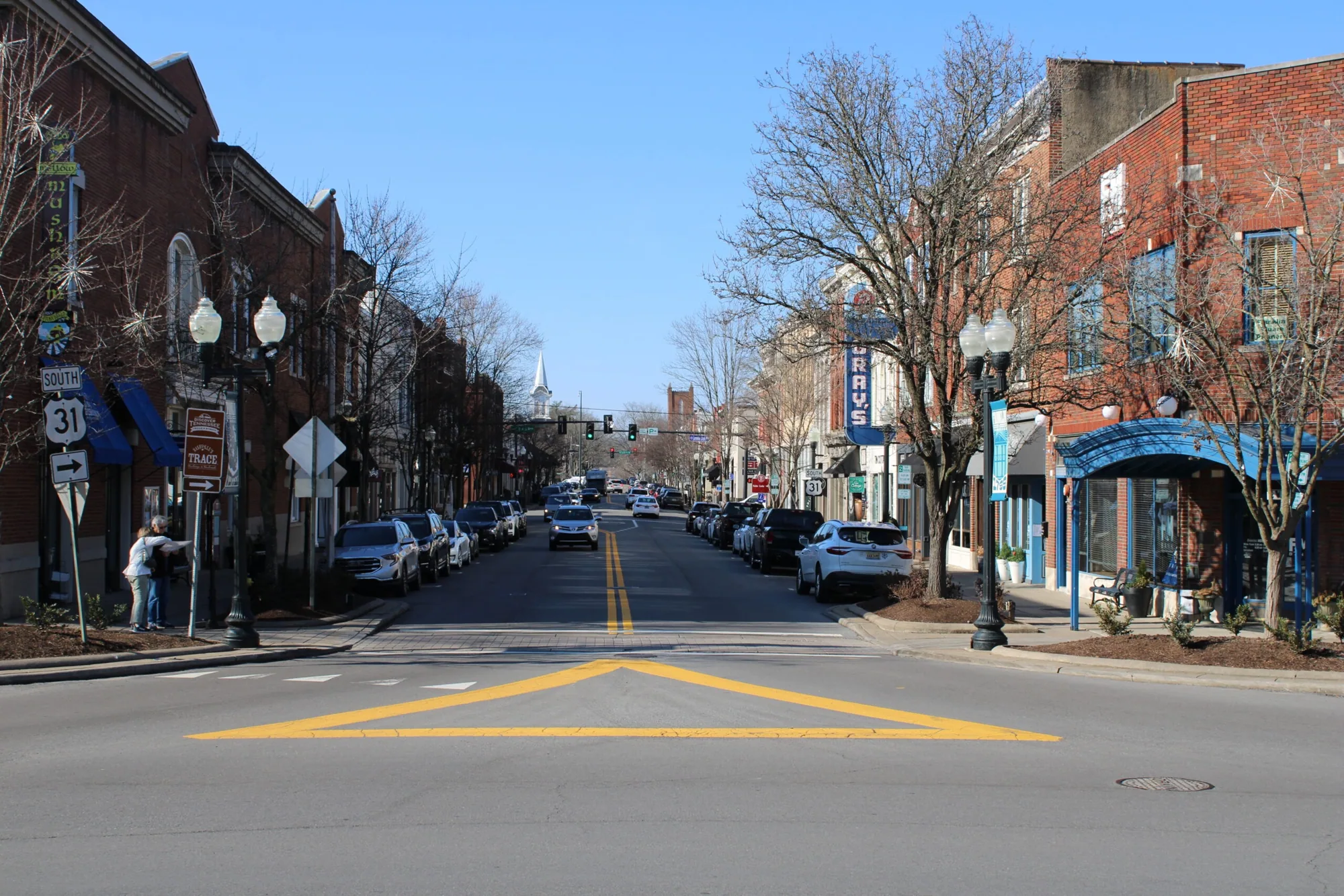
A truck that cannot reach the loading point is the first sign of a roofing failure that starts on the ground, and on Mallory Lane and Royal Oaks Boulevard in Franklin, TN, it is a lesson about access. The roads are busy. The driveways are many. A crane that cannot stand and a delivery that cannot turn turn a one-day repair into a three-day one. We walk that failure backward from the delayed job to the plan that should have prevented it.
The roads and the buildings
Mallory Lane and Royal Oaks Boulevard are the divided four-lane routes west of I-65, with curb cuts and driveways everywhere and rush-hour congestion, so a crane or a delivery truck needs a plan. They are, with Mack Hatcher Parkway, the only north-south connections through the McEwen area west of I-65.
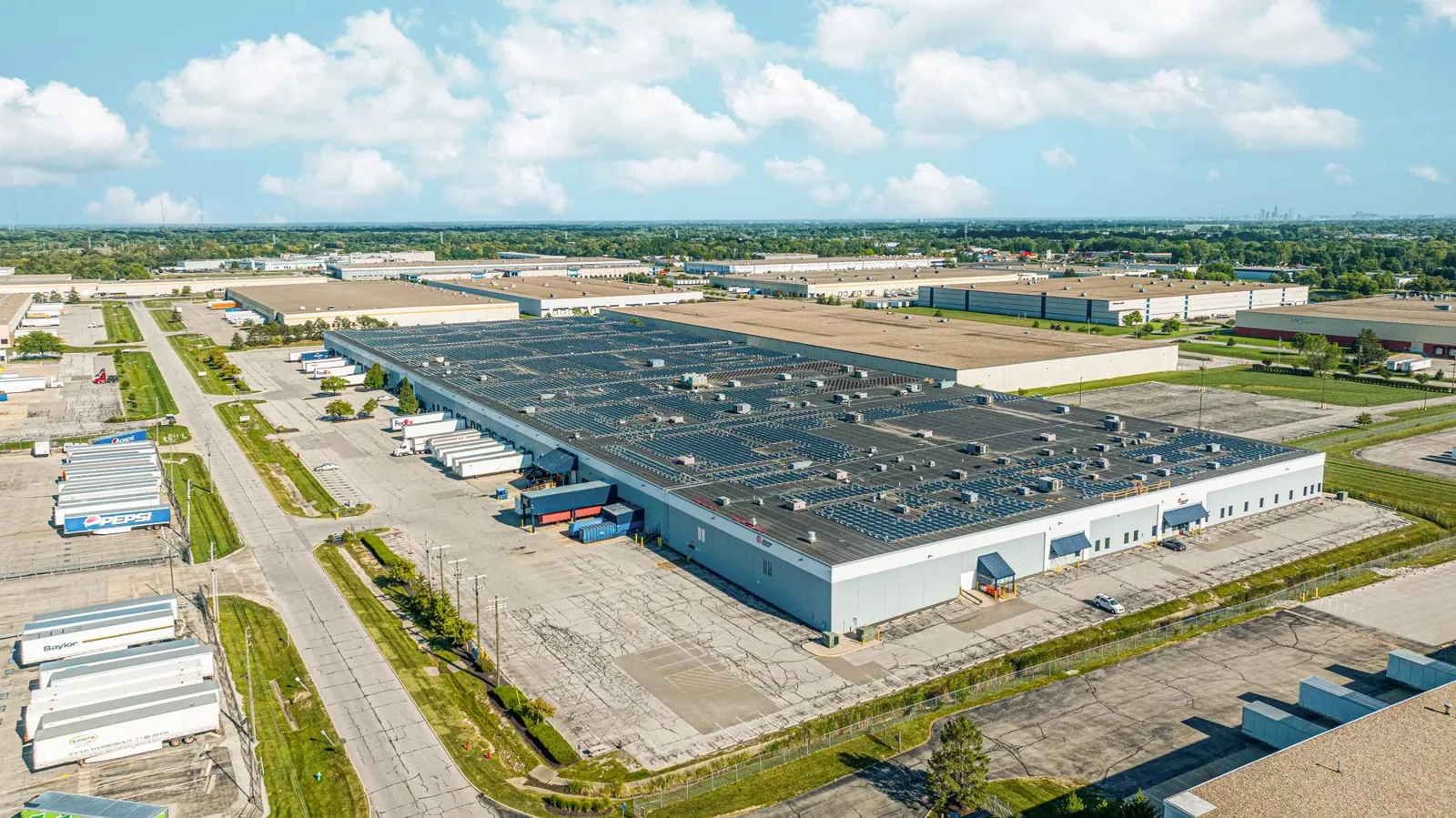
Non-residential development west of CoolSprings Galleria takes in offices, showrooms and institutional uses housed in big warehouse-style buildings. One Mallory Lane retail property offers spaces ranging from 1,274 to 15,308 square feet. A roof over buildings like these can run a long way to the drains.
A narrow lot with a tall warehouse-style building behind it needs a different plan from an open retail pad. We ask which buildings share driveways, which tenants receive deliveries by truck and which parking fields can be coned off for a lift. Those questions come before any estimate, since the answers decide how long the job runs.
What fails first
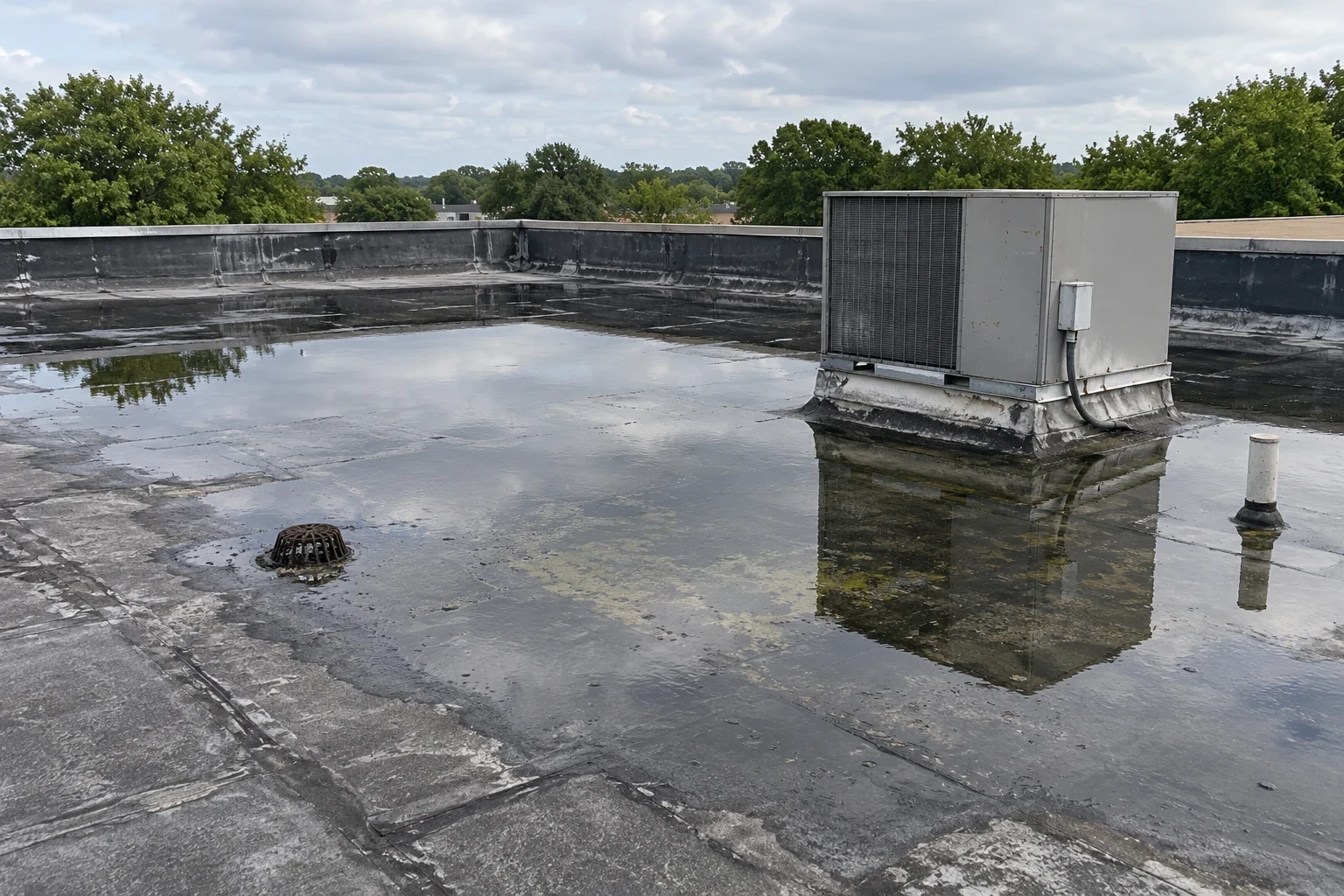
On a wide retail or showroom roof the first sign is usually water at a drain. A strainer is clogged. The water stands. A seam near the drain begins to lift. The sequence is slow, and it ends with a stain on a showroom ceiling.
We check the drains first. We run water, time the flow and photograph the strainer before and after cleaning. Then we look at the seams within ten feet of each drain, since standing water tests them first. The list of drains is the main tool on a wide roof.
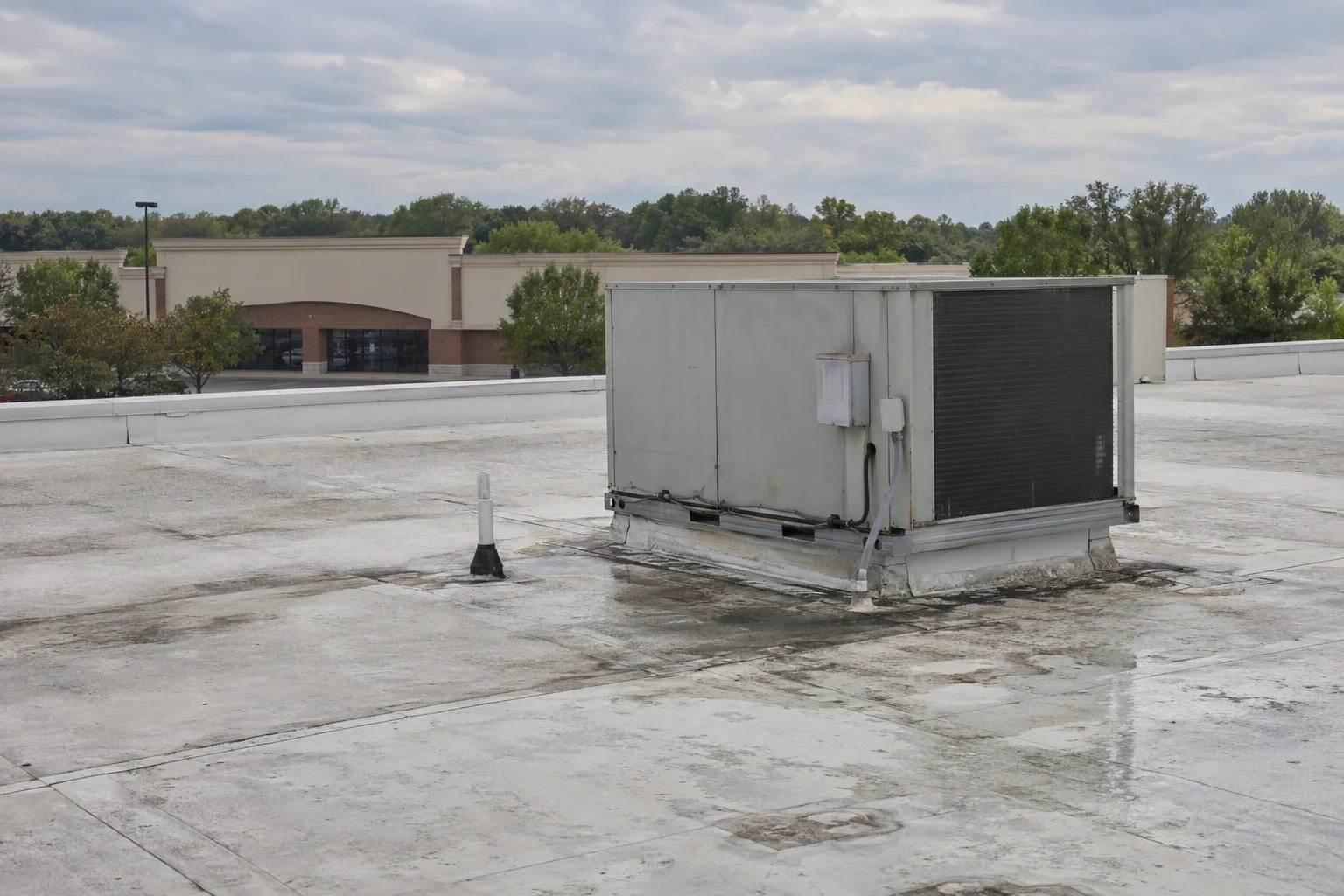
Retail and showroom roofs also carry units for each space, and tenants change. A showroom may add a unit that a previous tenant never had, and each new unit means a new curb and new penetrations. We count them on the walk and note which are in service. The count is the second main tool on a wide roof, after the list of drains.
What is happening underneath
Wide roofs hold large volumes of water when a drain fails. A pond a quarter inch deep over a thousand square feet is a lot of water, and it is heavy. It soaks into any opening. It finds the seam. It works into the top of the insulation and spreads sideways.
That is why we measure the standing-water line after rain. The line shows how big the pond is, how deep it is, and which drain should have emptied it. A pond with a clean drain points to a low spot in the deck. A pond with a clogged drain points to maintenance. The two repairs are different, and a ponding water roof repair starts by telling them apart.
Wind and the August storm
The tornado of August 12, 2023 was a weak one, an EF0 with winds estimated at 75 mph, and it landed by Highway 96 and Royal Oaks Boulevard and covered about 1.9 miles. Some Highway 96 businesses and a few homes took minor roof and exterior damage, which is reason enough to check edges and equipment after a storm.
Wide roofs have long edges. A loose coping at one end can start a lift that runs along the parapet. We walk the perimeter after any warning, check the coping joints and photograph the result. The photo trail is what an adjuster will ask for.
The city sees about 54 inches of precipitation a year, an average July afternoon reaches about 91 F, and 108 F and minus 22 F are the recorded extremes. Wide roofs feel all of it. Rain tests drains. Heat moves seams. A hard freeze stiffens sheets that were soft in summer.
How access decides the job
The roads are busy and the driveways are many, so access is part of the scope. We walk the site with the property manager before dates are set. We mark where a truck can turn, where a lift can stand without blocking a drive aisle and where material can be staged overnight. Delivery windows are set outside peak hours.
A crane lift on a divided road may need a traffic plan and a permit. A lift in a parking field needs spaces coned off. These steps cost time and money, and the estimate lists them on their own lines, which lets a manager separate the cost of the road from the cost of the roof.
Tenants should know what is coming. A notice names the dates, the hours, the lift location and the parking spaces affected. A named contact answers questions. Noisy work runs in early hours, and each roof section is closed before the crew leaves. A job that is announced and explained draws far fewer complaints than one that appears without warning.
Repair or replace
Where the failure is local and the insulation is dry, repair is the answer. A roof that has aged yet stayed dry might be coated or covered. A section with wet insulation throughout gets replaced. Each path has a cost range, and another year of waiting is priced separately.
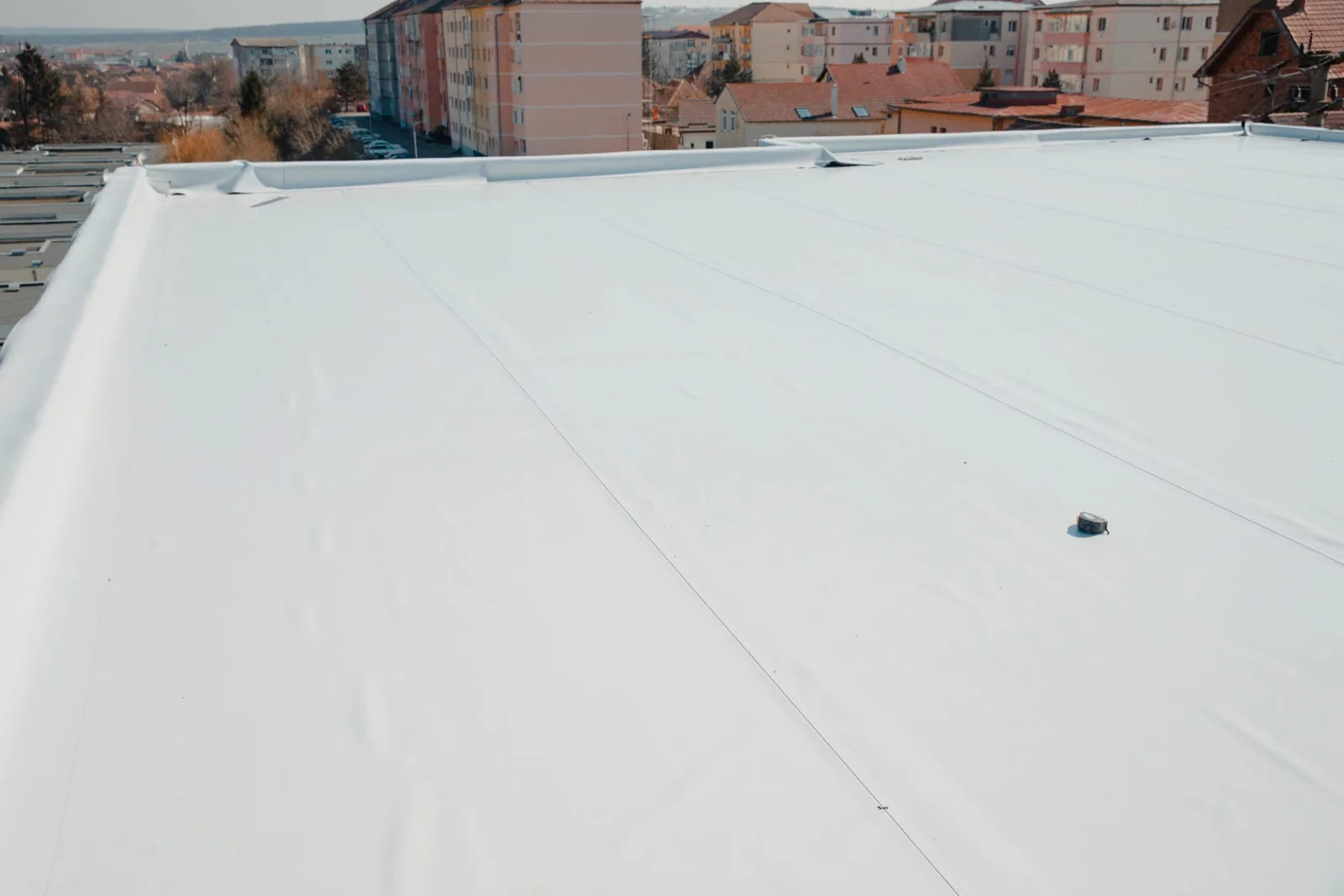
For a replacement, we ask the permit office which code edition applies; the state's 2021 set has been the baseline since August 17, 2025. A retail strip, which follows the plan of a shopping center roof, and warehouse-style space, which shares details with a flex industrial building, are the two building types that stand here, and TPO is a frequent membrane choice on wide, flat roofs.
Because the roofs are wide, cost per section matters. A roof divided into sections can be repaired or replaced in stages, one section per budget year, with each stage closed and tested before the next begins. The written plan lists the order, the reason for it and the cost range of each stage, so a manager can fund the work without committing to the whole at once.
What to check next
After a repair, check the drain after the next heavy rain. Look at the seams within ten feet. Photograph the standing-water line. Write the date in the roof file. A drain strainer left clogged for a month can start the sequence again.
A manager who also owns in Cool Springs or on the Carothers Parkway corridor can keep one file format and rank every roof together.
Keep a short checklist by the roof hatch: drains tested, strainers cleaned, seams near drains probed, edges checked, date. A five-item list, filled in each spring and fall, is the simplest record a building can keep.
Commercial Roofing Questions
Why does access matter for a roof repair?
A truck that cannot turn or a lift that cannot stand turns a short job into a long one. The estimate lists access on its own line.
Do you need a traffic plan for a crane?
On a busy divided road, often yes. We confirm with the property manager and the city before dates are set.
What does a clogged drain do?
It lets water stand, and standing water tests every seam it touches.
How do you handle a large flat roof with many drains?
We number them, test each by running water and photograph the results.
When should edges be checked?
Every spring, and again after any warning naming the city.