TPO Roofing in Franklin, TN
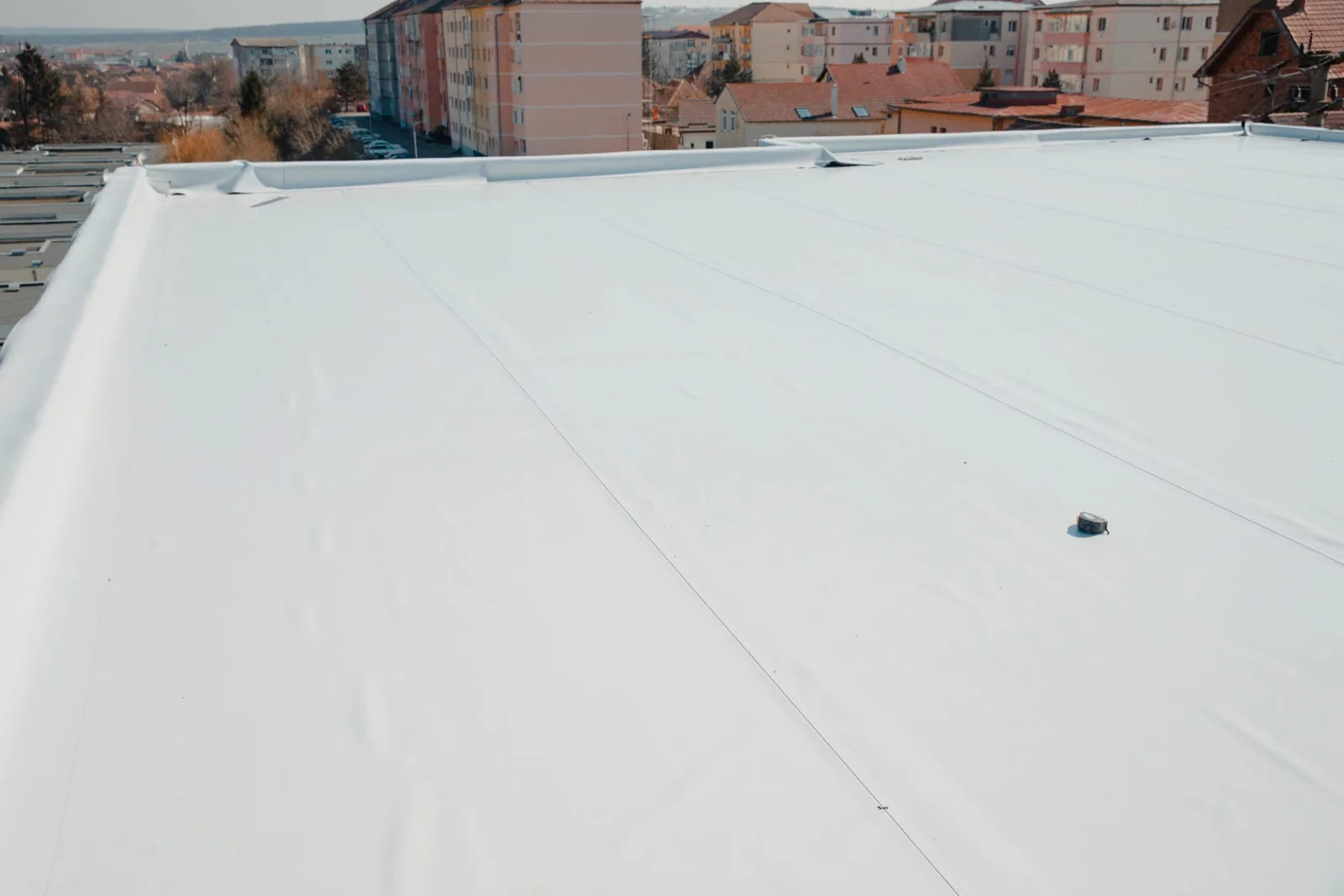
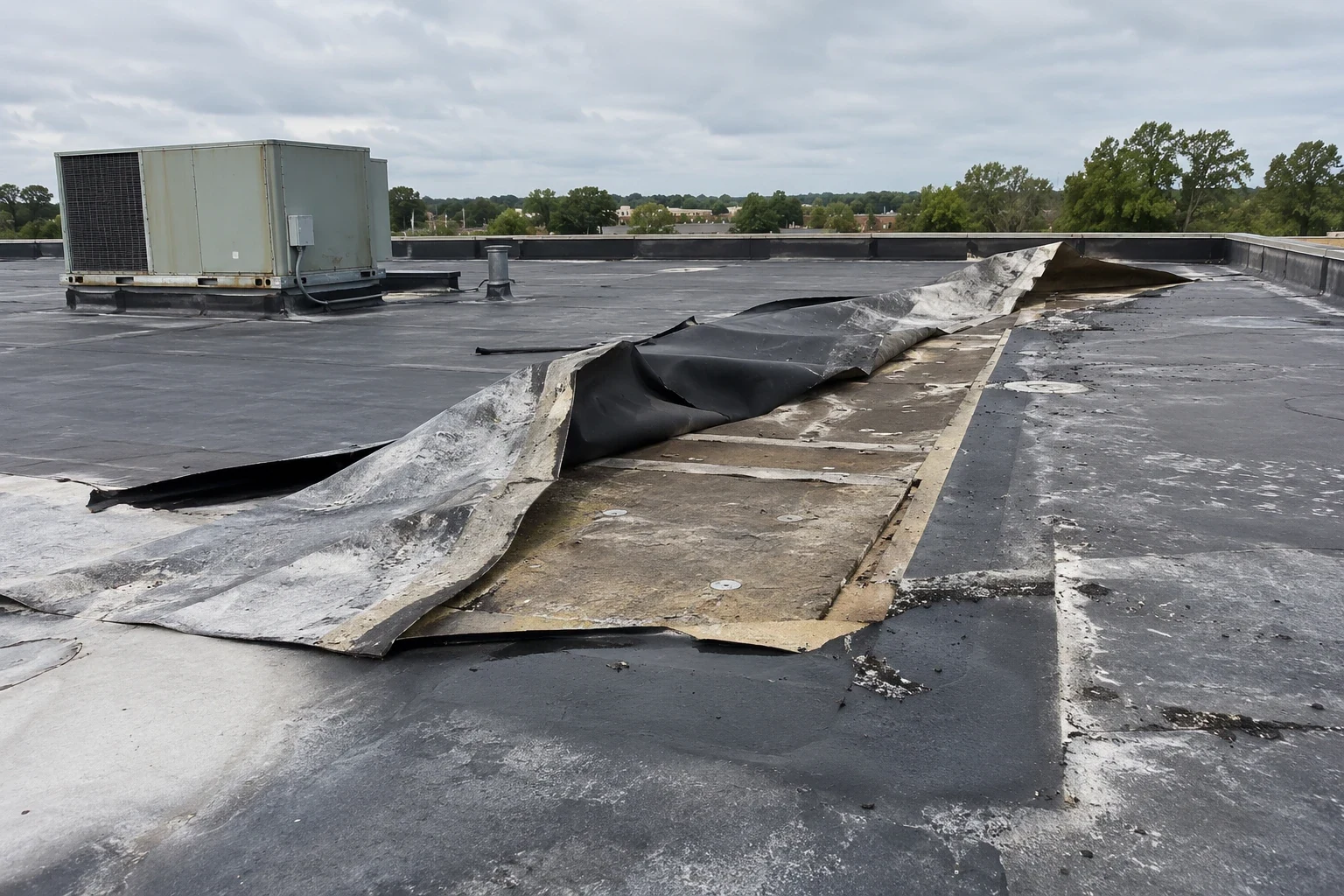
A white membrane that pulls away from a parapet wall, leaving a gap you can slide a finger behind, is the first sign most managers notice on an aging TPO roof. The gap marks where water stopped being turned away, and the job is to trace it back: how the sheet was attached, how it shrank, and what the seam did while that happened. TPO is a single-ply thermoplastic membrane, rolled out in wide white sheets and welded at the seams with hot air, so the seam becomes one continuous piece of plastic.
A TPO roof in Franklin, TN answers to roughly 54 inches of rain a year and a spread of temperatures that runs from minus 22 F on record to 108 F. Commercial Roofing Franklin reads that history on the roof, explains what each sign means, and puts the findings in a short written summary the property manager can use.
What TPO is made of
The sheet has three layers: a top ply that carries the white pigment and the ultraviolet stabilizers, a scrim of polyester fabric in the middle for strength, and a bottom ply. The seam is made by heating two overlapping edges until they melt together. When the weld is good, pulling on the seam tears the sheet before it lets go of the weld. When the weld is poor, the edge peels clean. That one test, a gentle probe along the seam edge, tells us more about the roof than a photograph does. Thickness matters as well. A thicker sheet gives more material over the scrim, and the scrim is where wear shows first. We record the sheet thickness when it is known, and we note any place where the scrim shows through, because that spot has lost its top ply. A scrim that is showing will keep wearing, and it deserves a patch or a plan.
How the sheet is held down
TPO is attached three ways. Mechanically attached sheets are screwed to the deck through plates under the seam. Fully adhered sheets are glued to the insulation. Ballasted sheets rest under stone. Each fails differently. A mechanically attached sheet can flutter in wind and wear its fasteners. An adhered sheet can lose its bond where moisture got under it. A ballasted sheet can have stone shift toward a drain. We find out which system is on the roof first, because the repair depends on it. Pulling a sample and lifting a corner of the sheet tells us whether it is glued, screwed, or held by stone. In an EPDM roof the same question applies, and the answer changes how a patch is made. If fasteners are backing out of a mechanically attached sheet, they show as small bumps in a row, and each bump is a place where the sheet is no longer held.
Why the sheet shrinks
Over years of heat and cold, a TPO sheet can shrink slightly, and the shrinkage pulls on whatever holds it. The membrane tightens against walls and curbs, lifts at the base flashing, and tears at corners. In Franklin, a roof sees a swing from freezing nights to summer surfaces far hotter than the 91 F air. We look for a membrane that is tight against a wall with no slack, for flashings that have lifted, and for wrinkles that show the sheet moved. Early on, a flashing repair solves it. Late on, the sheet itself is aging. We measure the gap at each wall and photograph it with a tape beside it, so the next visit can show whether it is growing. A gap that has not changed in a year is a watch item. A gap that has doubled is a repair. Keeping that photo trail is a small habit that turns a vague worry into a number.
Ponding and the standing-water line
Water that stays on a TPO roof for more than a day or two after rain is a problem to trace. The standing-water line, a ring of dirt and algae where water has sat, shows where it collects. We check whether the cause is a clogged drain strainer, a drain set too high, or a deck that has sagged. TPO tolerates some ponding, but constant water ages the seams and the surface, and it adds weight. The first fix is nearly always cleaning the drain. After that, the discussion moves to tapered insulation or a new drain. The membrane near a pond is also checked for algae growth and for seam edges that have stayed wet, since a seam that has been under water for a season can lose strength. Where a roof shows several ponds, we sketch them on the roof plan so the owner can see whether the low spots line up with a structural line, which would point to deck deflection and not a clog.
Wind, hail, and storm lines
Franklin's EF0 tornado of August 2023 carried estimated winds of 75 mph and left minor roof damage at some Highway 96 businesses, and the July 2026 thunderstorm warning for northeastern Williamson County named Franklin and mentioned hail up to about three-quarters of an inch. After a storm, we check the edges and corners for lifted sheet, then look for hail marks and punctures. A wind-damaged roof usually shows first at the perimeter, where uplift is highest.
Repair, recover, or replace
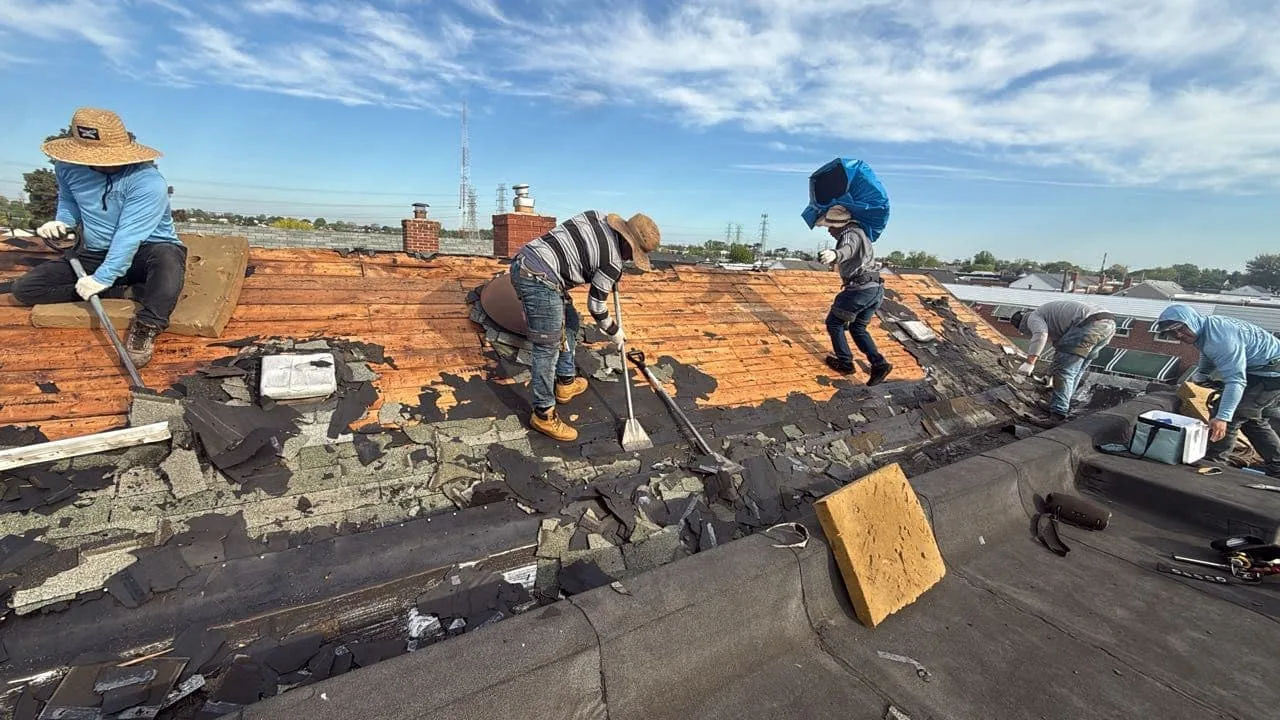
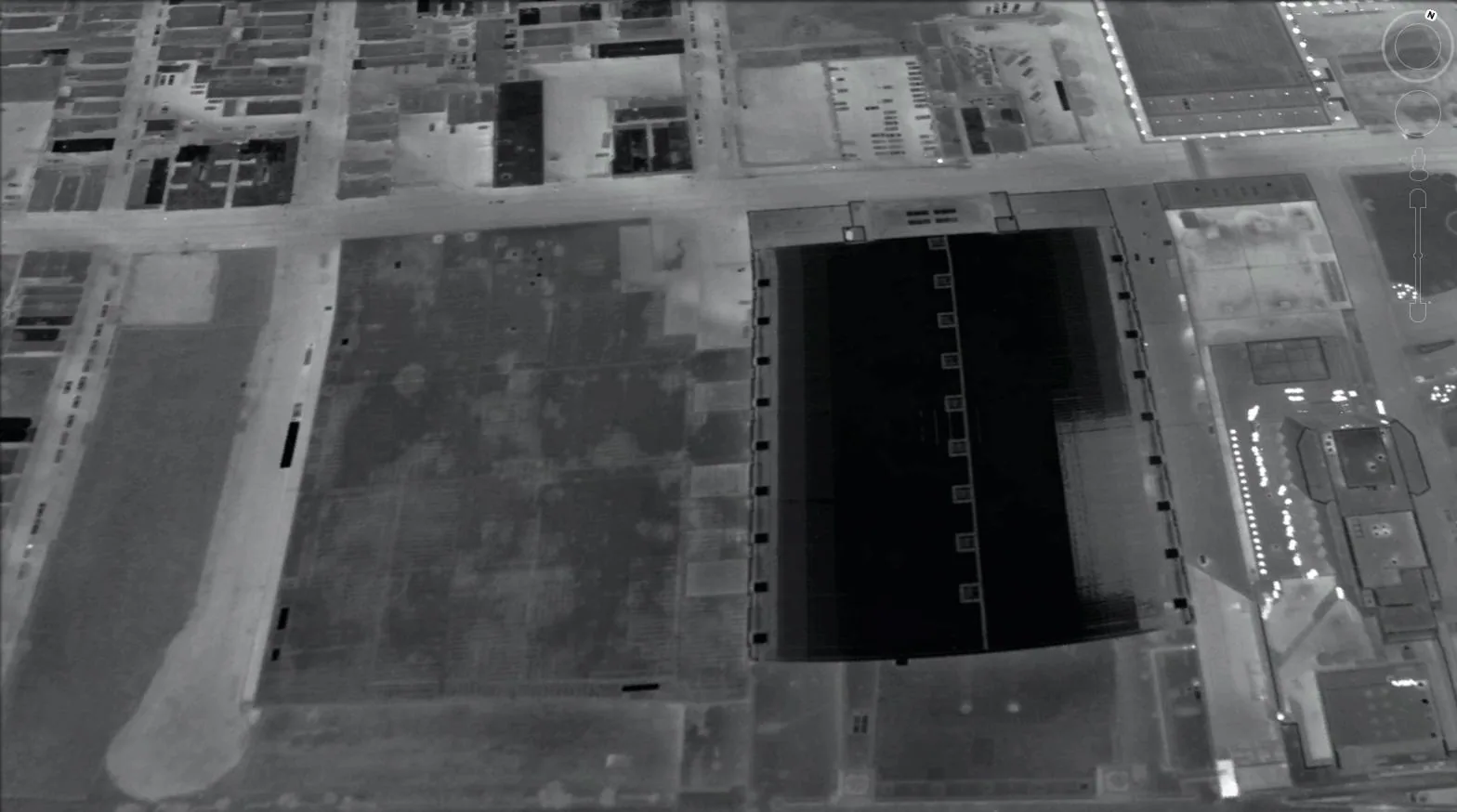
A lifted flashing or an open seam is a repair. A roof with dry insulation and a sound sheet can be refreshed with a coating or a recover. A roof with wet insulation across several bays points to replacement. We confirm which with an infrared moisture survey and test cuts. Because the state moved to the 2021 editions of most international codes in 2025, a replacement can trigger insulation and permit review, so the local building official is asked what applies before we price. The cost drivers are the amount of wet insulation, the length of flashing to rebuild, the number of rooftop penetrations, and how much access equipment the building needs. Where fats or oils reach the roof, a KEE membrane, a PVC alloy, is the sheet to consider in place of standard TPO.
Where TPO fits in Franklin
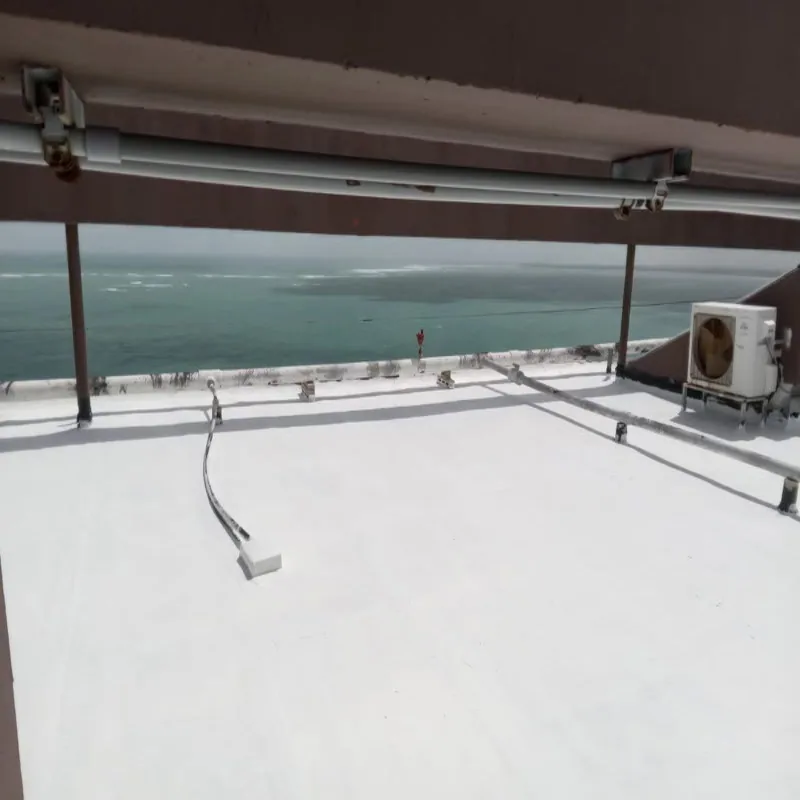
TPO is common on large, flat roofs in office parks and shopping centers because it is white, welded, and efficient to install. Cool Springs sits in the McEwen area, and its office buildings and retail centers around Cool Springs are the kind of low-slope buildings where TPO is considered. A reflective sheet also pairs with a cool roof plan, and PVC is the alternative where grease or chemicals reach the roof.
Commercial Roofing Questions
How do I check a TPO seam?
Run a probe along the edge of the weld. A good seam resists. A bad one lifts or shows a gap. We mark each open section and photograph it.
Can a TPO roof be patched?
Yes, if the area is clean, dry, and not heavily aged. Patches are heat welded, and old TPO sometimes needs a cleaner before the weld will hold.
How long does TPO last?
Thickness, installation quality and maintenance set the range, and a yearly walk plus a quick check after storms extend it.
Does TPO work over an old roof?
Often, as a recover, once the old roof proves dry and secure. Moisture readings and test cuts decide it.
What causes TPO to crack?
Age, heat, and movement at the seams and corners. Cracking near a wall usually means shrinkage has been pulling on the flashing.