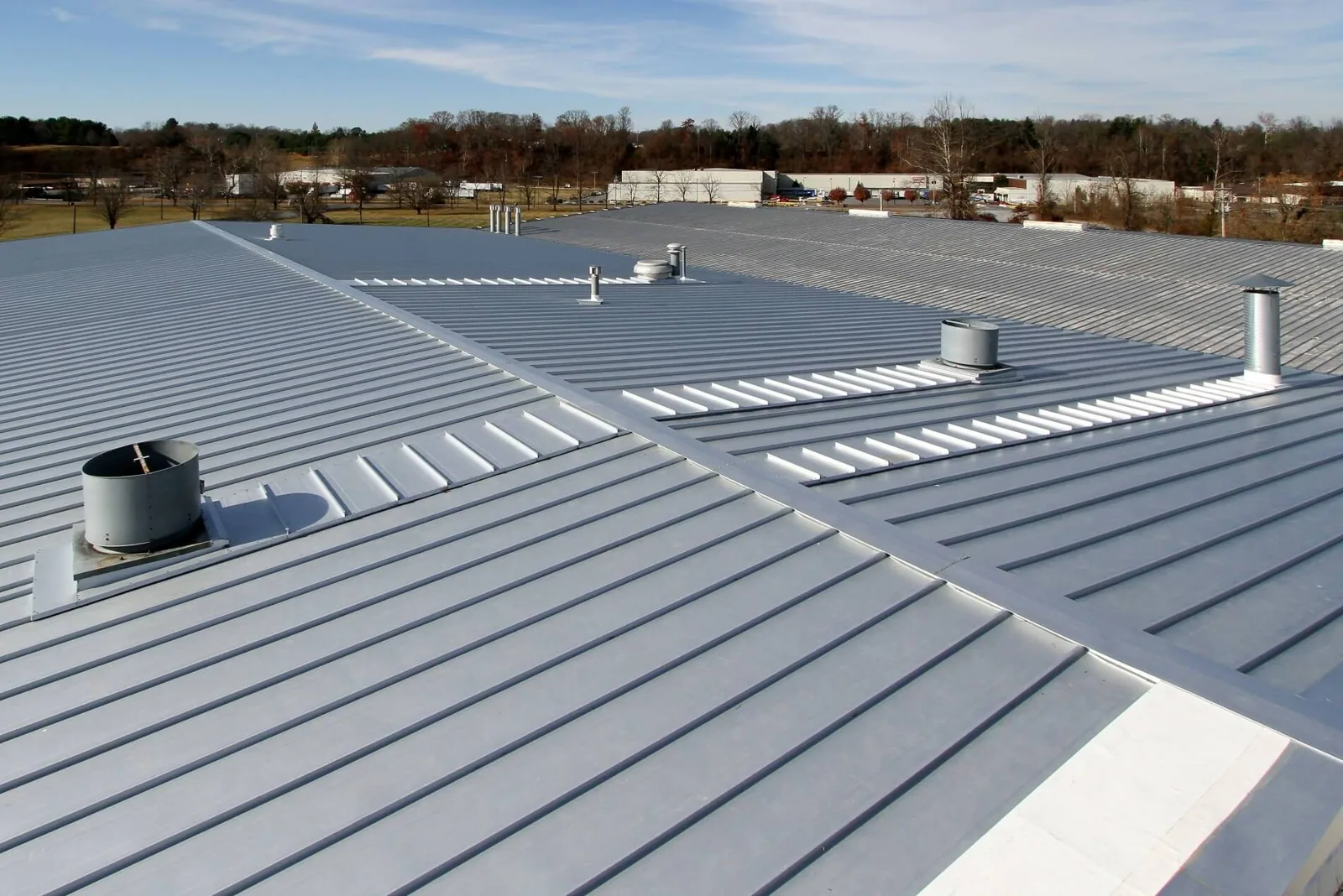
Commercial Roofing in Airport Area, Nashville, TN
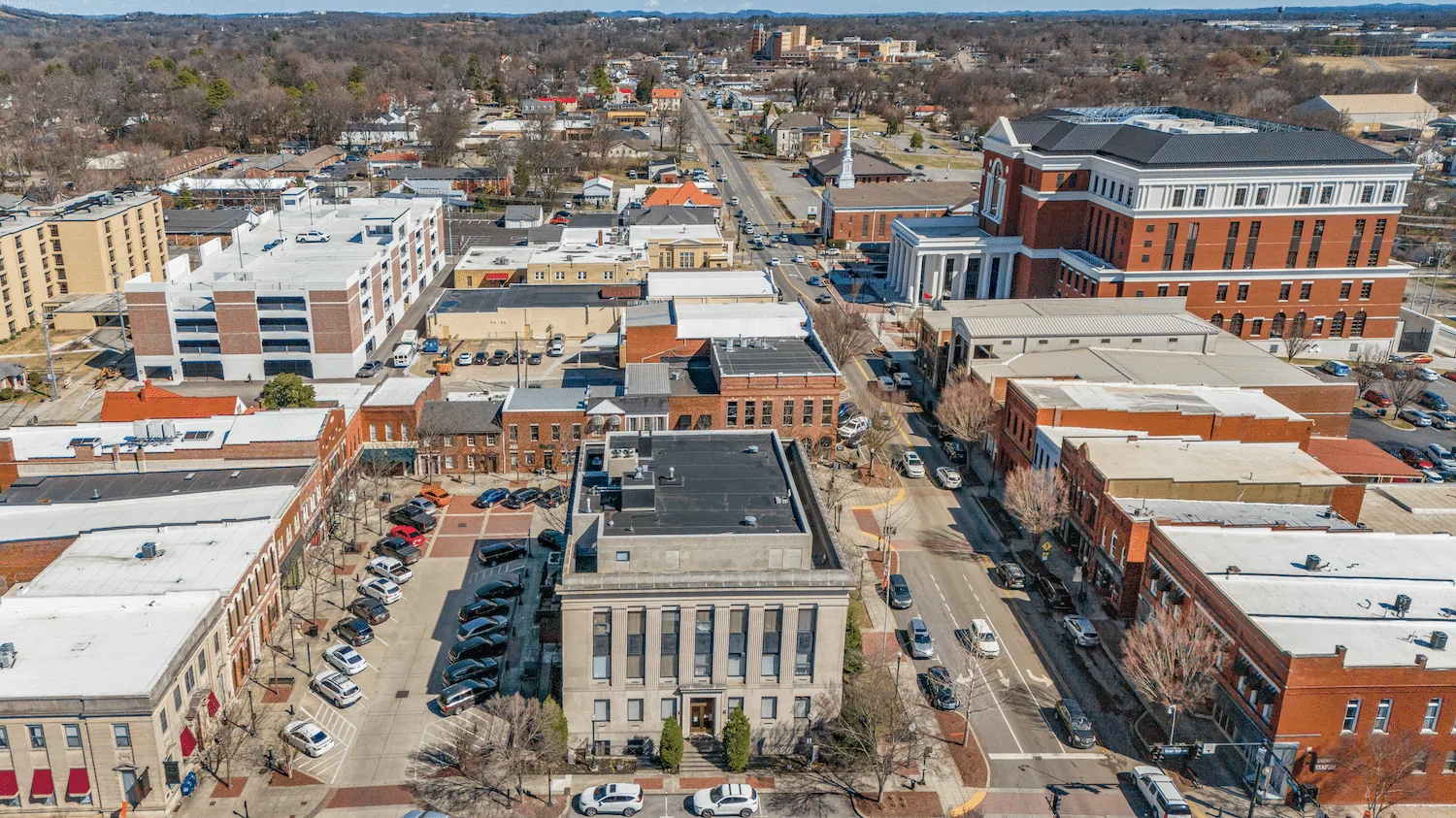
A wet dock floor on a morning when nothing was washed is the first sign. A shift lead sees a sheen under a door, stops forklift traffic and calls maintenance. We walk that sheen backward to the cause, one layer at a time. In the business areas around Nashville International Airport, the roof over a dock, a hangar or an office suite is the first thing to check.
The airport covers 4,555 acres in southeast Nashville, with four concrete runways up to 11,030 feet, and it handled about 25 million passengers in 2025. Amazon Air serves it with cargo flights, and Joint Base Berry Field on the same property hosts the Tennessee Air National Guard 118th Wing. Around that activity sit warehouses, hotels, offices and service buildings, and the roofs over them carry airport-driven schedules. Flight times, freight windows and traveler arrivals all push on the calendar, and a roof crew has to fit between them.
The first sign
In a cargo or distribution building, the first sign is moisture at the floor: a puddle, a damp pallet, a stained wall, a rust streak on a rack. Write down the spot, the time and the weather. Roof water runs along the deck before it drops, so the floor stain sits downslope of the entry.
Mark the stain on the roof plan and check every detail uphill of it: drains, seams, curbs, skylights, wall tie-ins. Number and photograph each one. Keep the trail in one dated folder. A stain that grows in the week of a storm points to a different cause than a stain that grows in a dry month.
What is happening underneath
Large buildings carry large, low-slope roofs with long seams, and heat moves them every day. The regional record reaches 108 F in summer and minus 22 F in winter, and a seam a few hundred feet long feels that range as stress. Water that gets in soaks the insulation and adds weight.
It also hides the entry. In a temperature-controlled space, a wet layer can turn to frost on the underside of the deck, and a manager may first see it as a refrigeration problem. An infrared scan taken at dusk shows the wet layer as a warm patch, and cores confirm the depth.
Where the water stopped: cargo and warehouse roofs
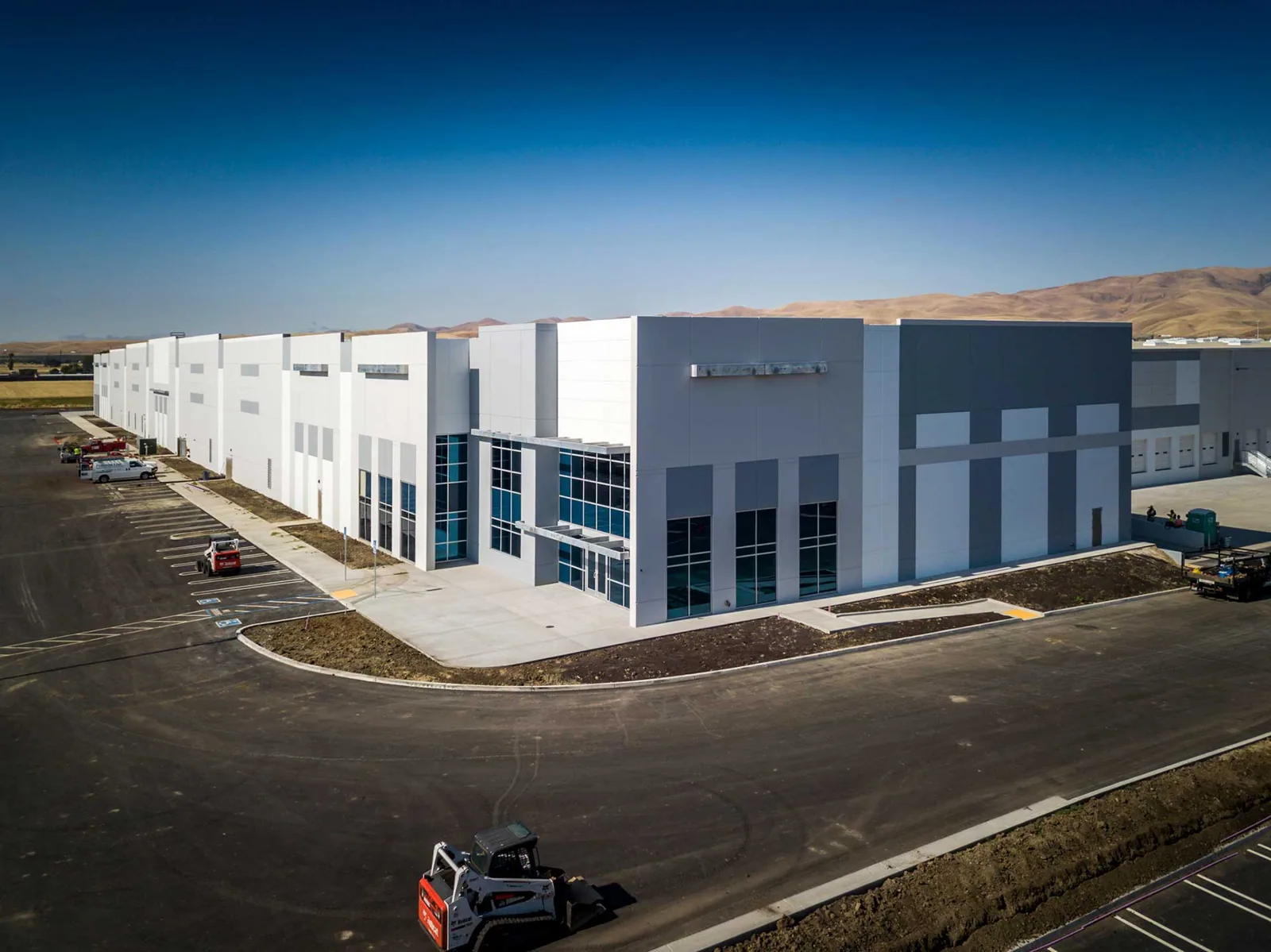
Cargo and warehouse buildings have docks, rooftop units, skylights and long parapet walls. Each is a detail. A dock door seal is not a roof detail, but a leaking dock canopy often is. A distribution center roof works best with a drain plan that sends water away from loading zones.
Because Amazon Air flights link the airport to Cincinnati, Fort Worth/Alliance, Riverside and Wilmington, Ohio, freight timing matters to nearby operators. A roof repair that stops the dock for a day costs more than the repair. We schedule work around shift change and freight windows, tell the shift supervisor which doors and aisles are affected, and we protect the floor below before we open a section. The plan names the dock doors that stay clear, the lanes the lift trucks use and the hours the crew works, and the shift supervisor signs off on it before the first day. Each dock door that stays clear is listed by number on the work order, so the supervisor can confirm it from the floor.
Hangars and large-span buildings
Joint Base Berry Field sits on the airport property and hosts the Tennessee Air National Guard 118th Wing, with about 1,500 assigned personnel. Roofing on an installation follows general rules. Access and escort procedures, badging, mission schedules and the Unified Facilities Criteria all apply, and the sponsoring office issues the instructions for each visit.
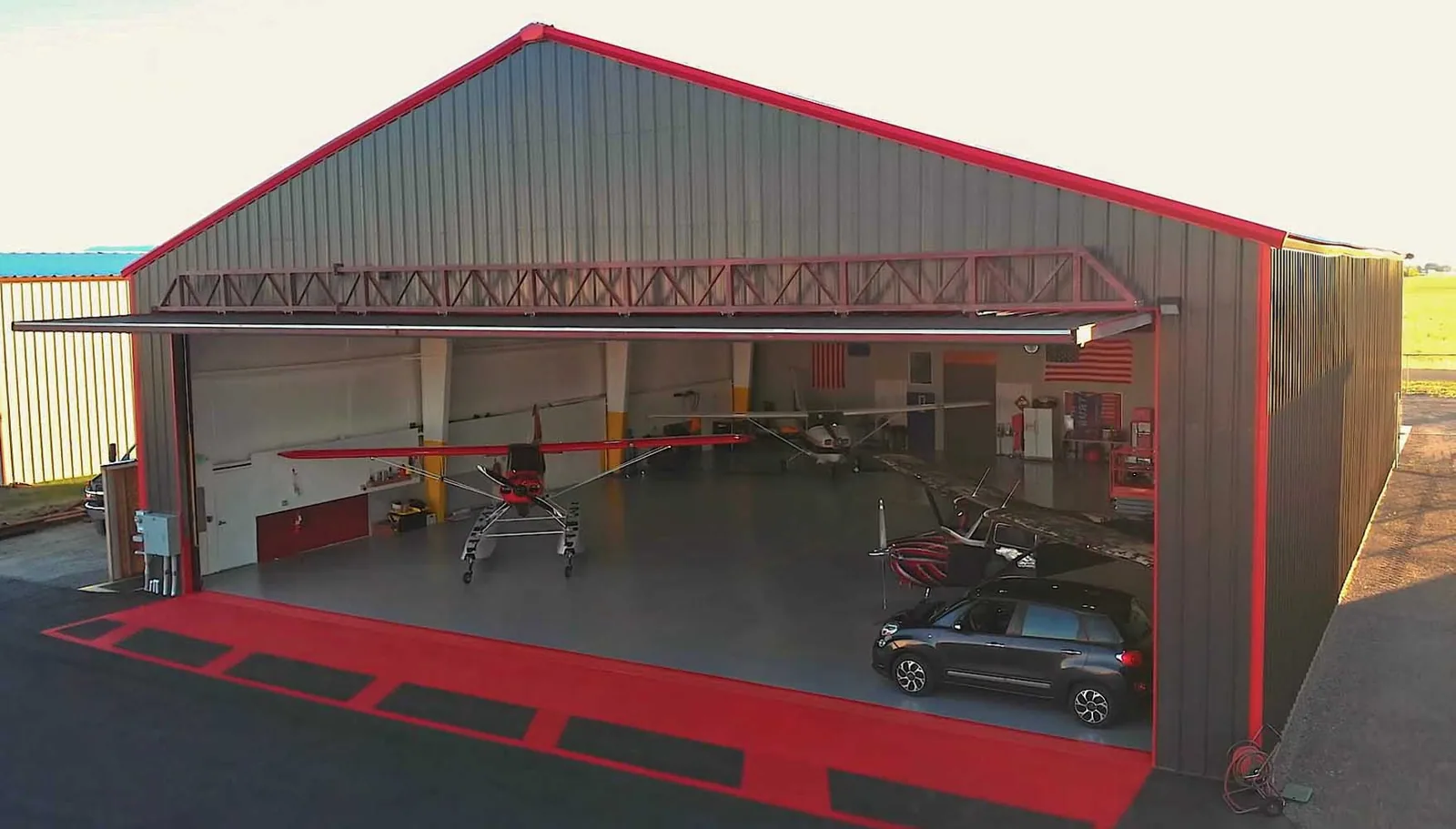
Large-span buildings, military or civil, share a few roof questions. Wide doors change wind loads at the walls. Long spans move more in heat. Fasteners and laps carry more stress. These points matter most on an aircraft hangar roof, and the same checks apply to any wide-span building near the airport. A metal roof gets a fastener back-out count along every purlin line, with sealant checked at each lap and penetration. A membrane roof gets a seam probe along the long walls, where uplift acts first.
Hotels, offices and service buildings
Concourse A is closed for reconstruction until 2028, and the New Horizon program of concourse expansions is scheduled for completion in 2028, so trucks, cranes and crews work on and near the site for years.
Roofs near active construction need a walk before and after. Debris, dropped tools and blocked drains are common results. Hotels and offices nearby, which serve travelers and airport-linked businesses, get the same plan. A hotel roof near an airport adds guest-room protection to the list, and an office roof adds tenant hours. For each, the first visit identifies the system, counts the penetrations, marks the drains and sets the walk dates before any work starts.
Storms and wind
Storm lines cross Middle Tennessee in spring and summer. A 2026 summer warning for northeastern Williamson County flagged wind gusts around 60 mph along with hail as large as three-quarters of an inch and said roofs could be damaged. In March 2020 a tornado damaged large warehouses in Mount Juliet. Those are regional events, and they show what wind and hail can do to a large roof.
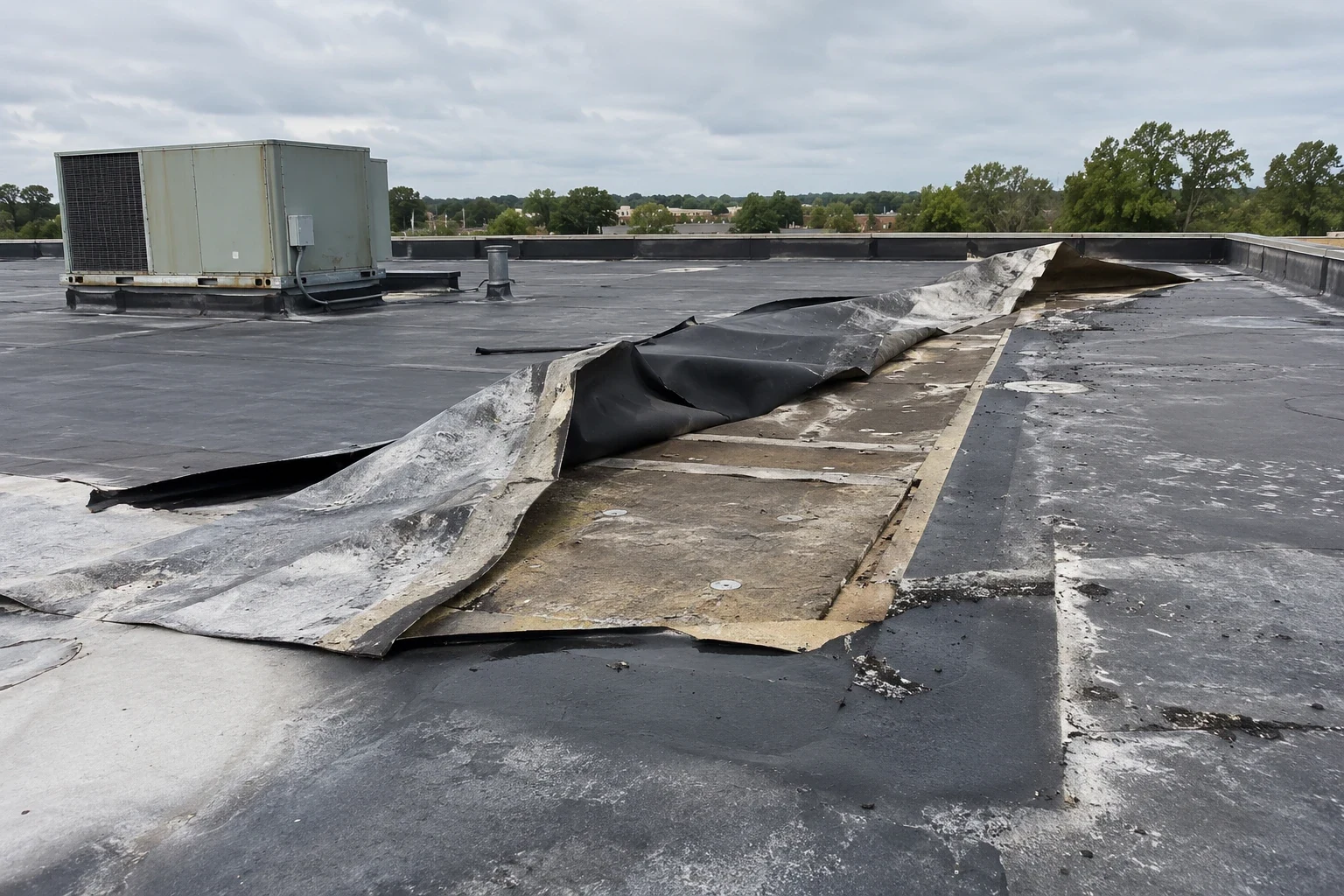
After a storm we check the perimeter, the drains and every rooftop unit. Wind damage appears as lifted edges and displaced metal, and hail appears as bruises and cracks. Hail may show no leak for weeks, so the early photographs are what let an owner connect a later leak to the storm.
Repair or replace
Local failures over dry insulation are repairs. A wide wet area, shrunk membrane or problems at many details call for a recover or replacement. For big buildings, phasing keeps operations running, and each phase is priced and ordered by risk: active leaks, then wet insulation, then slow failures. Donelson and La Vergne use the same order.
Commercial Roofing Questions
Can a distribution roof be repaired without stopping the dock?
Usually in sections, one dock bay or roof area at a time. We protect the floor below, schedule around shift changes and dry in each section before leaving.
What changes on a roof over a hangar or other wide-span building?
Wind load at the walls and movement along the span. Fasteners, laps and edges get the closest look.
Do military sites follow different roofing rules?
They follow their own access and schedule rules, and often the Unified Facilities Criteria. Expect a sponsor, a badge or escort requirement and limits on the hours a crew may work. The sponsoring office issues the instructions, and we plan around them.
What if construction is happening next to the roof?
Walk the roof before and after the work. Compare the two sets of photos, and report any new cut, scuff or blocked drain to the contractor right away. A drain blocked by drywall dust or a cut cable can become a leak within days. Photograph drains, membrane and equipment, and send us what you find.
How is a wet layer found without tearing the roof open?
A moisture scan, usually infrared at dusk, followed by core samples at the flagged spots. Where a building has a cold room, we check the underside of the deck for frost as well. The cores show how many layers are wet and how deep the water went, and the scan shows how far it spread sideways.