Commercial Roofing in Nolensville, TN

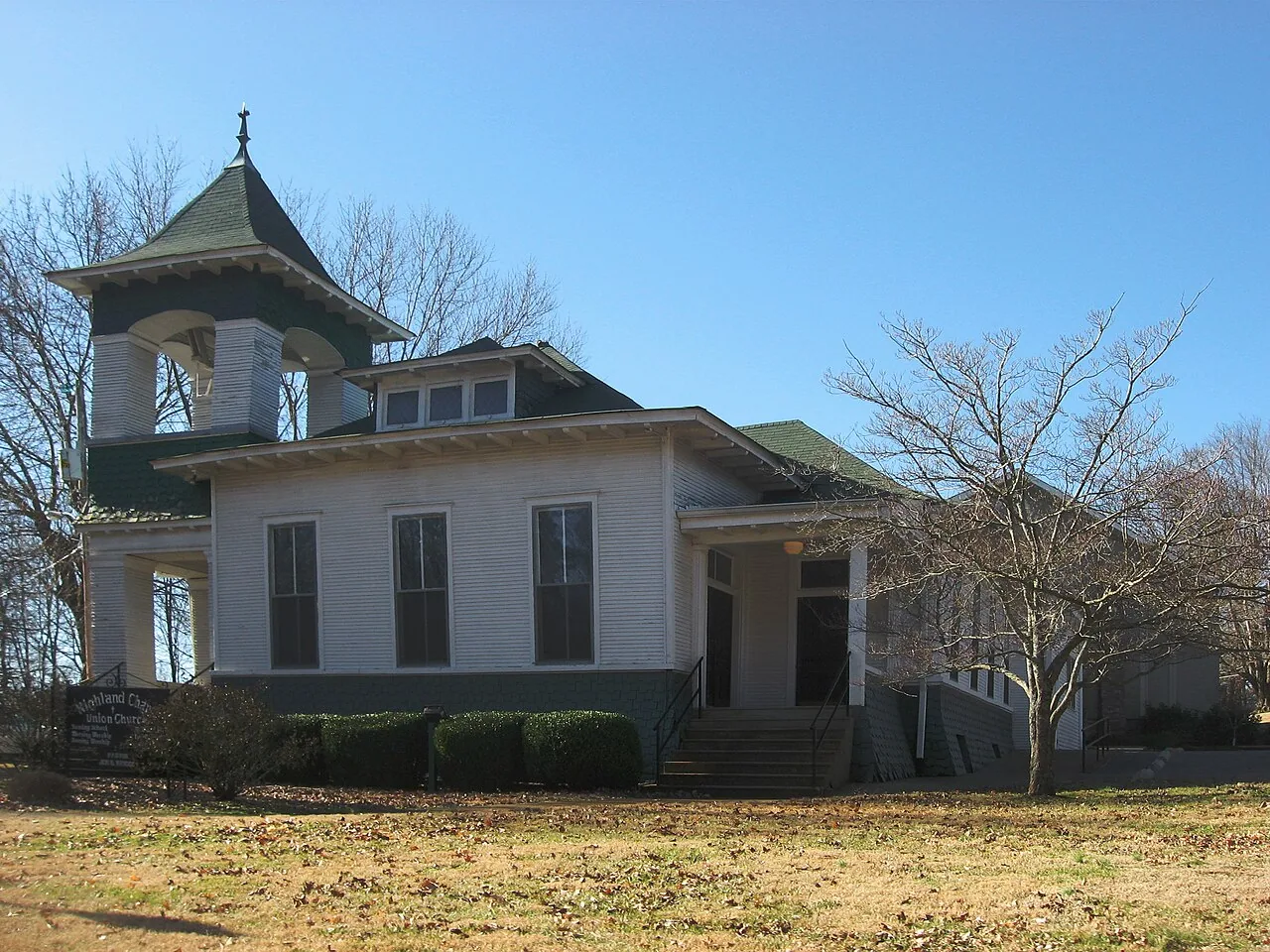
The first sign is usually a dark line on a ceiling tile that runs along the edge of a wall, and the wall is the clue. In Nolensville, TN, 19th-century structures line Nolensville Road between Oldham Drive and York/Williams Road, alongside older converted mill and creamery buildings. When one of those buildings leaks, the water often entered where an old wall meets a newer roof, a joint made in a different decade by a different crew. We walk that failure backward from the stain to the joint, one step at a time.
The trail starts on the ceiling and ends on the roof, with a photo at each stop.
Read the stain before the roof
A stain has a shape, and the shape tells the direction of the water. A line that follows a wall points to a wall joint. A ring under a pipe points to a penetration. A smear that grows after wind-driven rain points to an edge. Before anyone climbs a ladder, we photograph the stain, measure it and mark its position against the roof plan.
That small step saves time. It narrows a roof of thousands of square feet to a few likely spots, and it keeps the walk from becoming a search. The photo also gives the manager a dated starting point to compare against next month.
Interior clues add to the picture. A musty smell near the stain points to long-term dampness, not a one-time drip. A soft ceiling tile points to water that has been present for days. A bright, clean ring points to a fresh leak. We note each clue in the file, because together they date the failure.
Timing helps too. A stain that appears only after wind-driven rain points to an edge or a wall joint. A stain that appears after any rain points to a drain or a seam. A stain that appears on a dry, hot afternoon may be condensation from air conditioning. We ask the occupants when they first saw it and under what weather, and we write the answer next to the photograph.
Where old walls meet newer roofs
Converted buildings carry the history of every change made to them. A mill that became offices, or a creamery that became a shop, has had its roof patched, extended or replaced in sections. Each junction between old and new is a place where flashing has to bridge two materials that move at different rates.
The failure sequence is predictable. The joint opens a hair in cold weather and closes in heat. Sealant ages and cracks. Rain finds the crack and runs down the face of the wall. We check each junction for gaps, lifted metal and sealant that has lost its grip, and we record what we see with a close-up photo.
Metal flashing at these joints deserves a closer look than the membrane. Counterflashing must tuck into the old wall, and on a masonry or timber face that can mean cutting a slot or using a surface-mounted termination bar. The right method depends on the wall, so we test the wall surface before choosing the detail.
What is under the membrane
In an older building, nobody may remember what lies beneath the surface. There may be two roofs stacked, a vapor layer from a past renovation or insulation that has been wet for years. A core cut answers the question. We remove a small plug, record the layers and their moisture, and patch the opening the same day.
The core tells us whether a repair will hold. A patch over wet insulation fails again, because the water is still there. A patch over dry layers can last. This is the cause-before-cure rule, and it is why we cut before we recommend.
Layers also tell us the roof's age and history. Three plies of felt and a modern membrane on top mean the roof has been recovered at least once. That matters for weight, for drainage and for what the code allows when the roof is replaced. The core record keeps all of it in one place.
How to confirm the cause
Confirmation comes from more than one clue. We use a short sequence:
- Photograph the stain and mark it on the plan.
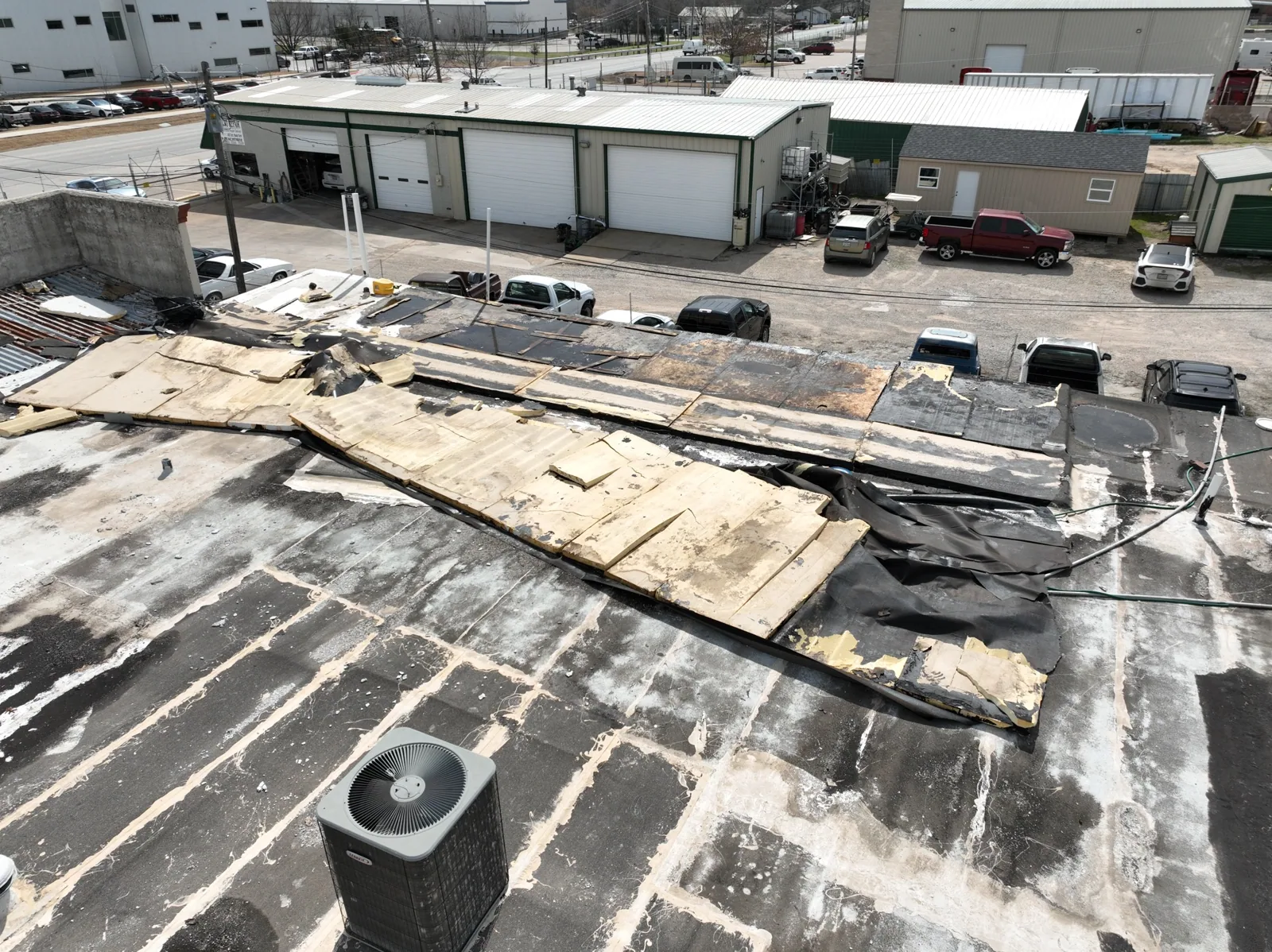
- Walk the roof area above it and photograph every joint, curb and penetration.
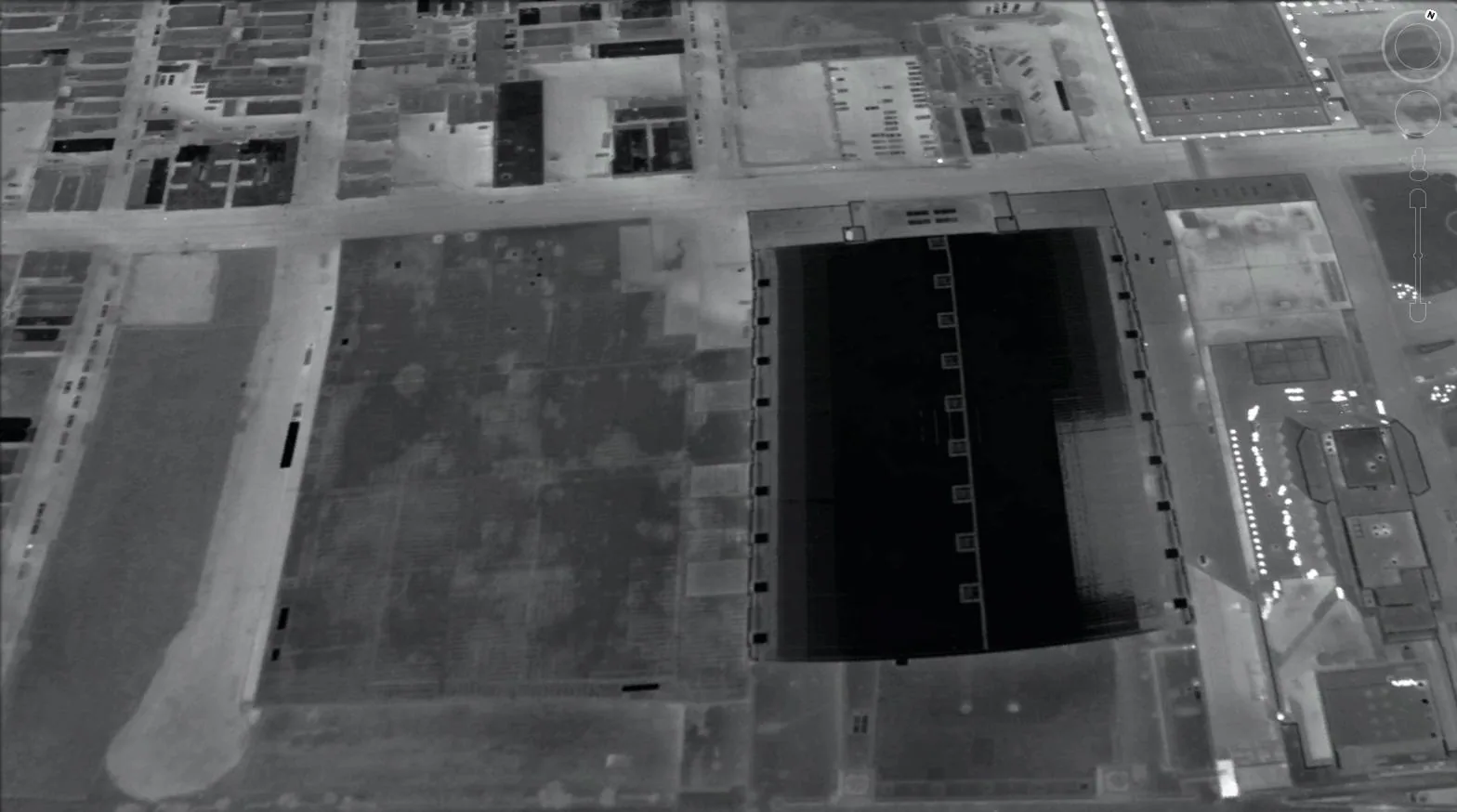
- Scan with an infrared moisture survey after the surface cools, to find wet insulation.
- Cut a core at the most suspect spot.
When two clues agree, the cause is confirmed. When they do not, we look again. The photo trail from each step goes into the file the property manager keeps.
Each step has a pass or fail. If a moisture scan shows a warm pattern at the joint and the core finds wet insulation there, the cause is not a mystery. If the scan shows nothing and the core is dry, we move to the next suspect, such as a pipe boot or an edge.
Two generations of roofs on one road
Nolensville is a Williamson County town of 13,829 residents in 2020 and an estimated 15,789 in 2025, up 14.2 percent since 2020 and projected near 19,000 by 2030. The town's reference entry reports a high level of investment in commercial real estate and proposals for multiuse developments and a new town hall.
New construction beside old means two generations of roofs along the same road. A manager with both should ask for the close-out file on the new building: materials used, the installer, the warranty and the final photographs. That file is the baseline. For older buildings, a roof condition report creates one.
Developers and tenants turn over faster than roofs do. A roof installed for one tenant will often serve three. That is another reason to keep the file complete and in the manager's hands, not the first tenant's.
What to check after a storm line
A July 2026 thunderstorm warning covering northeastern Williamson County listed Nolensville with Franklin and Brentwood, warned of gusts around 60 mph, hail up to three-quarters of an inch and possible damage to roofs, siding and trees. A warning is not a finding. It is a reason to check.
After a storm line, we look at edges first, then seams, then the soft surfaces where hail leaves a bruise. We press, probe and photograph. If damage is found, storm damage roof repair starts from that photo trail, and roof insurance claim assistance uses the same record. If nothing is found, the photos still help, because they show the roof was sound on that date. Owners with nearby sites in Brentwood or downtown Franklin use the same steps.
The same walk tells us about the old structures. Older roofs on historic buildings react to hail and wind differently from new ones, and a repair must match the existing material and detail. We confirm the existing system before we choose a patch.
Commercial Roofing Questions
Why is the stain so far from the entry point?
Water runs along the top of insulation or down a wall cavity before it drips. The stain marks where it came out, not where it went in.
Can a converted building be repaired without a full replacement?
Often. If the layers are dry and the problem is at one joint, a repair at the joint may be enough.
What does a core cut leave behind?
A small, sealed patch, photographed and marked on the plan.
When should hail damage be checked?
Soon after the storm, while bruises are fresh and clear.
Do you offer emergency help?
We do, around the clock and on holidays. The first visit stops the water, and the cause is traced afterward.