Commercial Roofing in Oak Hill, TN
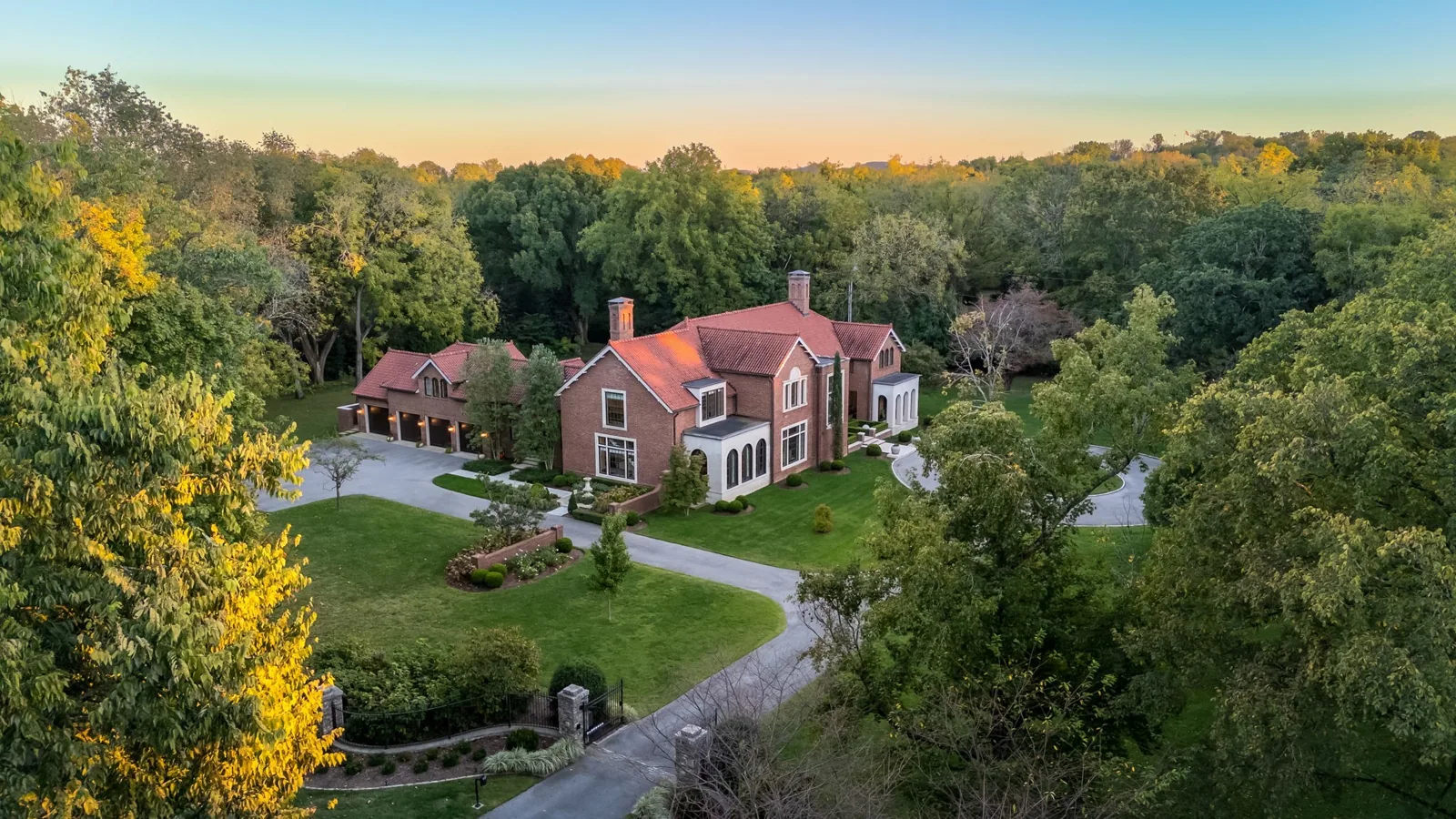
A drain strainer packed solid with leaves, with a skim of water standing above it a day after the rain, is the first sign. It looks like housekeeping. In Oak Hill, TN, a Davidson County city of about 8 square miles with 4,891 residents in 2020 and its own municipal government within Metro Nashville, tree cover is part of the setting: most of Radnor Lake State Park lies within the city. Where trees overhang a roof, the strainer is where a long failure begins.
We walk it backward from the packed strainer to the seam it will eventually reach.
The strainer that holds a pool
A drain strainer is a small piece of metal that decides whether a roof sheds water. When leaves, seed pods and grit fill it, the flow slows and a pool forms around the drain. The pool loads the membrane and sits against the seams, and heat and cold work on it every day.
We photograph each strainer as found, clear it and photograph it again. Then we measure the pool's depth after the next rain. A strainer that fills again in a few weeks points to a tree problem, and the log shows the pattern: which drains clog, how often and what falls on them.
Gutters are part of the same check. A gutter that holds a year of leaves overflows at the first heavy rain and sends water down the wall face. The gutter run is photographed from the lift or the roof edge, cleaned and rechecked, and the downspout is flushed to prove it flows. A gutter that will not drain is flagged for repair.
Shade, leaf litter and slow wet
A roof under trees stays damp longer. Leaf litter holds moisture against the surface, and shade slows evaporation. Algae and moss grow in the damp zones and hold more water in turn. None of this tears a roof apart quickly. It ages the surface in patches and weakens seams where water sits.
The walk marks every zone where litter collects: valleys, behind curbs, against parapets and at the base of walls. We record the depth of the debris, the condition of the surface under it and whether the membrane is stained or softened. Franklin averages about 53.79 inches of rain a year, so damp zones have plenty to hold. A regular preventive roof maintenance visit clears them before they harm the surface.
Shade also changes the temperature story. A shaded section sees smaller swings than a sunny one, which is easier on the membrane, but the damp it keeps can be harder on the seams. We compare sections in sun and shade on the same roof and note how each looks, because the difference points to where the wear is coming from.
The cleanup itself is careful work. Debris is swept, not scraped, so the surface is not cut. Moss is removed with a compatible method, and the surface underneath is photographed for staining or softness. A treatment, if used, is chosen to suit the membrane.
Schools and their roofs
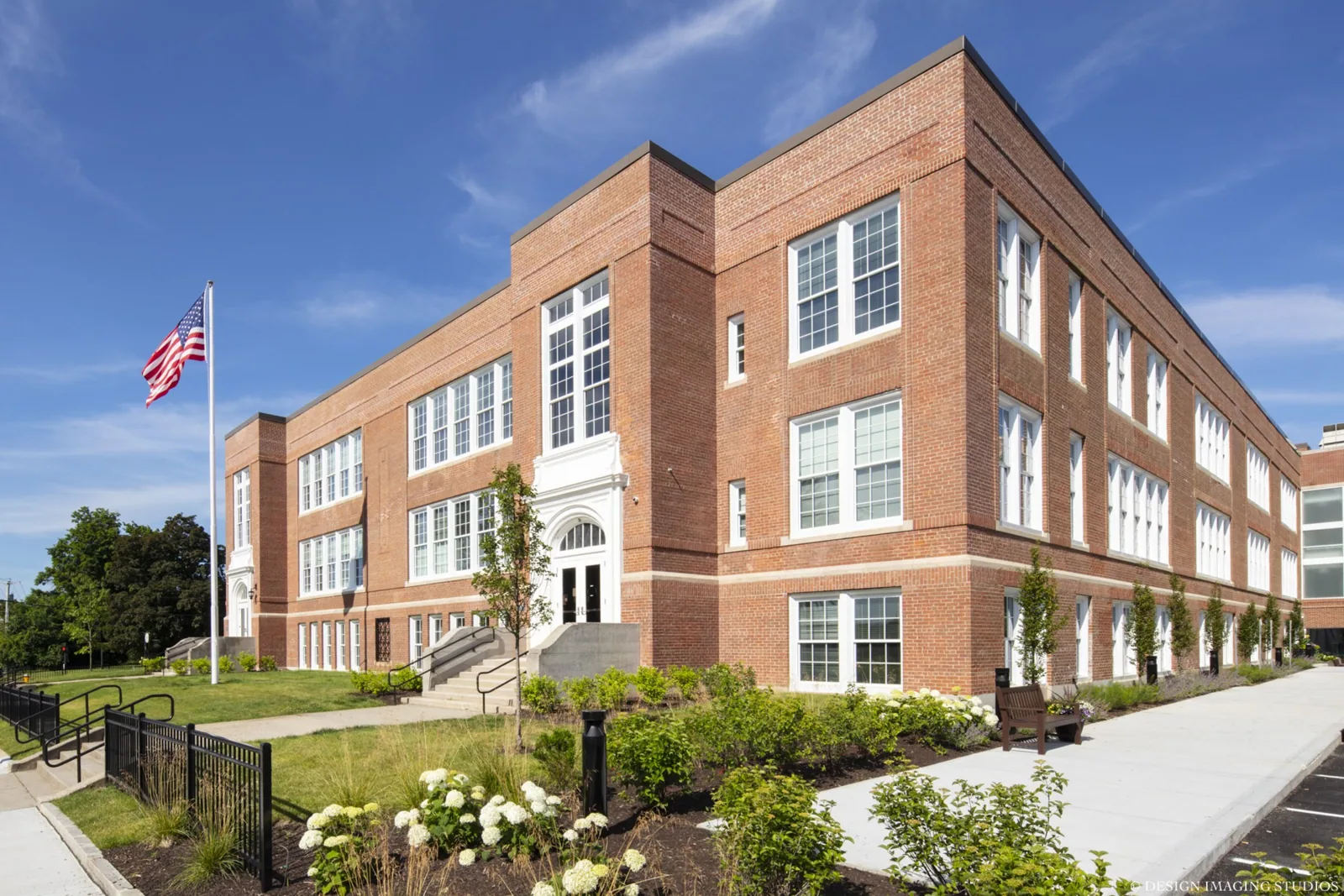
The institutional roofs in the city belong to schools such as Father Ryan High School, Franklin Road Academy, Oak Hill School, Benton Hall Academy, Glendale Elementary and John Overton High School. A school building has many roof sections: classroom wings, a gym, a cafeteria, a mechanical room and links between them. Each section has its own age, slope and drains.
We build a file for each building, number the sections and rate them. A head of facilities can then compare buildings on one scale and place the worst first. The file for a school roofing project holds the plan, the photographs, the ratings, the repair history and any warranty paperwork.
Gyms and cafeterias deserve a note. Their roofs are long and often have fewer drains per area, so a single clogged drain affects a large section. We check the outlets there first and measure the slope toward each one.
Walkways between buildings add a wrinkle. A covered link joins two roofs at different heights, and the joint takes water from the higher roof onto the lower one. We check that joint, the link's own drain and the wall flashing at each end, and we photograph all three as a set.
The school year as a repair calendar
A school year gives roof work a rhythm. Inspections and scoping fit the months when classes are in session, since a roof walk is quiet. Repairs that make noise or need open roof areas fit the summer. Emergency repairs go whenever water enters, and the permanent work follows when the building is empty.
The calendar makes the scope matter. A scope that arrives in March can be approved and bid before June. One that arrives in June leaves little time. We ask for the district or school calendar at the first call and work backward from the first day of summer. That is how a repair plan meets the budget cycle.
The calendar also guides the order of buildings. The worst-rated roof goes first in the summer plan, the next one second and the rest wait for later seasons. A chart in the file shows the sequence, with a column for each year and a note of what remains open at the end of each summer.
Public land, public buildings
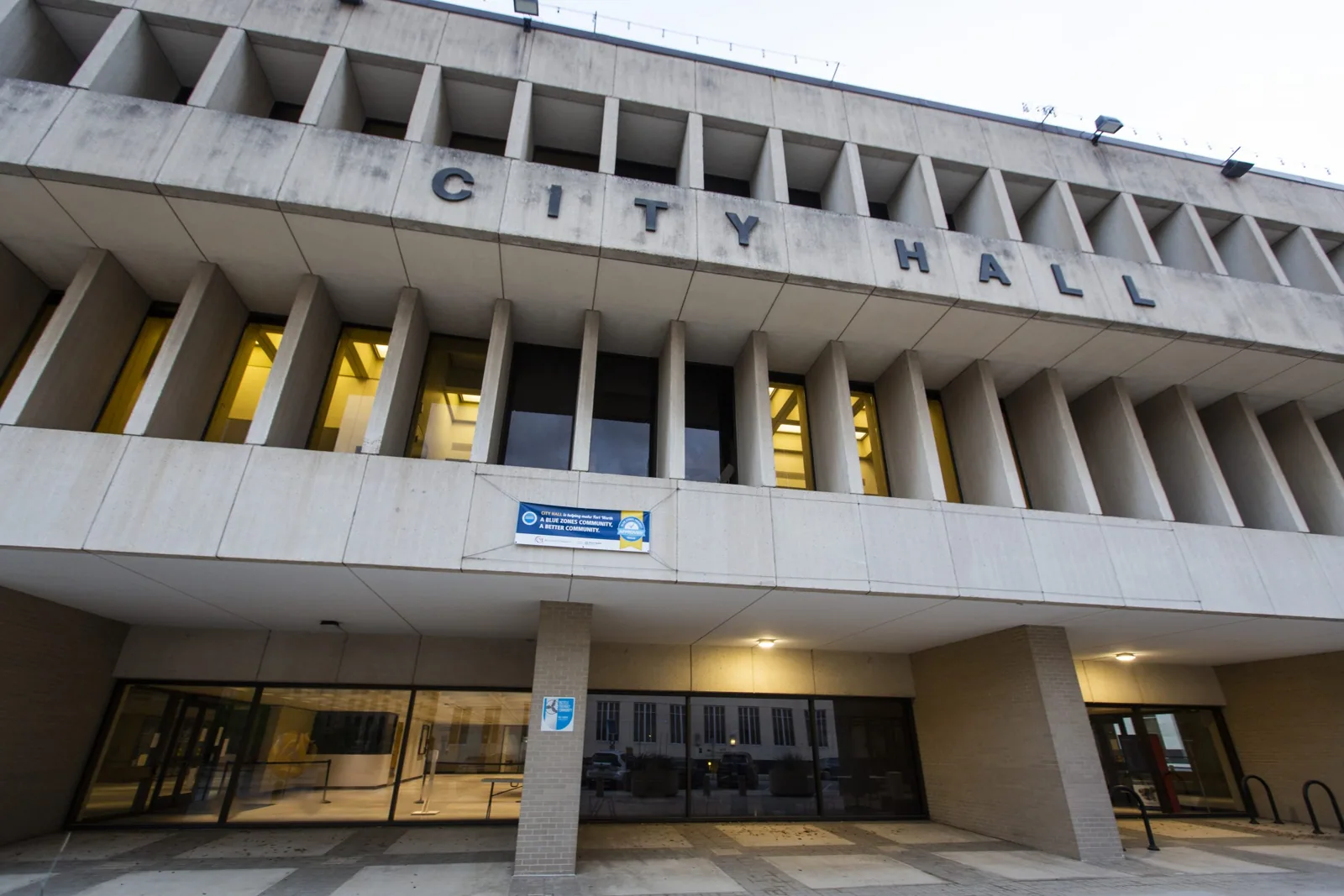
The Tennessee Governor's Mansion and most of Radnor Lake State Park lie within the city. Public properties follow public procedures: approved scopes, documented quotes, reporting formats and records that outlast any one staff member. A roof file for a public building must be complete enough to survive an audit.
We assemble that file as we go: the plan, the dated photographs, the ratings, the materials and the close-out package. The same format works for a government building roofing review and for private schools, so a manager with both can use one set of habits.
Access to public sites can be restricted. Security rules, visitor logs and escort requirements all affect how and when a crew reaches a roof. We ask about them at the first call and write them into the work order, so the crew arrives with the right credentials and the manager knows who is on site.
Records outlast staff. A facilities manager who retires leaves a file that the next person opens on day one, so the file has to explain itself: captions on photographs, a legend on the plan, dates on every entry.
How to confirm it, and what it costs
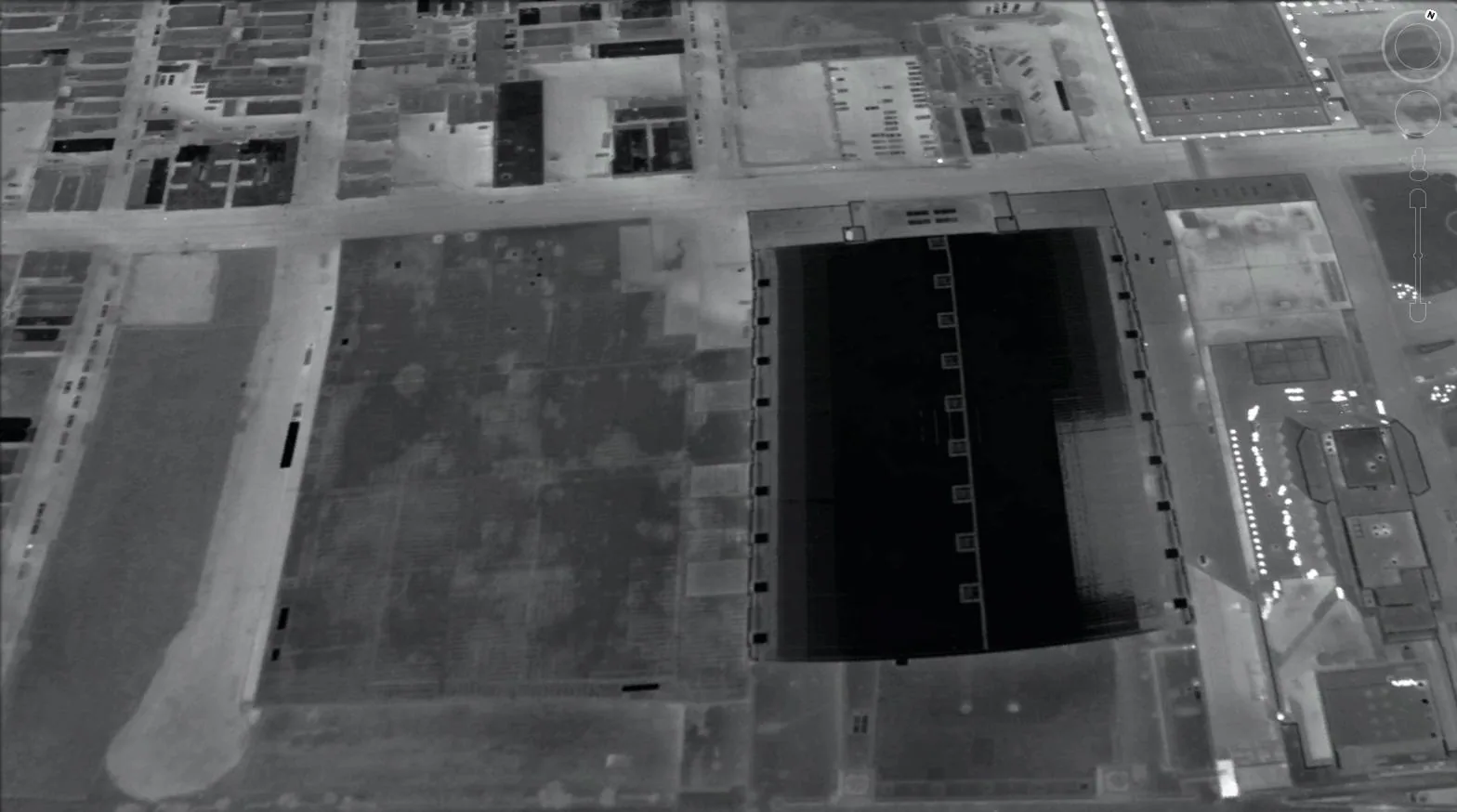
We confirm in order: photograph the strainer, clear it, measure the pool after rain, check the leader and scan the area with an infrared moisture survey. If the area is dry, the fix is maintenance. If it is wet, a core confirms the extent and the repair grows.
Cost follows the area, the access, the number of drains, the condition of the insulation and the system. For roofs under heavy tree cover, a scheduled drain-cleaning plan often costs less than one major repair. Owners with sites in Forest Hills or Belle Meade use the same steps.
The job ends with a file of photographs, a marked plan and a materials note, plus the date of the next drain cleaning, so the cycle continues without anyone having to remember.
Commercial Roofing Questions
How often should drains be cleared under trees?
After leaf fall and after storms that bring down limbs. The log shows how fast each drain fills.
Does moss harm a roof?
It holds moisture against the surface and ages it in patches. The walk marks the zones and the surface condition.
When is the best time to scope a school roof?
During the school year, so approval and bidding finish before summer.
Do public buildings need different records?
They need complete ones: a plan, photographs, ratings, materials and a close-out package.
Do you respond to emergencies?
Whenever water is entering. A crew clears the opening and the drain, and the permanent fix waits for summer if needed.