Commercial Roofing in Belle Meade, TN
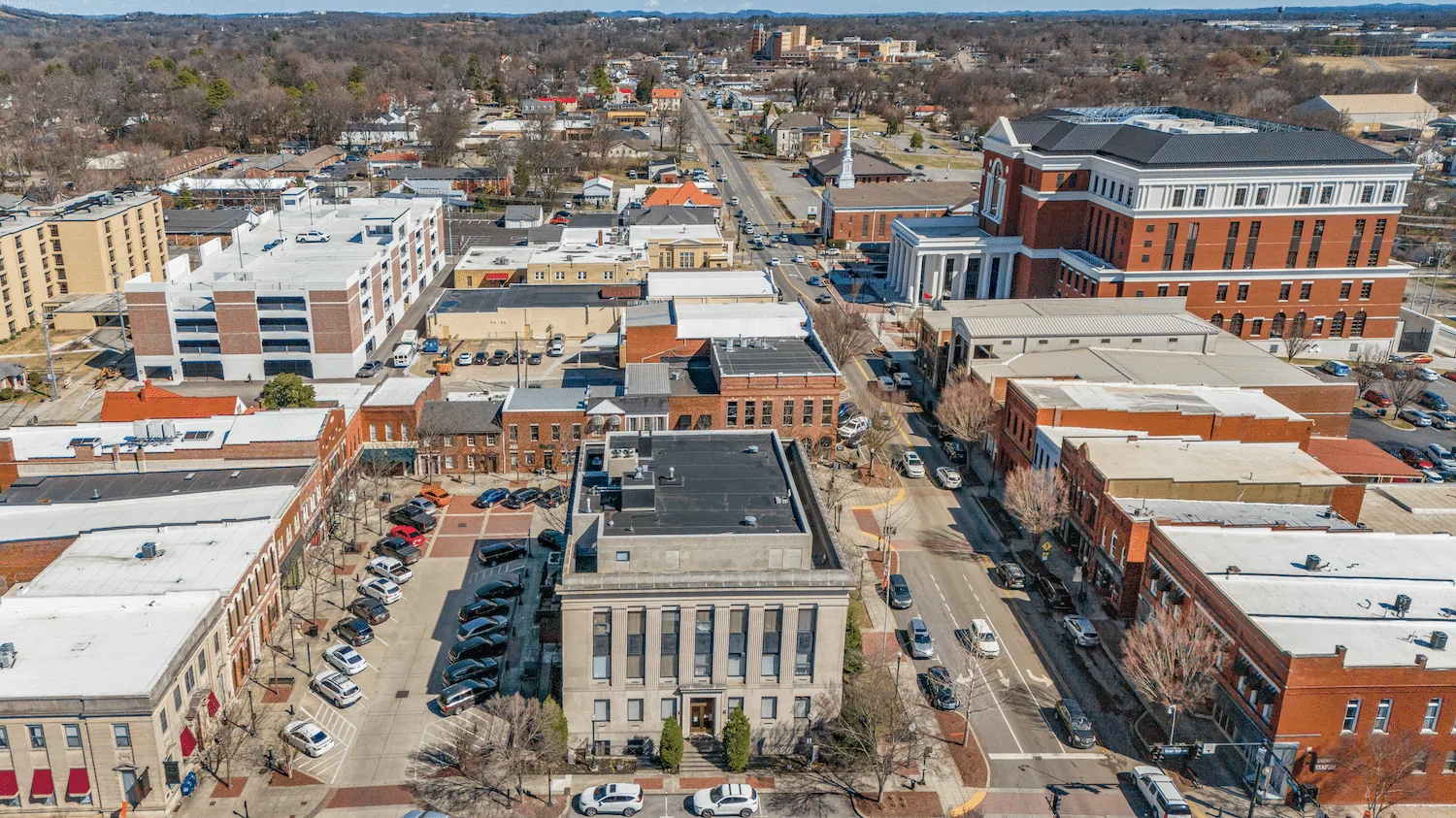
Out of sight from the street, a standing-water line on a low-slope section is the first sign. It sits behind a parapet or a pitched front, and it records every rain the roof has held for a day or more. In Belle Meade, TN, an independent 3.1 square mile city on Nashville's west side with 2,901 residents and its own city hall and police department, a formal building can show a pitched face to the road and hide a flat roof behind it. When that happens, the failure begins on the flat part.
We walk it backward from the water line to the low spot and the reason the water stayed.
The water line behind the facade
Standing water leaves a ring of dirt and a change in surface color. On a hidden section, the ring can build for years because no one looks. We photograph it, measure its depth after the next rain and mark it on the plan.
Then we ask why water stays. A strainer may be blocked, a drain may sit above the low point, insulation may have compressed under foot traffic or the structure may have deflected a little. Each cause has a different fix, and the measurement tells us which cause we are chasing. The photo trail records both the ring and the check that followed.
Weather helps date the ring. If the ring is dark at its center and pale at the edge, water has stood there repeatedly. If it is uniform, the water stood once and for a long time. We note the pattern and the date of the last heavy rain, because the combination tells whether the problem is chronic or recent.
Pitched fronts, flat backs
Many formal buildings have a steep front roof and a low-slope section behind it, where mechanical equipment, additions and connecting links sit. The low-slope section collects water from the steep one, and the joint between them is a classic leak point. Water runs down the slope and hits the junction at speed.
We check the junction first. We look at the flashing where the steep roof meets the flat one, at the gutters that feed the low section and at the drain that serves it. We also check for the added weight of equipment, since a unit placed in a low spot makes ponding worse. The details show on a numbered plan so the owner can see why a repair is in one place and not another.
Gutters at the base of a steep roof deserve their own look. A gutter that overflows in a downpour sends water over the edge and onto whatever sits below, including a flat roof, and a downspout that discharges onto the low section concentrates the load. We trace each downspout to its landing point and photograph it.
Added equipment makes a flat section work harder. A new unit, a satellite dish or a screen wall changes how water moves across the surface and can create a new low spot behind it. The log records when each addition was made, so a new pool can be tied to a new object.
Campuses at the perimeter
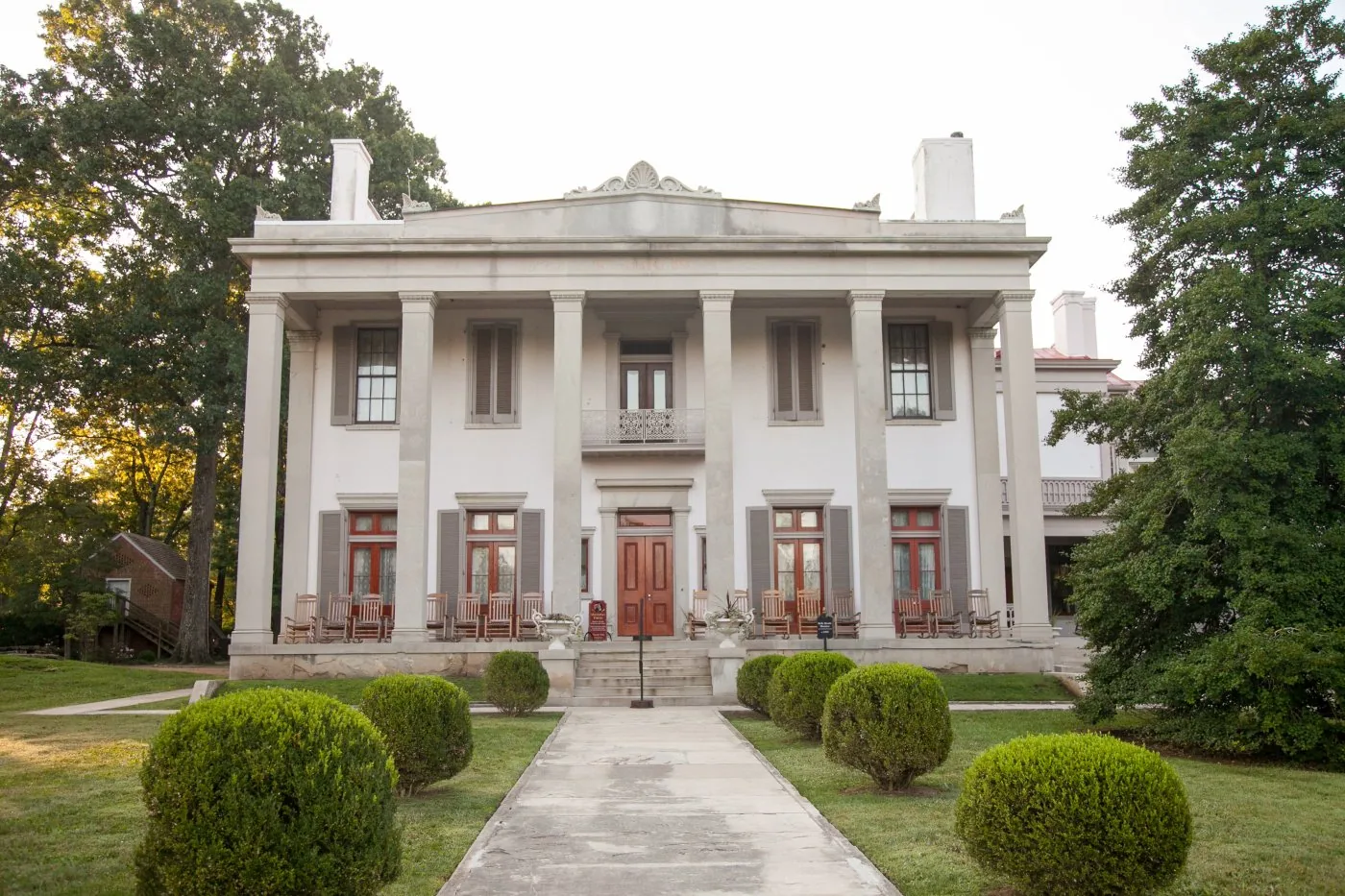
Institutional properties include the Belle Meade Country Club, the Belle Meade Historic Site and Winery, and private schools such as Harding Academy, Harpeth Hall, Montgomery Bell Academy and The Ensworth School near the perimeter. A campus has many buildings of different ages, and the roof plan for one is not the plan for another.
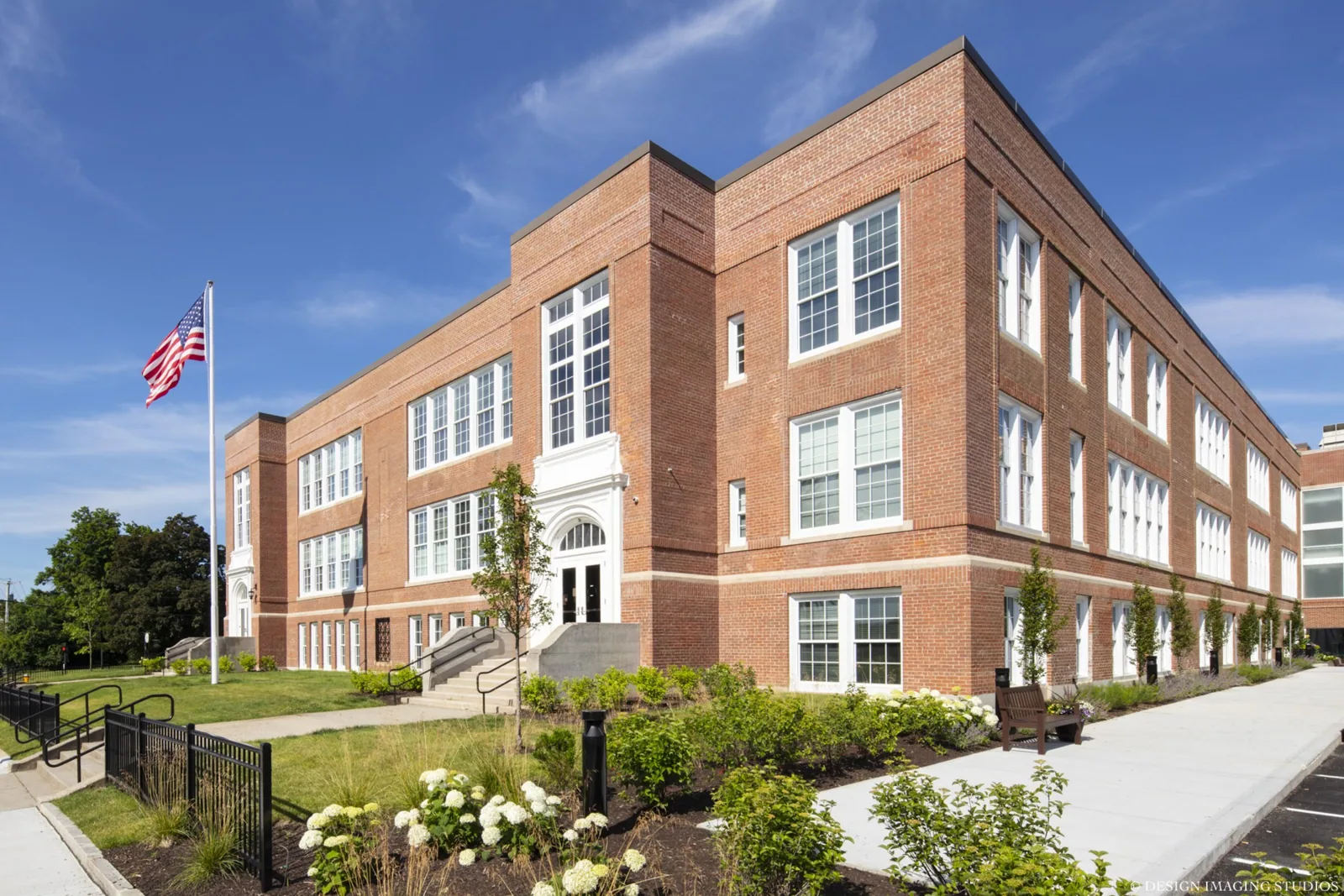
For a school, we build one file per building, rate each section and rank the work across the campus. The summer window drives scheduling: inspections happen in the school year, and the work follows when classes end. A school roofing program for several buildings uses one rating scale, so a head of facilities can compare them and brief a board.
The file for each building lists the roof system, the sections, the repair history and the warranty paperwork. A head of facilities who inherits the campus can open any file and know where to start. A roof condition report for each building sets the baseline for the budget request.
Club and historic-site calendars
A country club or a winery and historic site hosts events. Weekends fill with guests, and weekday mornings may be quiet. A roofing plan for those properties begins with the event calendar. Noisy work belongs on quiet days, protective covers stay ready for the busiest ones, and the work area is fenced from guest paths.
For a hospitality property of any type, the same method applies. We mark guest areas on the plan, schedule tear-off and fastening away from events and keep a crew member on site who can answer a manager's question in a minute.
Guest comfort is the other consideration. A roof job that produces a smell, a dust cloud or a noise during an event is a problem for the owner, not the roofer, so the plan says in advance which materials are used and how dust is controlled.
Professional and healthcare roofs
Offices and clinics need clean ceilings and steady air handling. A leak over an office or a clinic room disrupts work, so the response plan starts with protecting the room and then tracing the cause.
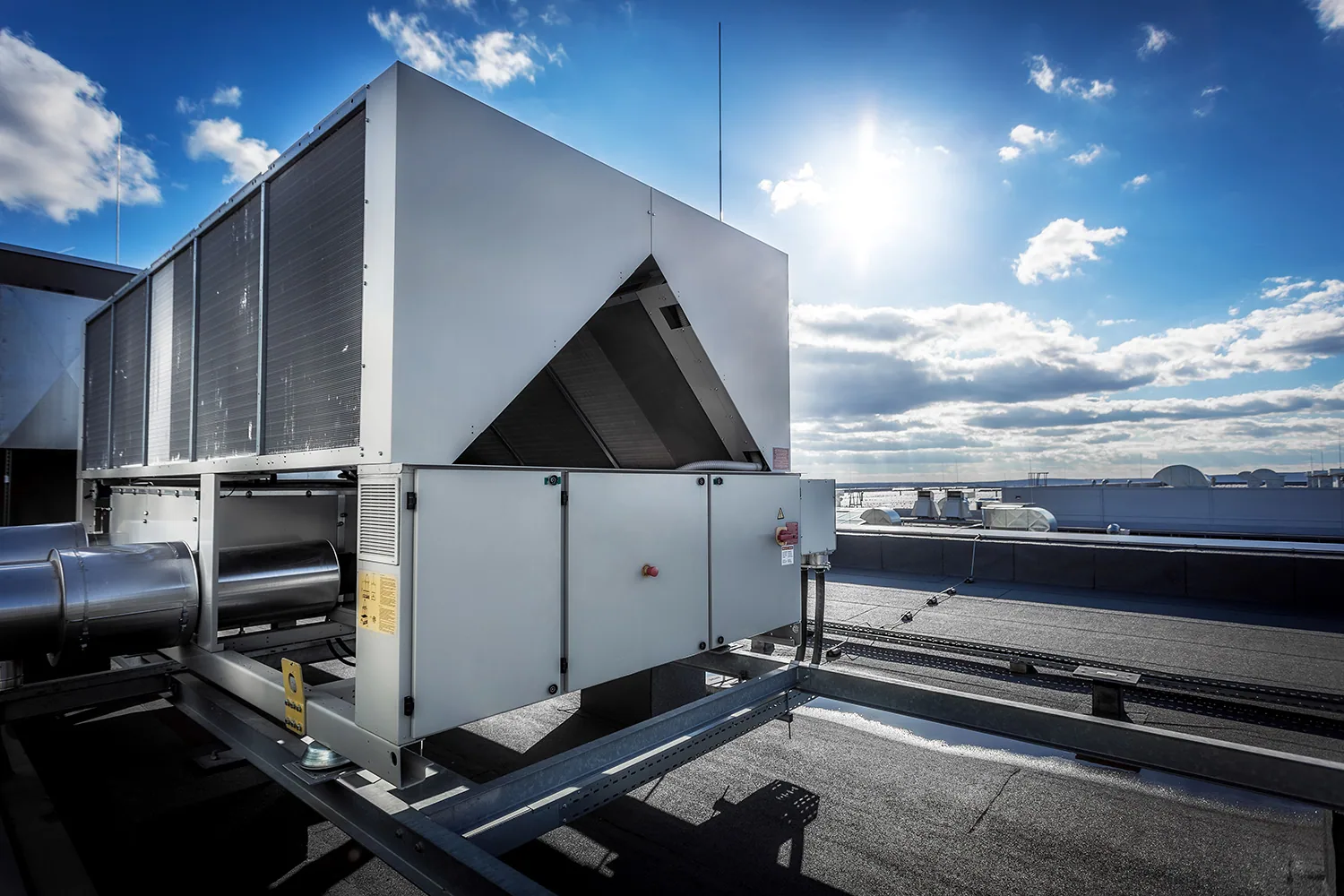
We list each rooftop unit, its curb and its condensate line on the plan. Condensate that drips on the membrane is a frequent cause of local wear, and an equipment curb and support check finds it. A medical office roofing job follows the same sequence.
Air handlers add their own risk. A unit that cycles in summer heat produces condensate, and the line that carries it must drain somewhere. When the line empties onto the membrane, the spot beneath it stays wet and ages quickly. We trace each line, photograph the discharge and note whether the surface is stained, algae-covered or softened.
Service technicians walk the same path to the same units, so the membrane there wears first. We mark the path on the plan and recommend walk pads where the wear shows. A small pad costs little and protects the roof that the units sit on.
How to confirm it, and what it costs
We confirm in order: photograph the water line, measure it after rain, check the drain, scan with an infrared moisture survey and cut a core where the scan shows warmth. The result is a bounded repair, a drainage change or a larger scope.
What the work costs depends on how much roof is involved, how it is reached, how many penetrations it has and which system is on it. Hidden low-slope sections behind formal fronts can be hard to reach, and the scope says so. Franklin's mean July high is near 91 degrees, and the same heat bakes standing water into the membrane beneath it, so the file notes the date and weather of every measurement. Owners with sites in Oak Hill or Bellevue use the same steps.
The finished file is short, specific and dated: photos, a plan and a materials note. It answers most questions a board, an insurer or the next facilities manager will ask.
Commercial Roofing Questions
Why does a flat section behind a pitched roof leak?
Water from the steep roof pours onto the flat one and meets a flashing joint at speed. That junction is the first place to check.
Can one campus file cover many buildings?
One format covers all of them, with a separate plan and rating for each building.
How do you work around events?
The calendar goes on the work plan. Noisy tasks go to quiet days and covers stay ready for busy ones.
What if a unit drips on the roof?
The condensate line is rerouted to a pad or drain, and the worn spot is repaired.
Do you offer emergency help?
Around the clock, with event days handled by phone first. The first visit stops the water and records where it came from.