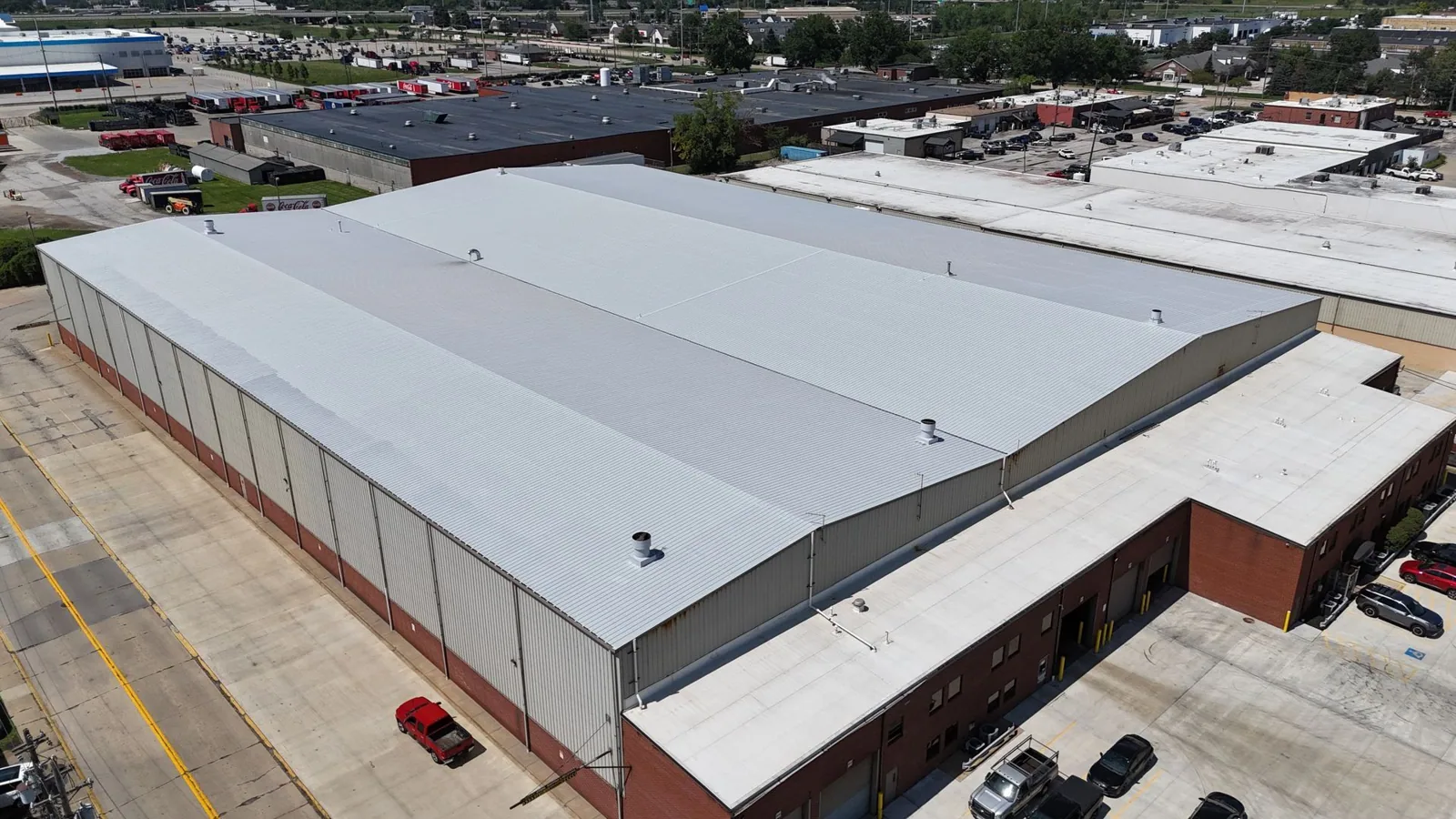
Roof Coating Restoration in Franklin, TN
A coating that blisters six months after it goes on is a failure with one common cause: it was applied over a wet layer. The first sign is a raised bubble the size of a palm, and the cause sits underneath in the insulation. Roof coating restoration works when the roof beneath is dry and sound, and it fails when it is not. In Franklin, TN, where July highs run near 91 degrees and the record high is 108, a coating can add service life to a sound roof, provided someone checks the layers first.
We walk the process backward from that failure, so a property manager can see why each step comes before the coating and where the money goes at each stage. The same order applies to a small shop roof and a large distribution roof.
Does the Roof Qualify?
A roof qualifies when four things are true. The membrane is intact, with no widespread splits or open seams. The insulation is dry across the section. The deck is sound. The surface can be cleaned and will accept a bond.
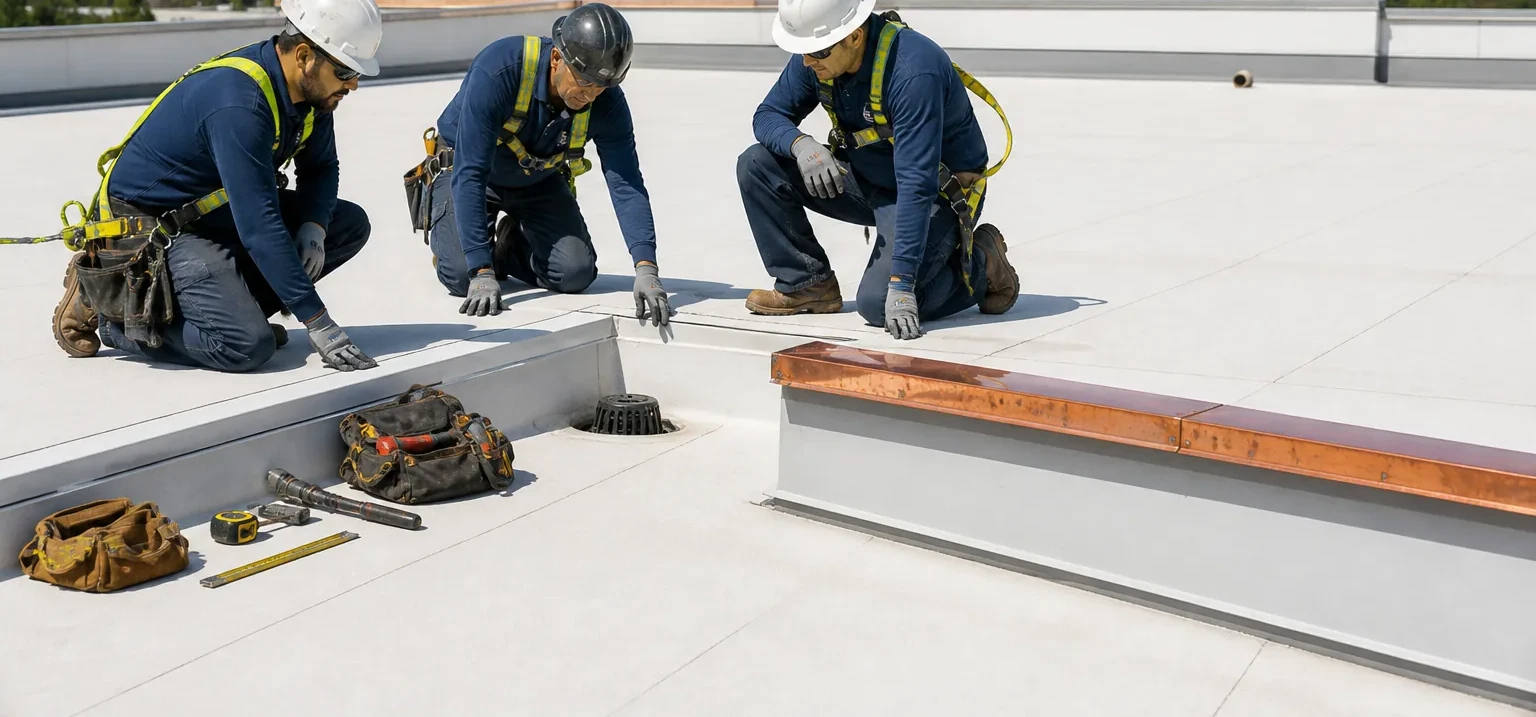
We confirm each one. A walk shows the surface and the seams. A moisture scan shows the insulation. A core cut shows the layers and the deck. If any answer is no, the section moves to repair or replacement, and the coating waits.
The walk also looks for the less obvious disqualifiers: a deck that deflects underfoot, fasteners that have backed out through the membrane, and old patches that have lifted. Each one is marked on the sketch with a photograph. A roof can qualify in one section and fail in the next, and the report says which is.
What Heat Does to the Surface
A dark roof in Franklin summer runs far hotter than the air, and the surface moves with every swing. The top layer chalks, small cracks open at folds and corners, and sealant dries and pulls from its edges. These are surface symptoms, and they can appear well before the roof leaks. Catching them at that stage is what makes a coating worth considering.
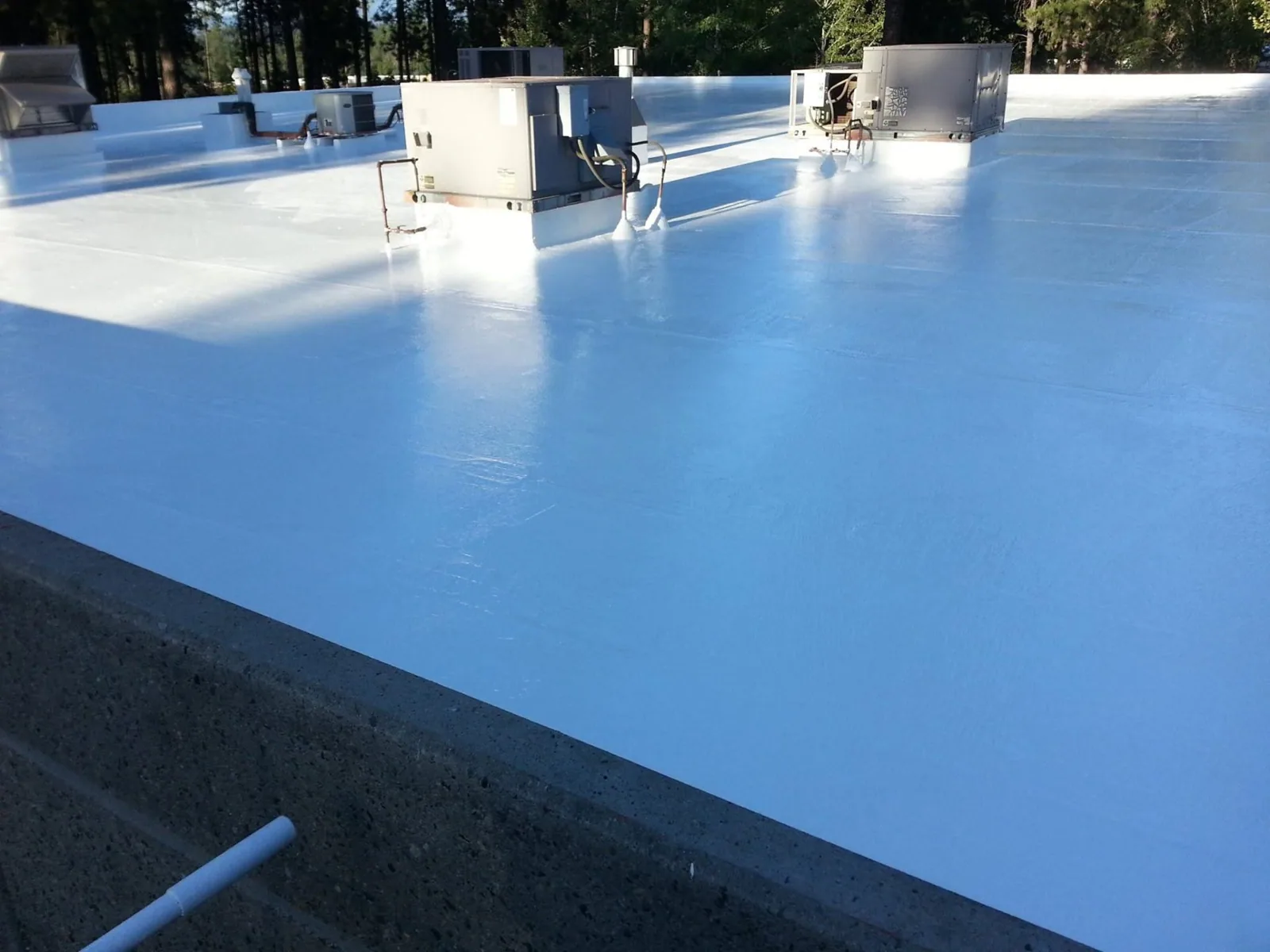
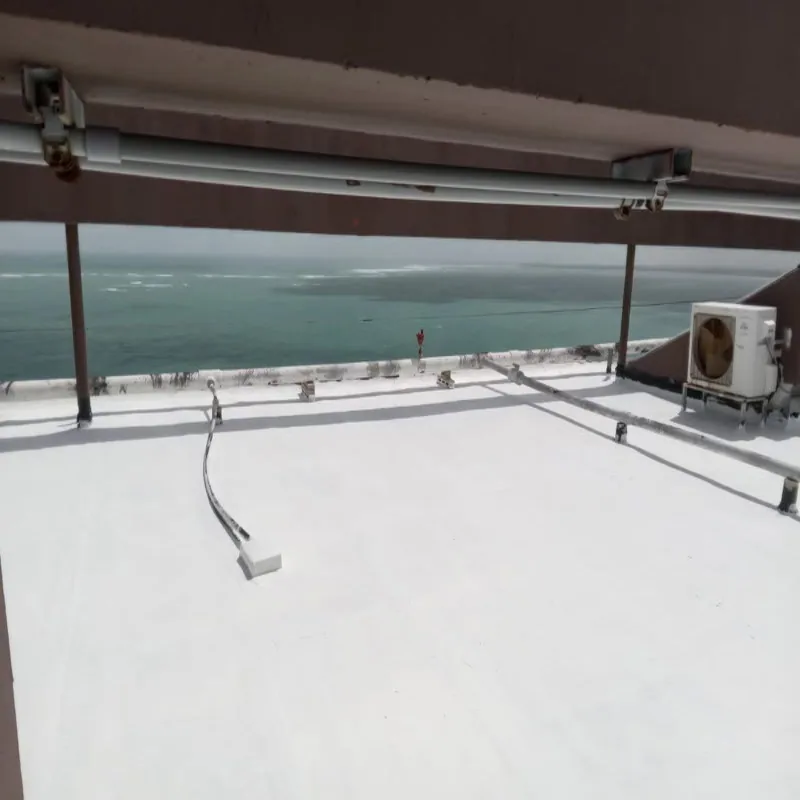
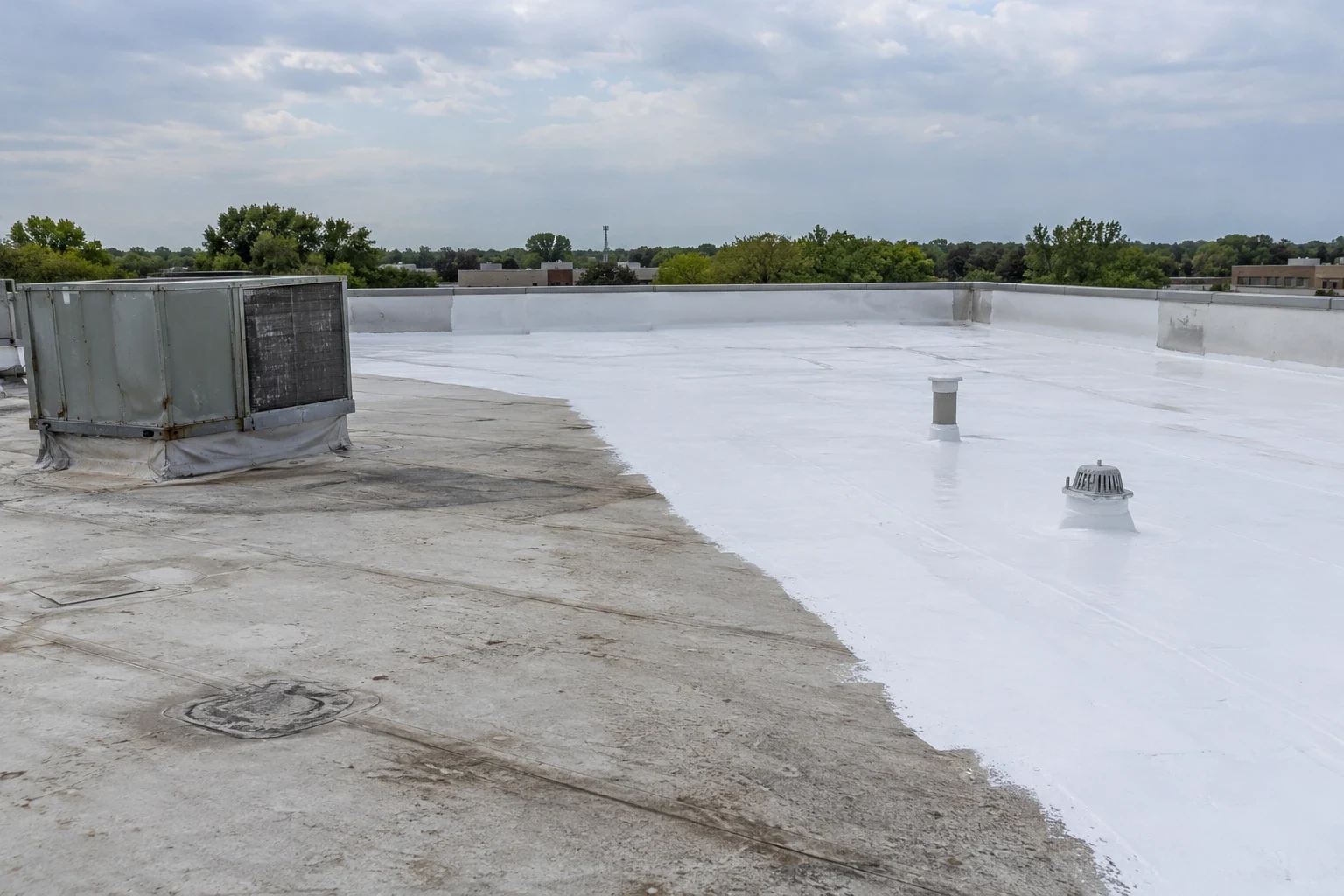
A coating answers them. It adds a reflective skin that lowers surface temperature, covers hairline cracks and renews the weather face of the membrane. The effect is real on a sound roof, and it shows up as a cooler surface and fewer open cracks at the next inspection. It is not a cure for a wet one, which is why the checks come first.
The movement also works the flashings. Where the membrane turns up a wall or a curb, heat and cold pull it back and forth, and the termination loosens a little each season. We check those edges before and after coating, because a coating over a loose termination only paints the problem.
Silicone, Acrylic and What Fits
A silicone coating tolerates standing water and holds its reflectivity under sun. An acrylic coating costs less and suits roofs that drain freely, but it does not like ponds. Franklin gets about 53.79 inches of rain a year, so drainage decides the choice more often than anything else.
We read the standing-water lines on the roof before choosing. A dirt ring at a low spot says the roof ponds, and that points toward silicone or toward correcting the low spot first. A roof that sheds water cleanly is a good acrylic candidate.
Heat limits the day. Coatings cure in a window of temperature and humidity, and a surface that is too hot or too wet will not cure evenly. We start early, watch the forecast two days ahead and hold the work if rain threatens, since a coat that has not cured can wash out.
Preparation Decides the Bond
Prep takes more time than the coating itself. The surface is cleaned, rinsed and dried. Seams are checked, and lifted ones are welded, taped or sealed. Flashings at walls, curbs and pipes are rebuilt where they have pulled loose. A small adhesion patch shows whether the coating will hold.
Primer goes on where the coating system calls for it. Fabric reinforces seams and penetrations. Only then does the field coat go on, in the thickness the system requires. We measure thickness as we work, since a thin coat wears out early. A wet-film gauge and a record of coverage per section go into the file, so the next inspection can check the work against the plan.
Which Buildings Are Candidates
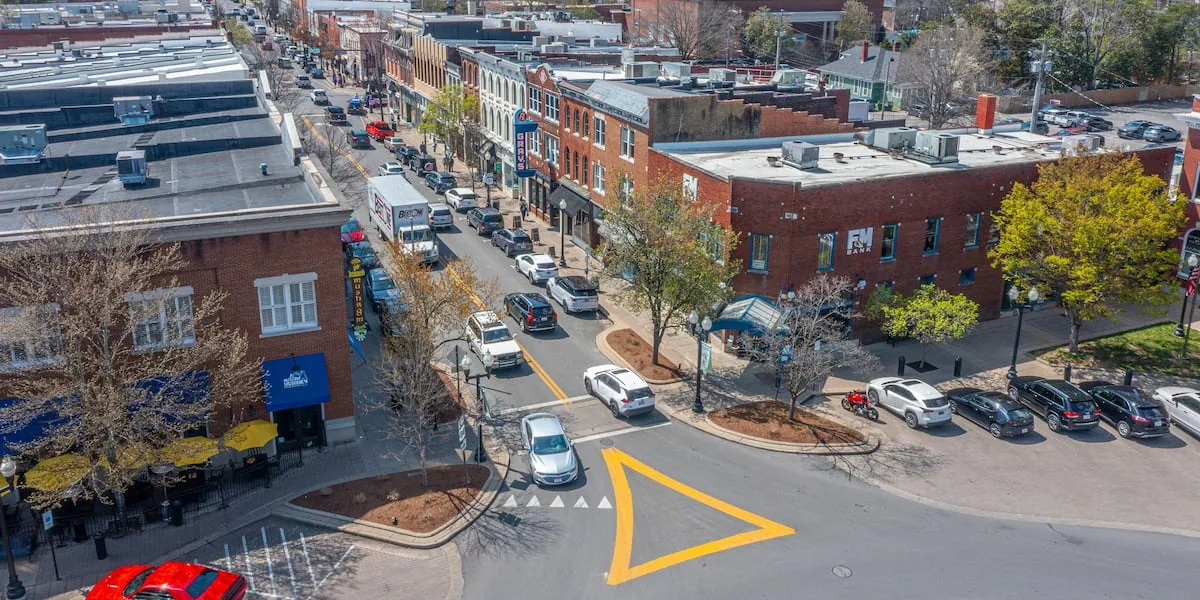
Large, low-slope roofs with few penetrations are the usual fit. Along Columbia Avenue, Southall carries close to half of Franklin's industrial development, and its larger warehouse-style buildings also house commercial and office space. Offices and showrooms occupy similar warehouse-style buildings on the west side of the CoolSprings Galleria. A sound roof on a building of that type may qualify.
The same holds for Columbia Avenue and Southall and for retail strips in Cool Springs. A roof qualifies after the core cut, not from its address. Our warehouse roofing work uses the same test. Where the roof is part of a multi-tenant building, the schedule also respects tenant hours and keeps the odor and dust of prep away from air intakes.
Roofs crowded with equipment are harder candidates, because each curb needs reinforcement and each unit blocks the spray or roller. They can still qualify. The cost goes up with the number of penetrations, and the report lists the count so the owner can see why.
What Coating Cannot Do
It cannot dry wet insulation. It cannot rebuild a deck. It cannot hold a lifted seam in place. It cannot make a roof with widespread splits sound. When a roof is past those limits, the choice is a recover over dry insulation or a replacement.
Where the line falls is a call the property manager can make with the report in hand. The report names the sections that qualify, the sections that need repair first and the sections that do not belong in the coating scope. It also lists what the building's occupants will notice, which is little, and what the crew needs for access and staging. It states the order of work: repairs first, then cleaning, then the coat, so no section is coated before it is ready.
Commercial Roofing Questions
How long does a coating last?
The range depends on the roof's condition, the coating system and the thickness applied. We state it in the scope after the core cut. A coating extends service life on a sound roof; it does not reset the roof.
Can a coating stop an active leak?
Not by itself. We find the leak, repair it and confirm the insulation is dry. Then the coating goes on.
Does a coating change the warranty?
It can. Some manufacturers require approved systems and prep. Send the warranty, and we will check the terms before the scope is set.
Will the building run cooler?
A reflective surface lowers roof temperature, which can reduce heat entering the building. The size of the effect depends on the insulation and the equipment below.
How is the cost set?
By roof area, surface condition, the number of penetrations and the coating system. The prep work often costs as much as the coating itself, and the scope lists each line.
What should I send to start?
Start with a roof plan, the roof's age and the leak history. The roof walk does the rest, and a short written summary follows.