Acrylic Roof Coatings in Franklin, TN
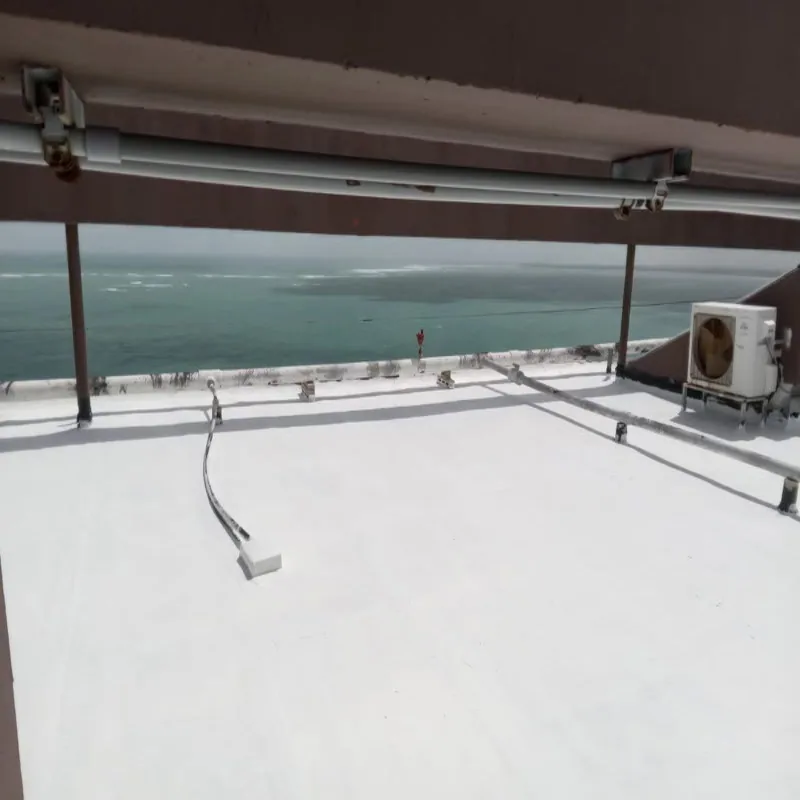
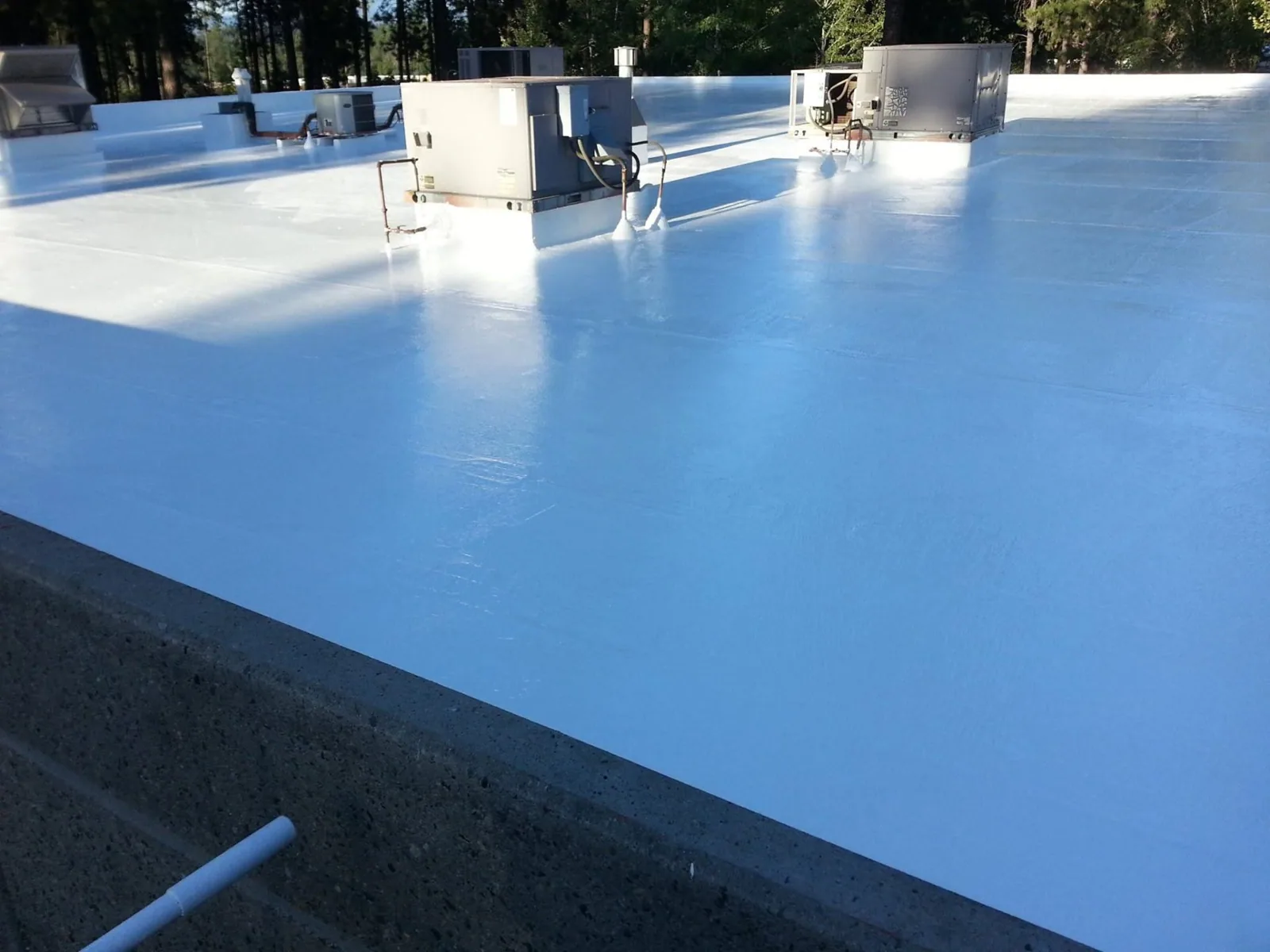
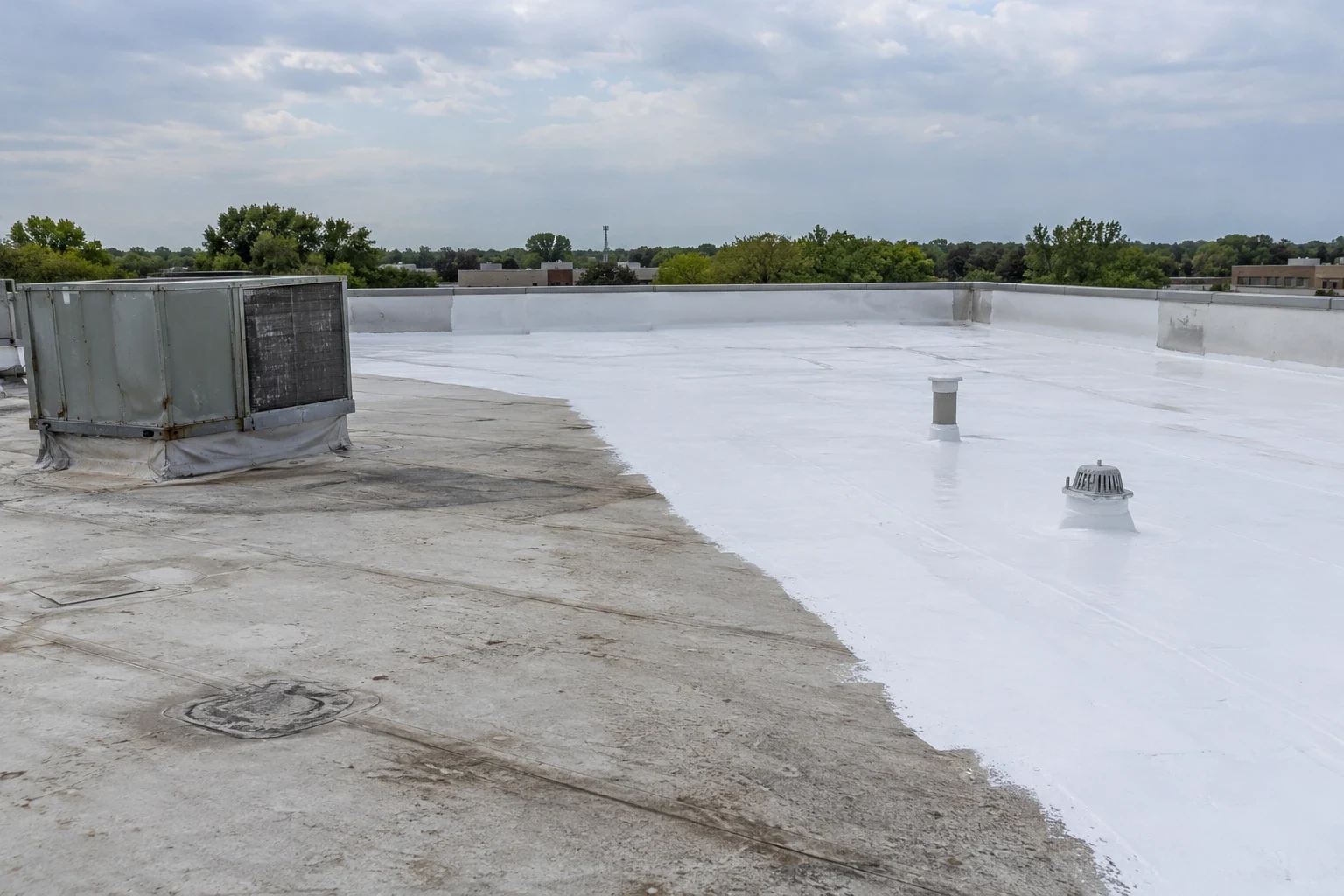
White flakes in a gutter, and a coating that has lifted in a thin sheet at the low end of the roof, are the first signs that an acrylic coat did not survive its first wet season. The flakes are where the film stopped bonding, and the job is to walk the failure backward: was the roof wet when it was coated, did rain arrive before it cured, or did water stand on it afterward? Acrylic roof coating is a water-based product that dries into a white, reflective film. It costs less than most alternatives, goes on easily, and works well on roofs that shed water.
Rain in Franklin, TN adds up to about 54 inches a year, with July afternoons near 91 F and hard freezes to match. Commercial Roofing Franklin explains the sequence acrylic needs to succeed, tests the roof before recommending it, and writes down what we find in a short summary.
What acrylic is and is not
Acrylic cures as its water evaporates, forming a tough film. It reflects sunlight, lowers roof surface temperature, and is easy to touch up with the same product. It is not a repair for open seams or wet insulation, and it softens when it sits in standing water. That is the main difference from silicone, which tolerates ponding. On a roof that drains well, acrylic is a sound and economical choice. On a roof that ponds, it is the wrong coating until the drainage is fixed. Acrylic is also vapor permeable to a degree, which lets small amounts of moisture escape from below instead of sealing everything in. That can be an advantage on a roof with a trace of damp, though it is not a license to coat over wet insulation, and we still scan and cut test samples before any coat is applied.
Drainage first
We measure how long water stands after rain, check every drain strainer, and look for the algae ring that marks the standing-water line. If water stays more than a day or two, we trace the cause: a clogged drain, a drain set above the low spot, or a deck that has sagged. The Harpeth's May 2010 flood is a reminder of what happens when water has nowhere to go. On a roof, the fix is cheaper: clean the drain, add tapered insulation, or install another drain. Then the coating can proceed. We photograph the drain bowls and the standing-water line before and after the drainage fix, so the file shows the cause and the cure side by side. If the water still stands after cleaning, the roof is not a candidate for acrylic, and we say so before the quote is written, not after the first coat is down.
The weather window
Acrylic needs a dry surface, air and surface temperatures above the product's minimum, and several hours without rain while it cures. In Middle Tennessee, spring and summer storm lines can arrive fast, and a coat that is rained on before it cures washes out or leaves pinholes. The crew leader checks the forecast and the dew point each morning and works in sections that can be finished and cured before conditions change. In cool weather, the window is narrow, and we would rather wait for a good week than coat a wet roof. Afternoon showers are common in a Middle Tennessee summer, and a section that is coated at nine in the morning has to be dry enough to survive a shower at three. We size each day's work to what will cure by then, and we keep tarps on site to cover a fresh section if the sky changes. A coating day that ends early is better than a coat that has to be redone.
Surface preparation
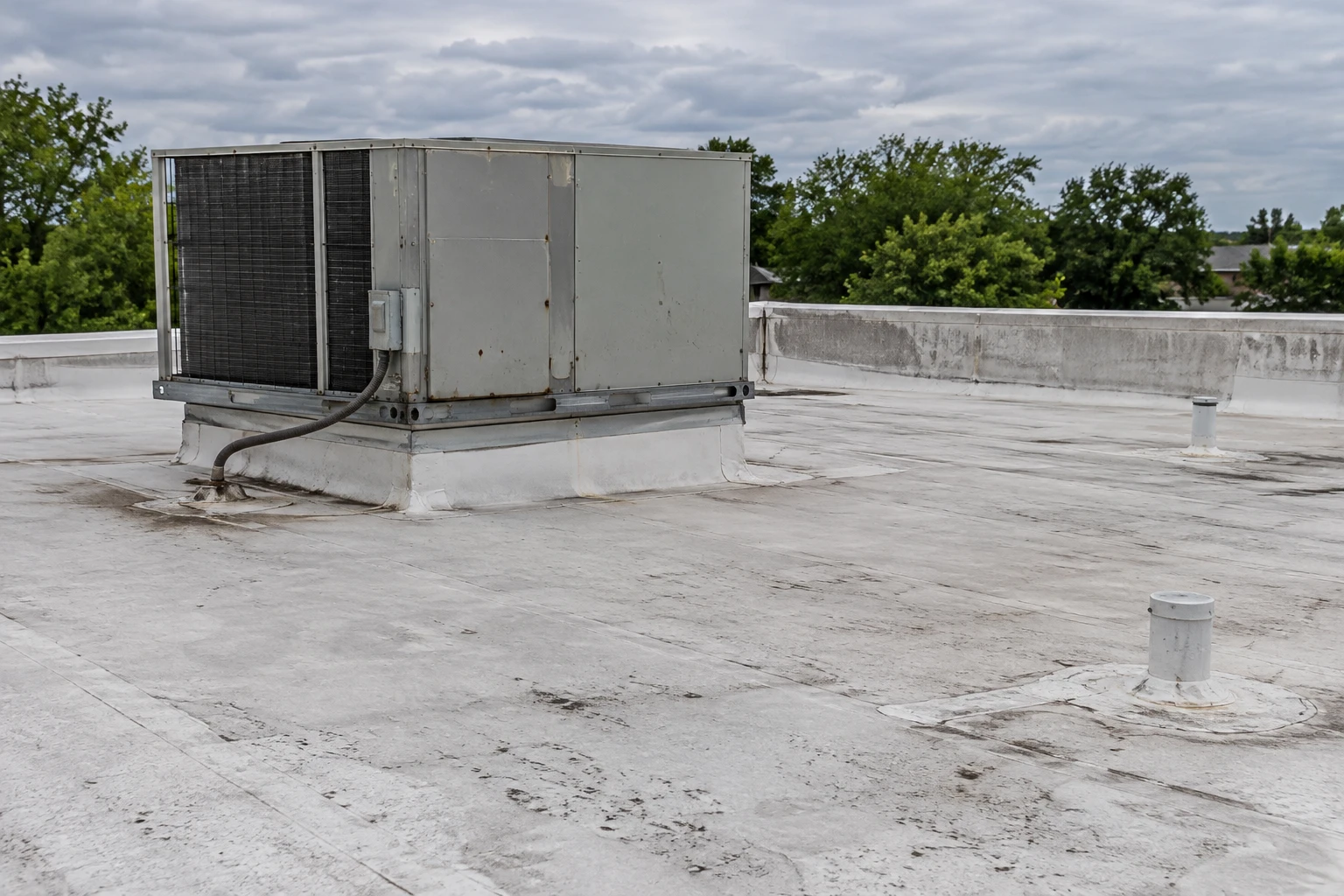
The roof is cleaned of dirt, algae, and loose coating. Seams are reinforced with fabric and mastic, fasteners are sealed, and flashings at walls, curbs, and penetrations are rebuilt. Rust on metal is wire-brushed and treated. A small adhesion test comes first, since some surfaces need a primer and some will not hold acrylic at all. Old silicone coatings, for example, cannot be recoated with acrylic. Prep takes more time than spraying, and it is the reason a coating looks the same in year five as it did in year one. Algae gets a biocide wash and a rinse, since coating over living algae lets it grow under the film. Chalky old coatings are washed until the loose surface is gone. Blisters in an old roof are opened and dried, and open cracks are filled. Each preparation step is noted in the log with a photograph, so the owner can see what lay under the white.
Hail, wind, and tornado lines
Franklin's EF0 tornado of August 2023 and the three-quarter-inch hail mentioned in the July 2026 warning for northeastern Williamson County are the weather a coated roof has to be ready for. A coating adds no uplift resistance, so we check the roof beneath and its edge metal after a storm. Small hail can crack the film over a dent. We look for cracks, then repair them with local coating and reinforcement. The photo trail shows the roof before and after. We also walk the perimeter, because the coating at the edge takes the most abuse from wind-driven rain and from loose flashing. A lifted edge metal piece lets water behind the film, and the film then peels from the edge inward, which is a common way for a coated roof to start failing in the first wet season.
When a coating is the right answer
A coating fits a dry, sound roof that the owner wants to extend. A roof coating restoration is quicker and less disruptive than a tear-off. A roof with wet insulation, failed flashings, or extensive damage should be repaired or replaced first. Acrylic works over aged modified bitumen, built-up roofs, metal, and some single-ply sheets, once tested. A roof with a layer of old gravel is cleaned of loose stone first, and a gravel roof that cannot be cleaned is not coated. The building official clarifies requirements for any scope that changes the assembly, now that the state's 2021 code editions are in effect.
Where it fits in Franklin
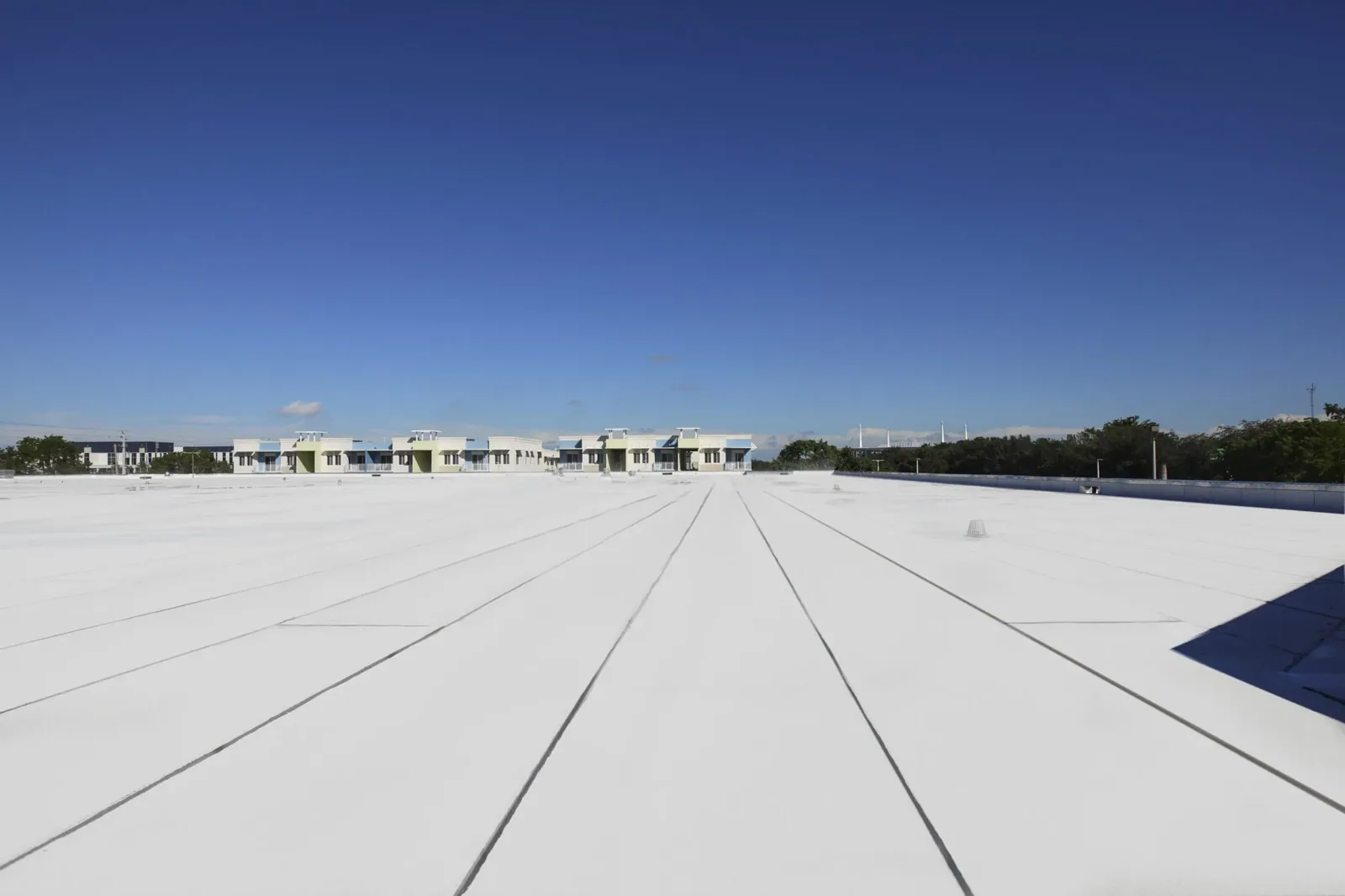
Low-slope roofs with good drainage are the best fit, including the large, flat roofs of buildings across the McEwen area. Owners near Cool Springs and on the Carothers Parkway corridor can use a coating to extend a sound roof, and a cool roof installation may use acrylic as the reflective layer. The cost drivers are the roof area, the repair work before coating, the number of coats, and access.
Commercial Roofing Questions
Can acrylic go over silicone?
Generally not. It will not bond to a silicone surface. We test an area, and if silicone is present, the recoat is silicone.
How soon can it rain after coating?
Not for several hours, and longer in cool or damp weather. We schedule coating for dry stretches and cover sections if a shower is forecast.
Will acrylic stop leaks?
It seals small cracks and pinholes. Open seams, failed flashings, and wet insulation are repaired first.
How many coats are applied?
Usually a base coat, reinforcement at seams and details, and a top coat, with thickness measured as we go.
Does it lower cooling costs?
A white surface lowers roof temperature in summer. Dirt reduces the effect until the roof is washed.