Rooftop Equipment Curbs and Supports in Franklin, TN
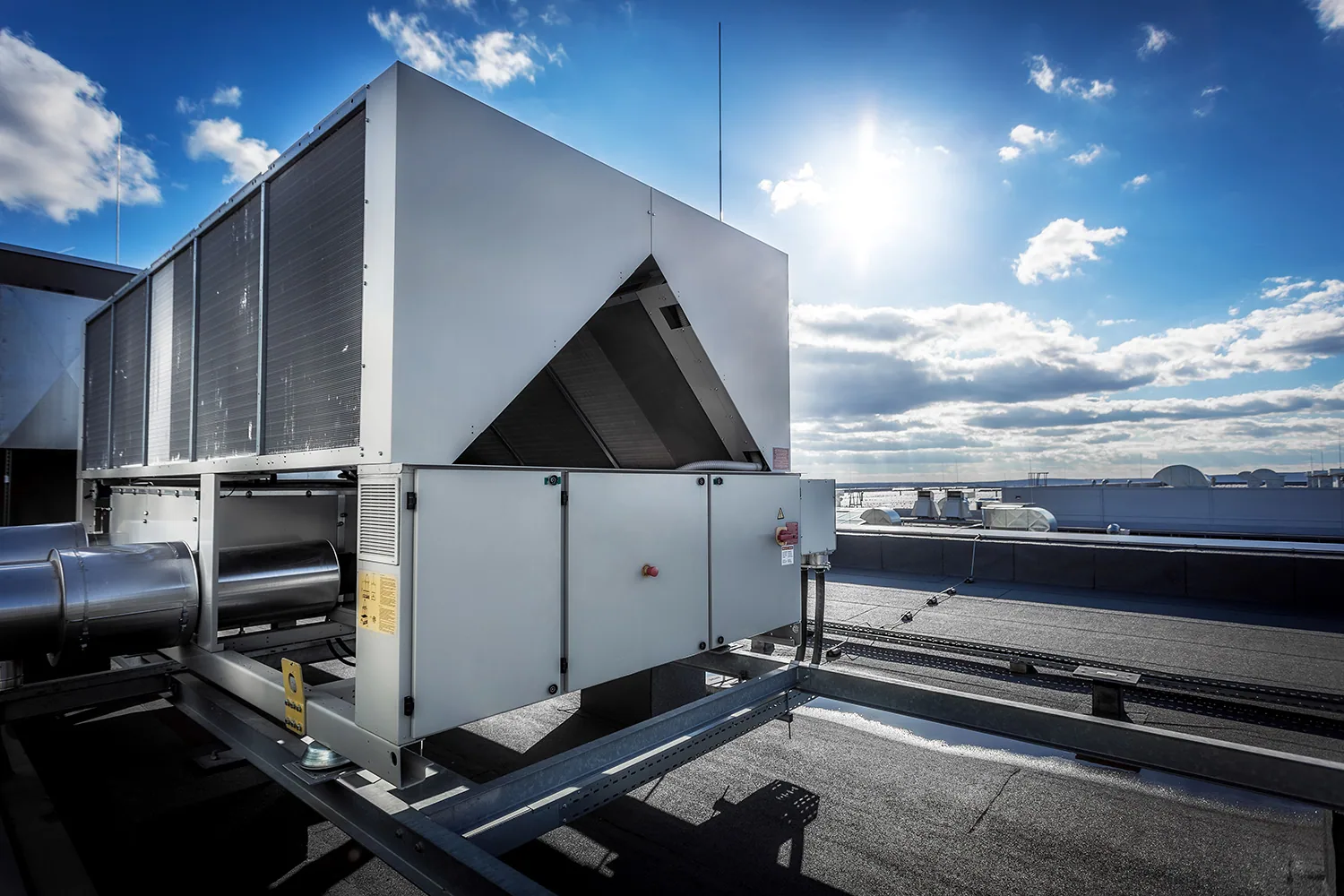
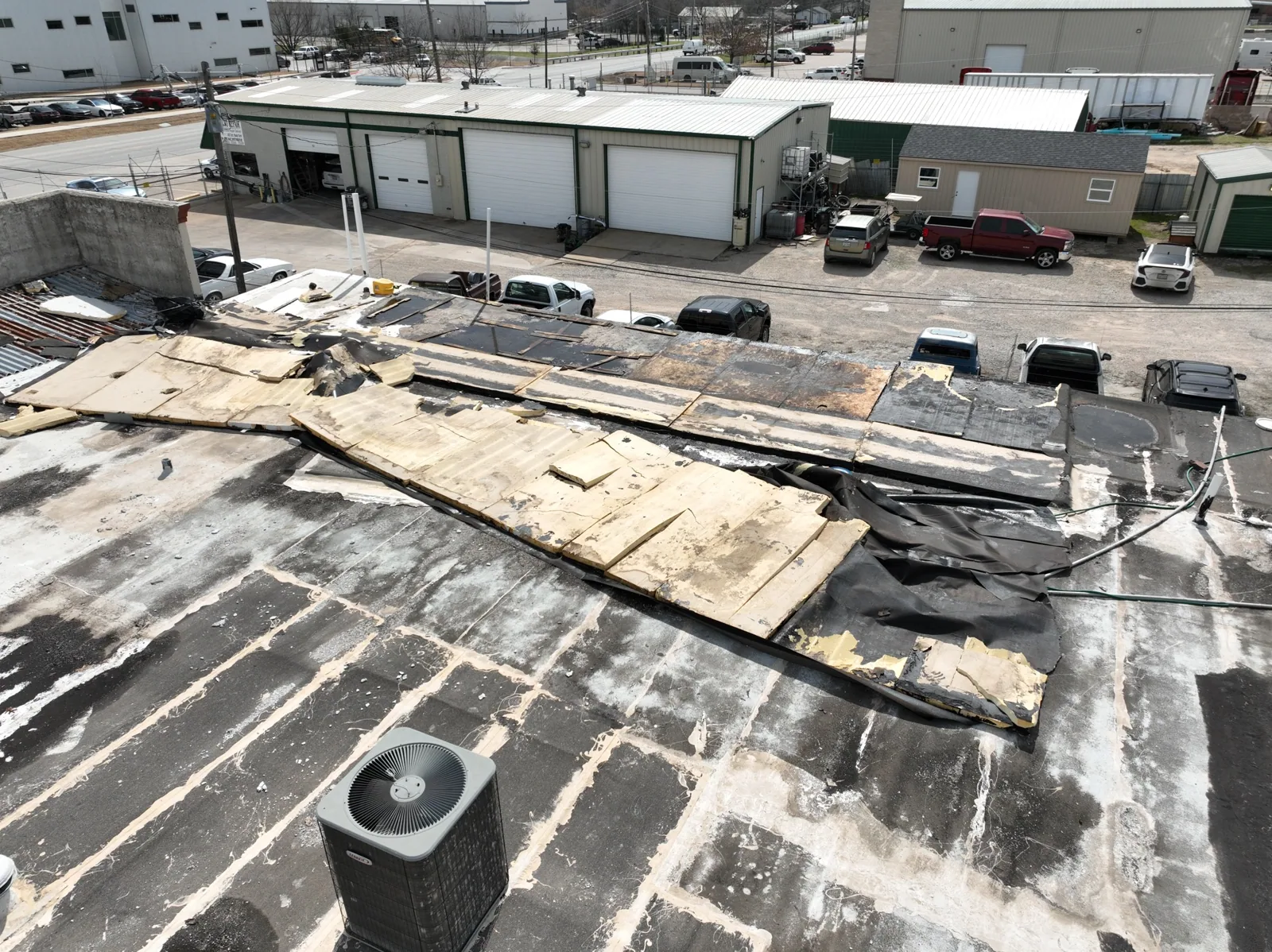
A brown ring on a ceiling tile, directly under a rooftop unit, is the first sign most managers see. The ring is where the water stopped, not where it started, so the job is to walk the failure backward to the curb, the flashing, or the support that let water in. Rooftop units, equipment curbs, and pipe supports are the most common penetrations on a flat roof, and every one of them is a spot where the membrane was cut and then patched by hand.
Franklin, TN puts those details to work. The city sees about 54 inches of rain a year, July highs near 91 F, and a record range from minus 22 F to 108 F, so every curb corner stretches and shrinks across a wide span of temperatures. Commercial Roofing Franklin traces each failure step by step, then repairs the cause before it repairs the stain.
The parts of a curb
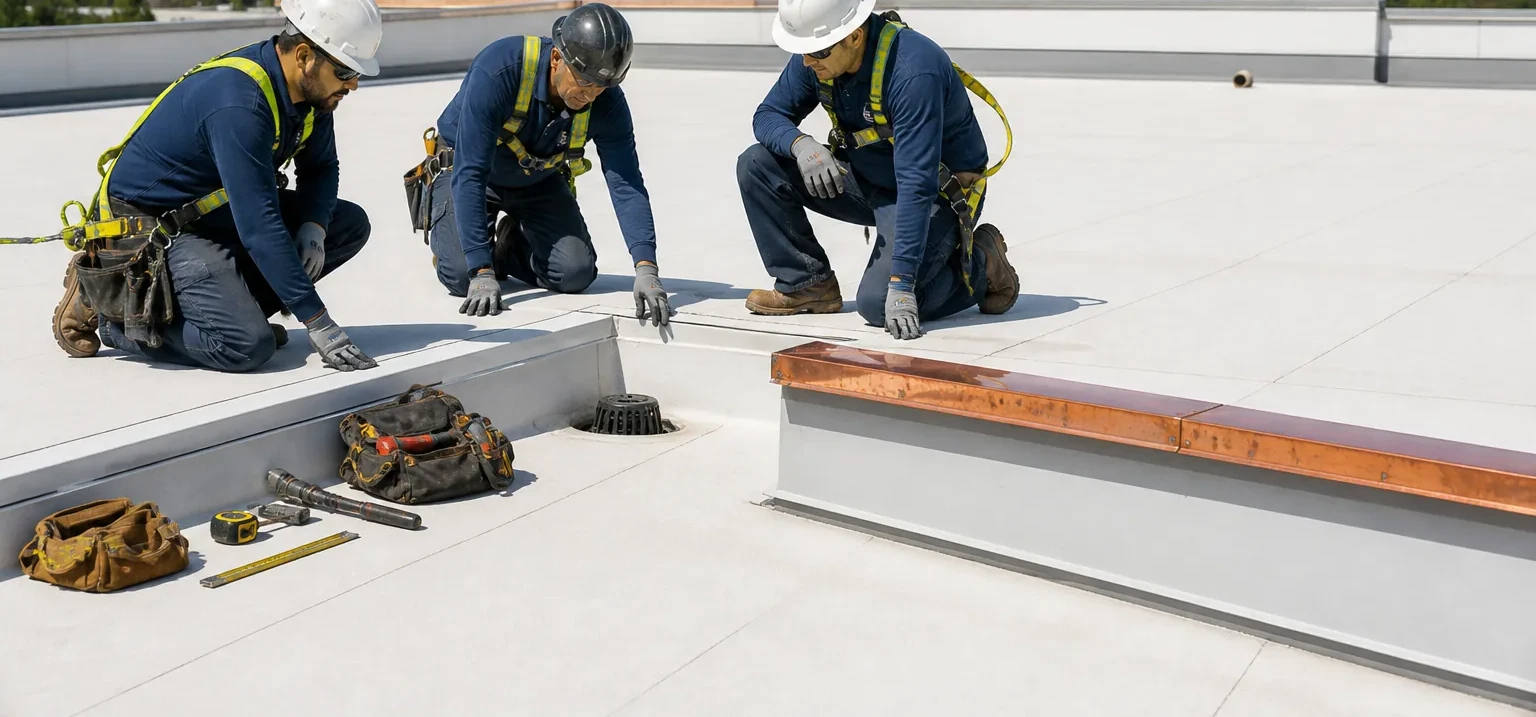
A curb is a raised frame, usually wood or metal, that sits on the deck and carries a unit above the roof surface. The membrane runs up the side of the curb, and a cap or counterflashing covers the top edge. Four things have to work together: the curb itself, the membrane turned up its sides, the sealant at the top, and the corners, where two flat sheets must fold around a right angle. Corners are where most leaks begin, because the membrane has to be cut and shaped, and a small gap there stays open for years.
How heat movement opens a seam
Steel and aluminum expand in July sun and contract on a January night. The unit vibrates, the curb moves a fraction, and the flashing is pulled in a different direction every day. A bead of sealant that was flexible on installation hardens, then cracks along the line where the cap meets the wall. Water does not need a large opening, only a hairline that stays open long enough for a heavy rain. That is the pattern: heat movement, a hairline, a wet layer, a stain below. A hand held flat on the roof beside the unit on a July afternoon will tell you how hot the surface gets, and a surface that hot is moving the whole time. The repair has to allow for that movement, which is why a flexible flashing wrapped around the curb outlasts a rigid patch smeared across it.
What we check on the roof walk
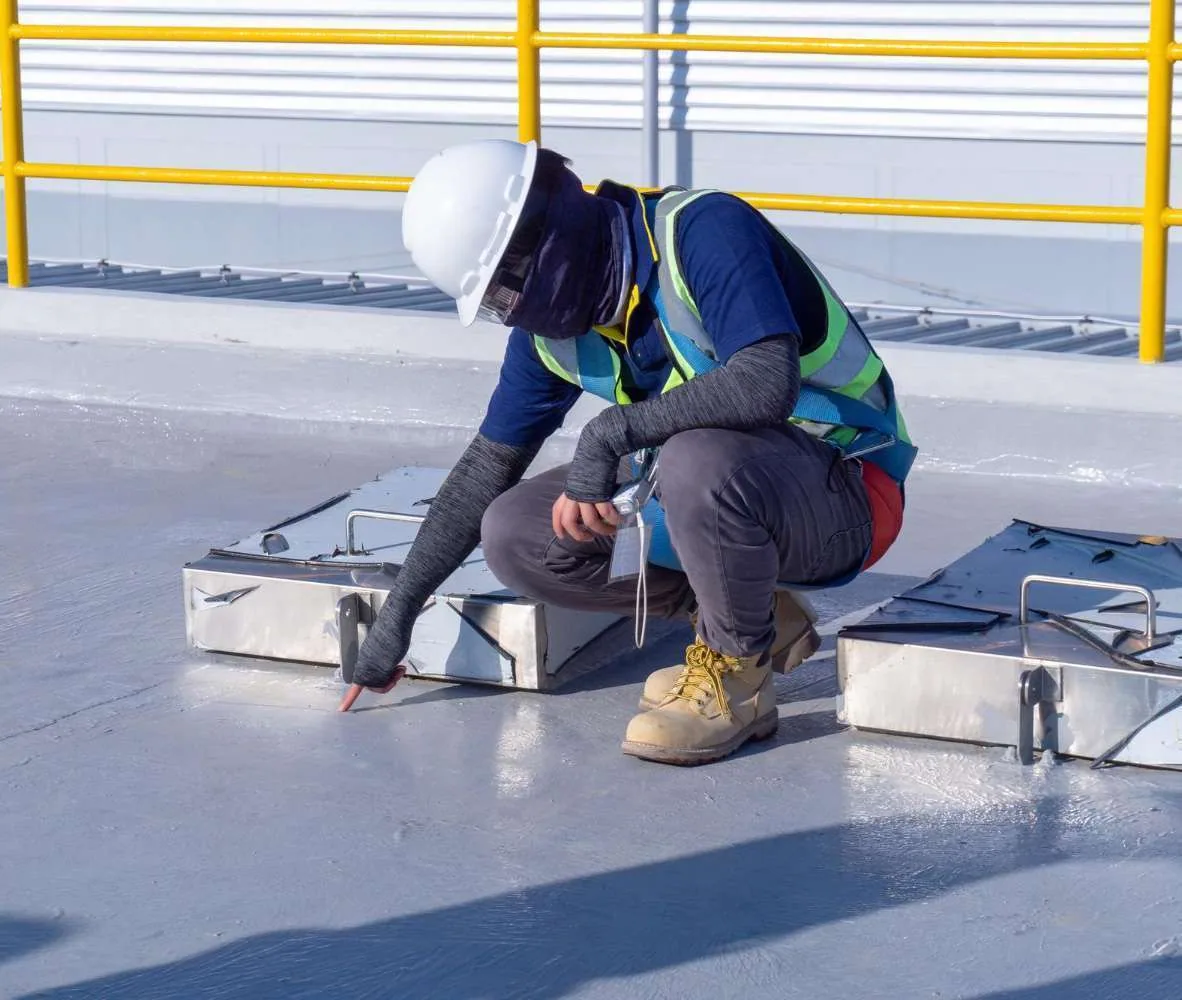
We start with the corners, then the cap, then the base. Corners are probed for lifted membrane and cut edges. The cap is checked for gaps and fastener back-out. At the base, we look for ponding around the curb and for the standing-water line that shows where water sits after a storm. Pipe supports and conduit stands get the same treatment, because a pipe resting on a block pad can wear a hole in the membrane over time. Each finding is photographed so the photo trail shows the condition before any work starts. We also look for what else has been added to the roof over time: a vent pipe, a conduit run, a satellite mount, a cable tray. Each addition is another hole, and each one is listed on the roof plan with its flashing type, so the next addition goes through the manager first.
Finding the wet layer
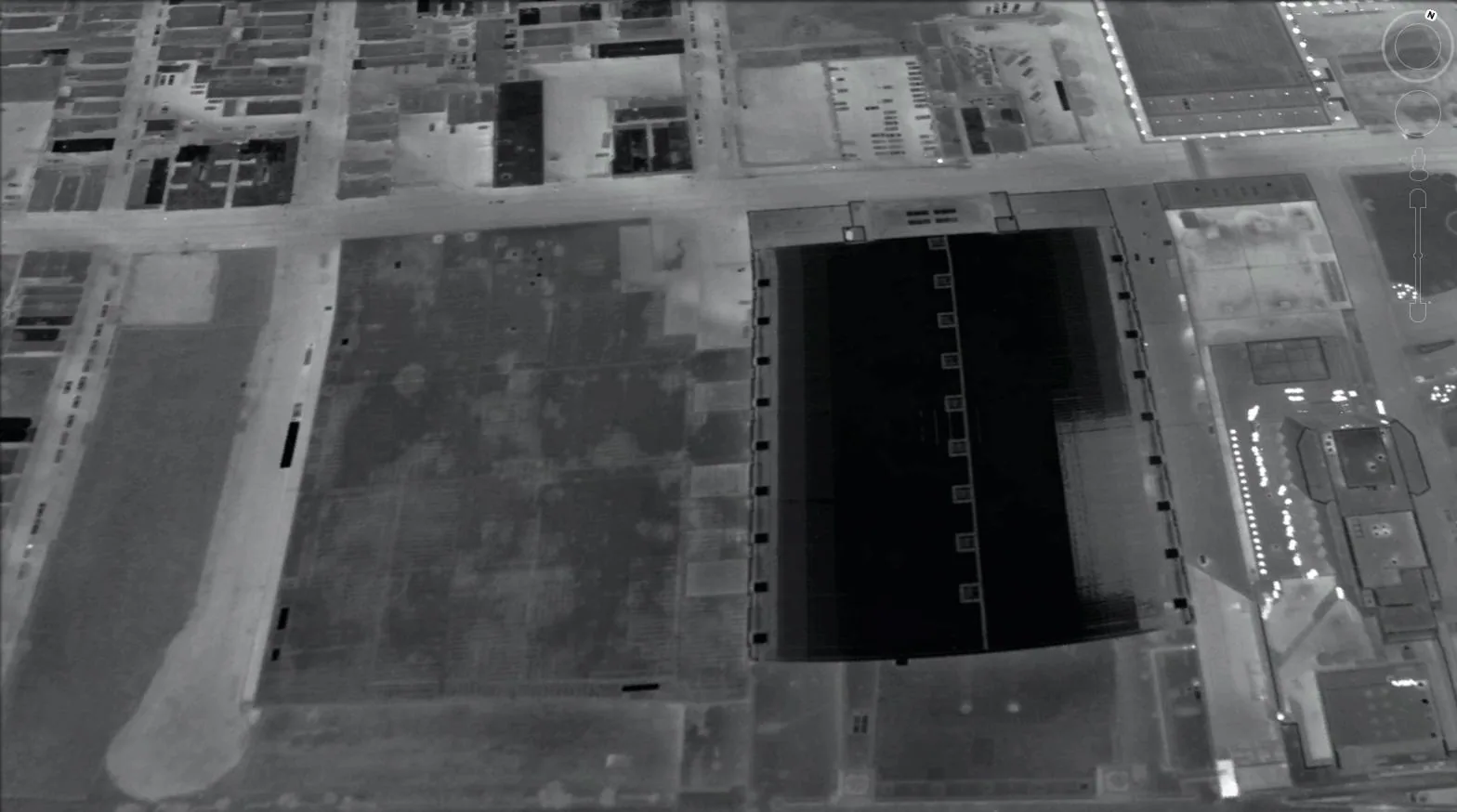
Water that gets past a curb rarely stays at the curb. It travels along the deck and soaks the insulation below, which is why a stain can appear several feet from the unit. We use an infrared moisture survey to map the wet insulation around the curb, then cut a test sample where the scan shows the highest reading. If the wet area is small, we remove and replace it. If it spreads across several bays, the discussion turns to a larger repair or a replacement.
When a unit has to come off
Some repairs cannot be done around a unit. If the curb is rotted, or the flashing has to be rebuilt on all four sides, the unit must be lifted. That job needs the mechanical contractor, a crane or lift, and a time when the building can run without that unit. On the office buildings east of I-65 in the McEwen area, where towers run six to eleven stories, we coordinate with the property manager so the shutdown falls in a mild week, not in July. The plan states who disconnects the unit, who resets it, and how long the roof is open. A temporary cover goes over the curb opening each evening, because an open curb on a night with rain in the forecast is an invitation for water to reach the floor below.
Wind, storms, and tie-downs
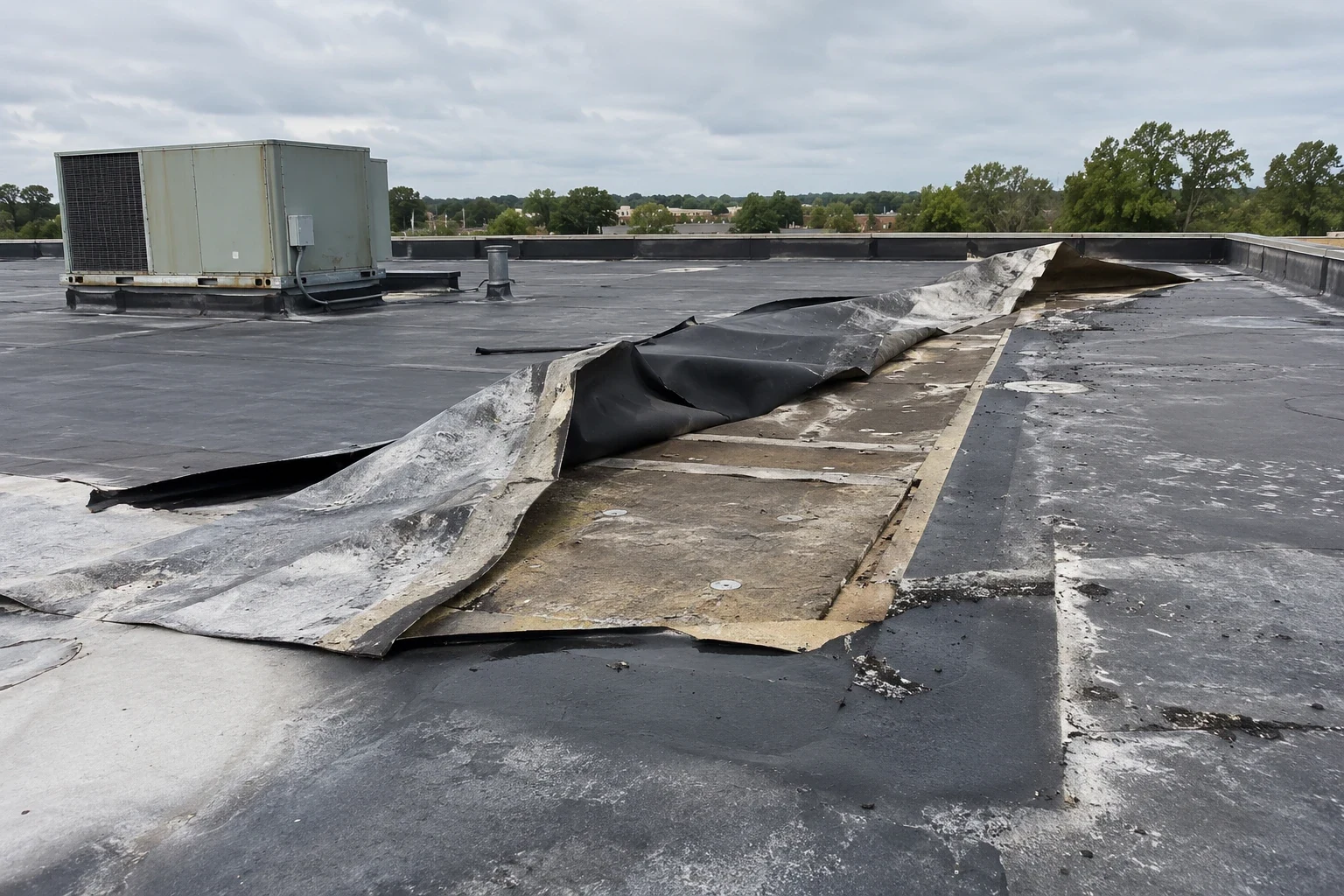
The August 2023 EF0 tornado near Highway 96 at Royal Oaks Boulevard, with estimated winds of 75 mph, caused minor roof and exterior damage to some businesses along Highway 96. Units can shift on their curbs in a storm like that, and a shifted unit tears flashing. After a major storm, we check curb straps, unit tie-downs, and the gap between the unit base and the curb. A wind-damaged roof often shows the pattern first at the equipment, because a heavy, tall unit gives the wind something to push. If a storm has passed and a unit sits crooked, a gap shows at one side of the curb, or a strap has pulled loose, the roof needs a walk the same week, and a tornado damage repair scope may follow.
Repair, rebuild, or replace
A cracked sealant bead is a repair. A split corner is a rebuild: the flashing is cut back to sound membrane and a new piece is welded or bonded in. A rotted curb or a unit past its service life is a replacement, and a new curb may be sized for a new unit. What the local code requires for curb height and flashing is confirmed before pricing, since cities may adopt editions newer than the state's 2021 base. For a tall office building in Cool Springs, the plan also has to fit the building's equipment schedule, since a lift on a six- to eleven-story roof needs street space and a quiet hour.
Commercial Roofing Questions
Why does a leak show up away from the unit?
Water follows the deck and the insulation. It can travel several feet before it finds a gap in the ceiling. We trace it back by scanning for the wet layer and probing the curb corners.
Can sealant alone fix a curb leak?
Only for a small, recent crack. Sealant over a split corner or a failed flashing hides the problem for one season. Rebuilding the flashing gives the repair a lasting base.
Do I have to shut the unit down?
Not for a cap or sealant repair. A full flashing rebuild or a curb replacement does need the unit lifted. We schedule it with your mechanical contractor.
How tall should a curb be?
Tall enough to keep water out during ponding and snow, and to meet the local code. We measure the existing height and compare it with the flashing needs before recommending a change.
What about pipe supports?
Supports should spread the load and stay clear of the membrane. We replace worn pads, add protection under moving pipes, and photograph each support so you can see the condition. A pad that has flattened, or a pipe that has started to rub, is a failure in progress, and the pad costs far less than the membrane under it.