Multi-Site Roof Programs in Franklin, TN
Seven leak calls from seven buildings in one week, each handled by a different vendor with a different invoice, is the first sign a portfolio has no roof program. Nobody can say which building is worst, which vendor did what or which roof will fail next. We walk that scramble backward to a single plan covering every building.
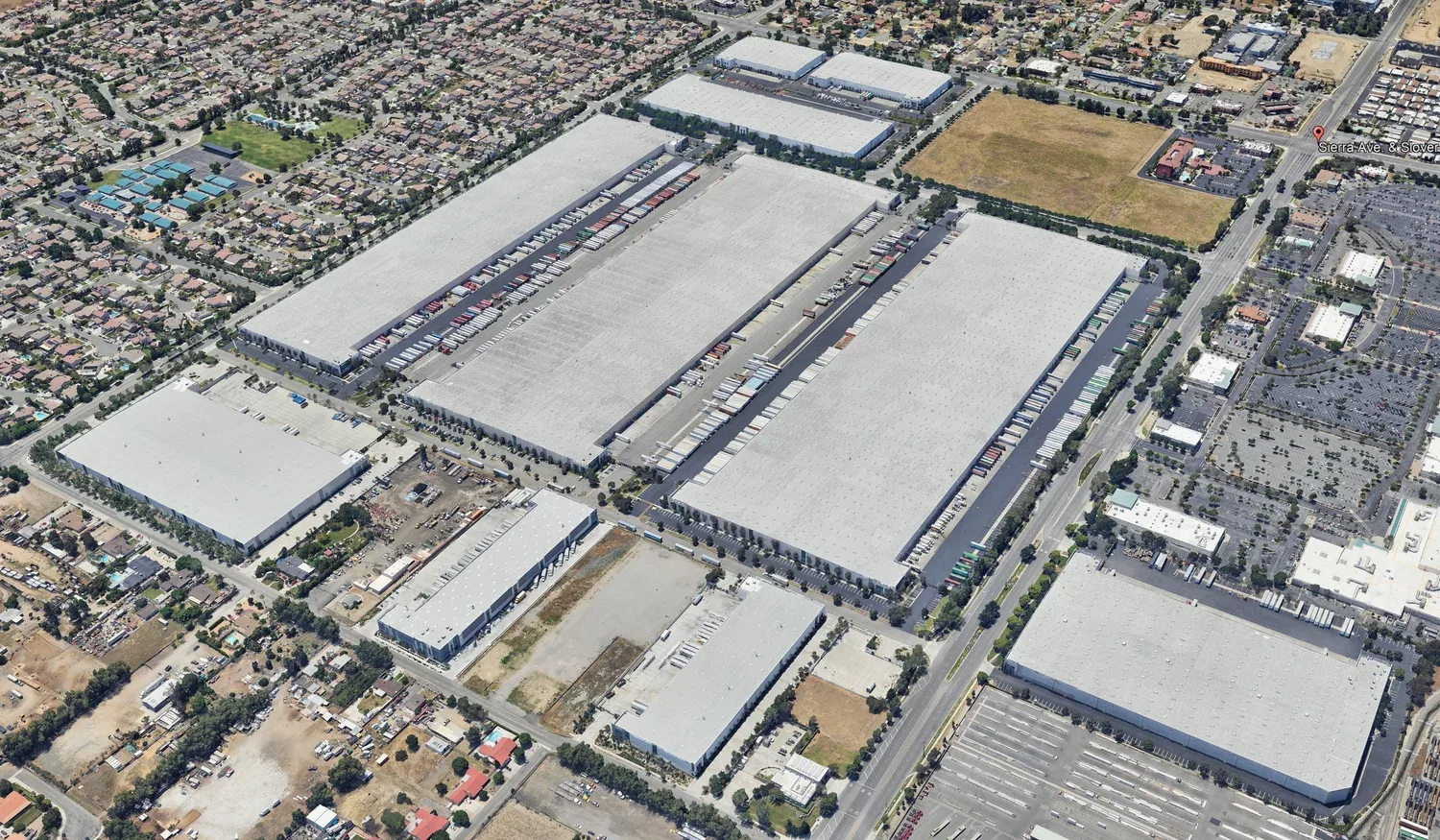
A multi-site roof program in Franklin, TN uses one inspection format, one calendar and one ranked budget across all of an owner's roofs, whether they sit in one office park or in several towns around the county.
One format for every roof
The program begins with a standard walk. Each roof is divided into zones with the same labels, rated on the same scale and photographed from the same points. Findings are logged in the same table. That consistency is the point: it makes a retail strip in one district comparable to a warehouse in another.
The table lists each roof's system, area, age where known, warranty status, open items and condition rating. A manager sees the whole portfolio in one view and can sort by what matters: urgency, cost drivers, tenant sensitivity or warranty dates. The detail behind each entry lives in the roof's own file, kept as in roof asset management.
Photographs are taken from the same standing points every time. That sounds small, but it is what lets a manager compare a roof across three years at a glance, and it lets a new crew leader pick up a building without a long handover.
One calendar
Visits are scheduled by region and season. A route through Cool Springs, Mallory Lane and Carothers Parkway can cover many buildings in a day, and a second route through the Southall industrial area and Columbia Avenue takes another. Clustering visits cuts travel and keeps the rhythm steady.
Two walks a year work well: one before the wet months and one after. Franklin averages about 54 inches of rain, so the post-wet-season walk catches what the rain opened. After a storm event, such as the August 2023 EF0 near Highway 96, an extra walk covers the roofs in the storm's path. Every visit adds to the shared table, and the manager gets a short summary after each one.
The calendar also holds the quiet duties: drain clearing before leaf fall, flashing checks after the hottest weeks and a review of ponding after any storm that dropped more than an inch or two of rain, such as the July 2026 flash flood warning that cited one to three inches in places. Dates are fixed on a shared sheet, and the crew leader confirms each one with the building contact a week before the visit.
One ranked budget
Every finding in the table maps to a path: monitor, repair, restore or replace. The program totals the cost drivers by path and by building, so the owner can see the year's repair load, the restorations that should happen while roofs are still sound and the replacements that need design time. Run across a portfolio, that is roof capital planning.
Ranking matters most when money is short. Active leaks and wet insulation go first. Restorations come next, because waiting turns them into replacements. Sound roofs wait, with a watch date. The ranked list lets the owner explain each decision to a partner or a lender.
Cost drivers are listed for every project: area, access, wet insulation expected, penetrations and the system chosen. Owners can add their own unit costs, or ask us to price a scope once the findings are in. Grouping projects across buildings, such as one coating contract for several roofs, can reduce mobilization effort and simplify scheduling, though savings depend on the roofs and are not promised.
Reporting to owners and partners
A program is only useful if the people who fund it can read it. Each quarter, the manager receives a one-page summary: roofs inspected, repairs done, open items, the next three projects and any change in ratings. A longer annual report adds photographs, trend charts and the revised budget.
Partners and lenders see the same format. When an owner reports to a board, the summary answers the usual questions: what did we spend, what did it buy, what is next and what could go wrong. Because every roof is rated on the same scale, the answers are comparable from one year to the next.
The program also keeps a short list of risks. A roof near the end of its warranty, a roof with growing ponding or a roof with a history of storm damage goes on the list with a date for the next decision. Nothing is left to memory.
Fewer vendors, better records
One program means one crew leader who knows the buildings. That person carries the files, remembers the trouble spots and brings the right materials. Repairs follow the manufacturer's detail and are logged to the file, which protects each warranty and feeds roof warranty management for the whole portfolio.
When something does go wrong, the response is faster. Our crews answer calls around the clock, including holidays, and the file tells them what is on the roof before they arrive. A temporary seal goes on first, and an emergency roof repair record joins the file with photographs and dates.
Adding a building
New buildings join with a baseline. The first walk records the system, the zones and the condition. Moisture surveys or cores are added where the findings call for them. The warranty goes into the table with its terms and dates, and any duties join the calendar.
Acquisitions follow the same path, starting with a due diligence roof survey that doubles as the baseline. When a building leaves the portfolio, its file goes to the buyer, which helps the sale and keeps the record whole.
Mixed portfolios
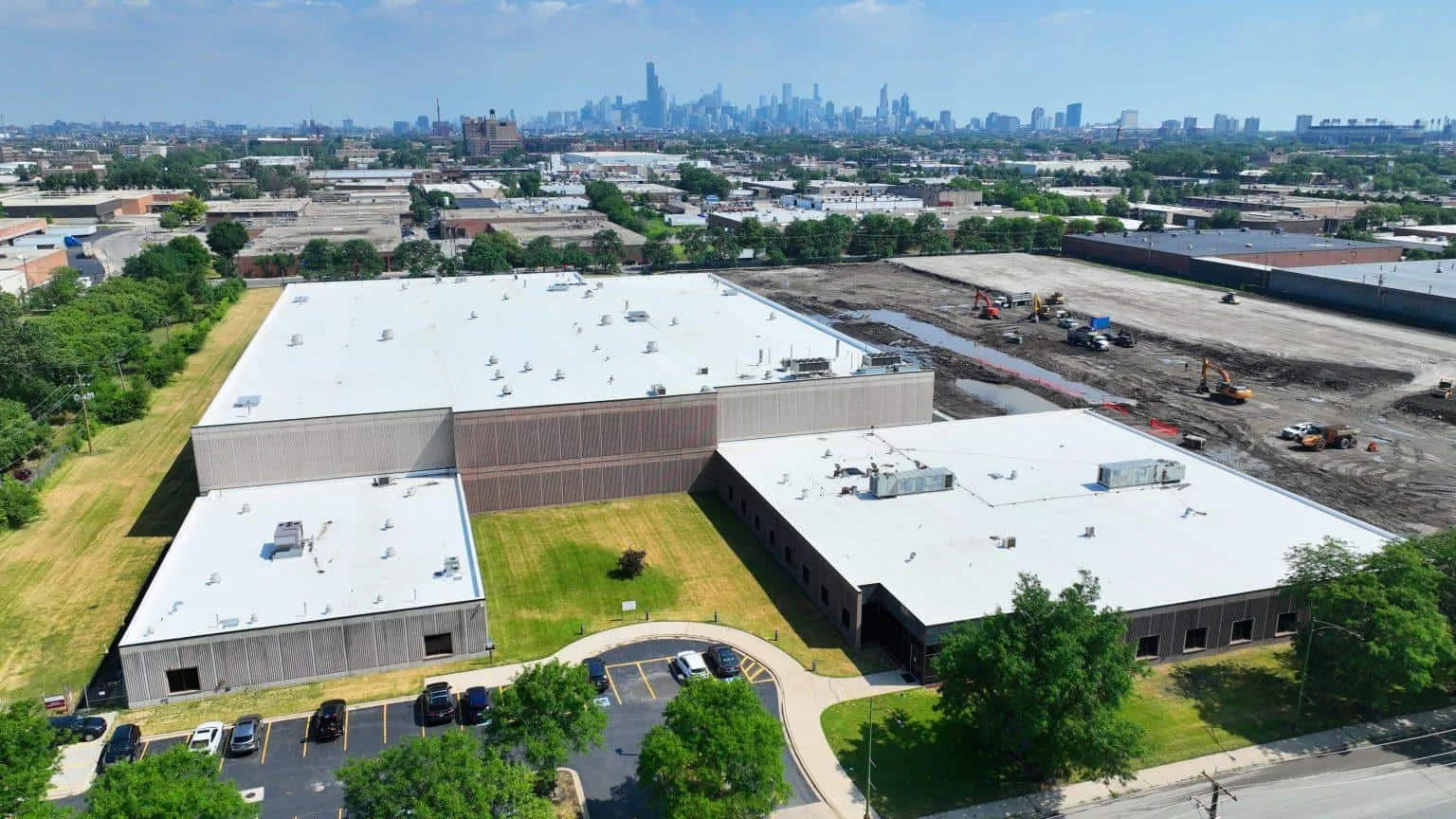
A portfolio in this part of Tennessee can mix shopping center roofing along Mallory Lane, offices in Cool Springs, warehouse-style buildings west of the CoolSprings Galleria and industrial space in Southall. The program handles each as its own case inside the same frame.
Growth areas matter too. The Goose Creek area covers about 5,820 acres, with approved plans that total 3 million square feet of offices and 1.8 million of retail, and Berry Farms is planned at the Goose Creek Bypass interchange. New buildings join the program with a baseline inspection, and their warranties join the table. The Goose Creek and Berry Farms area is a good example of a place where the program grows as the buildings do.
Commercial Roofing Questions
How many buildings make a program worthwhile?
Three or more is enough to see the benefit in shared format, shared calendar and shared budget. With one or two buildings, a roof file and a seasonal visit do the job.
Can tenants' roofs be included?
Yes, if the owner or manager controls access. Each building gets the same format and the same records, and tenant rules are noted in the file so visits respect them.
What if our buildings have different manufacturers?
That is normal. The program records each system and follows its published details, and it tracks each warranty on its own terms.
How do we start?
Pick the buildings, send what records exist and schedule the first walks. We start with the oldest or leakiest roofs, because the first findings pay for the program by pointing to where money is going.
Does the program include repairs?
Visits include minor repairs and drain clearing. Larger work is priced separately and approved by the owner, with the scope and photographs added to the file.