Roof Warranty Management in Franklin, TN
A denied warranty claim is the first sign that nobody was managing the warranty. The roof leaked, the owner called the manufacturer, and the reply cited a missed inspection, an unapproved repair or a notice sent too late. We walk that failure backward to the habits that keep a warranty alive from the day it is issued.
Roof warranty management in Franklin, TN is the job of tracking what a warranty requires, doing it on time and keeping proof. It does not change what a manufacturer promises. It makes sure the owner can collect on what was promised.
Read the terms first
Warranties differ in what they cover and what they ask of the owner. Some cover materials only. Some cover materials and labor. Some set a maximum wind speed. Some exclude ponding water, foot traffic damage or damage from rooftop equipment. Nearly all require that repairs follow the manufacturer's detail and that certain notices be sent within a set time.
We read the actual document, not a summary, and list four things: what is covered, what is excluded, what the owner must do and what the manufacturer may require before paying. That list goes at the front of the roof file, in plain language, so a new manager can read the warranty's limits at a glance.
Pay attention to the definitions. Words like normal wear, ponding, abuse and neglect are defined in the warranty, and the definitions control. A roof that holds an inch of water for two days may be ponding under one warranty and fine under another. We note the definitions in the file next to the findings they affect.
Track the owner's duties
Most warranties expect periodic inspections, prompt repair of damage and clear drains. Some require a written inspection by a qualified party each year. Missing an inspection can give the manufacturer grounds to deny a claim, even when the failure has nothing to do with the missed visit.
We put each duty on a calendar with a due date and a responsible party. A visit before and after the wet months covers most requirements. Franklin receives about 54 inches of rain a year, so drain clearing is no small duty here, and each cleaning is logged with a dated photograph. The calendar links to preventive roof maintenance so the visits actually happen.
Do not forget the duties that fall on tenants. Many leases hand roof access to tenants for equipment service. A warranty can be put at risk by an HVAC technician's tools, a satellite installer's lag bolts or a contractor's ladder. Access rules, written into the lease or posted at the hatch, with a log of who went up and when, close that gap.
Build the warranty file
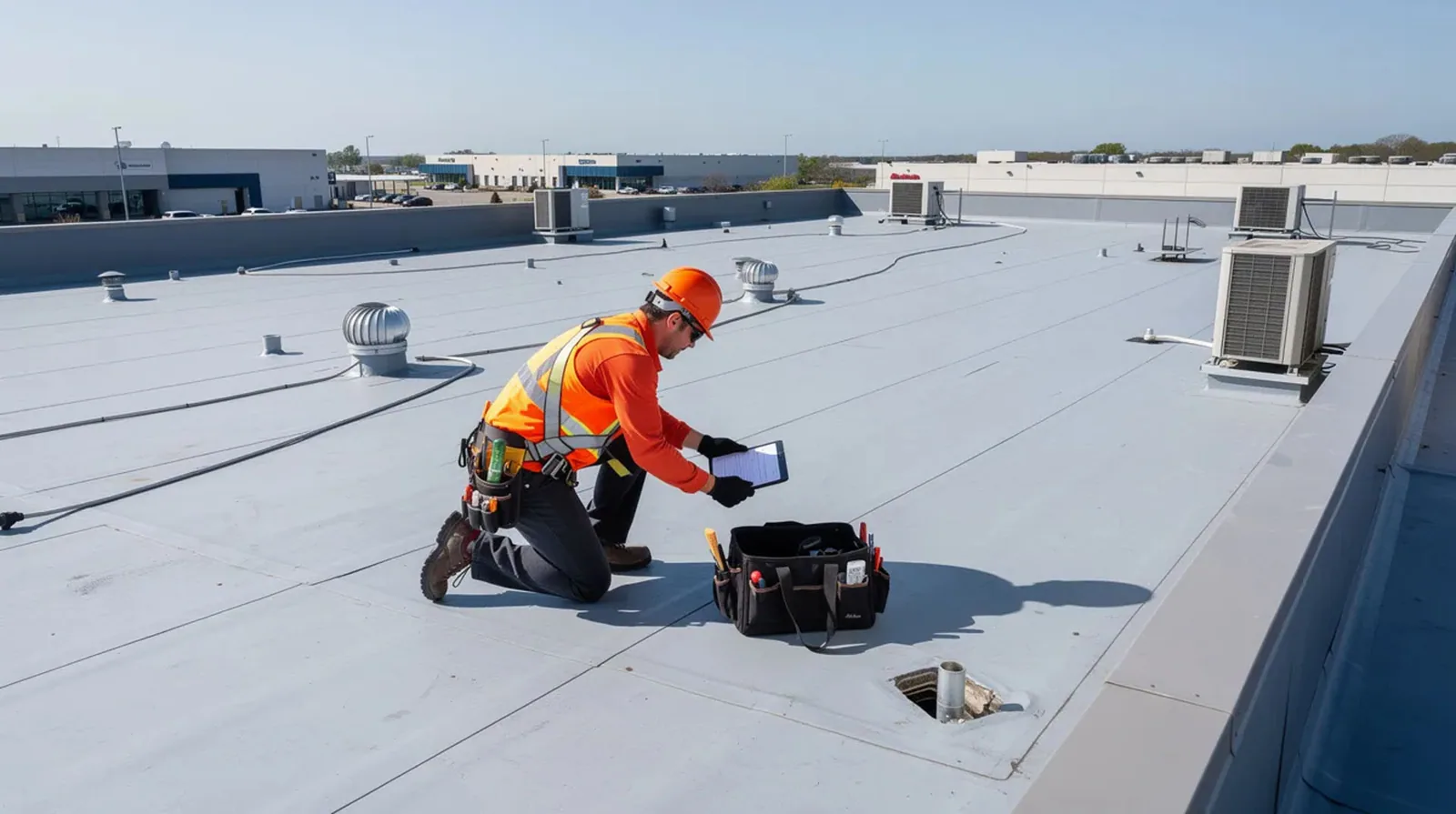
The warranty file is a short folder, on paper or on a screen, with six items. First, the warranty document itself and any amendments. Second, the proof of installation: the contractor, the date, the product list and the final inspection. Third, the roof plan with zone labels. Fourth, the inspection log. Fifth, the repair log. Sixth, the contact list for the manufacturer's service department.
If any item is missing, we say so at the front of the file and start rebuilding it. Installers change, companies are sold, and papers are lost. A roof that has been maintained but has no paper trail is harder to defend than a roof with a short, dated record, so the habit of writing it down starts today and does not wait for a leak.
Copies live in two places: with the property manager and in the owner's records. A third copy in the roof asset file gives the next manager the same view.
Keep repairs inside the rules
The common way to void a warranty is an unapproved repair. A patch with the wrong material, a penetration cut without notice or a coating applied over a membrane that does not accept it can all put the warranty at risk. Before work begins, we check the warranty for repair rules and, where a manufacturer's approval is required, we ask for it in writing.
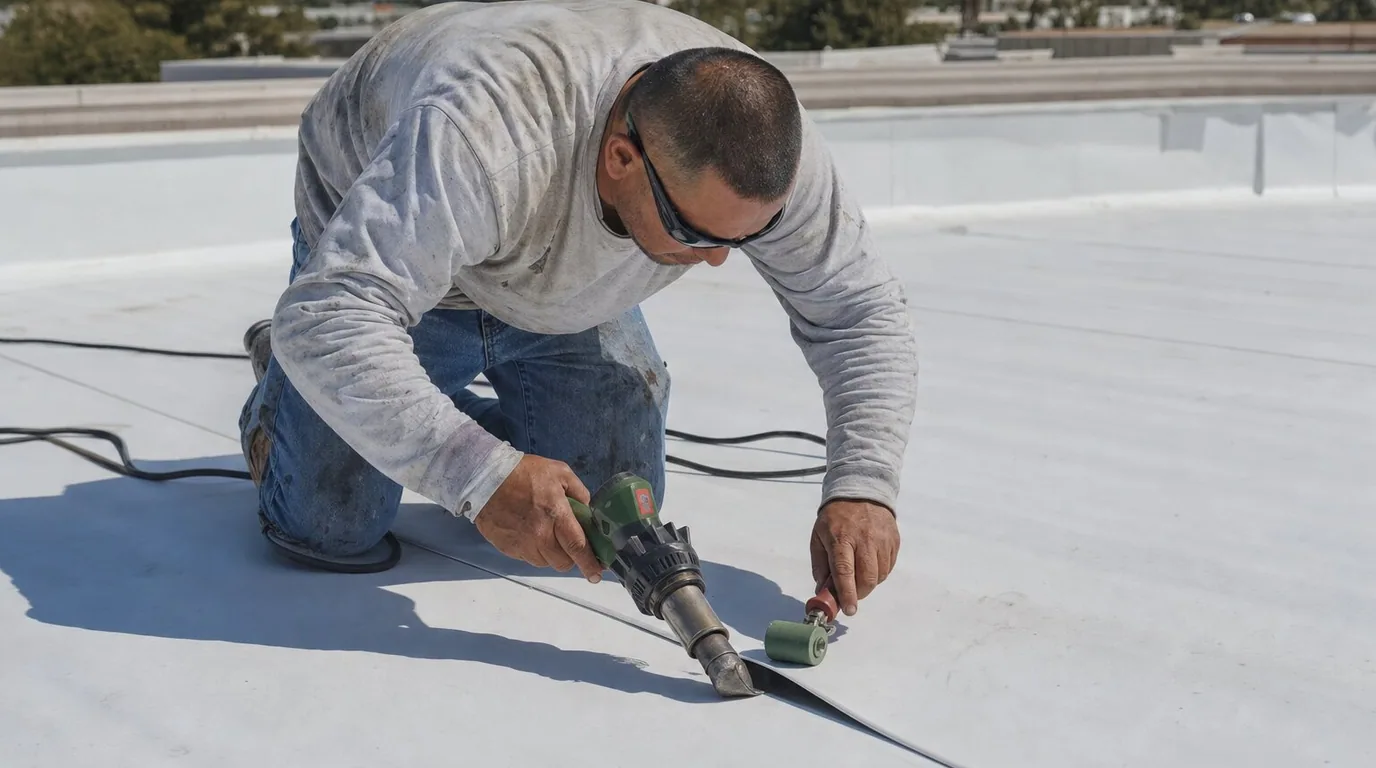
After each repair, the file gets the product used, the method, the date, the weather and photographs of the finished work. If a service technician damages the membrane, the file records it and the repair follows the manufacturer's detail. A short list of membrane puncture repair steps in the file shows the owner exactly what a compliant patch looks like.
When more than one trade works on the roof, one party is named to coordinate access and report any damage the same day. That single rule prevents most of the unrecorded repairs that cost owners their coverage later.
Give notice and file well
Notice windows are short. Some warranties require written notice within a fixed number of days after a problem is found. Others require that the manufacturer inspect before any repair. We note the window the day a defect is found, send the notice on the owner's behalf if asked and gather the evidence: photographs, moisture readings, the inspection record and the maintenance log.
A claim that arrives with a clean file moves faster. The manufacturer's reviewer wants to know the roof's age, the date of discovery, the likely cause and proof that the owner kept up the duties. Our roof condition reports supply most of it.
After the claim, the file keeps going. The manufacturer's reply, the repair performed, the dates and the final photographs close the loop, and the warranty table is updated to show what remains in force.
Know where it stops
We manage the paperwork and the field work. Whether a manufacturer pays is the manufacturer's decision. Wind above a rated speed is commonly excluded, so damage from a storm line like the August 2023 EF0 near Highway 96, with estimated winds of 75 mph, usually goes to the owner's insurer rather than the warranty, and our roof insurance claim assistance prepares that file.
Warranties across a portfolio
Owners with many roofs often hold many warranties, each with a different end date. A single table, kept in the roof asset management file, shows which warranties expire this year, which require inspection soon and which roofs have lost coverage. In Cool Springs, where infill is adding new office buildings and hotels, new roofs bring new warranties, and the table grows with them.
Commercial Roofing Questions
What voids a roof warranty most often?
Unapproved repairs, missed inspections and late notice. Neglected drains and foot traffic damage can also lead to exclusions, so a maintenance log and access rules help keep coverage in place.
Can we repair a leak before the manufacturer inspects?
Make a temporary seal to stop water, and photograph it. Hold the permanent repair until you check the notice rules in the warranty, since some require an inspection first and some allow immediate repair to the published detail.
Does a coating affect the original warranty?
It can. Some warranties end when a coating the manufacturer has not approved goes on the roof, and some are extended by an approved one. Check the terms, and ask the manufacturer in writing before any coating work.
Who should hold the warranty paperwork?
The owner. A copy goes in the roof file and one with the property manager, so a change of staff does not lose it. Store the original with other deeds and permits.
What if the warranty has already expired?
The roof still needs records. A condition report and a maintenance log help with planning, sale and insurance, and they show how the roof aged, which matters for the next warranty.