Roofing for Insurance Adjusters and Restoration Teams in Franklin, TN
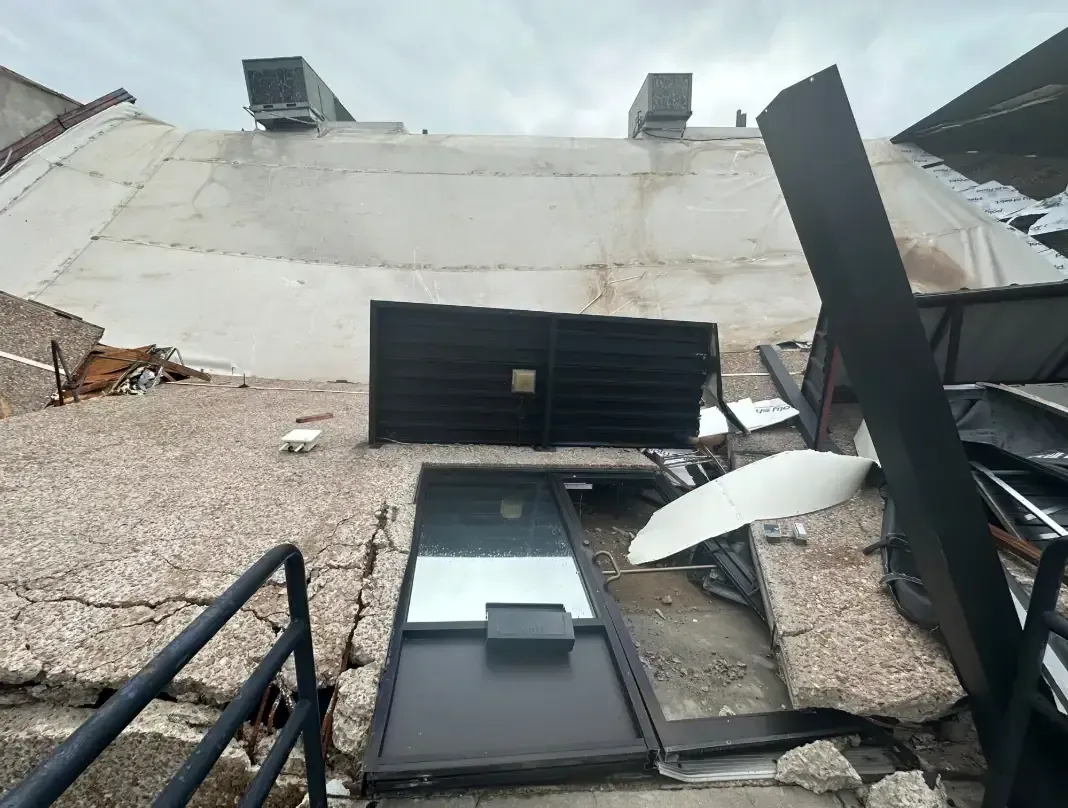
A photograph of lifted coping on a corner, taken the morning after a storm line, is the first sign an adjuster looks for, and what makes it useful is the date and the position stamped on it. The coping is where the damage began. The roofing task is to work back from what is visible to what is wet, torn or loose underneath, and to say which of it the storm caused. Adjusters and restoration teams working in Franklin, TN need a roof record that separates the new loss from older wear, shows moisture where the surface hides it and gives a repair scope that can be priced. We write that record from the roof, step by step.
What a storm record contains
The record opens with a roof plan that shows every drain, curb, penetration and wall joint. Behind it sit dated photographs, numbered findings, moisture readings and core cuts. Each finding gets a flag: new, older or unclear, with the reason. A cover page states the date of the storm, the date of the walk and who attended.
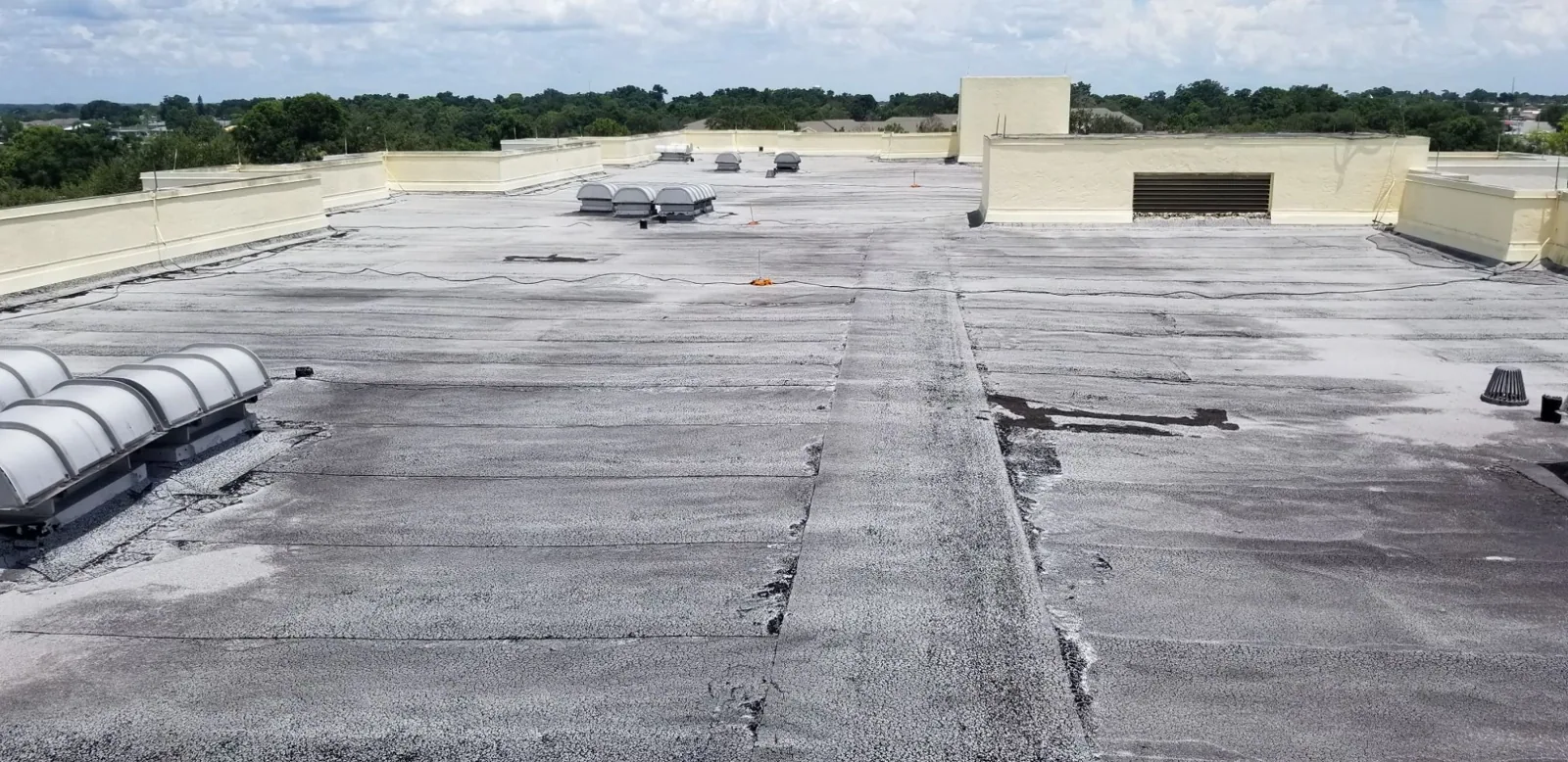
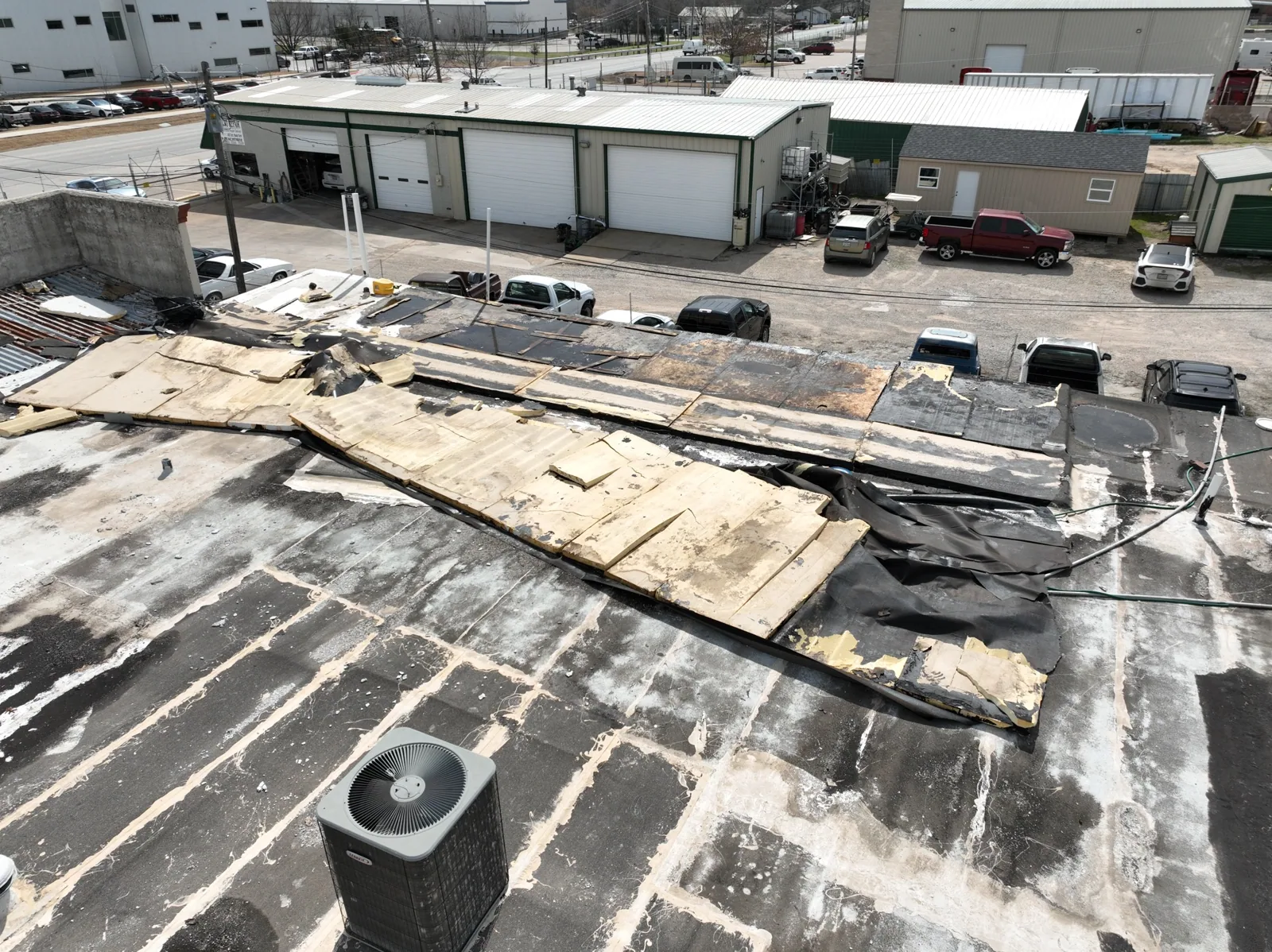
We separate three things that are often blurred. Storm damage looks fresh: bright metal where a coating has scraped, debris pinned against curbs, clean tears and displaced edge metal. Older wear shows weathering, dirt in cracks and layered patches. Hidden damage shows up in a moisture scan as a wet layer under a membrane that looks intact. Each gets its own list, so a claim covers what it should.
Photographs follow a fixed pattern so a reviewer who has never seen the roof can follow them. A wide shot shows the location, a close shot shows the defect with a scale reference and a third shot, where needed, shows the surrounding condition. Each is labeled with the finding number and the plan position, and the labels never change between the first walk and the supplement.
The storms that set the file
Neighboring Brentwood falls in the Dixie Alley tornado zone, where risk peaks from November through May, and its record lists tornadoes in December 1988, January 2013 and March 2017. In August 2023 an EF0 tornado with estimated 75 mph winds touched down near Highway 96 and Royal Oaks Boulevard, and roofs and exteriors at some businesses there took minor damage. The March 2020 outbreak across Middle Tennessee was a larger event, an EF-3 with estimated winds of 165 mph that damaged large warehouses in Mount Juliet.
Wind is not the only event. The July 2026 warning for northeastern Williamson County mentioned hail up to about three-quarters of an inch beside gusts near 60 mph, and the early-May 2010 flood left about 1,500 damaged residential and commercial structures in the county. The date of loss fixes the file, and we match physical findings to it.
Hail leaves a different signature than wind. Bruises on a membrane, dents in vent hoods and caps and granule loss on a mineral surface point to impact, while peeled edges and displaced coping point to uplift. We press-test suspect spots, mark each on the plan and photograph it. A bruise that does not leak today can become a crack after a few freeze and heat cycles.
Where the water stopped, under the surface
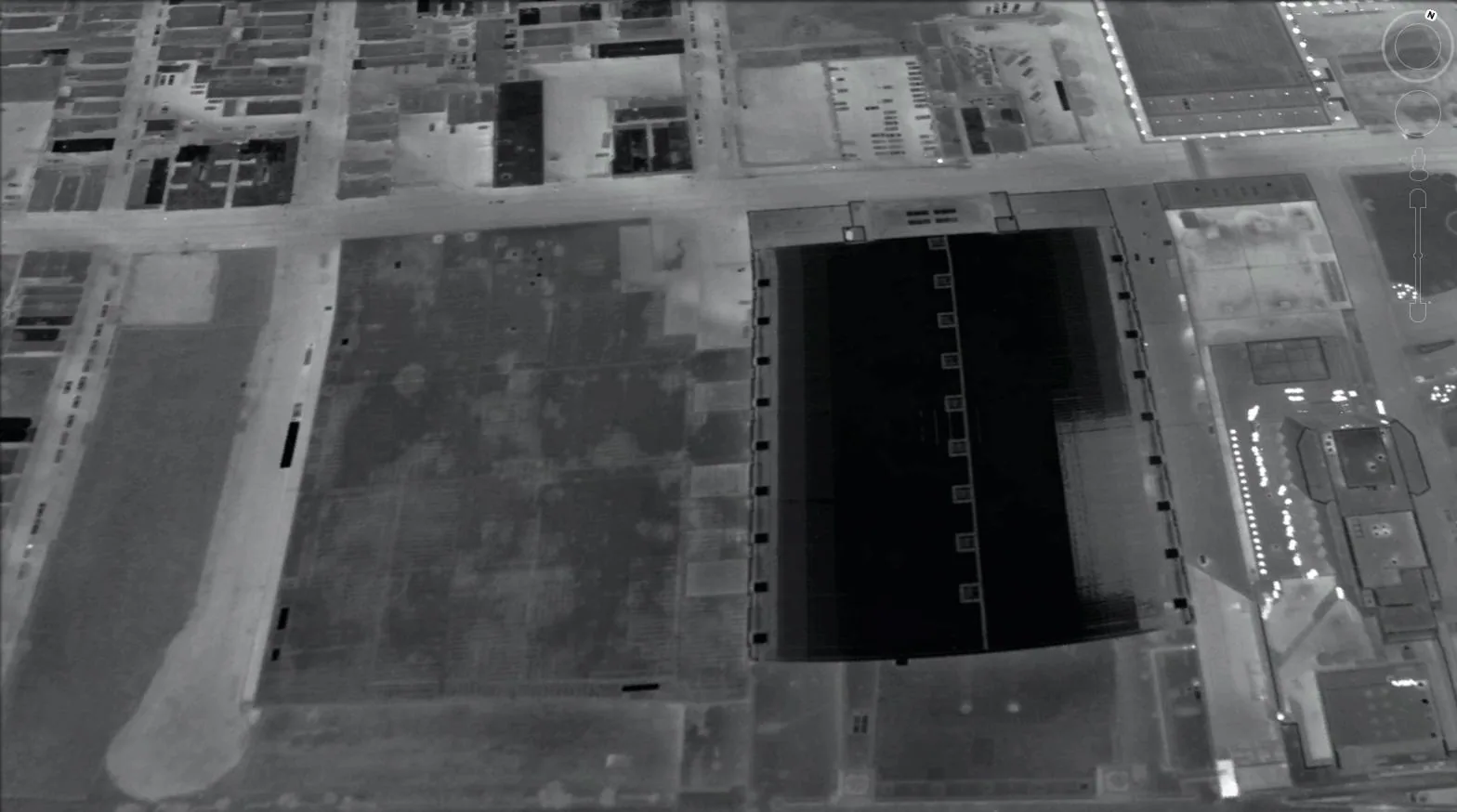
A roof that has taken a storm can look intact and still hold water. Wind-lifted edges let rain into insulation, and hail can crack a membrane without a visible tear. A moisture scan across the full roof shows the wet layer, and core cuts confirm it. The photograph of the core, with the water in it, is the evidence an adjuster can use.
A scan after a hot July day, when Franklin afternoons average near 91 F, shows the temperature difference between wet and dry insulation clearly. We choose the time of day and the conditions, record them and repeat the scan if the first is unclear. A moisture survey is the step that turns hidden water into something a claim file can show.
Coverage questions stay with the policy and the insurer. Our scope shows what the roof needs and why, and it marks items that may involve code upgrades, such as insulation level, wind uplift or fire rating. Tennessee adopted the 2021 editions of most international codes in August 2025 and cities may adopt newer ones, so the applicable edition is confirmed with the local building office and written into the file.
A scope that can be priced
The repair scope lists each item with its location, quantity, material and method. Temporary protection has its own lines, with photographs and times. Repairs that touch warranted areas follow the manufacturer's terms. Items that depend on hidden conditions are marked, and a supplement process is agreed in advance.
We keep the scope in versions. The first covers what is visible at the first inspection. If hidden damage appears during repair, such as wet insulation under a torn edge, we photograph it before it is covered and issue a supplement that points to the original finding numbers. The adjuster can match them. Claim documentation support keeps the file in order.
Safety on a storm-damaged roof comes first. A structural check decides whether a crew can walk it, and shoring is installed where needed. Debris is removed carefully, since a pile may hide an open deck. Temporary work is photographed at the time it is installed and again when it comes off.
Working with restoration contractors
Restoration teams dry out interiors while the roof is repaired, and the two schedules have to fit. We share the moisture map and the dry-in times, so the interior team knows when the roof is closed and where water entered. If a restoration contractor needs roof access for equipment or ventilation, we agree on the route and protect the membrane.
Emergency work comes first. Emergency roof repair is available at any hour, with tarps or temporary membrane over openings and a log of what was done. The permanent scope follows once the damage is mapped. The storm damage roof repair that follows uses the same file.
Claims across the county
A single event can touch Franklin, Brentwood, Nolensville and Fairview at once. The August 2023 storm system brought trees down near Fairview, blocked both lanes of Highway 100 there, and funnel clouds were also reported near Franklin that day, one of them along Highway 31 north of downtown.
An adjuster handling many properties after one event benefits from one format. We send a summary sorted by site, with each building's findings, moisture results and scope. Facilities teams at property management companies and real estate investors receive the same file, so every party reads the same facts. A Nolensville roof and a Cool Springs roof are rated on the same scale.
Commercial Roofing Questions
Do you decide what the insurer pays?
No. The policy and the insurer decide. We supply photographs, measurements, moisture results and a scope.
Can you tell hail damage from older wear?
Often. Fresh bruises, bright metal and clean breaks point to a recent event, and weathering points to age. Unclear items are flagged as such.
How soon after a storm should the roof be walked?
As soon as it is safe. Early photographs avoid confusion with later weather and foot traffic.
What happens when hidden damage is found during repair?
We photograph it before covering it and issue a supplement that points to the original finding.
Can you work with a restoration contractor on site?
Yes. We share the moisture map and dry-in times and agree on roof access.