Soprema Roofing Systems in Franklin, TN
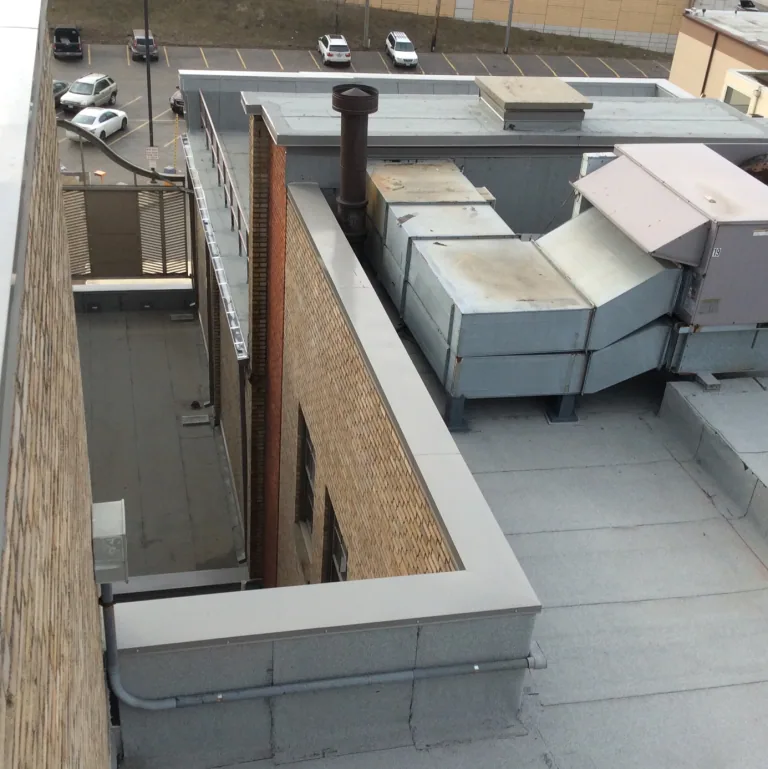
A blister the size of a dinner plate is the first sign a manager sees on a layered asphalt roof, and on a roof that carries a Soprema modified bitumen membrane in Franklin, TN, it is a failure worth walking backward. The blister is a pocket of trapped moisture or air between plies. It grows in heat. It cracks in cold. And it points to a place where water entered long before the bubble appeared. Soprema is a manufacturer known for asphalt-based membranes and liquid-applied waterproofing.
What is on the roof
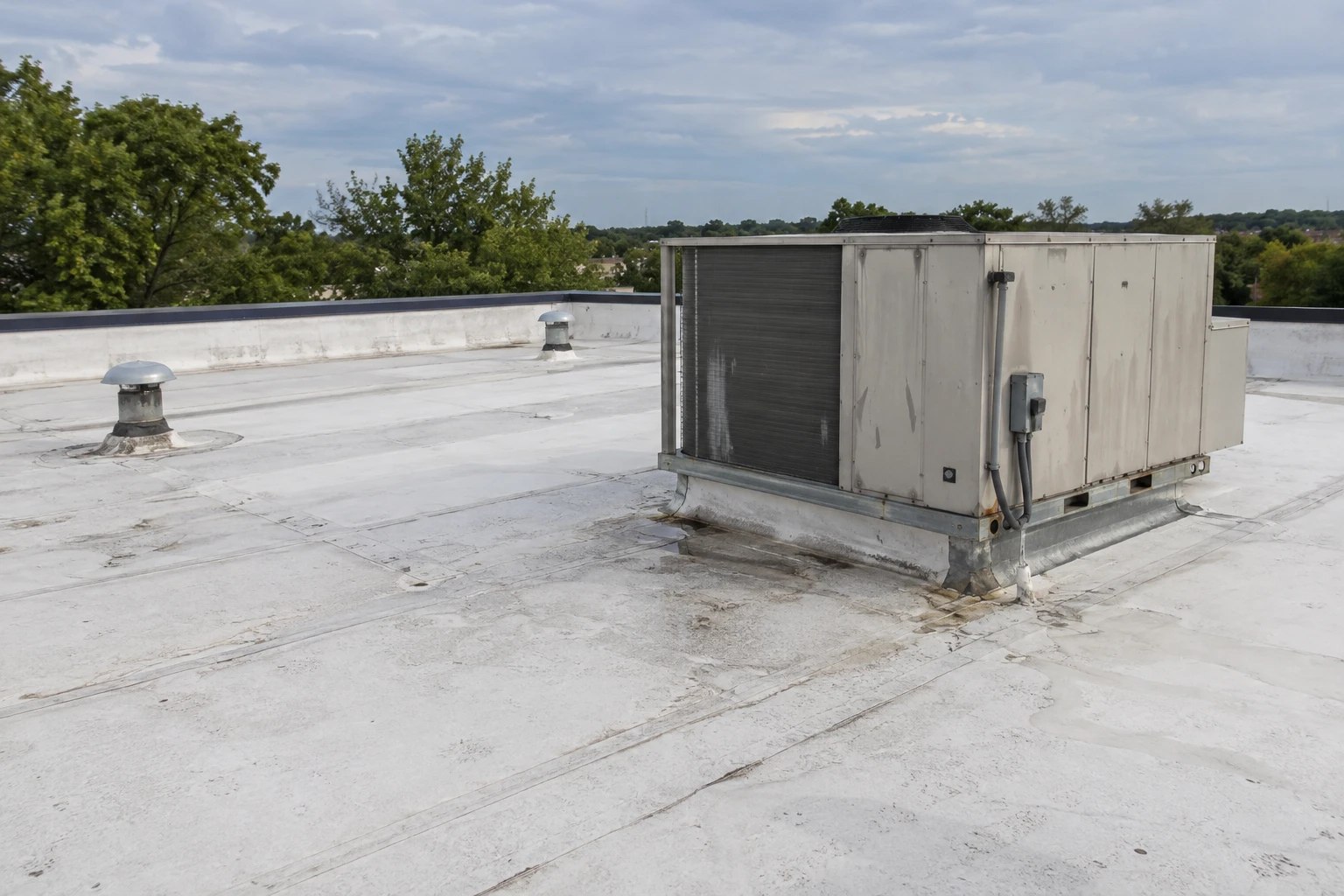
Modified bitumen is asphalt blended with polymers and reinforced with fabric. It comes in rolls laid in two or more plies. The plies can be torched to the base, set in hot asphalt, bonded with cold adhesive or self-adhered with a sticky back. The top surface is either a granule-surfaced cap sheet or a smooth sheet protected by a coating.
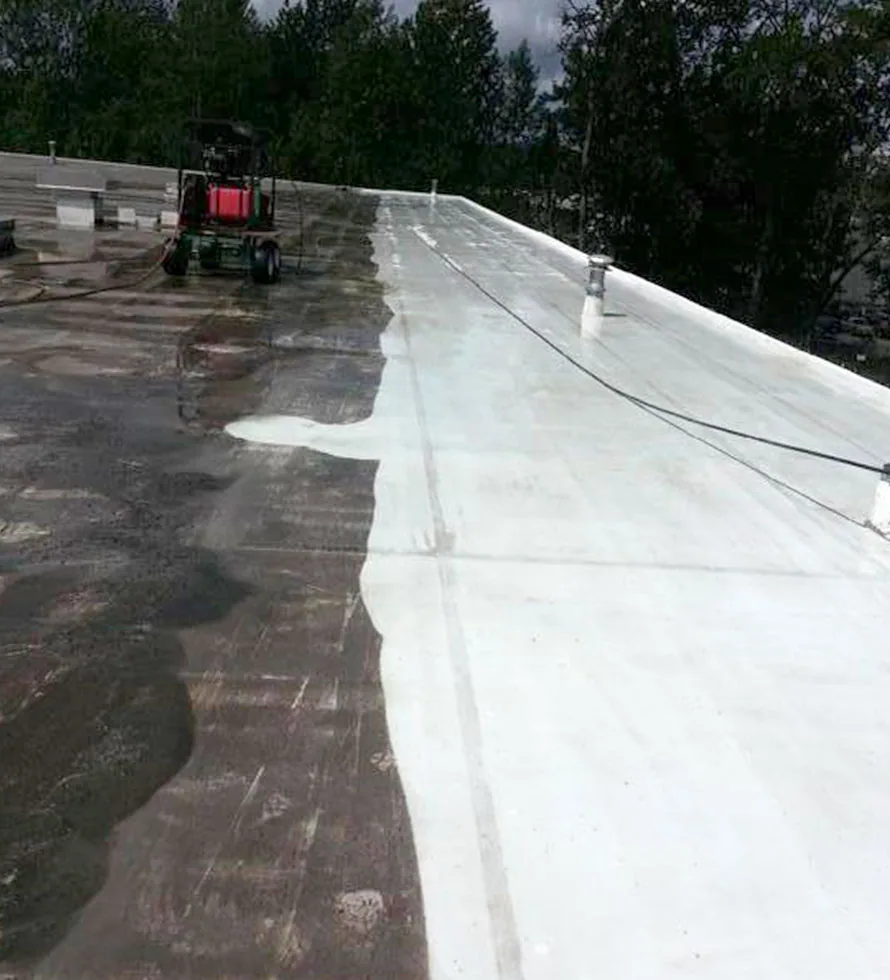
Liquid-applied products are a different tool. A resin goes on with a brush or roller over a prepared surface, usually with embedded fabric, and cures into one continuous layer around penetrations, drains and odd shapes. Soprema's Alsan line is an example of a flashing resin of this kind. We record which method was used on each roof section, because a repair for one will not suit another.
The deck below matters as much as the plies. A wood deck near a torch is a fire risk. A steel deck is a heat sink. A concrete deck holds moisture that can rise into the plies. The first step on any roof is to learn what is under the membrane, and the answer shapes the method.
The first sign
The first signs on a layered roof are surface changes. Blisters. Granule loss that exposes the mat. Cracks at the laps. Open flashing at a wall. Patches that peeled. Each is a step in a failure sequence, and the order matters.
Blisters are the best teachers. We cut one open, look at what is inside and note whether the cause is trapped moisture, trapped air or a gap in the adhesion. A single blister can be repaired. A field of blisters means moisture is spread through the roof, and the insulation under it needs testing.
Cracks tell a different story. A crack running along a lap suggests movement. A crack running across the field suggests an aged, brittle mat. A crack radiating from a corner suggests a stress point at a curb or a wall. We map the cracks on the drawing, since the pattern of the cracks is often more informative than any one of them.
Cold, heat and the cracked lap
Franklin runs near 90.8 F on an average July afternoon, has touched 108 F, and has fallen to minus 22 F. Asphalt softens in July and stiffens in January. A lap that was tight in September can crack in the first hard freeze. The crack lets in water, and the water freezes in the next cold snap and opens the crack further.
That is the sequence. We check laps in late autumn, before the freeze, and again in spring. A cracked lap is sealed or re-covered. A field of cracked laps points to an aged membrane, and the report says so. The standing-water line matters here too, since a pond sitting on a lap through a freeze does damage that a dry lap would not.
Where it shows up
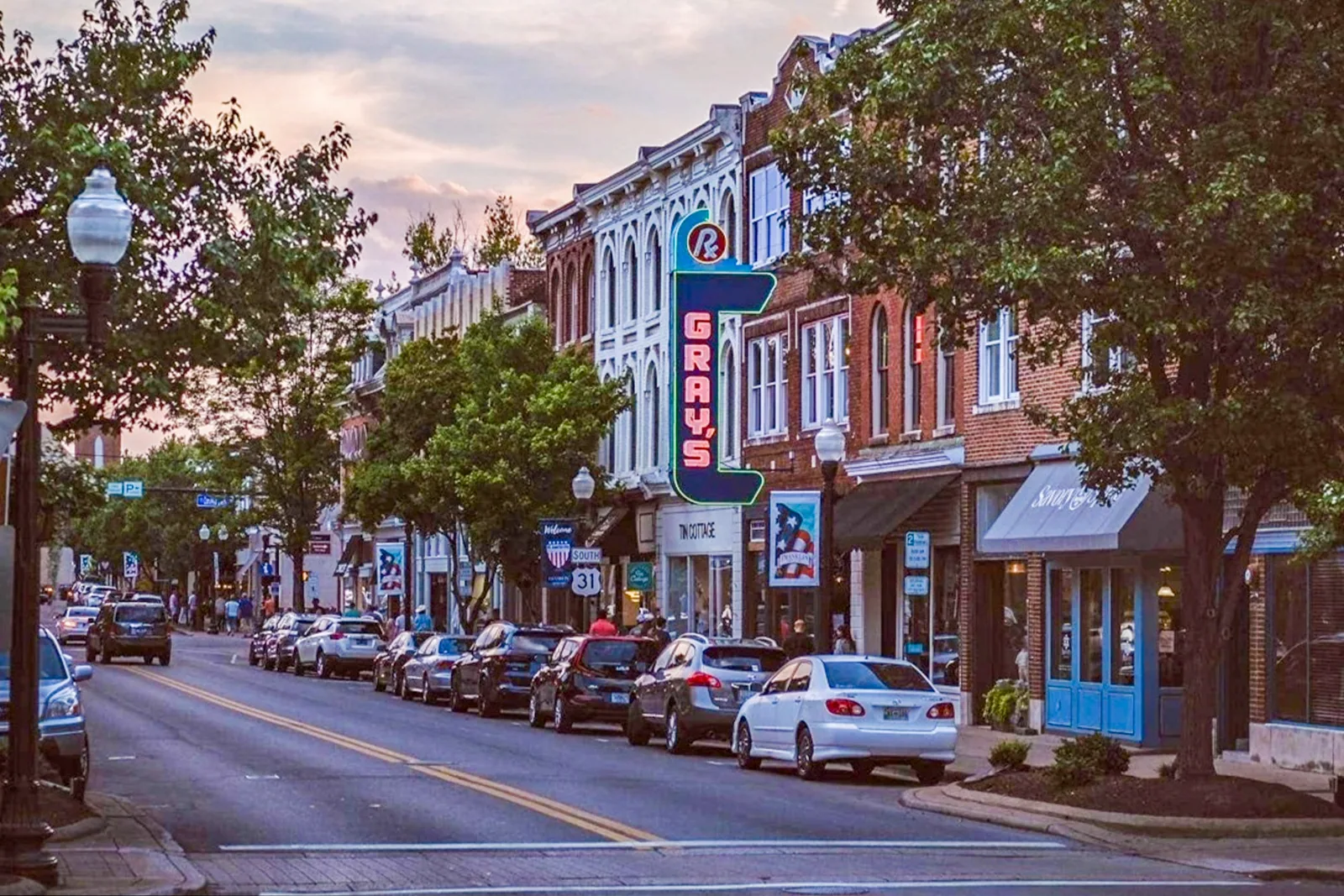
Franklin's downtown core is a 16-block National Register historic district. The Dortch Stove Works and Magic Chef factory downtown was restored in the late 1990s and now houses offices, restaurants, retail and event space. Central Franklin is about 4,000 acres, and the historic downtown is its most diverse area for uses.
Older masonry and low-slope commercial buildings put particular demands on a roof. Hot work needs a fire plan. Walls need a counterflashing check. Access is tight. On a roof in Historic Downtown Franklin, the method is chosen roof by roof, and a cold-applied or self-adhered system is often the choice where open flame is a concern.
Dickens of a Christmas and similar downtown festivals bring in about 50,000 visitors during the second week of December, and the crowds walk past older masonry and low-slope commercial buildings. A roof job near a festival is scheduled around it, and winter work on a layered roof is limited to the days when the materials can be applied within their temperature limits.
Torch, hot asphalt or cold-applied
Open-flame work needs a fire plan. The crew carries extinguishers, keeps a fire watch on the roof after the last torch is shut off and checks the deck, insulation and walls for materials that burn. On some buildings the owner or insurer rules out torches. Cold-applied and self-adhered plies fill the gap, as they do for asphalt-based systems from GAF and Johns Manville.
Cold-applied systems can cost more in materials and run slower. They keep flame away from combustible decks and occupied interiors. The scope states the method and the reason for it.
Fire rules go beyond the roof. Some policies require written approval of hot work. Some cities require a permit. We collect both before the date is set and keep copies in the roof file. A question about who agreed to what should never arise after the fact.
Repair or replace
A single blister or cracked lap over dry insulation is a repair. A field of blisters with wet boards beneath calls for replacing the wet section. An aging but dry membrane may take a coating. In the report each path has a cost range, and the cost of waiting another winter is listed beside it.
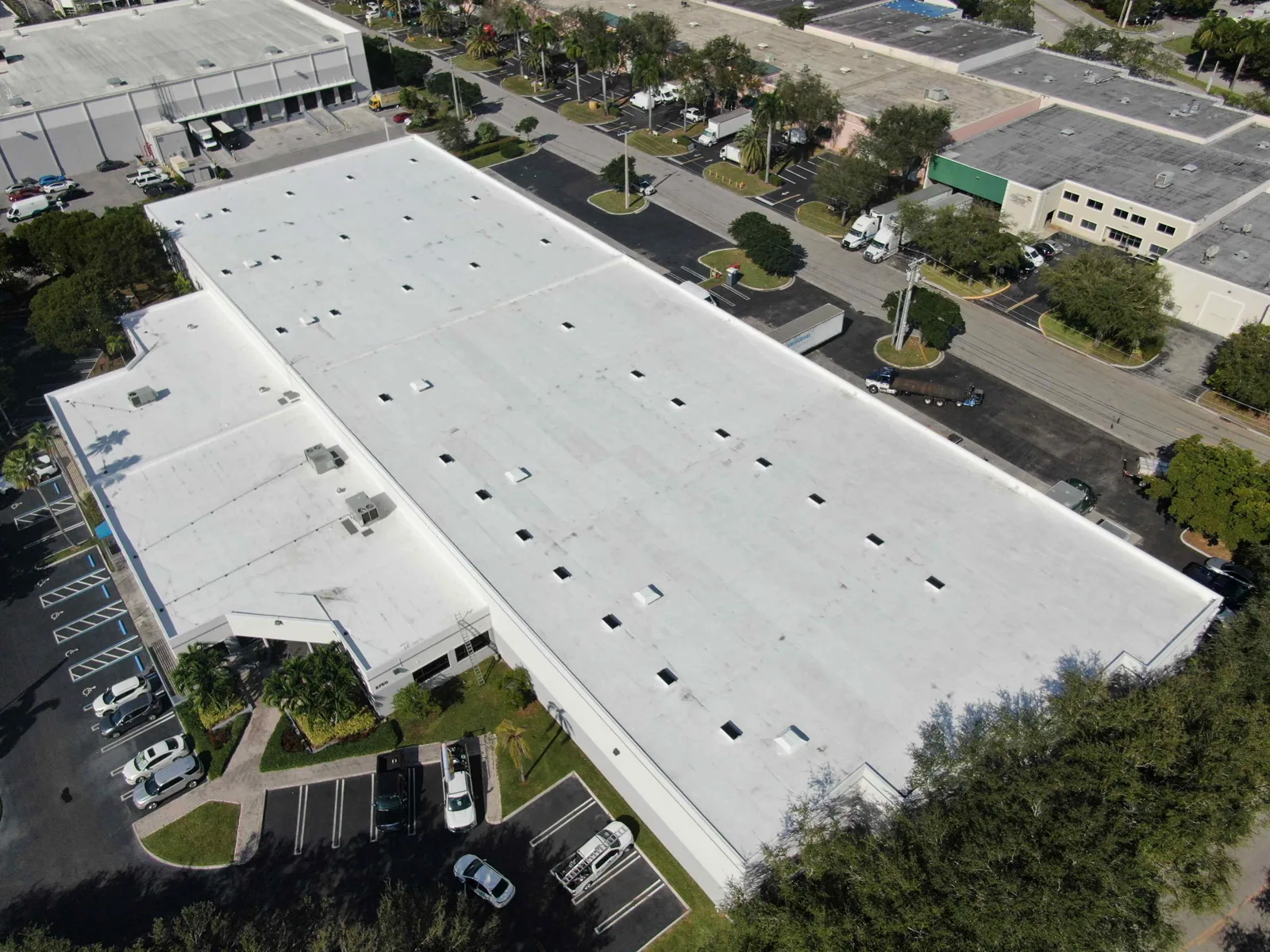
Because the state's 2021 codes took effect on August 17, 2025, a layered-roof replacement is permitted against that set or a stricter city edition. A modified bitumen replacement and a built-up roofing replacement each carry cost in the number of plies and the surfacing chosen for the top.
Cost follows the cause. A blister repair is small. A lap repair along a wall is larger. A section replacement is largest. The report separates these lines, with access, staging and weather holds shown on their own. A manager can then see what the building adds and what the roof adds.
What to check next
After a repair, look at the repaired blister or lap after the next heavy rain. Check the strainers. Walk the laps again before the first freeze. Write the date in the roof file. A roof with a dated walk each spring and fall, backed by preventive maintenance, rarely surprises anyone. Along the Harpeth River and across the Cool Springs office district alike, that habit is what keeps a small crack from becoming a wet layer.
The file records the plies, the surfacing, the method and the repairs. A lender or an insurer reading it sees how the roof was kept, and the next crew starts from the record.
Commercial Roofing Questions
Do you work on Soprema roofs?
We install, repair and maintain modified bitumen and liquid-applied systems of this kind, after identifying the plies and surfacing.
What causes blisters?
Moisture or air trapped between plies that expands in heat. A cut and a core show whether the cause is local or spread.
Is a torch always needed?
No. Cold-applied and self-adhered plies avoid open flame.
What is a liquid-applied flashing?
A resin that cures into a continuous layer around penetrations and drains.
When should laps be checked?
In late autumn, before the first hard freeze, and again in spring.