Built-Up Roofing (BUR) in Franklin, TN
A spongy spot underfoot, where the roof gives slightly like a wet mattress, is the first sign of trapped water in a built-up roof. The soft spot marks where water collected, and the job is to trace it back through the layers to the entry point: a blister that split, a flashing that cracked, or a seam of felt that opened. Built-up roofing, or BUR, is a roof made on site from alternating layers of asphalt and reinforcing felt, topped with gravel, a mineral cap sheet, or a coating. It is heavy, redundant, and long-lived when kept dry.
A BUR roof in Franklin, TN meets about 54 inches of rain a year and temperature extremes from minus 22 F to 108 F. Commercial Roofing Franklin walks these roofs slowly, because the signs are subtle, and explains each one before suggesting any work.
How the layers work
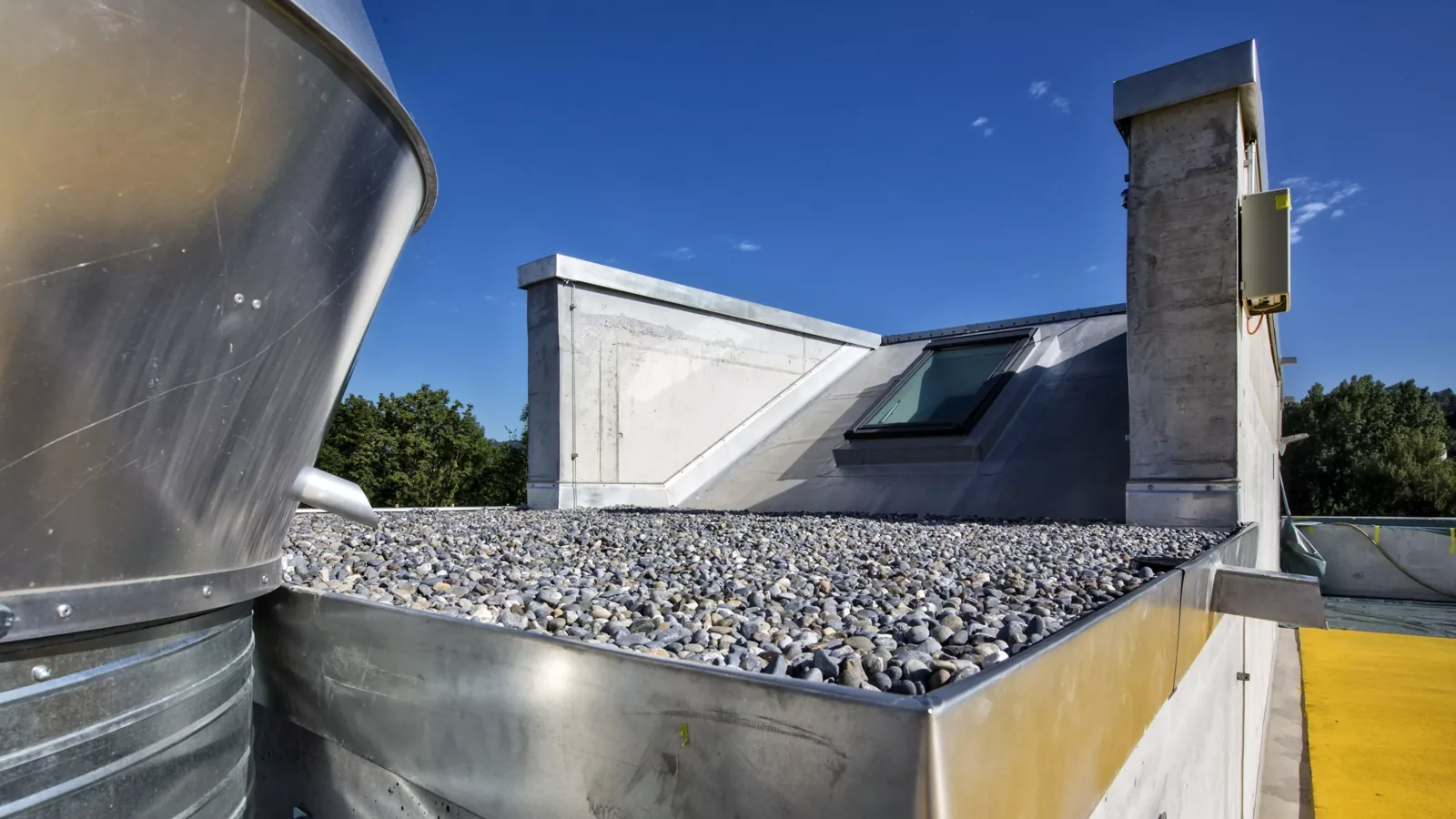
The bottom layers may be insulation and a base sheet. Above them go three or four plies of felt, each mopped with hot asphalt or set in cold adhesive. The top surface is gravel, which shields the asphalt from sun, or a cap sheet or coating that does the same. Because the plies overlap and bond, a single pinhole rarely lets water through. That redundancy is why a BUR roof can run for a long time. It is also why a leak can be hard to find, since water travels between plies before it drips. Plies also hide their own age. A core cut shows how many layers sit on the deck, whether an earlier roof was left in place, and whether the felts are still firmly bonded. Two roofs stacked on one deck carry a great deal of weight, and that weight changes what a recover or a tear-off involves.
Finding wet layers
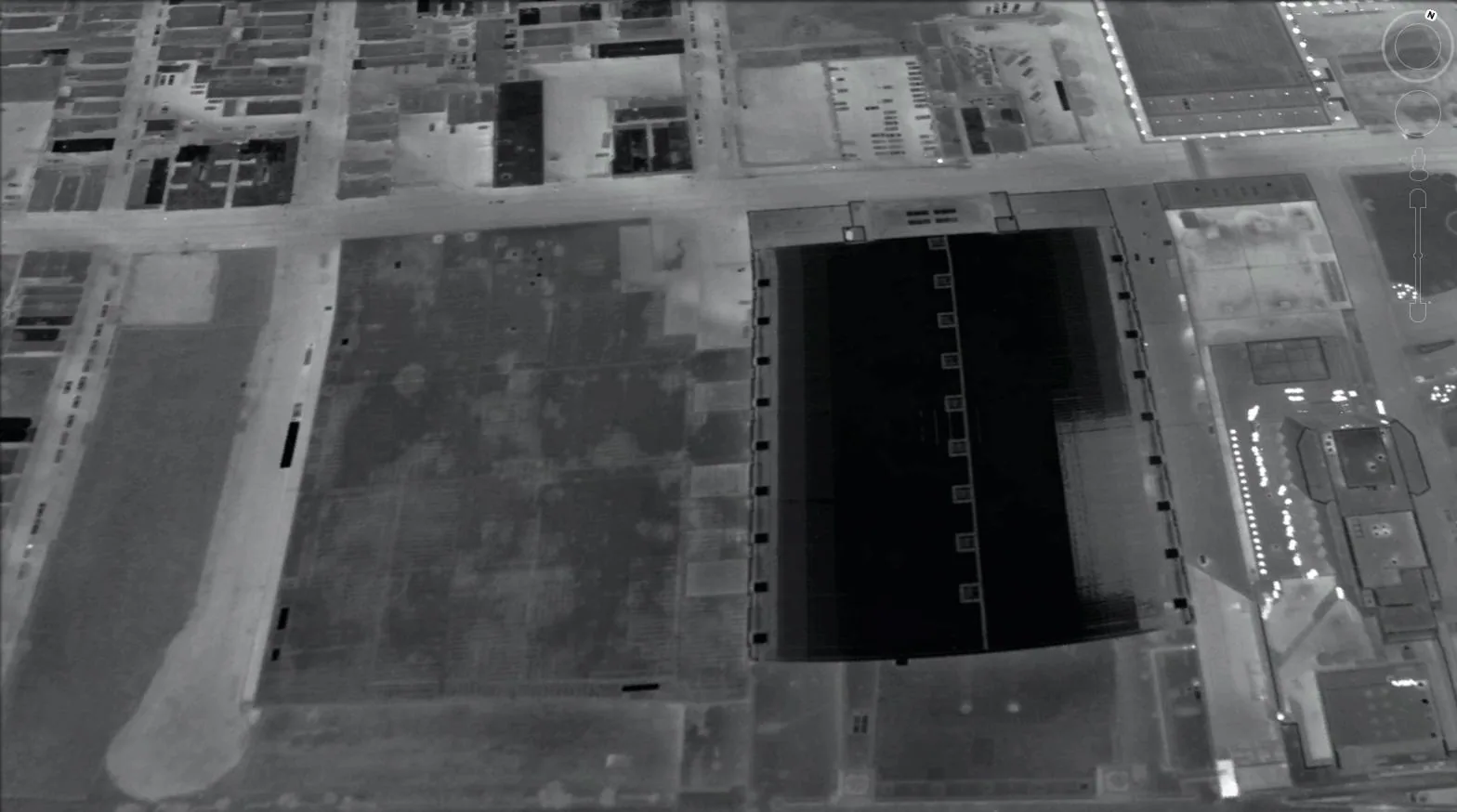
We walk the roof in a grid and press on the surface with our feet and a probe. Soft areas are marked with paint and photographed. Then we scan the roof with an infrared moisture survey, which shows temperature differences that suggest trapped water, and cut a small test sample at the strongest reading. The sample shows the plies, the moisture, and the insulation under them. The map of wet and dry areas is the most useful result of the walk, since it shows how much of the roof is still sound. A roof that is wet over one bay and dry elsewhere is a different project from one that is wet throughout. In the first case, the wet bay is cut out and rebuilt; in the second, the owner is looking at a larger decision. We also note whether the wet areas line up with drains, walls, or equipment, since a pattern points to a cause.
Blisters, ridges, and splits
A blister is a bubble between plies. Sun heats the trapped air or vapor, and the bubble grows. A small, closed blister is watched. A large blister or one with a split top lets water into the roof. Ridges, which are raised lines along felt laps, point to shrinkage or poor lap overlap. Splits, long cracks along a line, can mark a joint in the deck or insulation. Each of these has a different cause and a different fix, so we photograph and measure them rather than treating them as the same thing. A tape measure beside each blister gives a size, and a note of its location on the roof plan lets the next walk show whether it is growing. Ridges are checked with a straightedge to see how high they stand. A ridge that has begun to crack along its crest is a place where water will enter at the next heavy rain.
Gravel and wind
Gravel on a BUR roof does two jobs: it protects the asphalt, and it adds weight. In strong wind, stone can scatter, leaving bare spots that age quickly and sending loose stone toward the drains. Franklin's EF0 tornado of August 2023 and the EF-3 of March 2020, which damaged large warehouses in Mount Juliet, are reasons to check gravel coverage, edge metal, and drains after a storm line. Gravel that has moved also hides the surface from view. Where stone has piled against a wall or drifted to a drain, we sweep a test area bare, look for blisters and splits under it and rate the felts there before deciding whether the bare patches can be re-covered or need more.
Flashings and walls
Walls, curbs, and penetrations are where the plies turn up, and the flashings there take the most movement. We look at the base flashing for cracks and lifted edges, and at the counterflashing and sealant above for gaps. A crack lets water run behind the flashing and into the plies below. Repairs usually mean cleaning the area to solid material and building new flashing plies, with the top edge sealed. Because the deck beneath can be wet, the area is scanned first, so that a repair is not laid over water. The new flashing plies are lapped well past the damaged zone onto sound material, and the termination at the wall is fastened and sealed along its full length. A short bead of caulk across a cracked flashing is not a repair, because the crack moves with the seasons and the caulk does not, and a roof that has several of them is a roof asking for a proper job.
Repair, coat, or replace
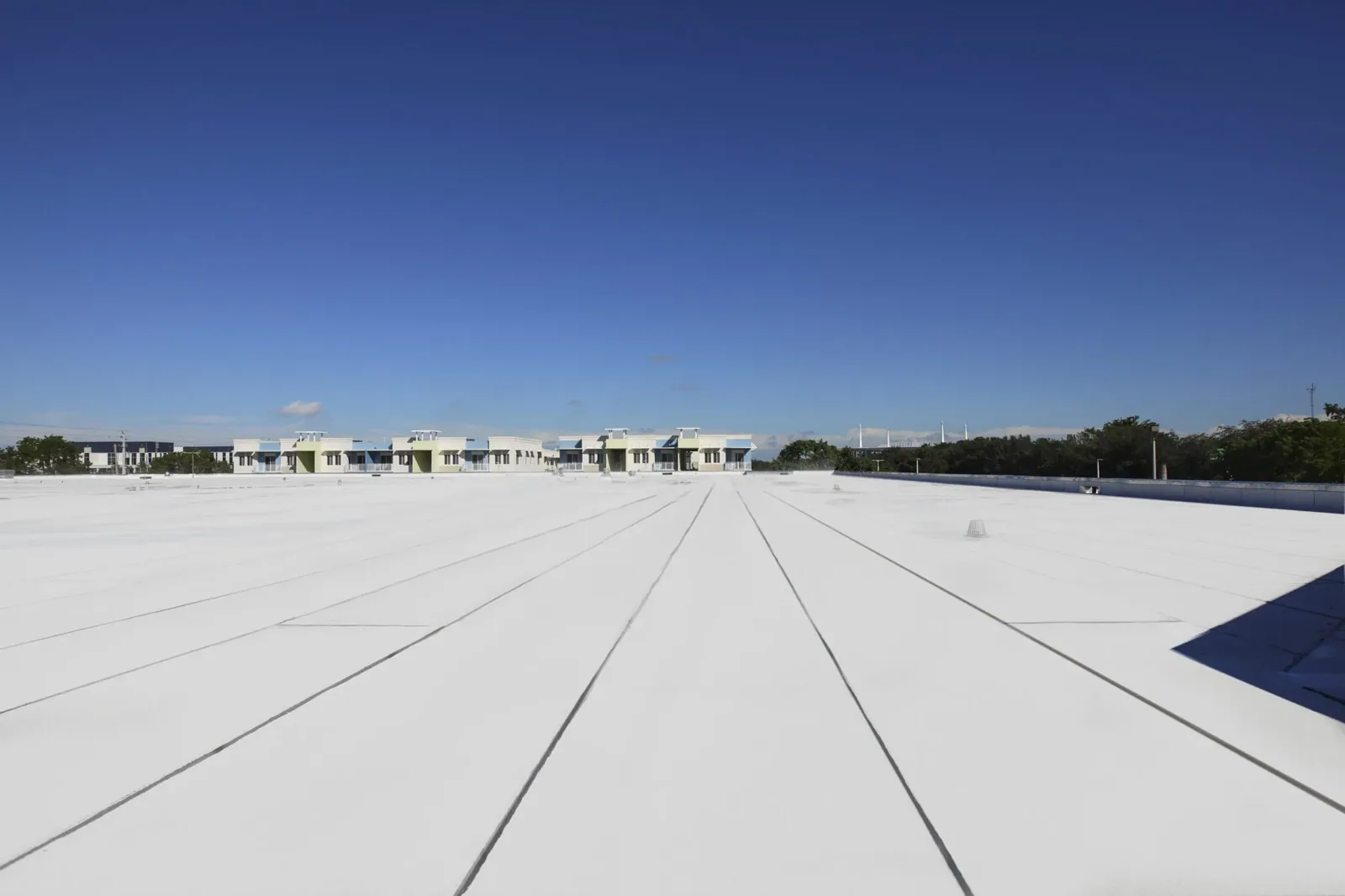
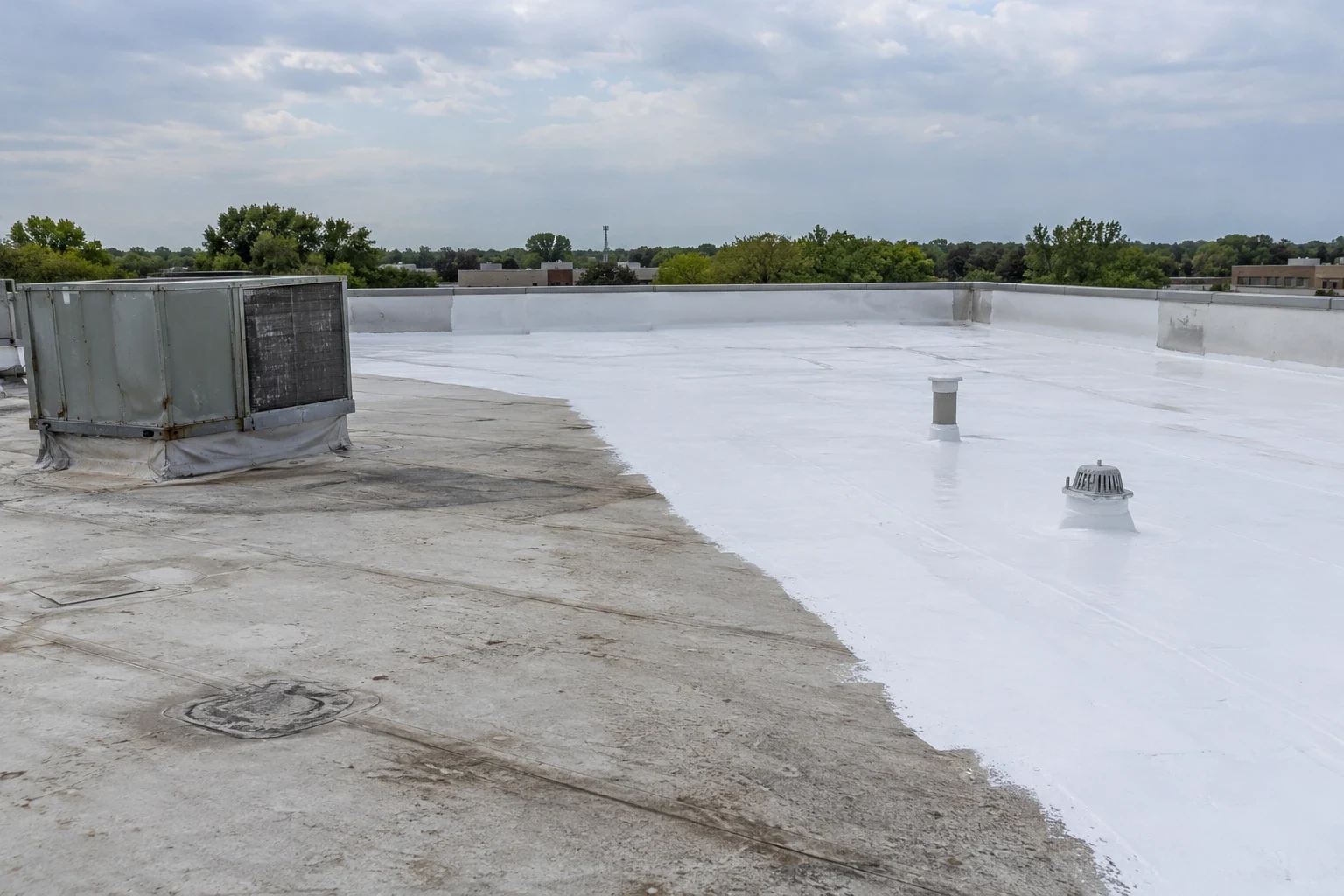
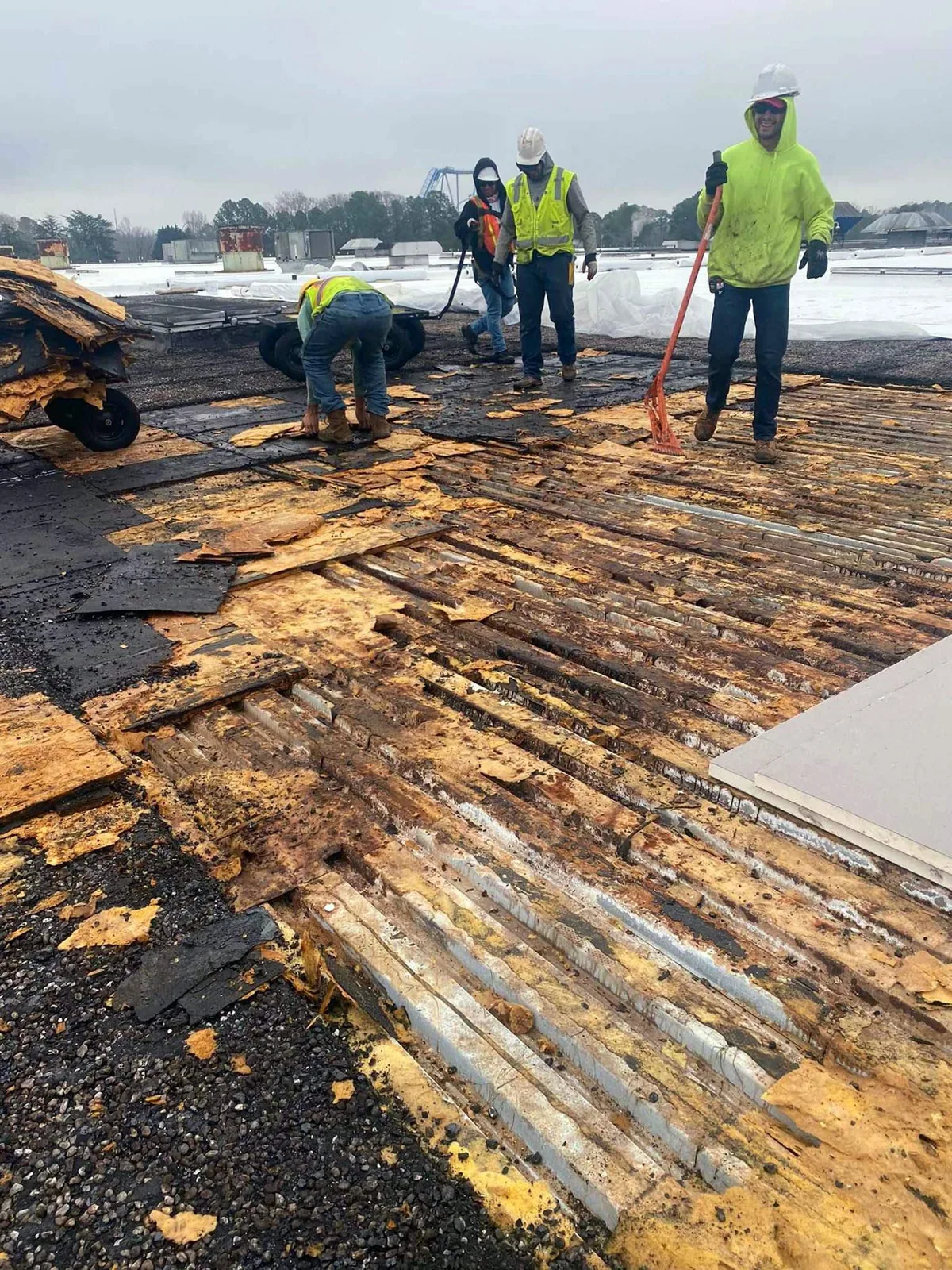
A blister, a flashing crack, or a bare gravel patch is a repair. A roof with sound plies and a worn top surface can take a coating restoration. A roof with wet plies and insulation across large areas points to tear-off. Because a BUR roof is heavy and may have many layers, tear-off generates a lot of debris, which affects cost and schedule. A kettle, a lift, and a dumpster all need staging space, and the plan shows where each goes. A replacement scope is reviewed with the building official before pricing, because the 2021 code editions the state adopted in August 2025 can change insulation and wind requirements.
Where it fits in Franklin
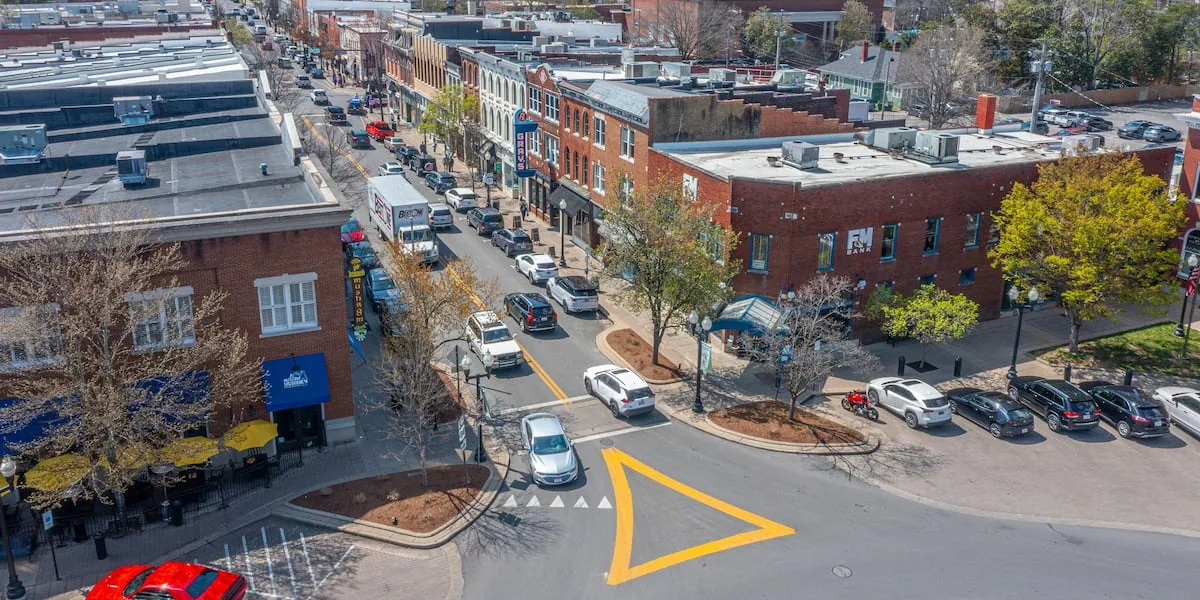
Built-up roofing appears on older flat roofs in commercial districts. Industrial use concentrates in Southall along Columbia Avenue, while the McEwen area is the city's principal regional commercial area. For owners in Southall or near Cool Springs, the question is usually whether to restore what is there or move to a lighter system such as modified bitumen or TPO.
Commercial Roofing Questions
How can I tell if my BUR roof has wet layers?
Soft spots underfoot, stains inside, and a moisture scan. A test cut confirms it. We map wet and dry areas and put the map in the summary.
Is a blister an emergency?
A closed blister is a watch item. A split one lets water in and should be repaired soon. We photograph and measure each.
Can I add gravel to a worn roof?
Yes, if the plies are sound. Gravel is set in a fresh flood coat of asphalt so it bonds.
How heavy is a BUR roof?
Heavy compared with single-ply. The structure must carry the existing layers and any recover, so we confirm before adding weight.
Does a BUR roof need a fire watch?
Hot asphalt work calls for a fire watch, extinguishers, and a plan for combustibles near the kettle and the roof edge. Cold-applied systems reduce that risk on occupied sites, and we state the method and the precautions in the plan before work starts.