Big-Box Retail Roofing in Franklin, TN
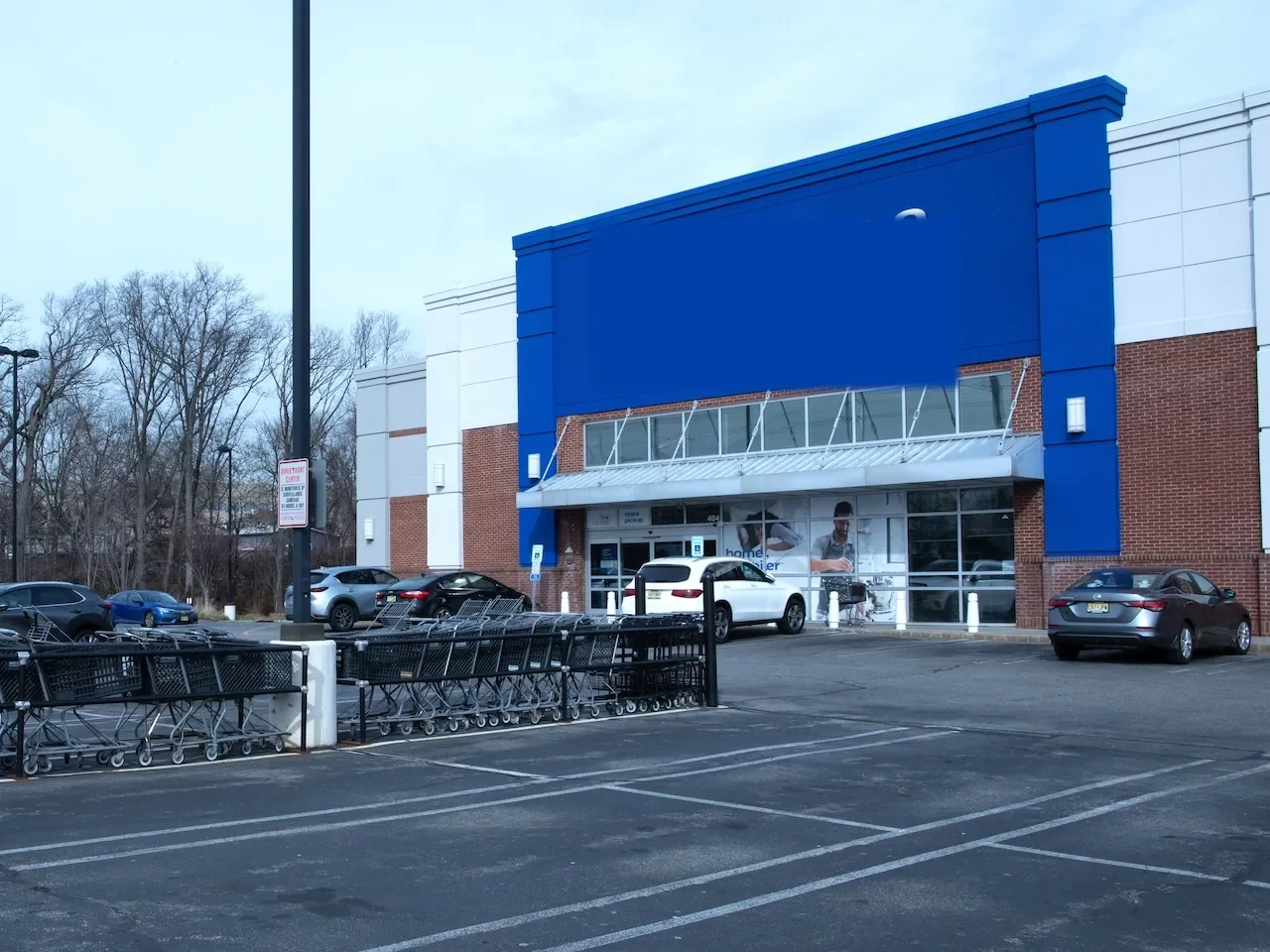
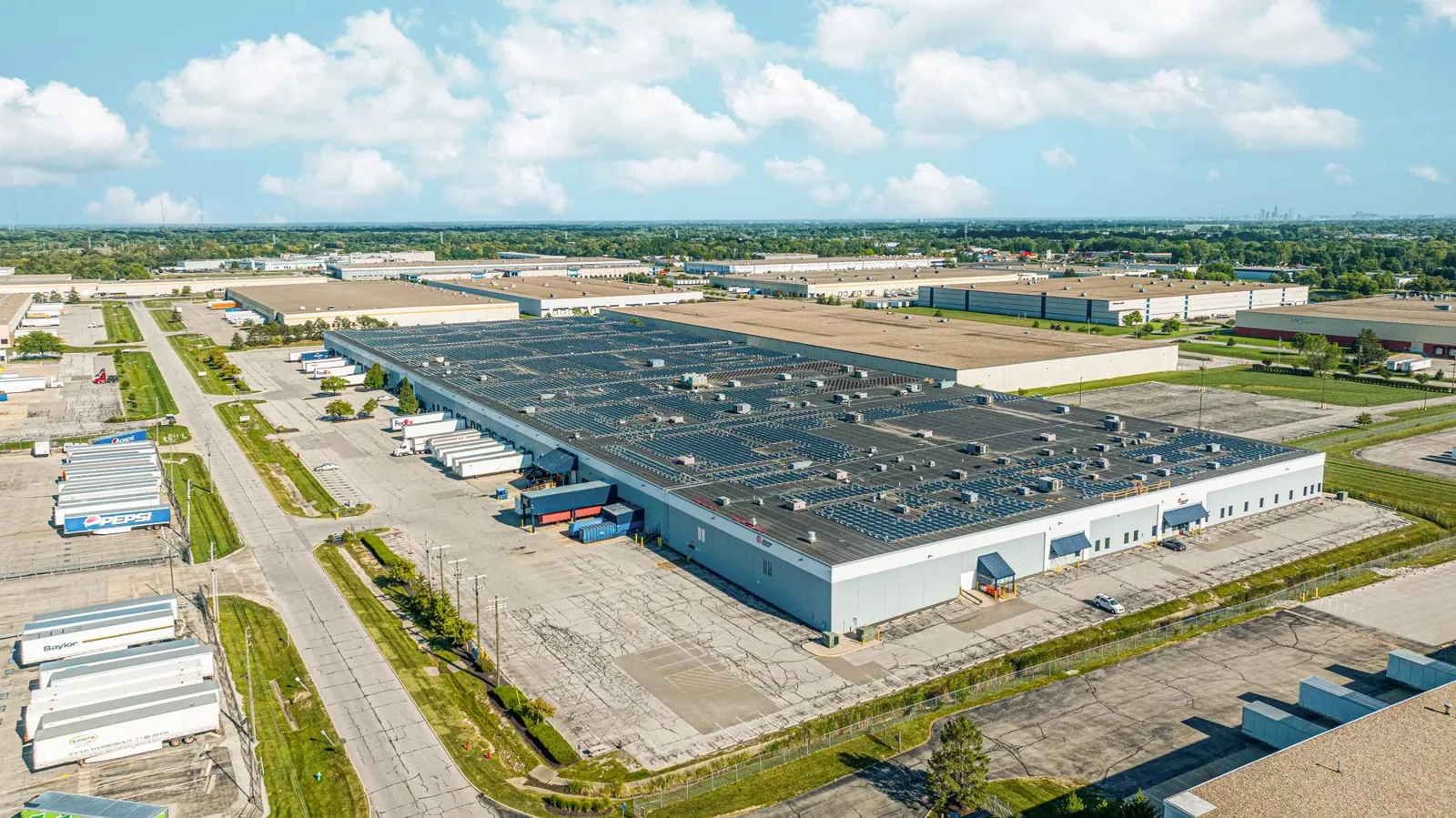
A bucket in a sales aisle is usually the first sign on a big-box roof, and the aisle is rarely under the leak. A wide store has a wide roof, and water that enters at one edge can travel a long way along the deck before it finds a gap. The bucket marks where the water stopped. We start there and walk the failure backward across the roof to the seam, flashing or drain that let it in.
We repair, recover and replace low-slope roofs on big-box retail stores in Franklin, TN. Our walk follows the water path, marks the cause and ends in a short written summary with photos. Trading hours and deliveries set the work schedule. Storm and leak emergencies get an answer at any hour, holidays included.
The first sign
A store reports roof trouble in layers. A bucket under a ceiling tile is the loudest sign. A stained tile in a back room, a rusting rack leg, a wet pallet near a dock and a smell after rain are quieter ones. Store managers keep notes, and facilities teams keep tickets. We ask for both before the walk.
Then we match them to the roof plan. Signs near one wall point to flashing or a canopy. Signs along a line point to a long seam. Signs under a mechanical area point to a curb. Signs in a low area point to a drain. The pattern tells us where to look first, and we photograph every detail on that path.
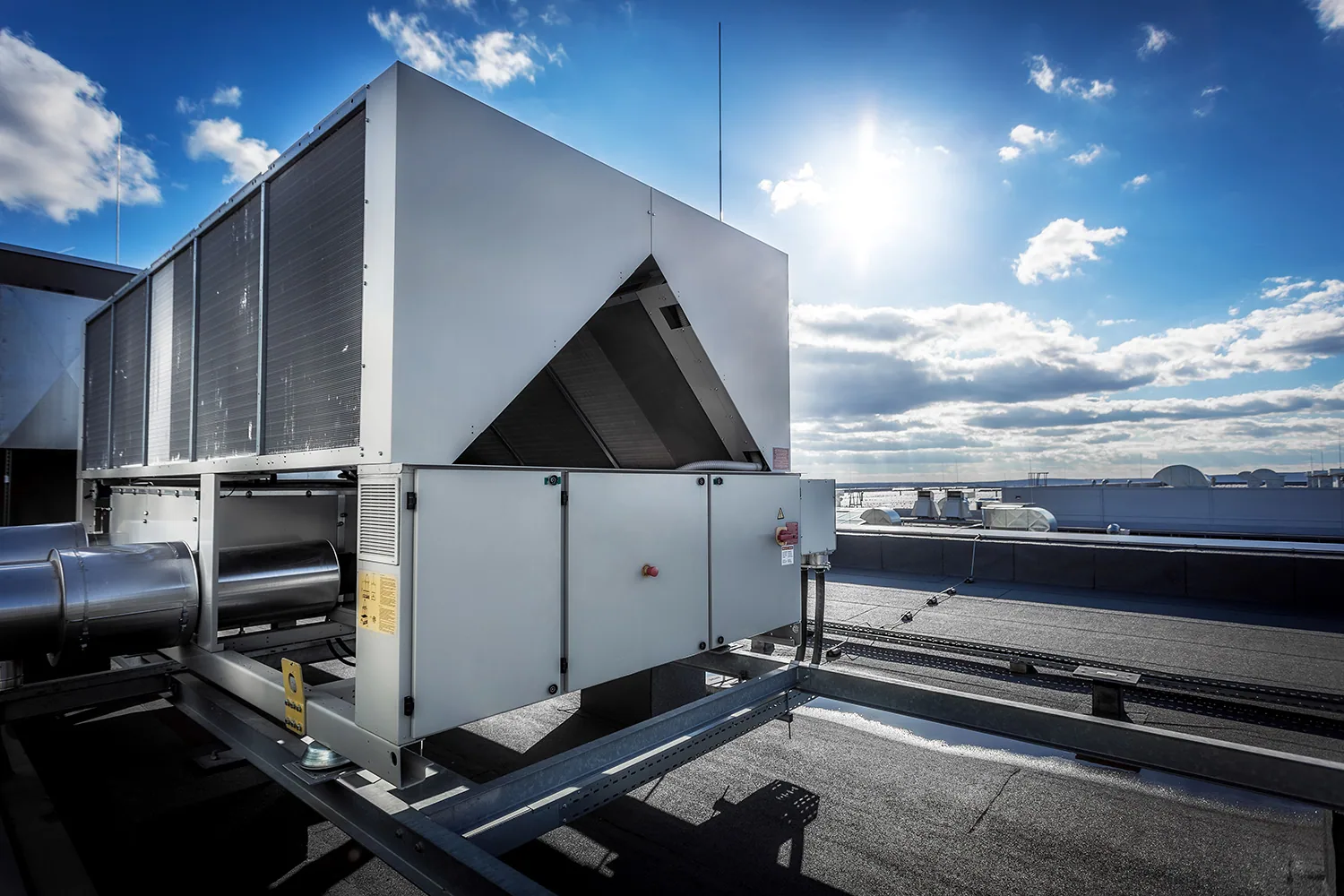
Rooftop units on a big box can number in the dozens. Each has a curb, a flashing, a drain line and a service path, and the units are often owned and serviced by different parties. We count them, rate every curb and support and mark walk paths. A technician who sets a panel on the membrane or drags a ladder across a seam leaves a cut that shows up as a bucket three weeks later.
What is happening underneath
A big-box roof is a wide, low sandwich with a deck, insulation and a membrane, and it has fewer penetrations than an office roof. That is a strength, but it also hides trouble. Water that enters at a drain or a unit travels along the insulation, and the wet layer spreads without a visible sign on the surface.
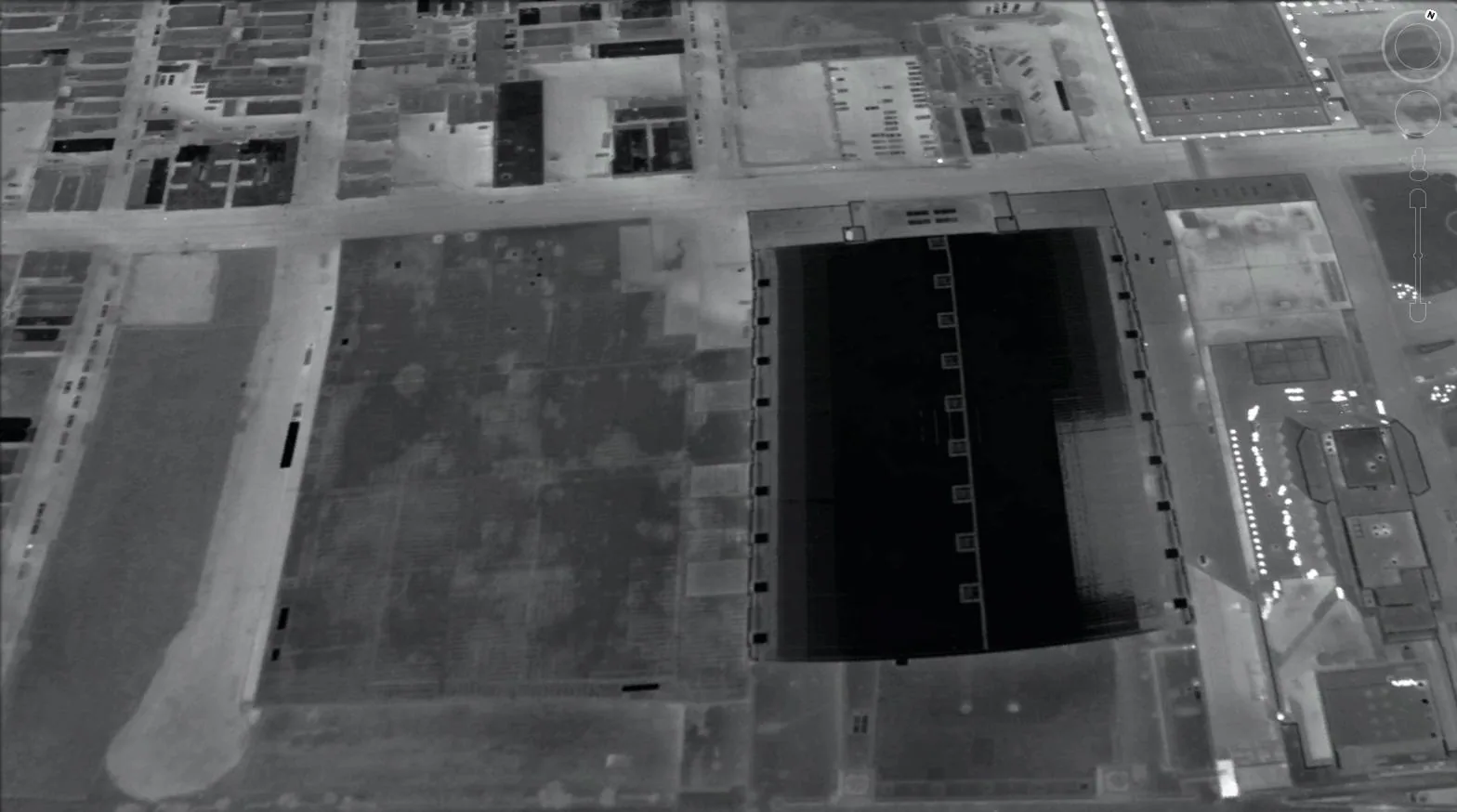
So the wet layer is verified before a repair begins. An infrared moisture survey maps wet insulation without cutting the roof, and cores prove the map. With the map, a repair can be cut to the wet area, and a manager can tell corporate how much of the roof is sound. It also shows whether the roof is near replacement, which decides how much money a repair deserves.
Loading docks and receiving canopies deserve a separate walk. Trucks, forklifts and pallets work hard there, and the wall flashing and canopy tie-ins take the abuse. Water at a dock door may enter at the canopy above it. We check the wall termination, the canopy fasteners and the drain nearest the door, since an overflow there wets the receiving floor.
Where the water stopped
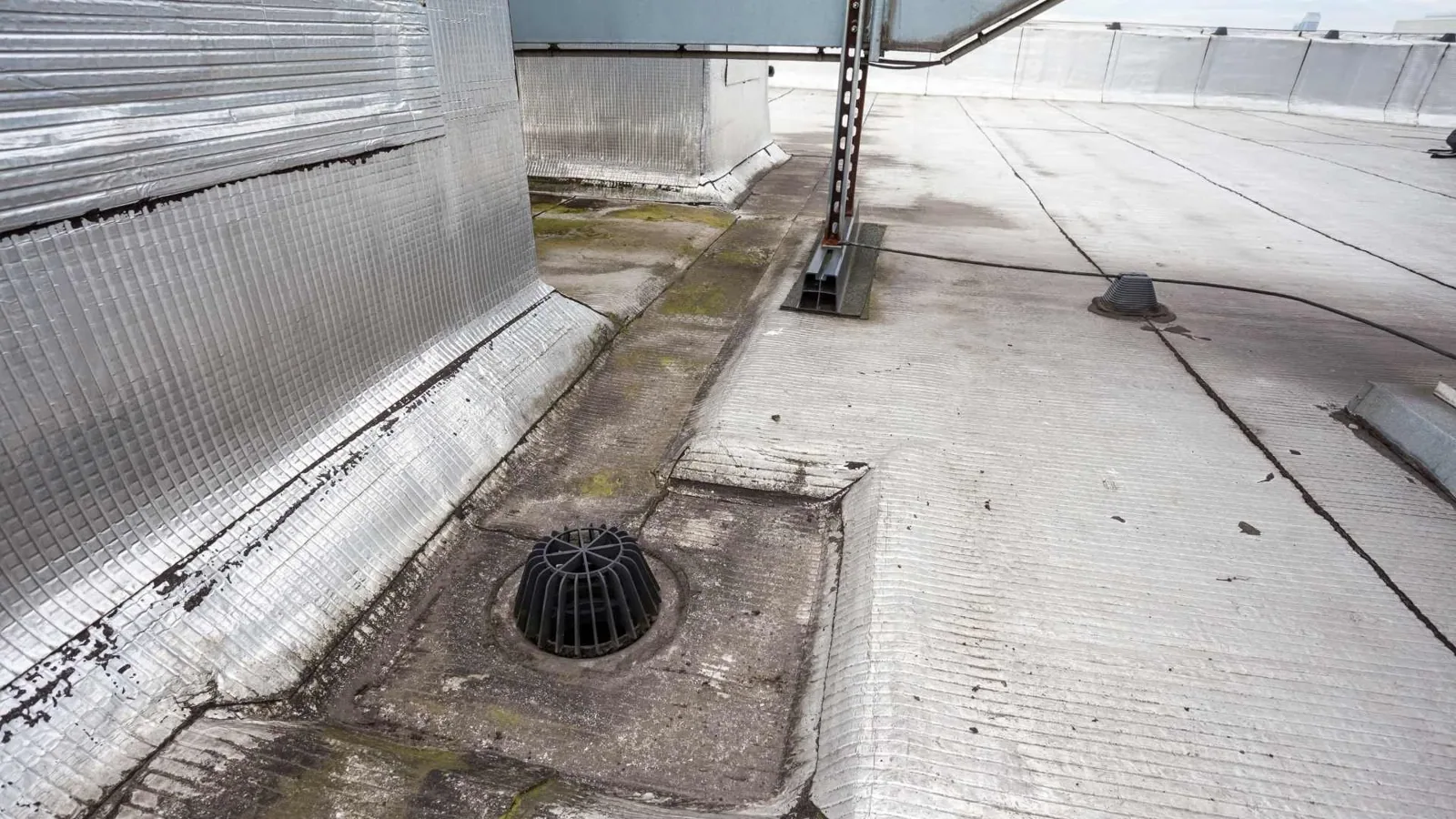
Drainage matters more on a wide roof. Few drains serve a large area, so a clogged strainer or a failed drain bowl puts a lot of water on the membrane. The standing-water line left behind shows how long it stayed. Water at that line adds weight and wears seams nearby.
We test each drain and scupper, clear strainers, photograph the water line after rain and measure low spots. If a pond returns to the same place, we check the deck for sag and the drain for height. The fix may be a cleaned strainer, a lowered drain or tapered insulation, but only the measurements say which. A drain and scupper check is the cheapest step in the plan.
Interior drain piping can look like a roof leak. A cracked pipe or a loose clamp inside the ceiling space drips on the same tile that a roof leak would. Before blaming the membrane, we ask the maintenance team to check the piping, and we test the roof side with water if needed. The repair then goes to the right trade, and the roof is not patched for a problem it did not cause.
Franklin weather and a wide roof
Rain totals about 54 inches a year in Franklin, July afternoons average close to 91 degrees, and the extremes on record are 108 and minus 22. A large dark roof absorbs the summer heat, and the seams and sealants move with it. Hard freezes stiffen what heat has loosened. In July 2026, a severe thunderstorm warning covering northeastern Williamson County mentioned 60 mph gusts and three-quarter-inch hail.
An EF0 tornado that touched down on August 12, 2023 at Royal Oaks Boulevard near Highway 96 left minor roof damage at some businesses. A wide roof has a long edge, and wind starts at the edge, so we check coping, edge metal and fastener rows after any storm line.
Retail districts in the city
Retail roofs of every size share the city's commercial corridors. West of I-65, Mallory Lane and Royal Oaks Boulevard are mostly four-lane divided corridors with numerous curb cuts and driveways and peak-hour congestion, which affects delivery and crane access planning. The Murfreesboro Road corridor mixes banks, grocery stores, restaurants and pharmacies in developments older than those to the north.
Access is a real part of the job. We plan lifts, deliveries and staging with the congestion in mind, and we coordinate with store management on hours. The Cool Springs district and the corridors around it call for the same planning, since CoolSprings Galleria brings about 6,500 parking spaces of traffic to the I-65 and Moores Lane interchange.
Repair or replace
Cause before cure. With dry insulation and only a few failures, commercial roof repair is all the roof needs. A sound, dry roof with surface wear may suit a coating. If the insulation is wet over a wide area, plan a replacement in phases so the store keeps trading. A shopping center that houses the store may share a roof section, so ownership matters, and a neighboring grocery store brings refrigeration load to the same questions.
Corporate teams compare stores, so we rate each roof on the same scale, with the same photo set, so a regional manager can see which stores need work this year and which can wait. Cost drivers such as wet insulation, access and unit count are listed, and each scope names what is repaired, what is replaced and what is left alone.
Commercial Roofing Questions
Why does a big-box roof leak far from the bucket?
Water travels along the deck and insulation before it drops. The bucket marks where it stopped. We map the wet layer and trace the entry to a seam, flashing or drain.
Can a store stay open during a roof replacement?
Yes, in most layouts. We work in sections, keep entrances and dock lanes clear, close in each section nightly and place loud steps outside trading hours where possible.
How do you handle a pond that keeps returning?
We measure the low spot, check the drain height and look for deck sag. The cure may be a lowered drain, tapered insulation or a cleaned strainer, depending on the cause.
Does hail like the 2026 warning matter for a wide roof?
It can, so we walk the roof after a storm line. The warning cited hail up to about three-quarters of an inch. We probe for bruises, cracked seams and dented metal.
What helps before a roof walk at a store?
Share the roof age, the store manager's notes on leaks, any drainage drawings and earlier repair invoices. The walk traces the failure on the roof, and a short written summary follows.