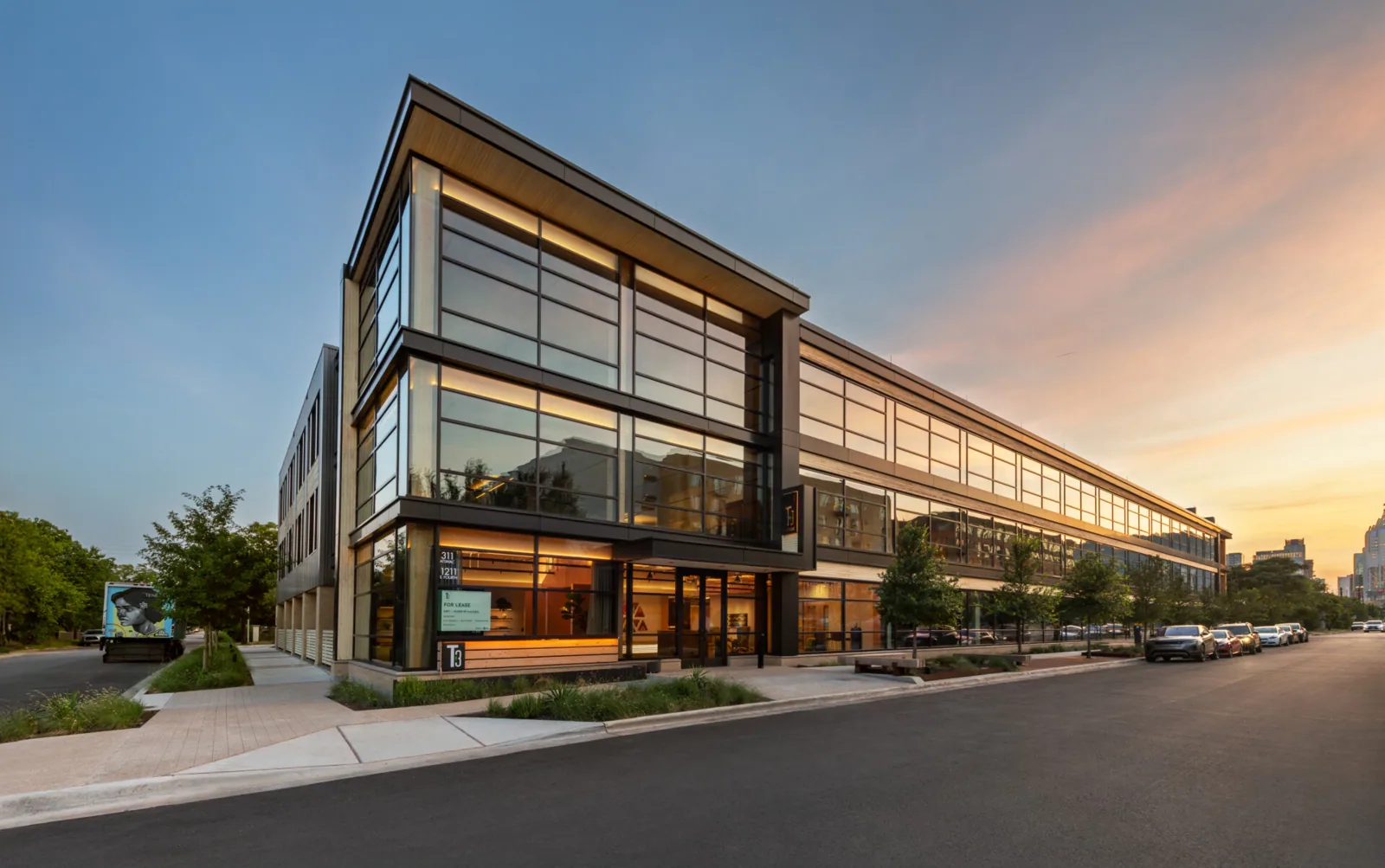
Data Center Roofing in Franklin, TN
On a data center roof, the first sign is often not a drip. It is a water sensor alarm in a corridor, a damp spot beside a cable tray or a stain near a chiller pipe, and by then the roof has been taking water for some time. We start with the alarm and walk the failure backward to the seam, flashing or penetration that let the water in.
Our roof work for data centers and technology buildings in Franklin, TN covers repair, recovery and replacement of low-slope and metal systems. Next we follow the water path, mark the cause and send the facility team a short written summary with photos. Because a leak over a live hall is a different kind of event, we plan the work around the facility's rules before we plan it around the roof. Emergency calls reach us at any hour, holidays included.
The first sign
Data halls are built to detect water. Sensors under raised floors, drip trays at pipes and cameras on corridors turn a slow leak into an event. The signal is useful, but it arrives late. The first physical sign on the roof is usually quieter: a dark line at a seam, a bulge in the membrane near a curb, or standing water beside a chiller pad.
We walk the roof with the facility's incident log in hand. Every alarm is matched to a position on the plan. If three alarms sit under the same bay, we start with the roof above that bay. If they scatter, we look at the drains and the shared details such as pipe supports and conduit penetrations. The pattern narrows the search.
Condensate and refrigerant lines add false alarms. A chiller line that sweats, a drain that backs up inside the building or a pipe joint that weeps can trigger a sensor with a dry roof overhead. Before we blame the membrane, we ask the facility team to confirm the source with a dye or moisture check, so the roof is not repaired for a problem that starts in the piping.
What is happening underneath
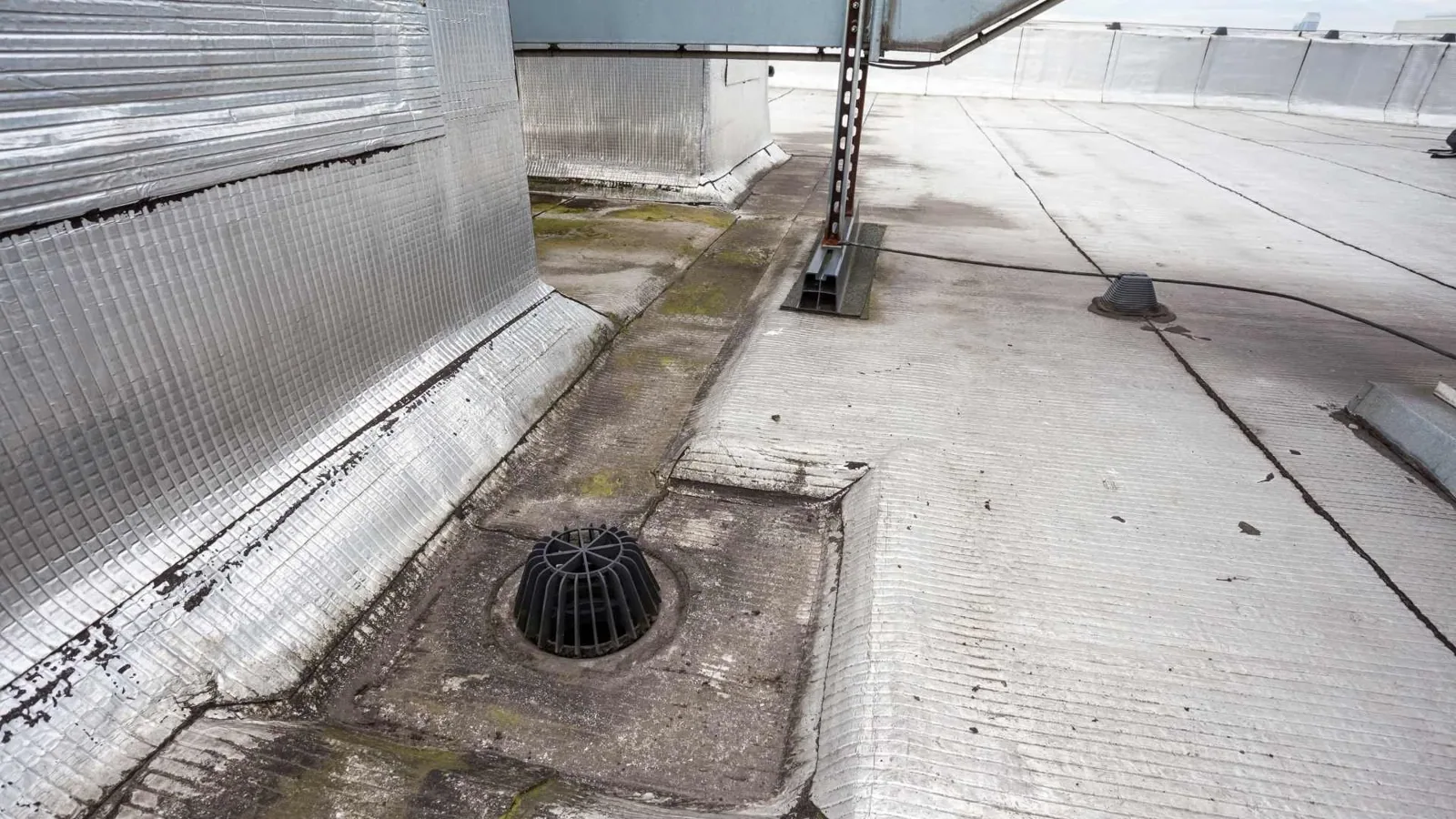
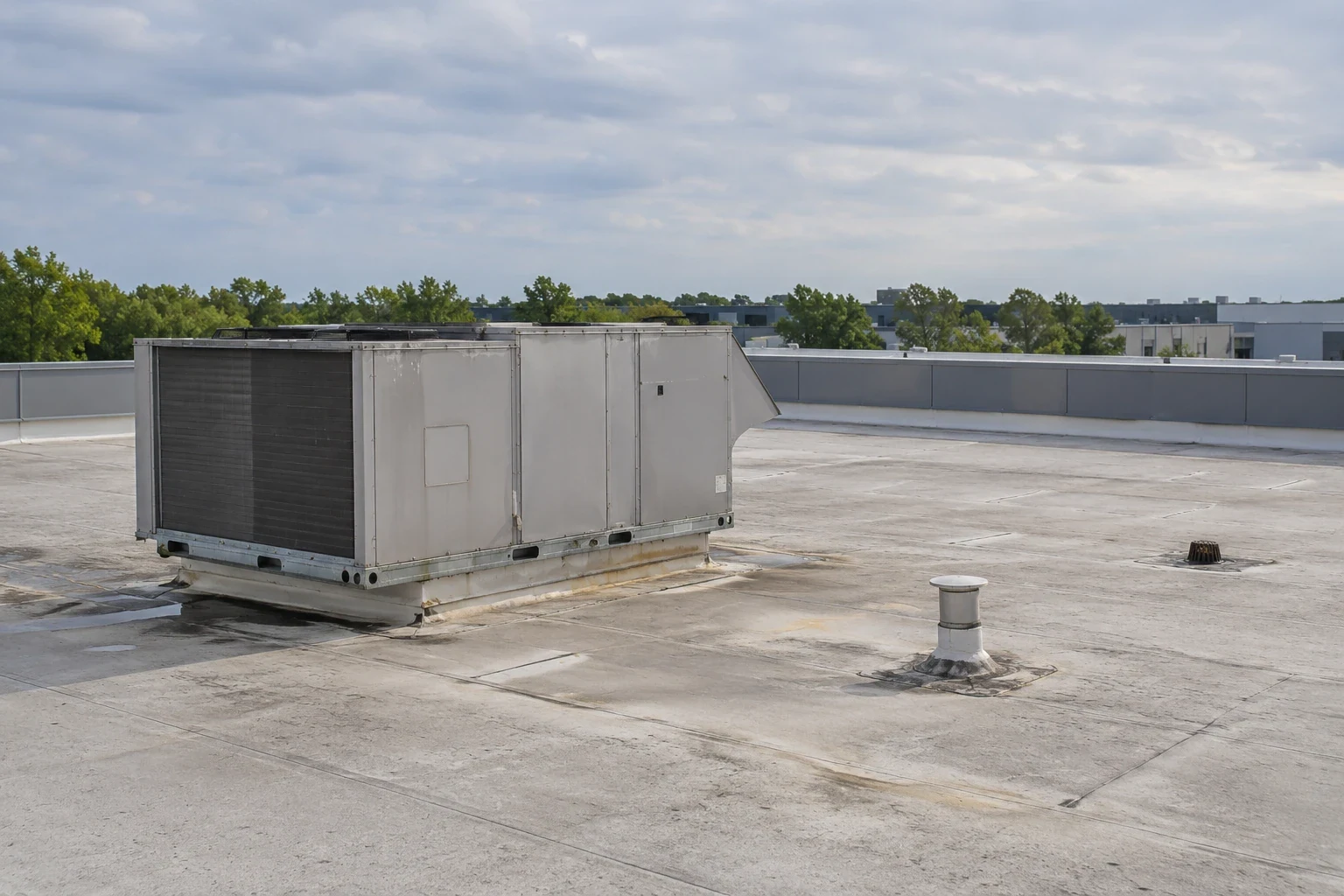
A data center roof carries more than most. Chillers, generators, air handlers and cable trays sit on supports that pass through or rest on the roof, and each support is a place for the membrane to be cut, crushed or flashed badly. Weight from equipment can deflect the deck and create low spots that hold water.
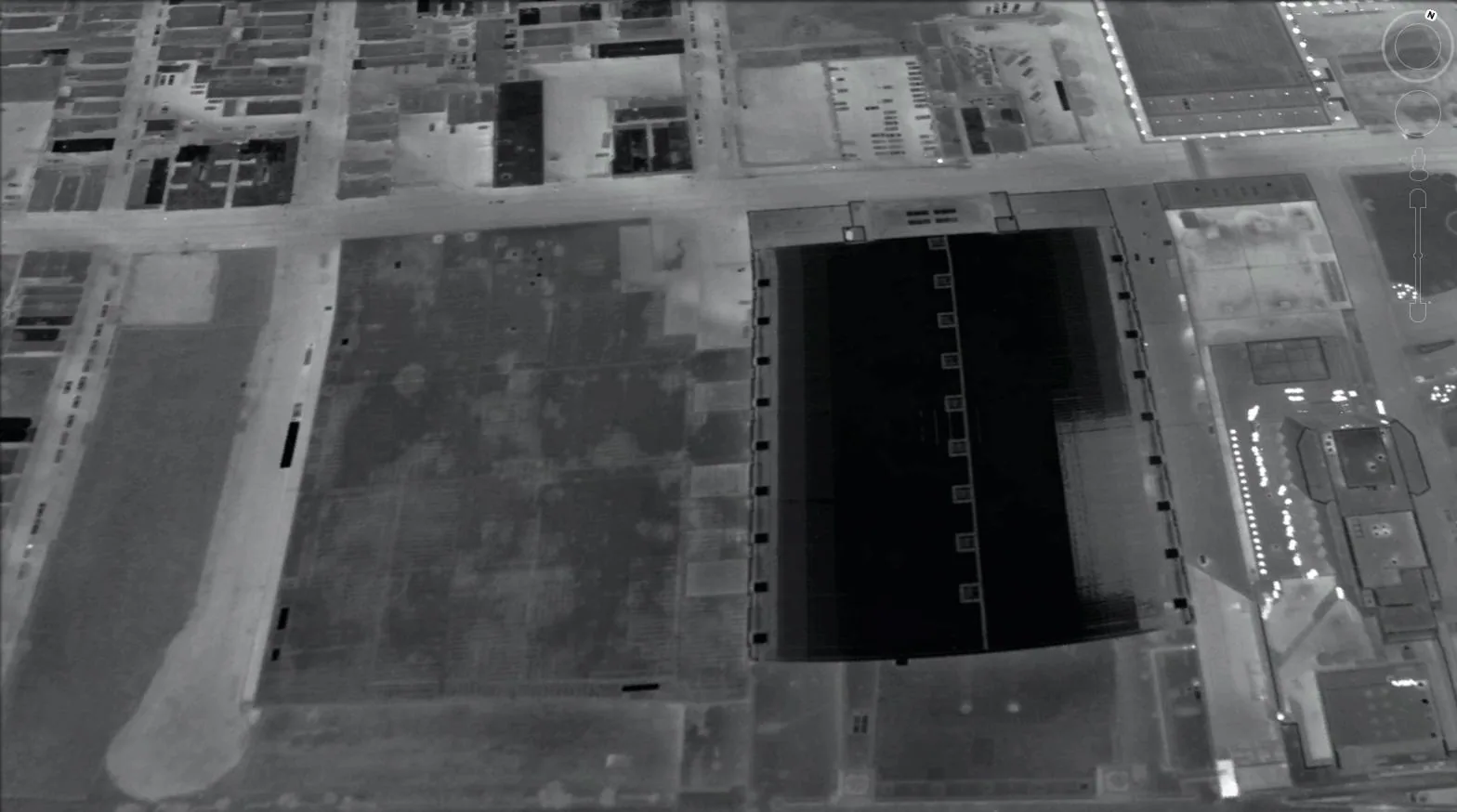
Water that enters runs along the insulation joints and drops where the deck has a gap, which can be far from the entry. The wet layer adds weight and loses its insulating value, which adds to the cooling load. An infrared moisture survey and a few cores map the wet layer and show whether the entry is a seam, a support or a drain. That map decides the scope.
Overflow and secondary drainage are a critical layer on a building that cannot take water. Primary drains handle normal rain, and overflow drains or scuppers must carry the load if the primary drains clog. We test both, including each drain and scupper, check that overflow openings sit at the right height and note any blocked or missing ones. A roof without a working overflow turns a clogged drain into a pond.
Working over a live facility
Roof work above critical space follows rules that exceed the usual. Hot work may be limited or banned, so we plan with mechanically fastened, adhered or cold-applied methods and heat-welded seams where the facility permits. Smoke, fumes and dust must not reach air intakes, and we mark intakes on the plan and sequence work away from them.
Access is controlled. Crews are badged, escorted and scheduled, tools and materials are logged, and the work area is closed in at the end of each day. Temporary protection over open sections is photographed. The scope lists each rule, so the facility manager can approve the plan once and know it will be followed.
Documentation is part of the work in a critical facility. Each shift's activity is logged, each penetration opened and closed is recorded, and each material used is listed. The close-out record lets the facility team show an auditor or a tenant exactly what was done above the hall and when.
Franklin weather and critical roofs
Franklin sees about 54 inches of rain a year, with a July mean high near 91 degrees and a record high of 108. The record low is minus 22. Heavy rain is the main loading event for drains. The May 2010 flood sent the Harpeth to 35.32 feet through downtown Franklin, and across Williamson County about 1,500 homes and businesses took damage.
Wind is the other concern. On August 12, 2023, an EF0 tornado struck near Highway 96 and Royal Oaks Boulevard, and the July 2026 storm warning for the northeastern county put gusts near 60 mph in the warning. For a critical building, those events are the reason to inspect after each storm line and keep drains, overflows and edge metal in tested condition.
Where technology buildings sit
McEwen's roughly 12 million square feet of commercial, office and industrial buildings include a pocket of offices, showrooms and institutional uses west of CoolSprings Galleria in large warehouse-style buildings. The Southall area along Columbia Avenue is primarily industrial.
Planning starts with access. Mallory Lane and Royal Oaks Boulevard have numerous curb cuts and peak-hour congestion that affects delivery and crane access. We plan deliveries and lifts with that in mind, and the same care applies in the Cool Springs district. A technology tenant in an office building raises a smaller version of the same questions, and a large warehouse-style building raises the access ones.
Repair or replace
Cause before cure. A failed seam is rebuilt. A bad support flashing is replaced. If the insulation is dry, commercial roof repair may be enough. If it is wet across a wide area or the membrane has aged out, we plan a phased replacement with a system such as TPO or PVC. Cost depends on wet insulation volume, equipment to move, access rules, penetrations and the system chosen.
Schedule risk is managed in the plan. Weather windows are named, long-lead materials are ordered early and sections are sized to be closed within a day. If a storm warning appears, the open section is sealed first and the crew stands down. The facility manager hears about the decision the same day, with photos.
Commercial Roofing Questions
Can a data center roof be replaced while the hall is live?
Yes, with a plan. We use methods the facility allows, protect intakes, work in small sections, close in each section daily and follow badge, escort and tool-control rules.
What is the first thing to check after a water alarm?
Match the alarm to a roof position. Alarms under one bay point to the roof above it. Scattered alarms point to drains or shared details. We walk the roof with the incident log.
Does equipment weight cause roof problems?
It can. Heavy supports deflect the deck and create low spots that hold water. We measure the roof around equipment and recommend pads, supports and drainage changes where needed.
How does Franklin weather affect a technology roof?
Heavy rain loads drains, summer heat moves membranes and storm lines add wind. We test drains and overflows, check edge metal and walk the roof after any warning.
What should facility teams provide first?
Share the roof age, a plan marking equipment and intakes, the alarm log and earlier repair invoices. The failure is traced on the roof, and a short written summary goes to your team.