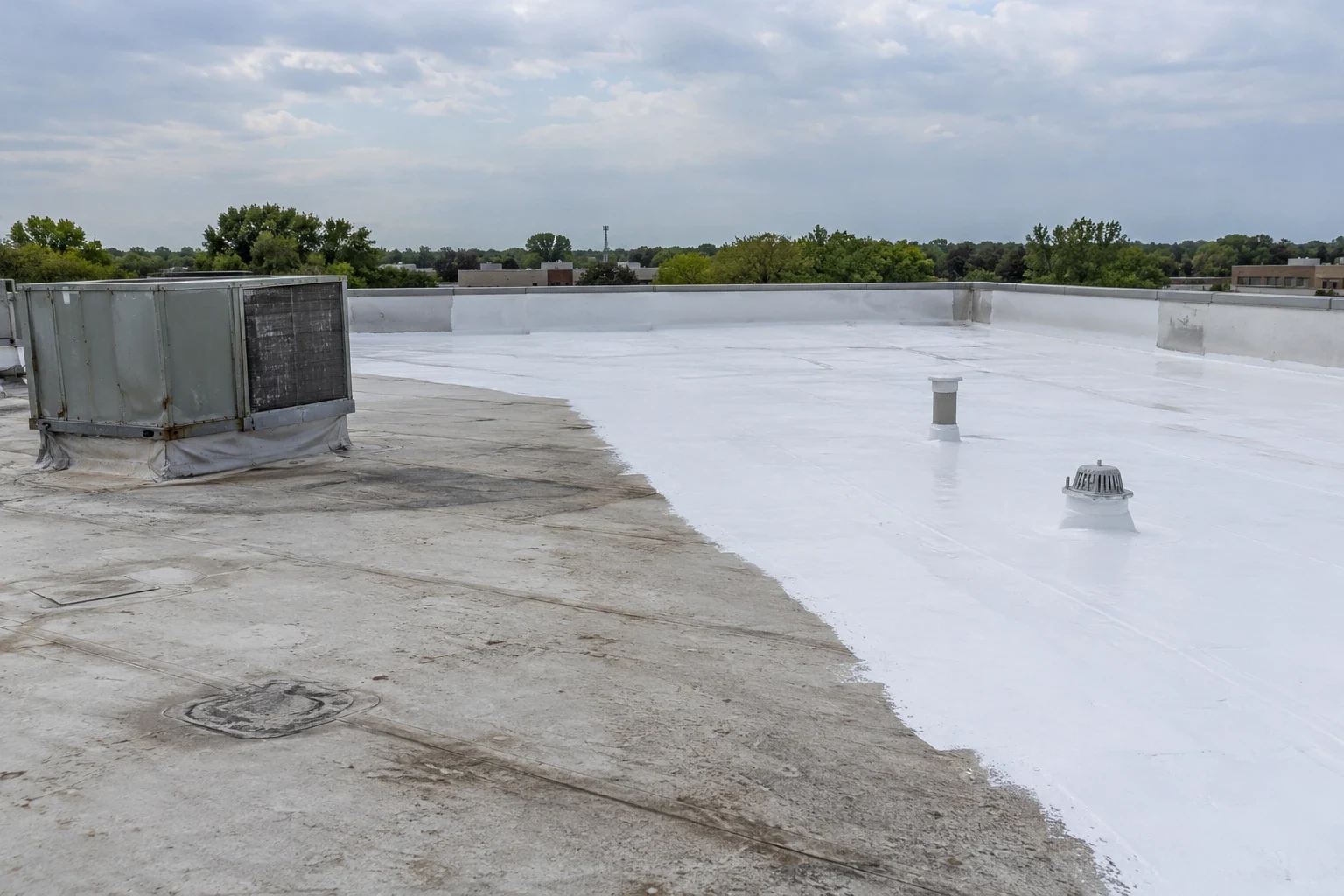
Commercial Roofing in Leiper's Fork, TN
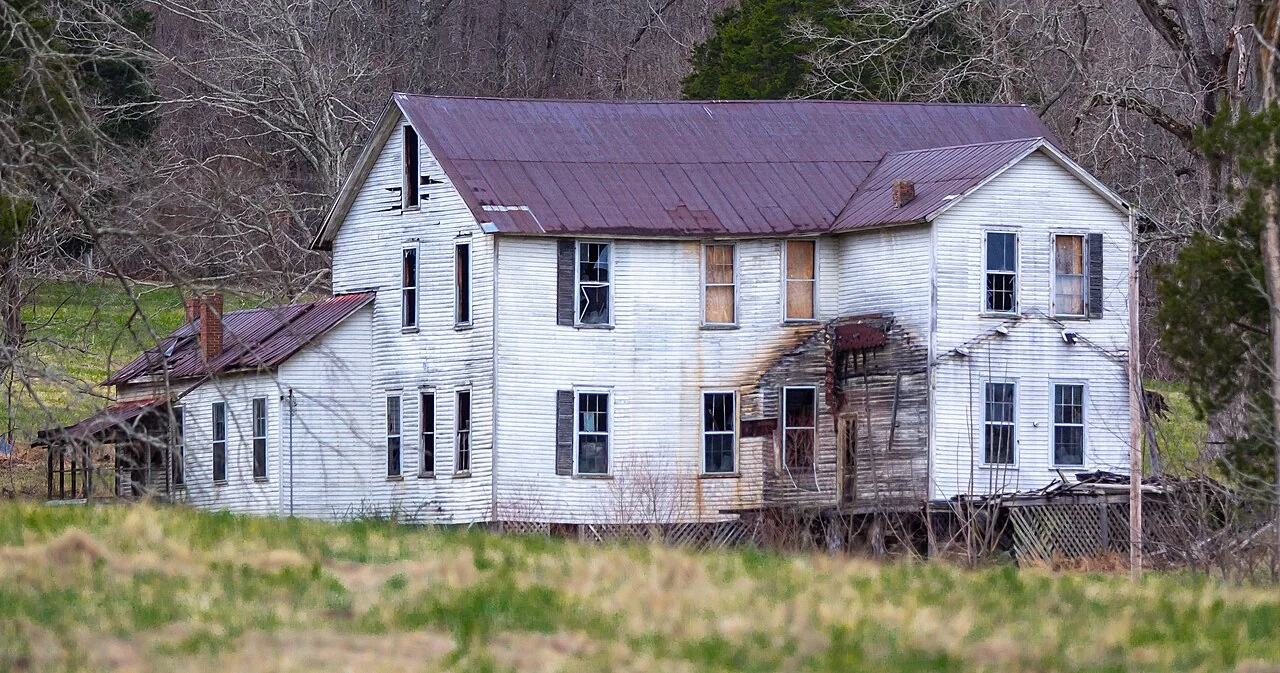
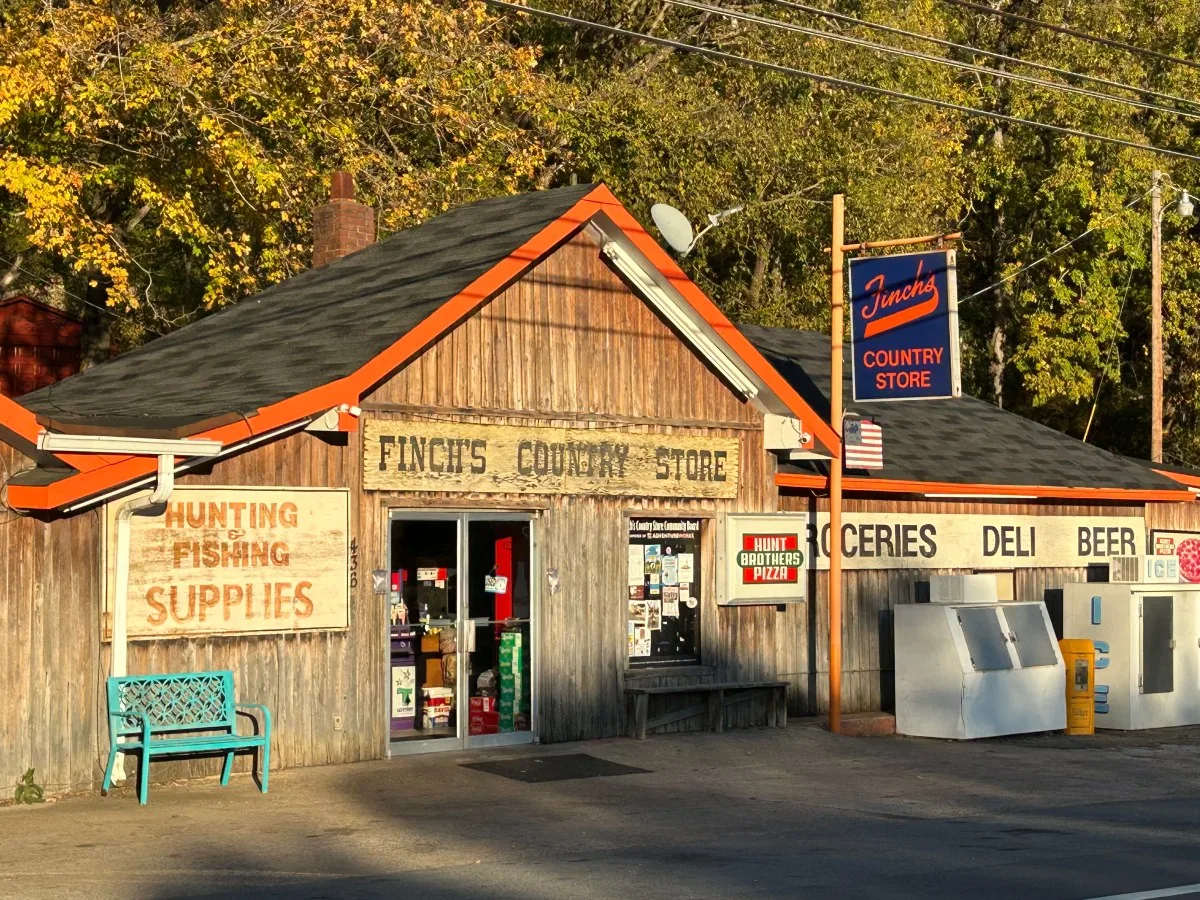
A damp patch on a plaster ceiling in a small shop is the first sign, and in an older building the plaster hides most of the roof's story. Leiper's Fork, TN is an unincorporated village of about 650 residents on roughly 1,100 acres, with inns, restaurants, antique stores, galleries and real estate offices. A leak in a building like that is rarely a single event. It is usually the end of a sequence that started in a flashing, a gutter or a joint long before the plaster stained.
We walk that sequence backward from the patch, one photograph at a time.
The damp patch in the plaster
Plaster and old wood hold water longer than modern finishes, and they show it late. By the time a patch is visible, the water may have been present for weeks. The size of the patch tells us little. The position tells us a lot: under a chimney, below a valley, beside an exterior wall or under a pipe.
We photograph the patch, press the surface to see whether it is soft and measure its position against the roof plan. Then we go up. The roof directly above the patch is the first place we look, but the water may have traveled along a beam or a rafter, so we check a few feet in each direction.
The follow-up matters as much as the first visit. A repair that stops the patch from growing is a good sign, but the ceiling should be rechecked after the next heavy rain. We return, photograph the same spot and compare. A commercial roof leak repair is complete only when the second photograph shows the ceiling dry.
What an old building hides
The roughly 18-acre Leipers Fork Historic District was added to the National Register of Historic Places on July 1, 1998, and it includes Queen Anne and Bungalow or Craftsman styles. Buildings in those styles have their own roof forms, details and history of repair. Each roof gets opened and read before anyone assumes what it holds.
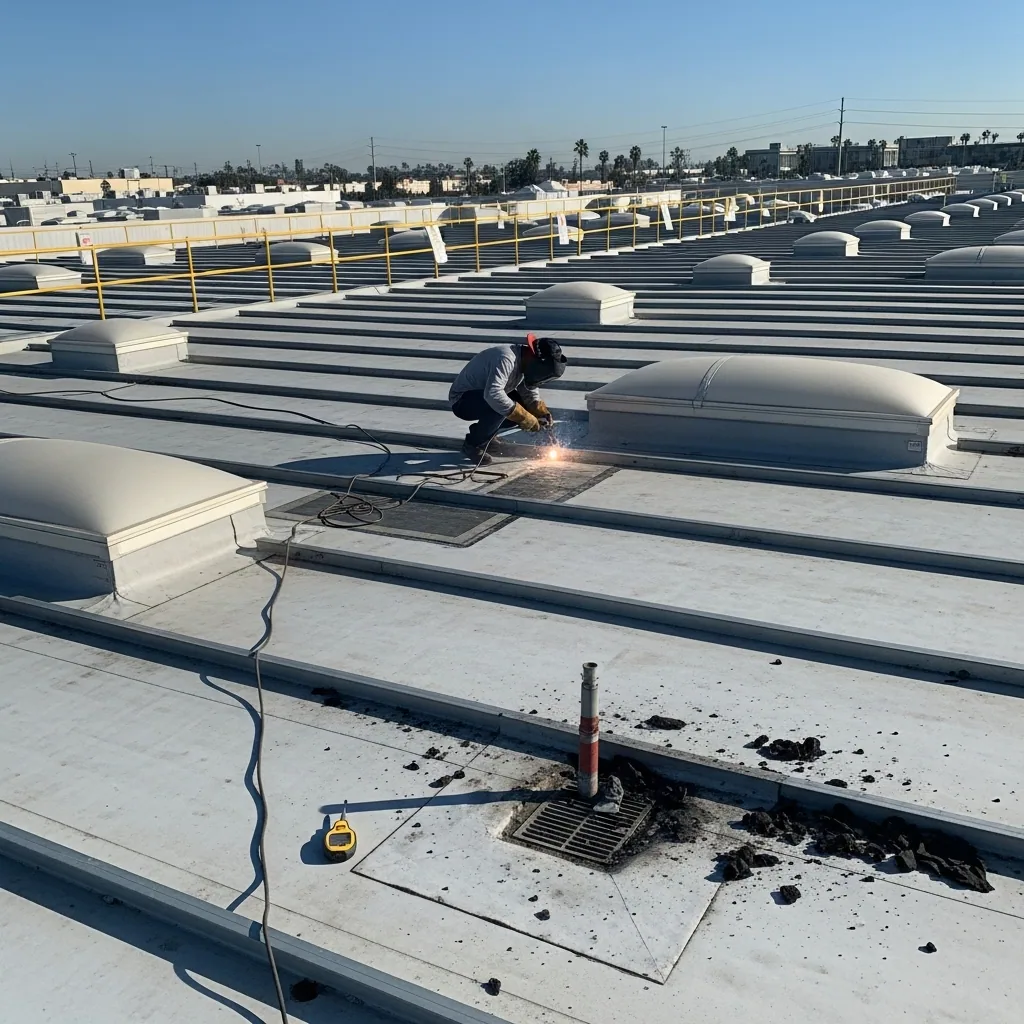
A small inspection cut can show the layers, the decking, the condition of the framing and the age of the materials. That record guides the repair. A patch that matches the existing material and detail lasts longer, and in a historic district it also respects the building's character. We note every cut in the photo trail and close it the same day.
Chimneys and old flues deserve attention. Brick or masonry at a roof penetration can crack, and the flashing at its base takes the movement. We check mortar, counterflashing and the cap, and we record any cracking with a measured photograph. A small repair now saves a larger one when freezing weather opens the crack.
Gutters and downspouts on older buildings often tie into the roof edge in unusual ways. A half-round gutter hung on the fascia, a box gutter built into the cornice or a downspout that runs inside a wall each fails differently. We trace the water through whichever system is present and photograph the discharge point.
When the exits close
In May 2010, Wilkie Branch and other small streams flooded the lot and street near Leipers Creek Market and cut off both the northern and southern exits from the village. Lick Creek and other tributaries overflowed in the Leiper's Fork area that month, flooding homes, businesses and fields. The event teaches a planning lesson, not a prediction.
A crew that cannot get in cannot repair a roof. So we plan for it. Materials for a temporary cover are staged before a wet-season job begins. Work is scheduled with a margin for weather. If roads close, the owner knows who to call and what to do until they open. The plan also keeps a copy of the photo trail off site, so records survive when access does not.
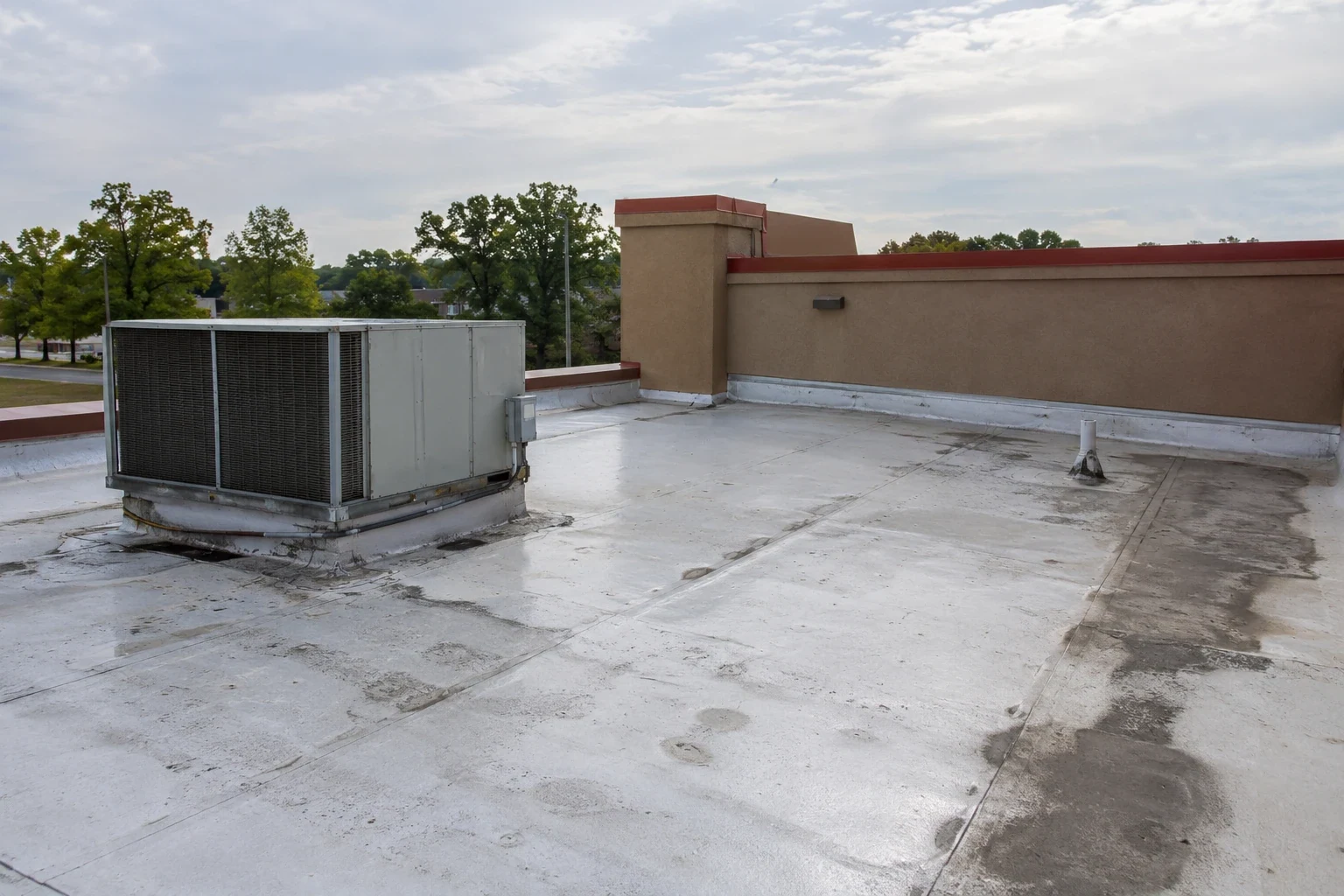
Weather windows are narrower in a wet season. Franklin, the market city, averages about 54 inches of precipitation a year, and a roof opened at the wrong moment can take in a great deal of water. We watch the forecast, open small areas and close them before dark, so the building is dry each night.
Small shops, many penetrations
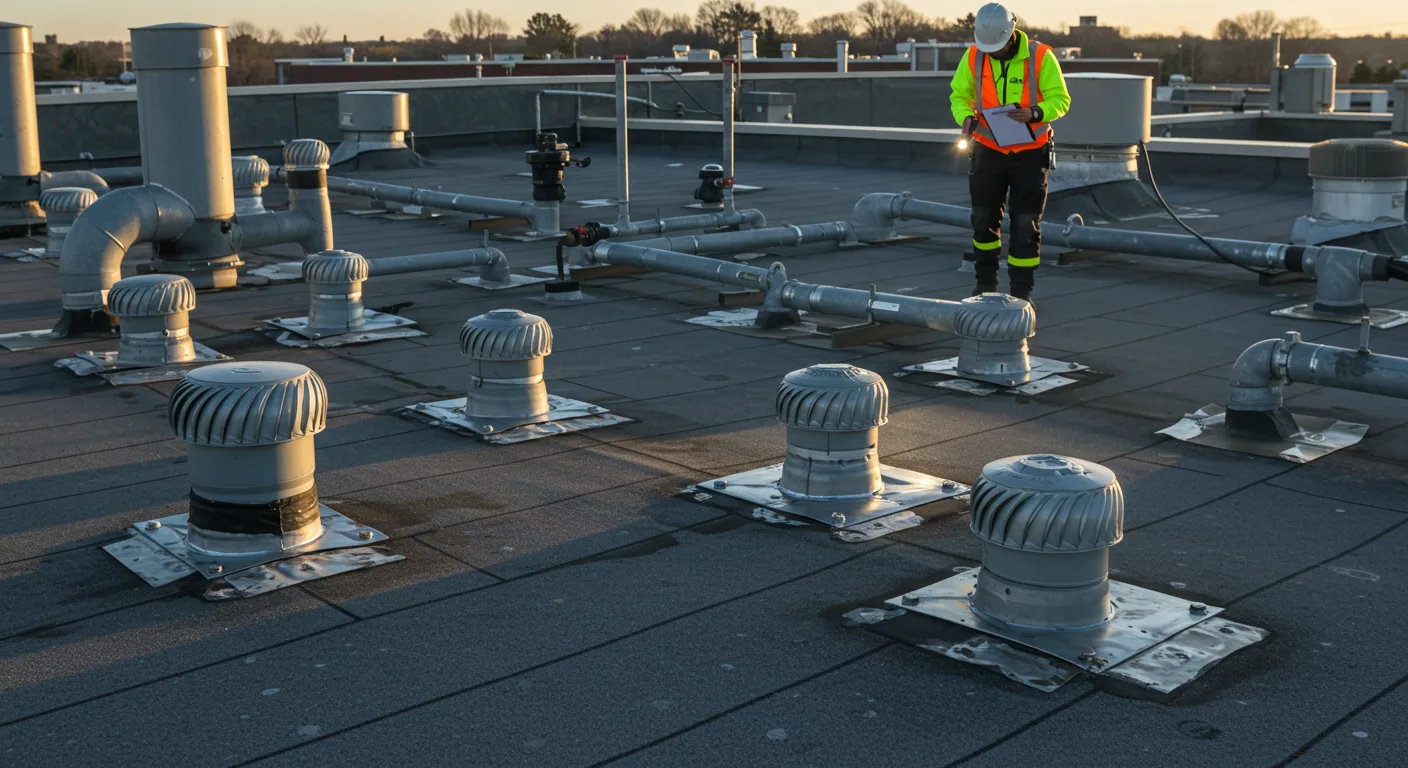
Inns, restaurants and galleries share a feature: they pack a lot of equipment into a small roof. A kitchen exhaust fan, a flue, a plumbing vent and an air handler can all sit within a few feet of one another. Each is a penetration, and the roof between them is crowded.
The failure sequence is familiar. A boot cracks in the sun, rain follows the pipe, and the stain appears on the ceiling below. We number each penetration, photograph its flashing and check for cracked sealant. For a restaurant, we also look at grease on the surface, since it can soften some membranes and clog drains. A restaurant roofing review follows these steps.
The skylight and penetration flashing work that follows is scoped from the numbered list, so only failed details are rebuilt. In a crowded roof, that discipline keeps the repair small and the invoice readable.
Guests and customers are part of the planning. A noisy or dusty job in a small inn or restaurant affects every room, so the work order lists the hours, the areas affected and the person at the front desk who will be told. The aim is a roof job that guests do not notice.
How to confirm the cause
We confirm in four steps:
- Photograph the interior patch and mark it on the plan.
- Walk the roof above and photograph every joint, penetration and gutter.
- Test with water: run a hose on the suspected area while someone watches the interior.
- Cut a small inspection hole where the roof allows, and record what the layers show.
The hose test is simple and often decisive. If the interior patch grows within minutes of water on the roof, the entry is found. If it does not, we move to the next suspect.
Every result goes into the file with a number. A manager can open the photo for the hose test, the one for the inspection hole and the one for the final repair, and see the sequence in the order it happened. That trail is also what an insurer or a buyer wants to see.
Repair, replace and what it costs
Small buildings often need targeted repairs, and a precise scope keeps them targeted. Cost drivers are plain: the area, the access, the number of penetrations, the condition of the framing under the covering and the materials chosen to match the building. We list them in writing, with photographs, so the owner can compare options.
Where a roof is sound but tired, roof coating restoration may suit a low-slope section. Where a roof has reached the end of its life, a full replacement scope is written from the same file. Owners with other sites in College Grove or downtown Franklin use the same format.
The close-out file holds the final photographs, the marked plan and the materials used. In a historic setting that file also documents how the building was treated, which helps the next owner or reviewer see what was done and why.
Commercial Roofing Questions
Can a historic building be repaired without changing its look?
Usually. The scope names matching materials and details, and the plan notes any limits before work begins.
Why do plaster stains appear late?
Plaster holds water and shows it slowly. A stain may mean the roof has leaked for weeks.
What if the roads flood?
Materials for a temporary cover are staged ahead of wet-season work, and the owner has a call plan until roads open.
Do restaurants need a different roof check?
They need a closer look at exhaust, grease and drains. The walk covers each.
Do you take emergency calls?
Around the clock, holidays included. Covers for the roof are kept ready, because the road in may not be.