Commercial Roofing in Spring Hill, TN
A pale ring on a membrane a day after the rain has stopped is the first sign. It marks where water stood, and the ring is a map of a failure that has not finished yet. On a large industrial roof in Spring Hill, TN, that ring is often found beside a rooftop unit or near a drain that did not empty. We read it backward: from the ring to the low spot, from the low spot to the reason the water stayed, and from the reason to the repair.
Each step gets a photograph, so the trail can be checked later.
The ring that stays after the rain
Standing water leaves evidence even after it evaporates. Dirt concentrates at the edge of the pool, algae grows in the damp zone and the surface looks different from the dry membrane around it. We measure the pool's depth right after rain with a straightedge and a ruler, and we photograph the dried outline the next day.
A pool that is a quarter inch deep and gone in a day is a small problem. A pool that holds for days is a drainage failure, and the membrane under it is working harder than the rest of the roof. The measurement tells us which one we have.
The time of day matters when we read a ring. A roof surface in direct sun dries fast, so a ring found at noon is probably the product of a deep pool. A ring found in shade may only reflect a shallow one. We note the time, the weather and the roof orientation, so someone reading the photo next year can interpret it correctly.
What happens under standing water
Water is heavy, and it keeps the membrane under constant load. Heat makes it worse. Franklin's July highs sit near 91 degrees, and a pool warms in the sun and then cools overnight, which moves the sheet beneath it. Seams in the pool take that movement every day. Over time a seam stiffens, then opens a hairline, and water starts to reach the insulation.
The sequence is slow. First the pool, then the stiff seam, then a wet layer, then a stain on a ceiling below. If the pool is fixed first, the rest never happens. That is why we start at the surface and not at the stain.
Drains deserve a mention here. A drain strainer packed with leaves holds water on the roof like a stopper in a tub, and the water has no way out except through the weakest seam. In late summer, when leaves are few and storms are heavy, even a lightly fouled strainer can fail under a downpour. We clear it, photograph it and log its condition each visit.
Why equipment pads start it
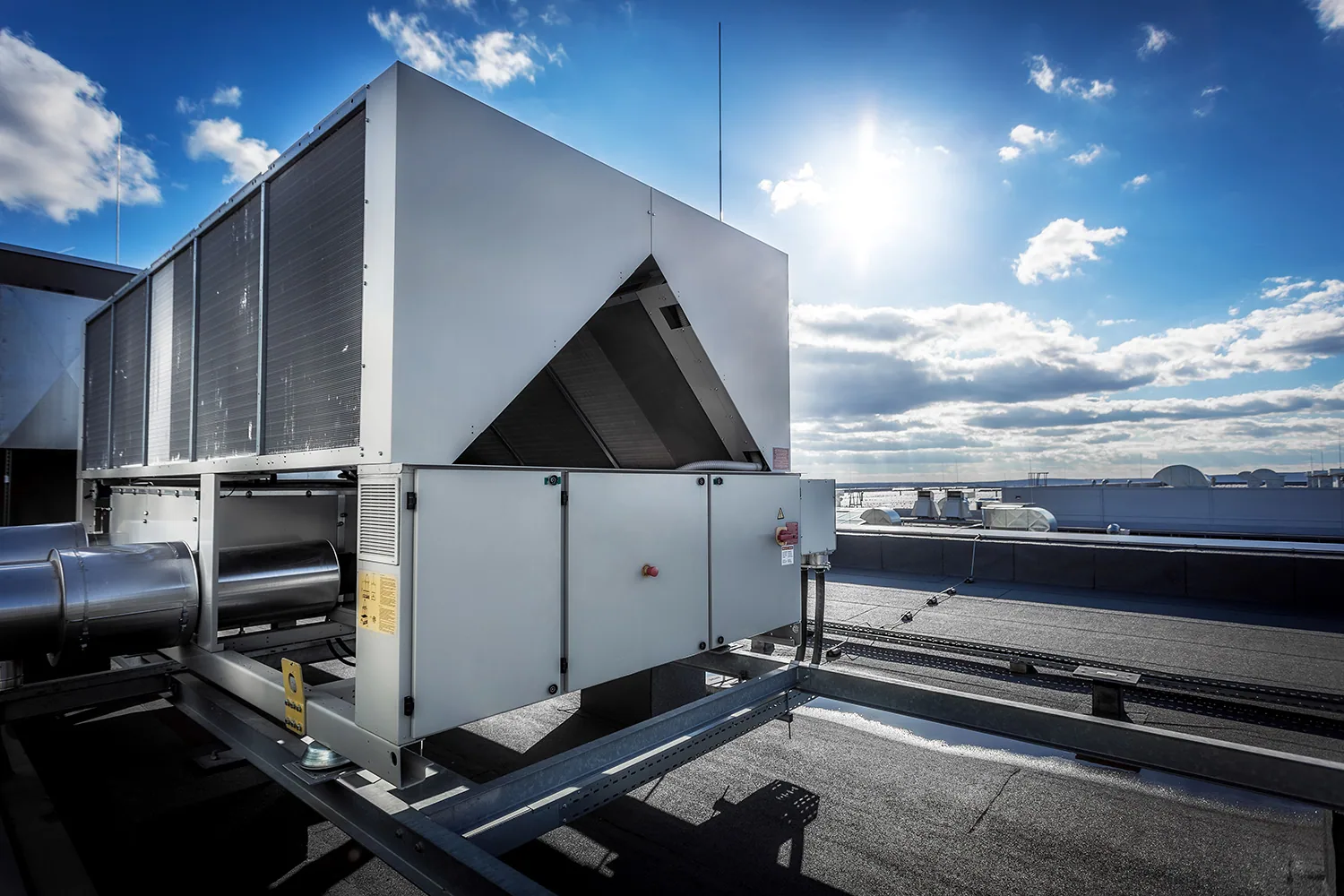
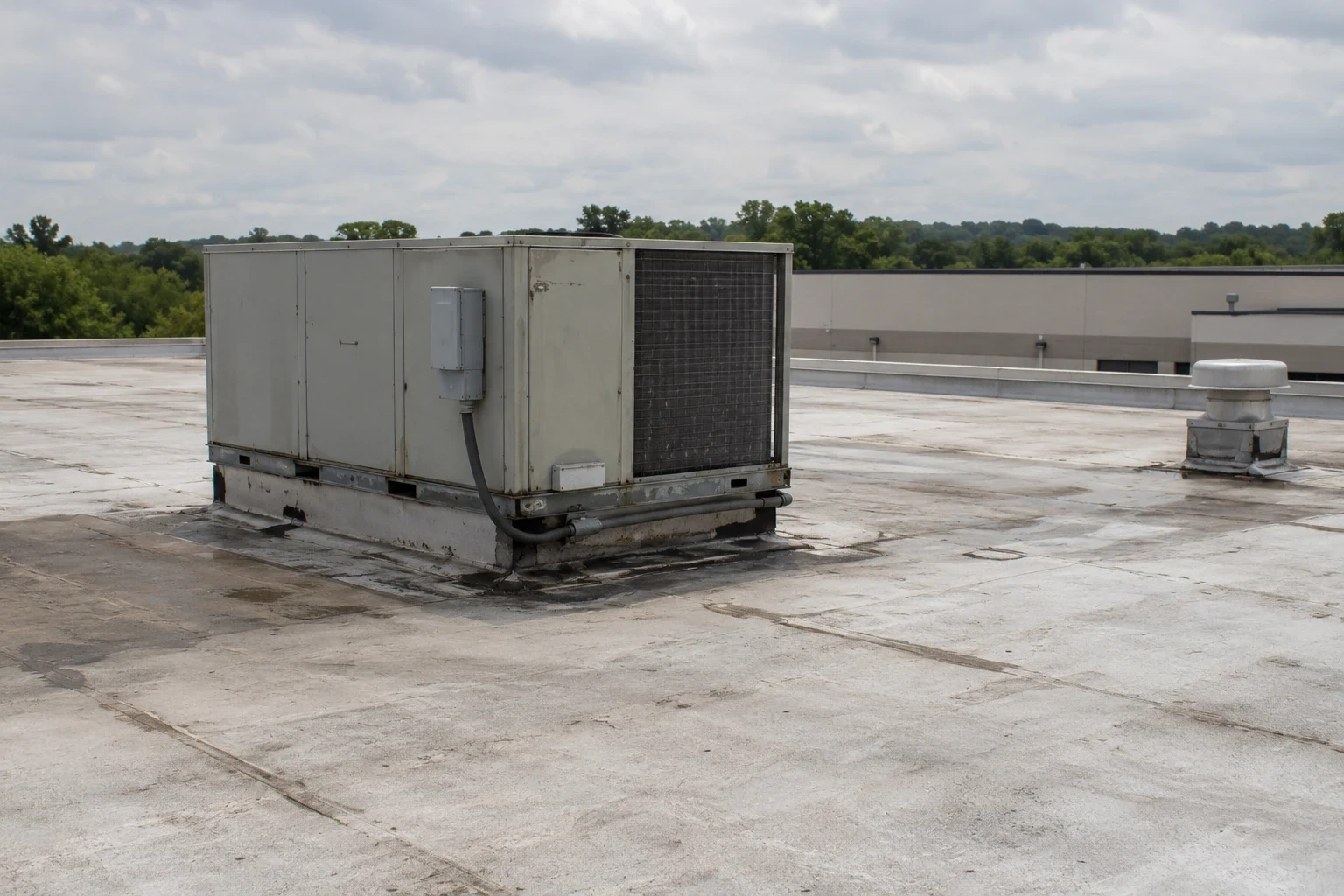
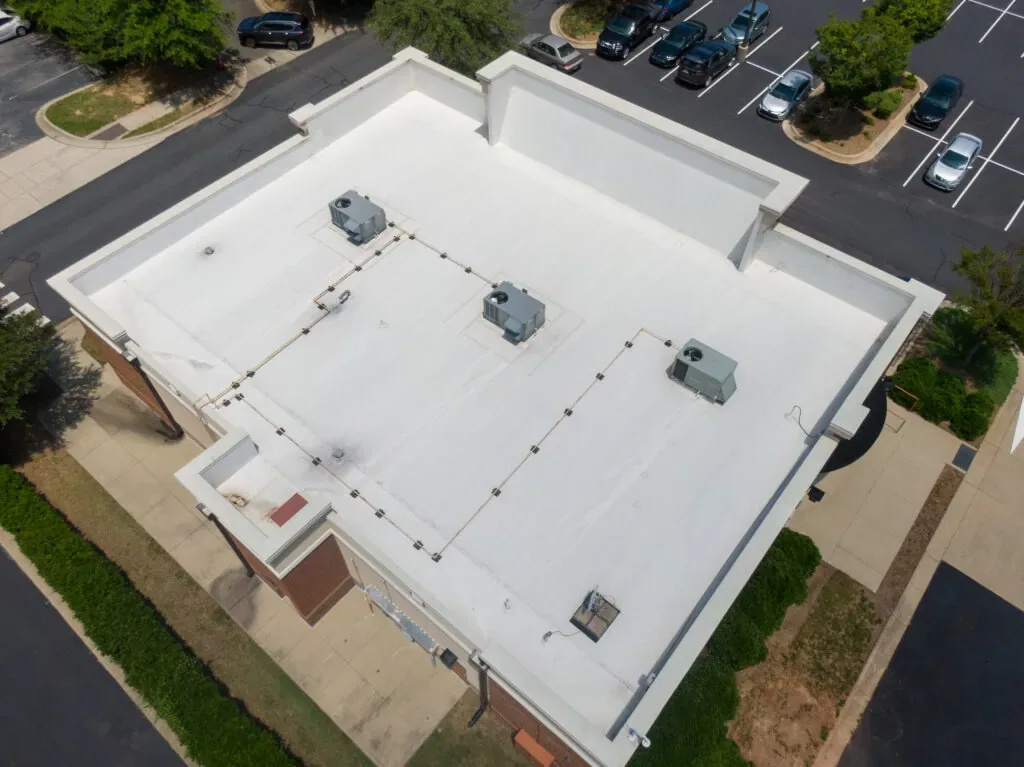
Rooftop units sit on curbs or pads, and each adds weight, penetrations and a place where water meets a vertical edge. The roof beside a unit often slopes toward it, because the curb blocks the water's path. A rooftop equipment curb and support check looks at the flashing, the pad, the pipe boots and the drainage around the unit.
We also look at what the technicians leave behind. Foot traffic around a unit wears the membrane, dropped tools puncture it and condensate lines drip onto it. Each of these can start a failure, and each shows in the photo trail.
Condensate lines are a quiet culprit. A line that drips onto the membrane every day wets one spot, grows algae and eventually wears the surface. The fix is to route the line to a pad or drain, and the photo trail shows the stain that revealed it.
Large plants and long roofs
Spring Hill is home to the GM Spring Hill Manufacturing plant, which was the Saturn production facility from 1990 to 2007 and has been retooled for flexible vehicle assembly with powertrain and stamping operations. GM and LG Energy Solution announced a second Ultium Cells battery cell plant in the city in April 2021, described as a $2.3 billion plant operating by March 2024. Large industrial buildings of that kind can carry long roof runs, many penetrations and exhaust equipment.
Long runs move more than short ones. A roof that stretches hundreds of feet grows and shrinks with heat, and expansion joints, seams and flashings take the strain. We check each joint for stress cracks and look for membrane that has been pulled tight over a curb. The same method applies to manufacturing plant roofing of any size.
A city in two counties, and a fast-growing one
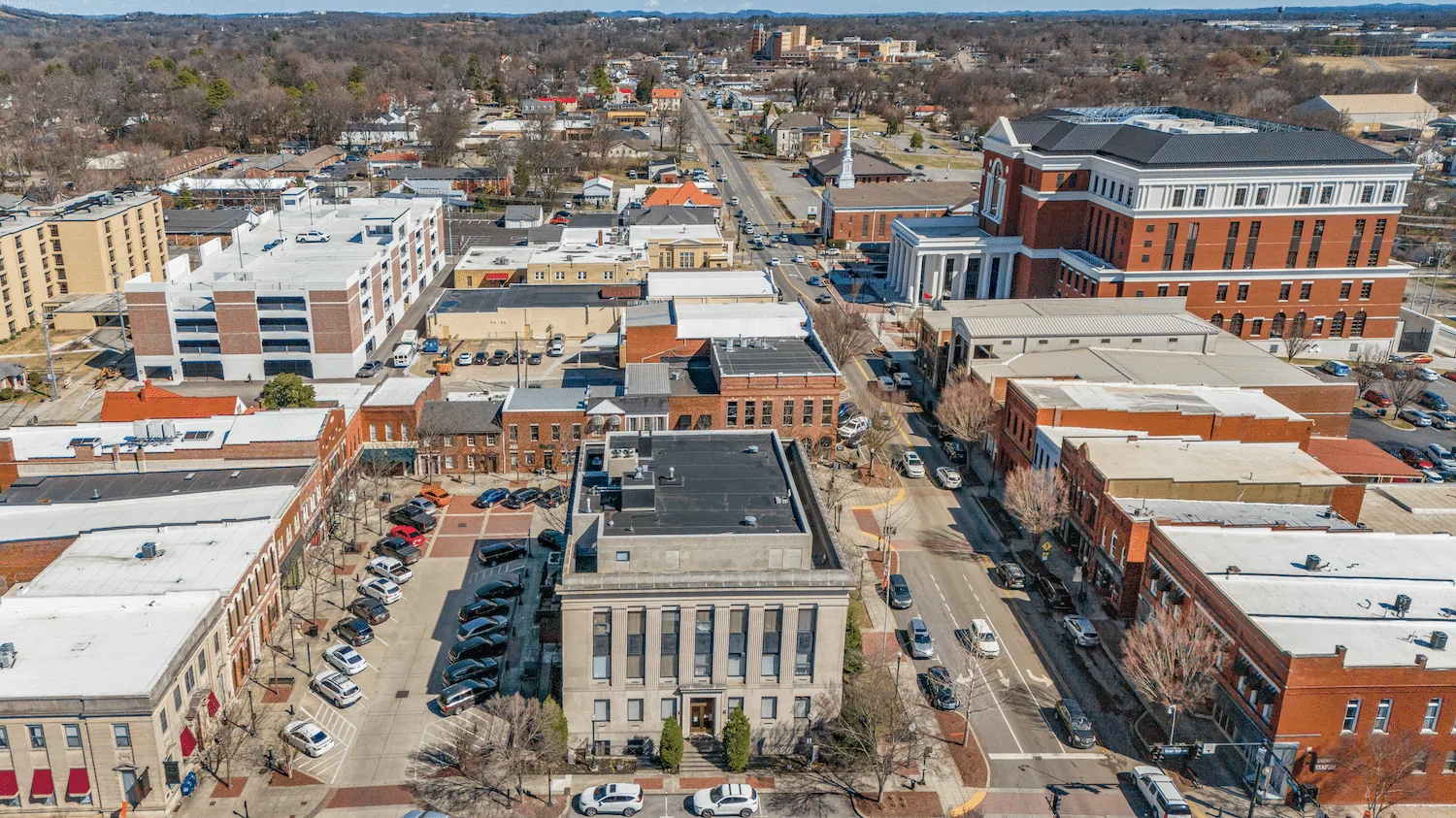
Spring Hill lies in Maury and Williamson counties and grew from 29,036 residents in 2010 to 50,005 in 2020. Ryder and Goodwill have announced new facilities in the area. I-65 passes through the eastern part of the city, State Route 396 (Saturn Parkway) ends near the GM plant and U.S. 31 is the main north-south arterial.
Growth means new roofs, and new roofs need records. The property manager should receive a close-out file with materials, installer, warranty and photographs for every building. With the county on each parcel noted, a later permit or assessment question is easy to answer. A roof warranty management file keeps the paperwork in one place.
The same discipline helps owners with sites in Thompson's Station or Franklin, since one file format covers every building.
Where the water stopped, and how to confirm it
To confirm a ponding failure, we walk it in order. First, measure the pool's depth after rain. Second, check the drain: strainer, bowl, pipe and outlet. Third, scan the area with an infrared moisture survey to see whether water has reached the insulation. Fourth, cut a core where the scan shows a warm spot.
If the drain is clogged, cleaning it may end the problem. If the drain is clear and the pool persists, the roof is low there, and the repair is a tapered insulation fix or an added drain. If the core is wet, the wet layer must come out. Each outcome has a different cost, and the scope names which one applies.
The photo trail is the product. Each pool, strainer, core and scan is a numbered picture on the roof plan. A manager who opens the file a year from now sees what the roof looked like, what was done and what to watch.
Repair, replace and what it costs
The choice follows the core. A dry roof with a clogged drain needs cleaning and perhaps a strainer upgrade. A dry roof that is low in one area needs tapered insulation or an added drain. A wet area needs the wet layers removed and replaced. Each is a different job with different cost drivers.
Drivers are plain: the area to be fixed, the access for equipment and materials, the number of penetrations, the condition of the insulation and the system chosen. We list them in writing, so a manager can compare options. For a roof where repair no longer makes sense, a commercial roof replacement scope is written from the same file, with the photo trail as the evidence.
Commercial Roofing Questions
How long can water stand on a flat roof before it is a problem?
A day is common after heavy rain. Water that stays beyond a day or two points to a drainage or slope problem.
Is a pale ring a sign of failure?
It is a sign of ponding. Whether it is a failure depends on depth, duration and what is under the membrane.
Can a drain be added to an existing roof?
Often. The structure must allow it, and the plan includes the piping route.
Who gets the photo trail?
The property manager, with a short written summary of what was found.
Do you work on call at night?
We do. Emergency response runs at all hours, and the first visit stops the water.