Commercial Roof Inspection in Franklin, TN
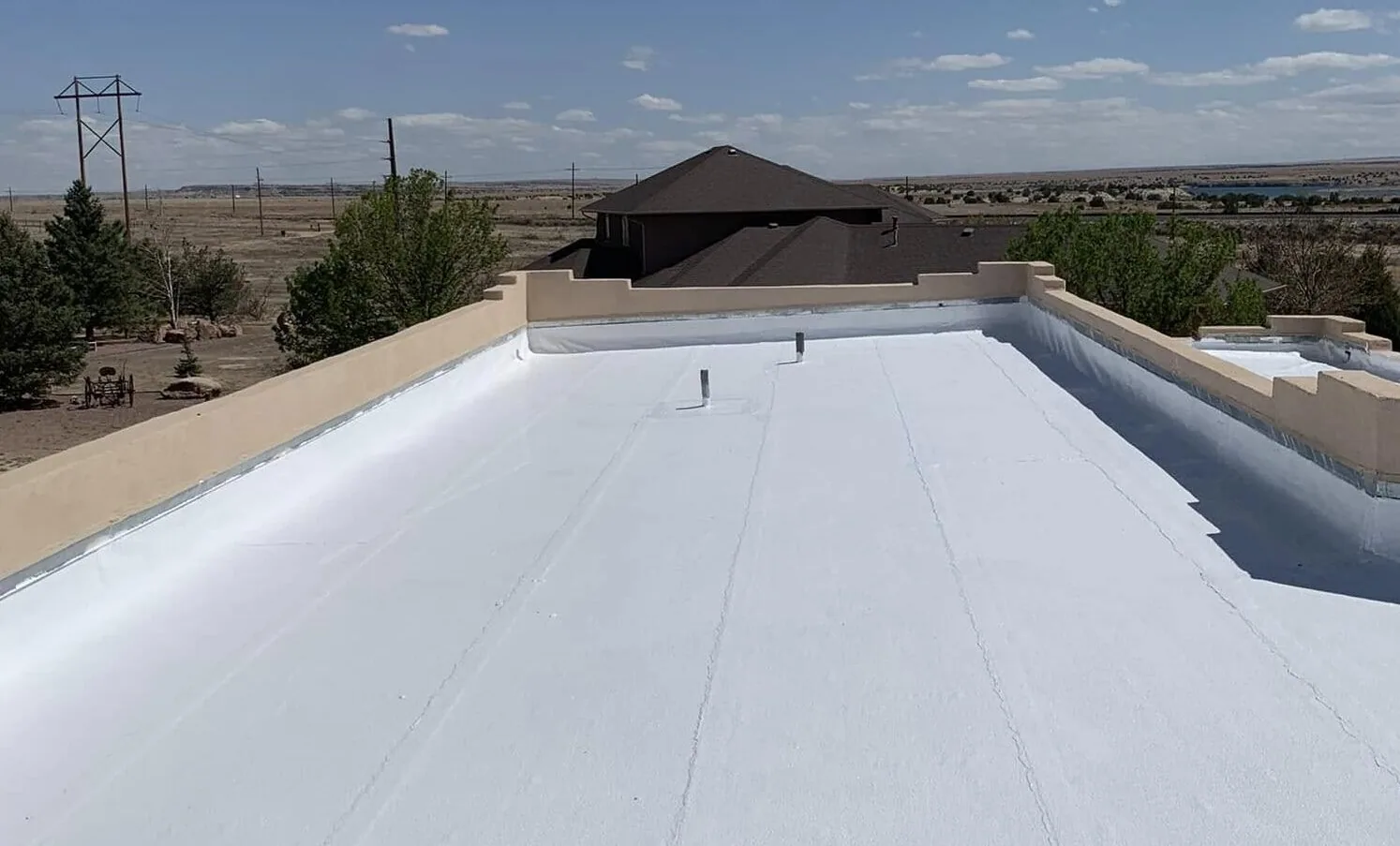
A good roof inspection answers one question: what will fail next, and when? Anyone can find a leak after it happens. The useful work is finding the seam that has started to lift, the drain that is slowly clogging and the flashing that has pulled a quarter inch from its wall, before water finds them. Commercial Roofing Franklin performs hands-on inspections of commercial roofs in Franklin, TN, and we walk every accessible section of the roof, not a sample of it.
Franklin roofs work hard. Annual precipitation runs above fifty inches, summer highs reach the low nineties, and Middle Tennessee storms bring wind, hail and the occasional tornado. A roof here ages by cycles, and an inspection reads those cycles back so you can plan repairs and budgets with real information.
What the Walk Covers
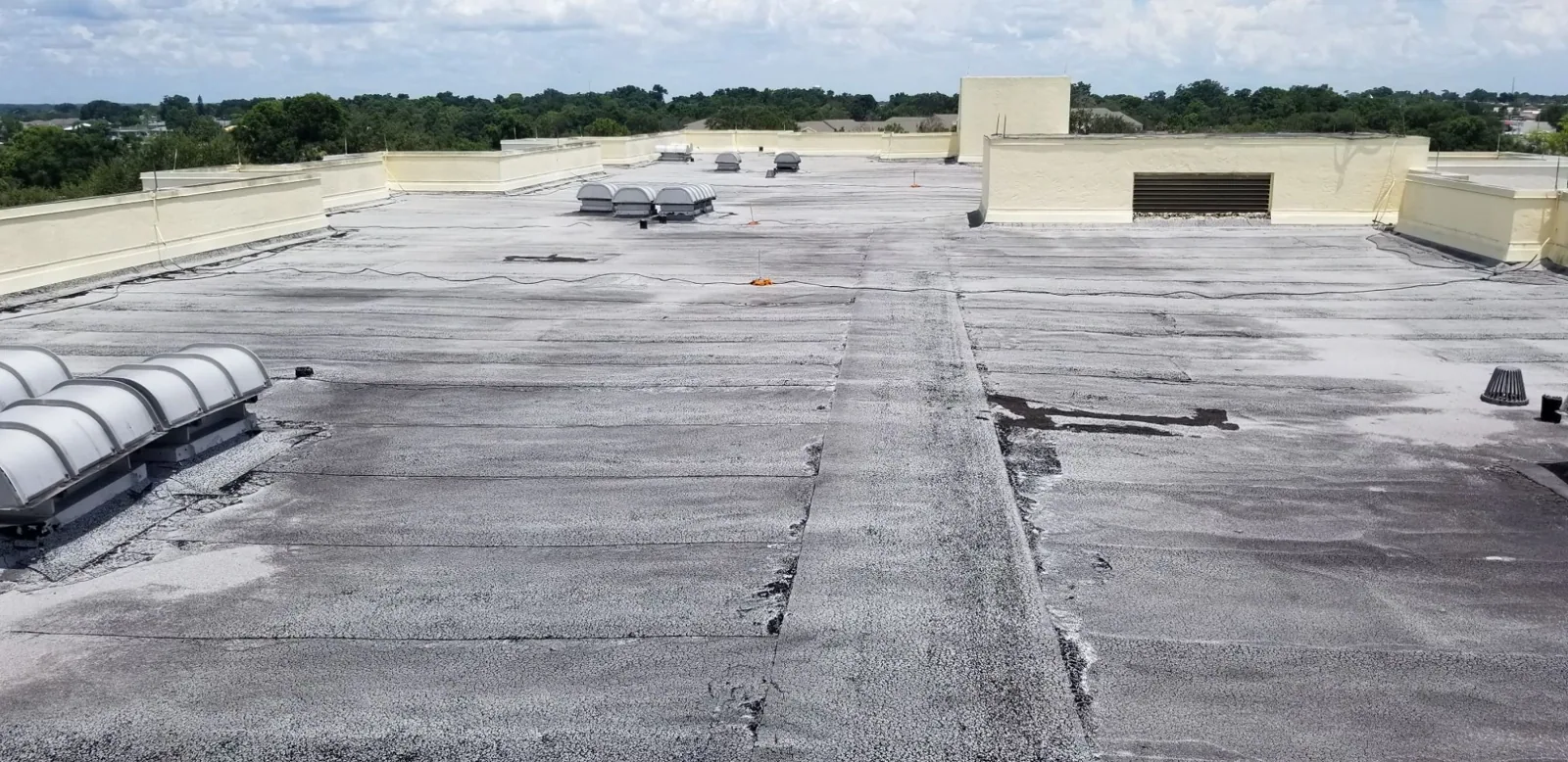
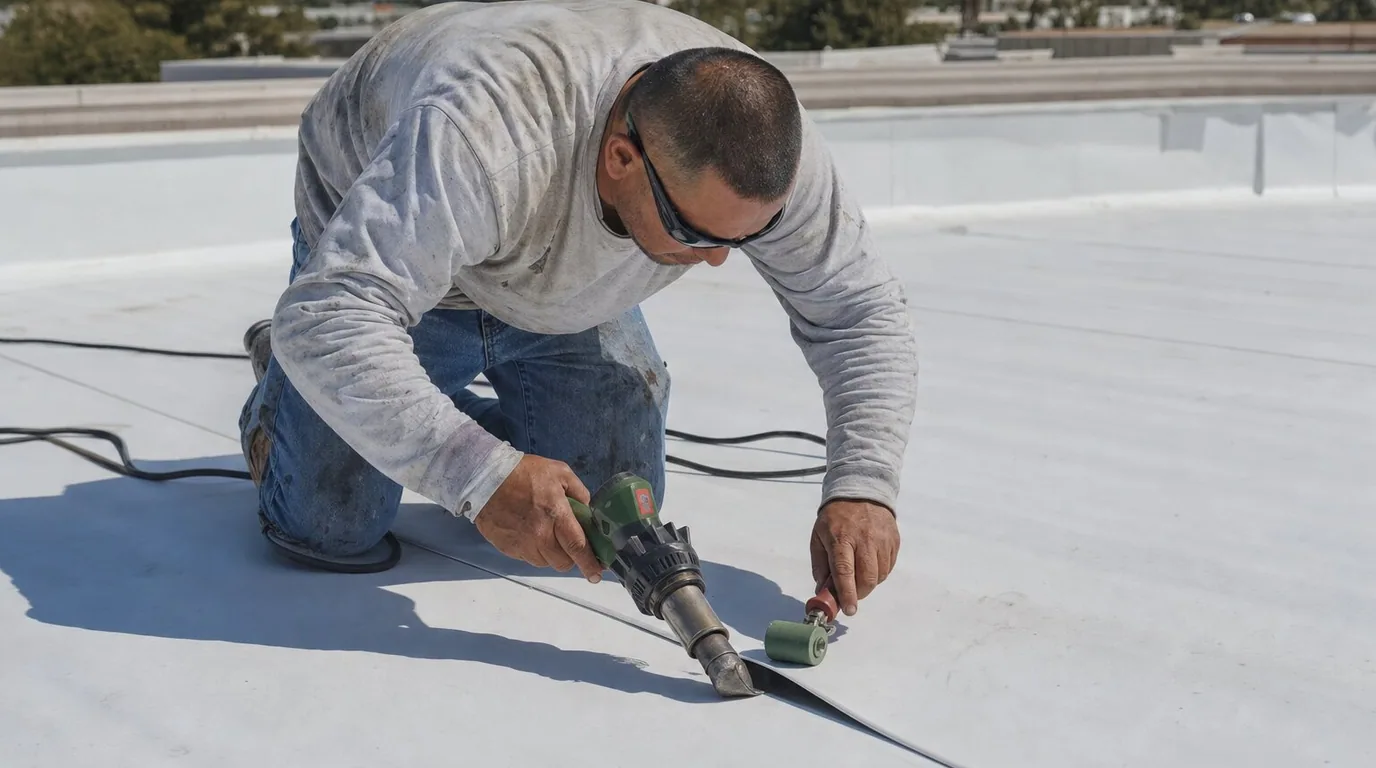
We begin with the roof plan and any records you have, then move across the surface in a set pattern so nothing is skipped. We check seams and laps, field membrane, flashings, parapets, copings, penetrations, drains, scuppers and rooftop equipment. We probe soft spots, look for blisters and splits, and test fastener pull-out at edges where we can.
We also check what is around the roof, such as gutters, downspouts, expansion joints and the ground below the drip line, since water leaves traces there. At each find we photograph the condition and mark its location on a roof sketch. Findings are ranked by urgency, so you can tell what needs attention this month and what can wait for a budget cycle.
Signs We Read
Different failures leave different marks. Alligatoring on a coating, granule loss on a modified bitumen cap and chalking on a single-ply surface each show age. Open seams, lifted edges and cracked sealant show movement. Staining around drains shows ponding. Rust on a metal panel or deck shows long-term moisture. Rubber boots with sun cracks show UV damage.
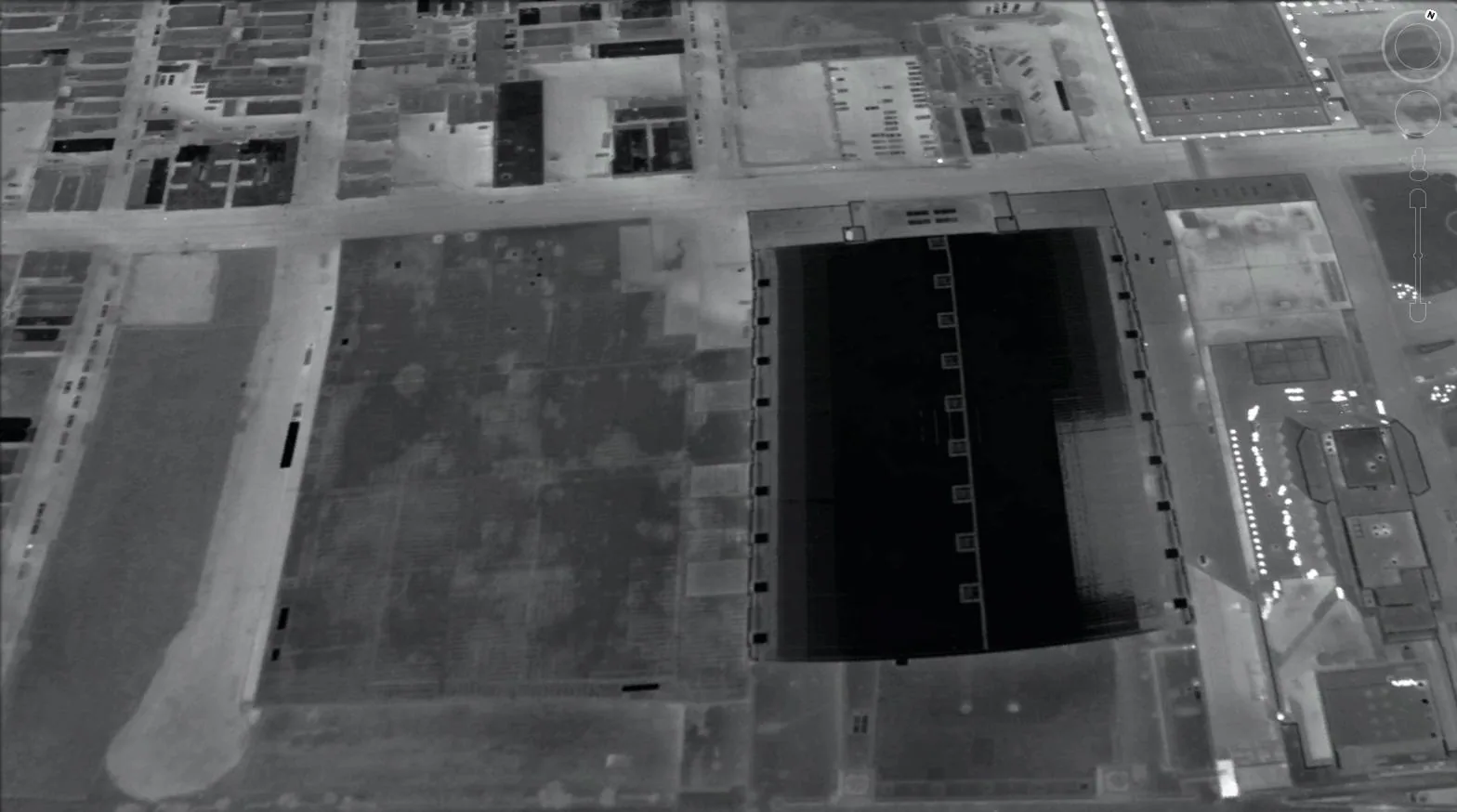
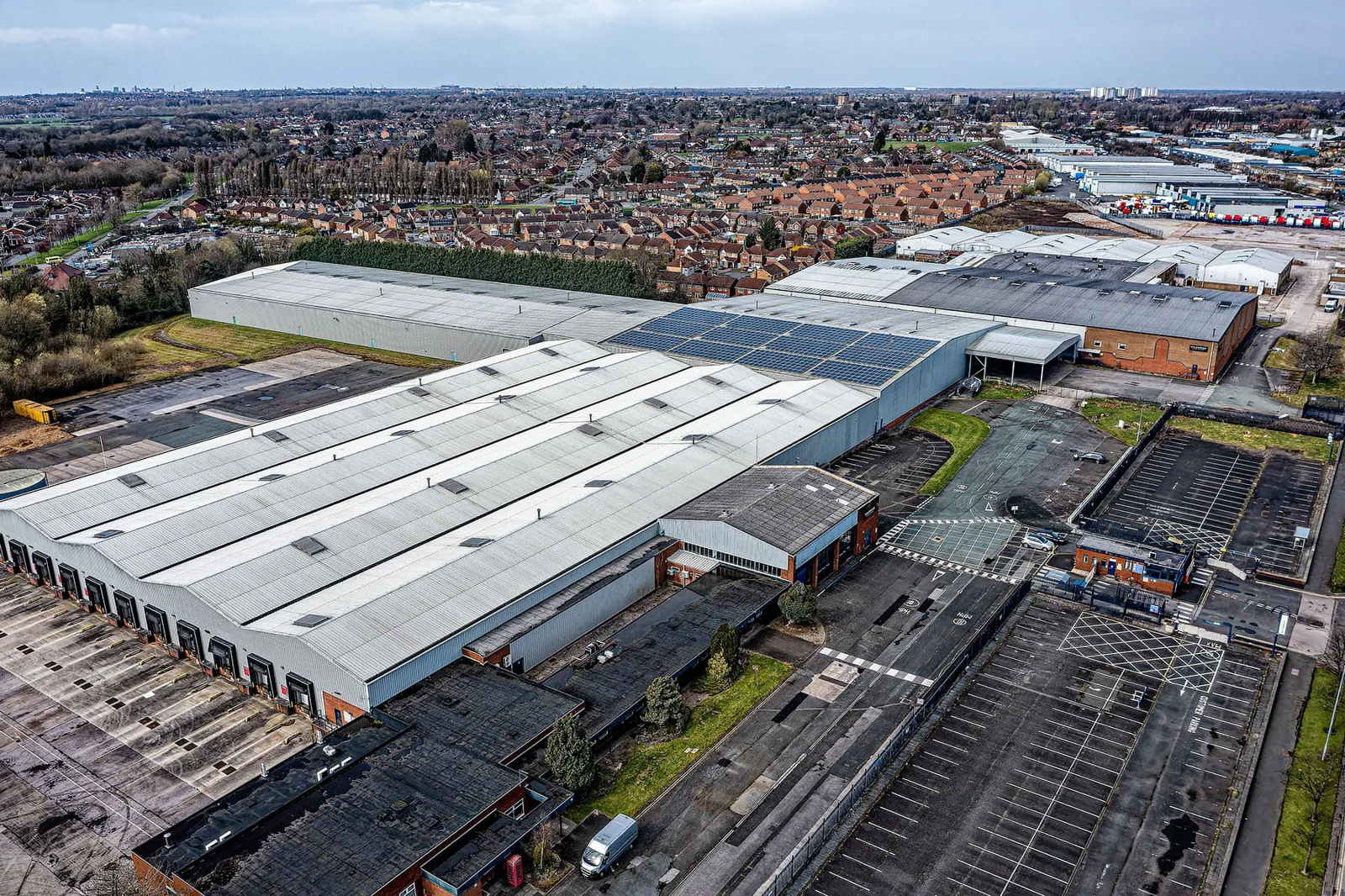
None of these signs works alone. A blister may be harmless or it may sit over wet insulation. A stain may be old or active. That is why we pair visual findings with tests when a question remains, using a moisture survey where wet insulation is suspected and a drone inspection where the roof is too large or too high for a full walk.
The Written Report
The report is what you keep. It lists each section of the roof, its condition, the evidence we found and the action we recommend. Photographs sit beside each note so a board member or lender can see what we saw. It also includes an estimate of remaining service life for the roof as a system, with the reasons stated plainly.
We write for property managers, not roofers. Each item answers three questions: what is it, how serious is it, and what happens if we wait. Our condition reports are built to feed directly into a budget, a repair schedule or a sale file.
Roofs of Different Ages
The age mix matters in Franklin. A Class A Cool Springs office building finished in 2008 sits at an age where flashing and sealants earn a look even when the membrane seems sound. Older Brentwood office parks, including Maryland Farms, where Eastpark dates to 1975, call for a different reading: at that age we look for a repair history, previous coverings and signs of how the roof has been patched.
Whatever the age, a roof under a manufacturer warranty may require periodic inspection to keep coverage. In Cool Springs, where office buildings east of I-65 run six to eleven stories, we ask for the warranty terms at the start, so the inspection satisfies them and the report is accepted if a claim is filed.
Access, Safety and Records
Inspections on occupied buildings need planning. We ask how the roof is reached, whether a ladder, hatch or lift is needed, and who must be told before we go up. Tall buildings, like the six-to-eleven-story offices east of I-65, may require building engineering to open a roof door. Fall protection is planned for every edge, skylight and hatch, and we do not walk a section that looks unsafe.
We try not to disturb tenants. We avoid running equipment over their heads, keep records of which units we passed over, and tell the building contact before we start and when we finish. If we find an active leak during the walk, we tell you the same day instead of waiting for the report.
On roofs with rooftop units, we also look at how the units sit. Refrigerant lines, condensate drains and electrical conduit often cross the membrane, and they are frequent points of failure. A unit that was added after the roof was installed may have been flashed poorly, so we check those first.
Your own records make the inspection better. Past reports, repair invoices, warranty papers and as-built roof plans tell us what was installed and what has been done since. If you have none, we build them as we go, noting membrane type, fastening pattern, insulation layers and drain locations through test cuts where needed. After the visit, those details live in your report and make the next inspection faster.
Even a simple photo log kept by building staff helps. A picture of a drain after a storm or a stain on a ceiling tile with a date is more useful than a memory, because it shows when a problem began and how fast it grew.
When to Inspect
Spring and fall are the two best seasons. A spring visit finds winter damage before storm season, and a fall visit catches summer wear before the leaves clog drains and cold weather stiffens membranes. After any significant storm, an extra visit checks edges, flashings and debris. The August 2023 tornado left minor roof damage at businesses along Highway 96, a sign of how one event can compromise a roof.
Before a purchase or refinance, an inspection can also protect your capital. Our due diligence surveys give buyers a clear picture of remaining life and near-term spending.
What Comes After
The report is only useful if something follows it. We offer to schedule priority repairs, set a maintenance plan and place your roofs on a calendar. A preventive maintenance program clears drains, reseals details and catches small problems at every visit. Over time the records show how fast each roof is aging, which is the best basis for a replacement date.
Commercial Roofing Questions
How long does an inspection take?
A mid-size roof usually takes a few hours on site, while large or multi-building properties may take a day. Access, roof size and the number of penetrations set the time.
Do you need to be on the roof or can a drone do it?
Both have a place. A walk finds soft spots and tests details by hand, while a drone covers large or steep surfaces safely. Many properties use both.
Will an inspection void my warranty?
No. Inspections are usually required by warranties. We follow the manufacturer's inspection requirements and record the visit in the report.
What do you need from me before the visit?
Roof access, any past reports, repair records and warranty papers. If tenants are on site, tell us the quiet hours and which contacts to call.
What happens if the inspection finds an urgent problem?
We tell you the same day, protect the area if we can do so safely, and describe the repair needed. Urgent findings are listed first in the report so they are not buried.
Does the report include a replacement estimate?
It includes the evidence and remaining-life range. If replacement or major repair is warranted, we price it separately so you can compare options.