College and University Building Roofing in Franklin, TN

A work order from a residence hall, a lab or a lecture room is the first sign on a campus roof, and it is rarely alone. A campus is dozens of roofs of different ages, and one leak report usually has neighbors the facilities office has not connected yet. The stain is where the water stopped. We start there, lay the work orders over the campus map and walk the failure backward to the roof that let the water in.
College and university buildings in Franklin, TN can have their low-slope and metal roofs repaired, recovered or replaced by us. The walk traces the water path to its source, marks it and returns a short written summary with photos. Plans are timed to terms, breaks and events. Emergency calls are answered around the clock, on holidays as well.
The first sign
Campuses collect small signals: a damp ceiling in a residence hall, a stained tile over a lab bench, a wet stair landing in a library, a smell in a classroom. Each report goes into the work-order system, often under different categories. Our first job is to find the pattern. We ask for six months of roof-related tickets and sort them by building and by part of the building.
Then we walk the roofs the pattern points to. A campus holds low-slope membrane roofs, metal roofs, penthouses and glass atriums, each with different details. We photograph every curb, drain and wall termination above the reported rooms and mark them on the plan with a location code that matches the work-order system.
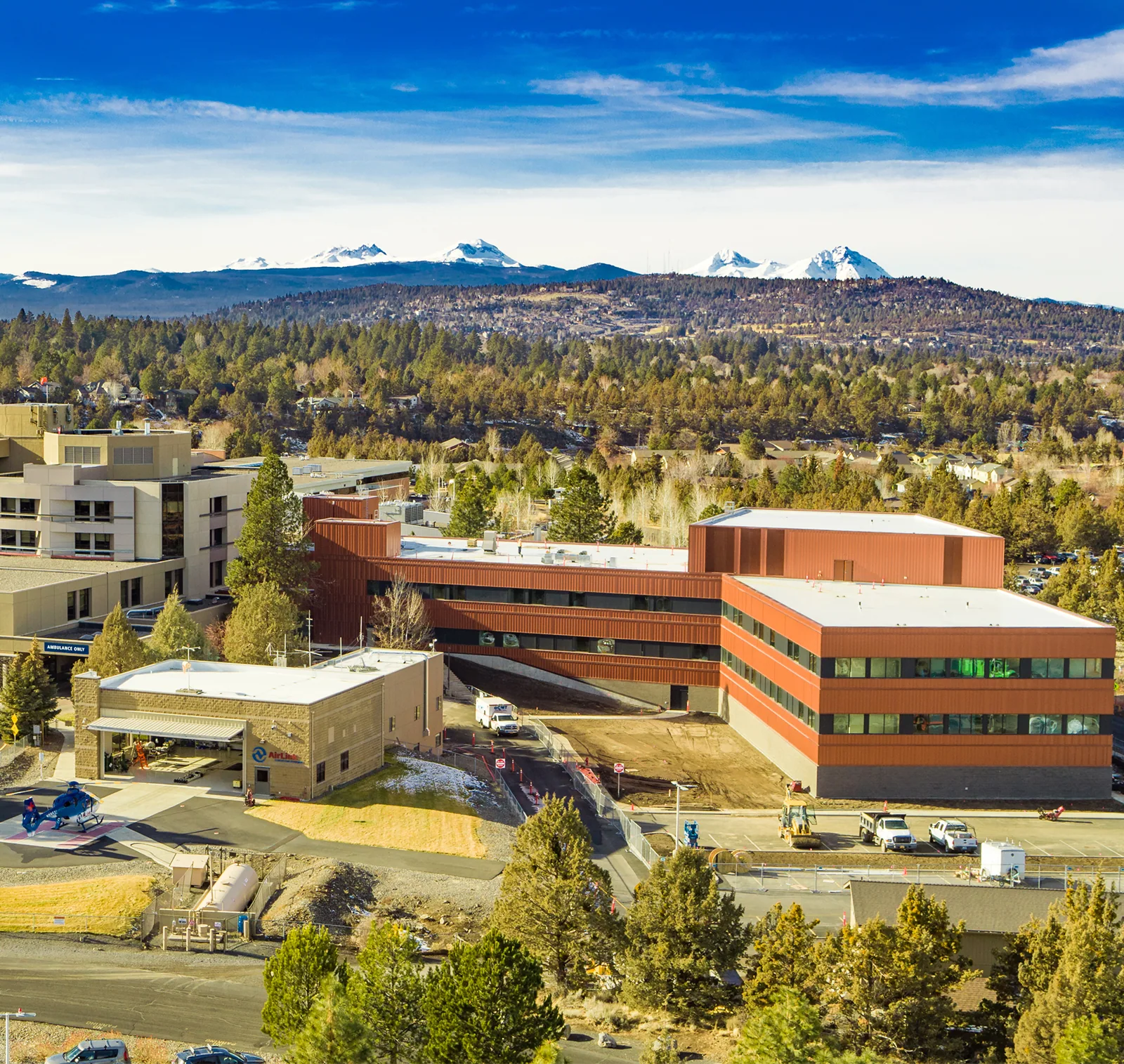
Atriums and skylights need their own entry, as they do on a hospital roof that carries many roof types. Glass and metal framing shed water into gutters and curbs that are easy to overlook, and a leaking skylight often gets blamed on the roof around it. We photograph the frame, the curb and the sealant, test the gutters and note any condensation at the glass. A leak at the frame is a different repair from a leak in the membrane, so the log keeps them separate.
What is happening underneath
Campus buildings are built in waves, and each wave has its own roof system. An older building may have had its membrane replaced twice, with insulation added or patched between. A newer building may have a single-ply system with tight details. Water that enters either one moves along the deck and insulation before it drops, so a stain can be far from the entry.
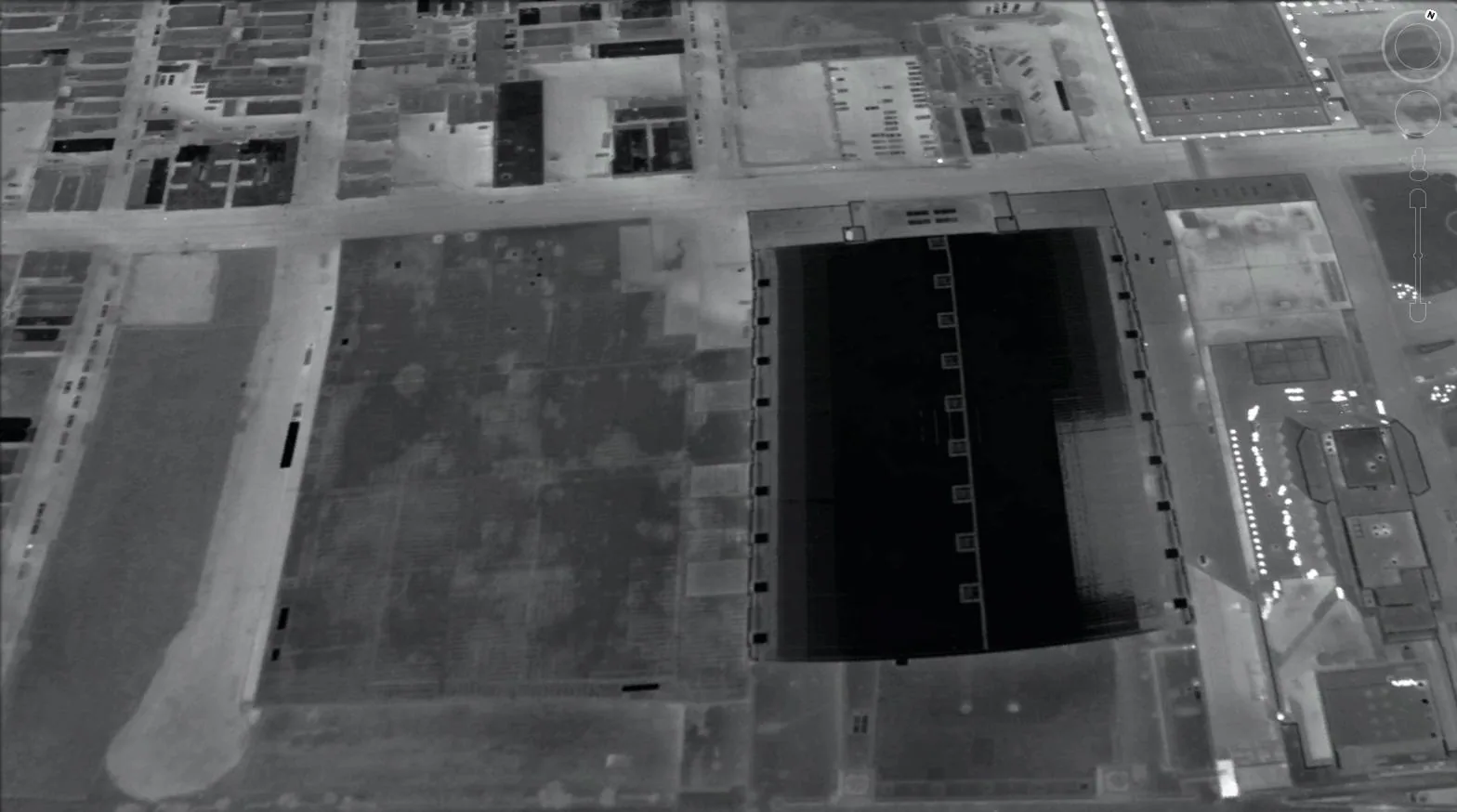
An infrared moisture survey maps the wet layer without cutting the roof, and cores confirm it. Across a campus, the surveys create a ranking: which roofs are dry and sound, which have local wet areas and which are failing broadly. That ranking turns a pile of work orders into a capital plan the board can read.
Labs and research rooms add a layer of care. Exhaust stacks carry vapors that can attack membranes, and sensitive equipment below cannot tolerate water. We ask which rooms hold instruments, solvents or controlled storage, mark them on the roof plan and rank the roofs above them first. A short, careful walk over those rooms can prevent a loss that no repair bill would match.
Terms, breaks and events
A campus calendar limits the work. Summer is the main window, and move-in dates are firm. Winter and spring breaks allow smaller jobs. Events such as commencement, athletics and conferences close parking and walkways. We ask for the academic and event calendars at the first visit and place noisy or dusty steps in quiet windows.
Residence halls need special care. Students live in the building, and noise and dust reach rooms quickly. Intakes, windows and walkways near the work are protected, and notice goes out well in advance. Over an occupied hall, occupied building reroofing is done in phased sections with one named contact in the facilities office.
Athletics and event buildings have their own season. A gym, arena or stadium roof is often tall and exposed, and its drains handle a lot of water in a short rain. We schedule work in the off season, check drains and gutters at the start of every term and keep a short record of what each inspection found. Any building that draws crowds also needs clear egress during work.
Weather and campus roofs
Franklin's year brings about 54 inches of rain, July highs near 91 degrees on average and swings from a 108-degree record down to minus 22. A campus roof sees the heat in the long days of summer and the freezes in the quiet weeks of winter, and the seams and sealants move each time. In the May 2010 flood the Harpeth River reached 35.32 feet in downtown Franklin, a good reason to test roof drains and overflows before heavy rain.
Storms add wind. An EF0 tornado crossed the Highway 96 corridor in August 2023 and some businesses reported minor roof and exterior damage. After a storm line, we walk exposed edges and tall roofs first, since wind lifts them first.
Teaching buildings in the region
Regional institutions show the range of buildings a facilities office answers for. The Nashville VA Medical Center, roughly 18 miles north, is a teaching hospital tied to Vanderbilt University School of Medicine, and the Oak Hill area of Nashville holds schools such as Father Ryan High School and Franklin Road Academy.
In Franklin, commercial and institutional pockets such as those in the Berrys Chapel and Hillsboro Road area are read the same way: by walking the roof and recording what is there.
Repair or replace
Cause before cure. Where the insulation is dry and only one spot has failed, commercial roof repair covers it. A roof that has aged with wet insulation across a wide area calls for replacement, planned in phases. A K-12 school follows a smaller version of the same plan, and a maintenance program keeps the campus ranking current.
Capital plans need dates. For each roof we give an estimated window for the next decision, with the reasoning: dry insulation and a sound membrane buy time, a growing wet area shortens it. The plan names cost drivers such as wet insulation volume, access, penetrations and the system chosen, so a board can compare projects across the campus on the same basis.
Commercial Roofing Questions
How do you rank dozens of roofs on a campus?
We sort work orders by building, walk the roofs they point to, map moisture and rate each roof's condition. The ranking separates dry, sound roofs from local problems and failing roofs.
Can a residence hall roof be replaced while students live there?
Yes, with planning. We phase sections, protect intakes and walkways, give notice in advance and place noisy steps outside quiet hours. Summer is still the main window.
Why do campus roofs of the same age differ?
Use, drainage, equipment and past repairs differ. A roof with heavy rooftop traffic wears faster than a quiet one. We rate each roof on its own record.
Does the 2010 flood affect roof planning?
It is a reminder that water paths matter. We test roof drains and overflows before heavy rain, because a roof that cannot shed water becomes a pond.
What do you need from a campus before a walk?
Share a campus map, roof ages by building, six months of roof-related work orders and earlier repair invoices. We trace the failures on the roofs and send a short written summary.