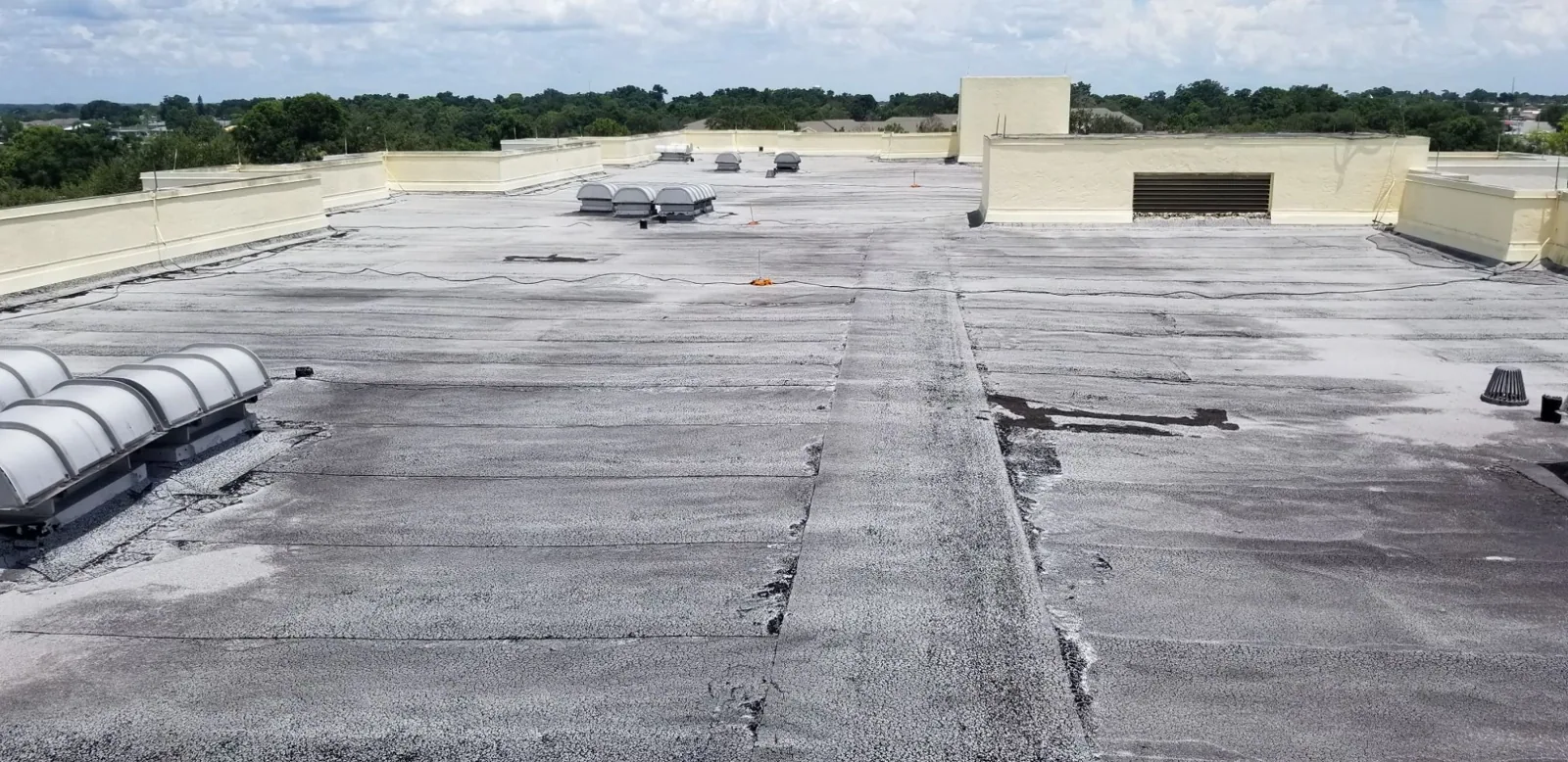
Fire and Smoke Damage Roof Repair in Franklin, TN
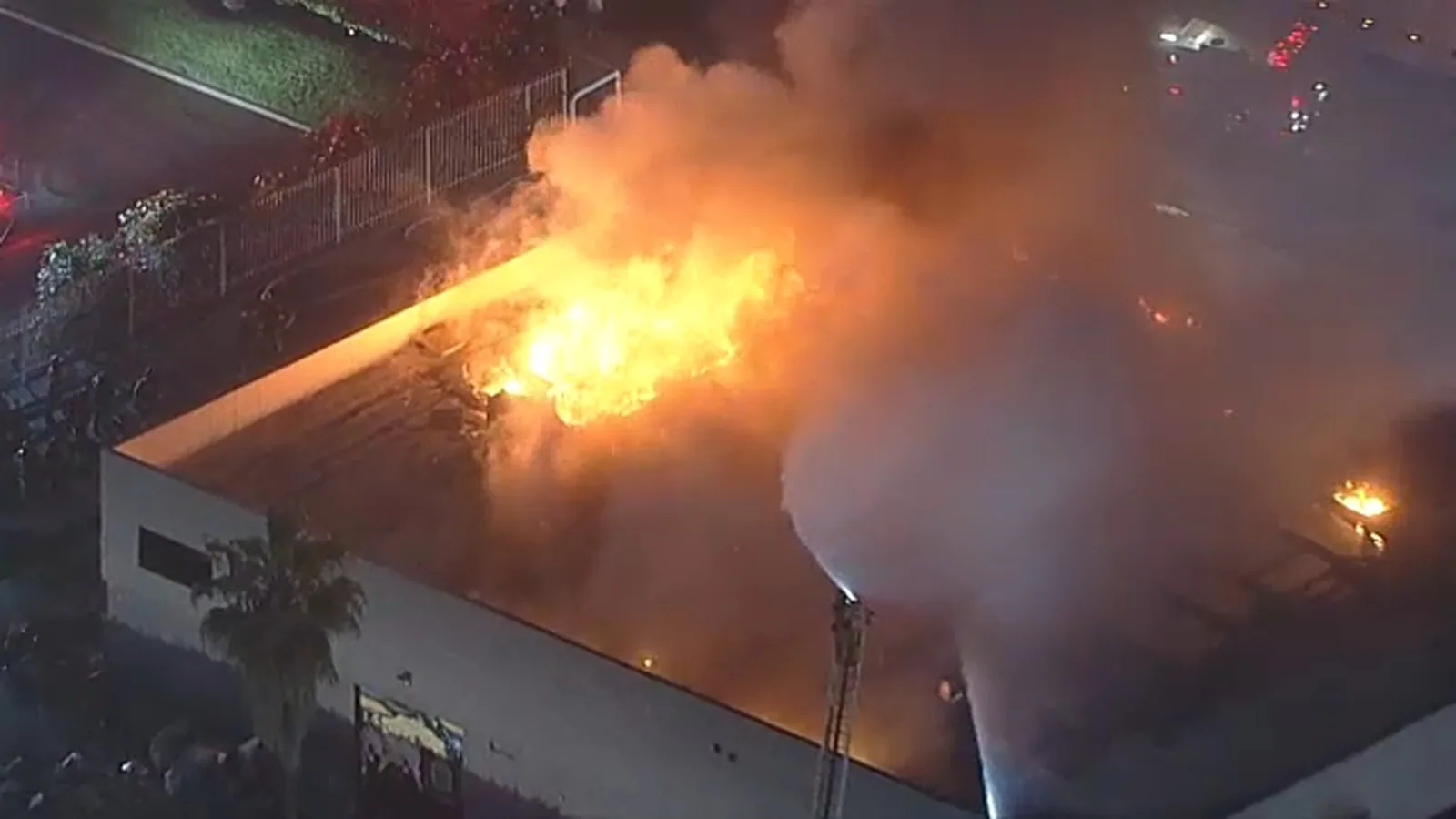
Blistered, blackened membrane above a fire-damaged suite is the first sign most managers notice, and it is only the top of the damage. After a fire, the visible char is the least reliable part of the picture. The roof gets hit three ways: by heat from below, by flame or embers from above, and by the water used to put it out.
We walk the failure backward from the char to the layers that carried the heat. In Franklin, TN, a building that has burned is also a building exposed to more than fifty inches of rain a year, so the first order of business is to keep water out while the rest of the assessment goes on.
Char is only the surface
Fire leaves marks that fade into one another. Look for blackened or melted membrane, sagging or distorted metal panels, blistering across a wide area, ash and soot on the surface, and puddled or hardened bitumen. Smoke-stained flashings, melted pipe boots and distorted skylight domes show where heat peaked.
Inside, the signs include scorched deck undersides, smoke-stained insulation and charred framing. Do not enter areas that have not been cleared by the fire marshal or a structural engineer. Our first walk happens from a safe position, with photographs of everything, before anything is moved. Those photographs become the opening pages of the claim file.
Look past the char to the flashings and edges. Heat shrinks membrane and splits flashing even where the surface looks clean, the same way a failed flashing opens at a corner. Note which rooftop units, vents and skylights sit near the burn, since each is a penetration that now needs a fresh look.
Heat moves in order
Heat travels through a roof assembly in order. The deck conducts it, the insulation chars or melts, the membrane softens and the adhesive lets go. A steel deck can lose strength well before the roof looks damaged, because steel weakens as it heats. Foam insulation can melt and shrink away from the deck, leaving voids that are not visible from the surface.
Water from firefighting adds a second event. Hoses can drive large volumes through damaged areas, soaking insulation that survived the heat. Wet, scorched insulation loses its value and holds moisture against the deck. Smoke adds a third: soot and chemical residues can contaminate membranes and make new adhesives fail to bond.
The roof also behaves differently after a fire than it did before. Thermal movement that the old assembly handled easily may open new seams in a membrane that has been heat-aged. Where the fire was small but the sun is strong, a slow version of the same process, heat and UV roof damage, can finish what the fire started, so the report notes any aged membrane beyond the burn.
Where the water stopped
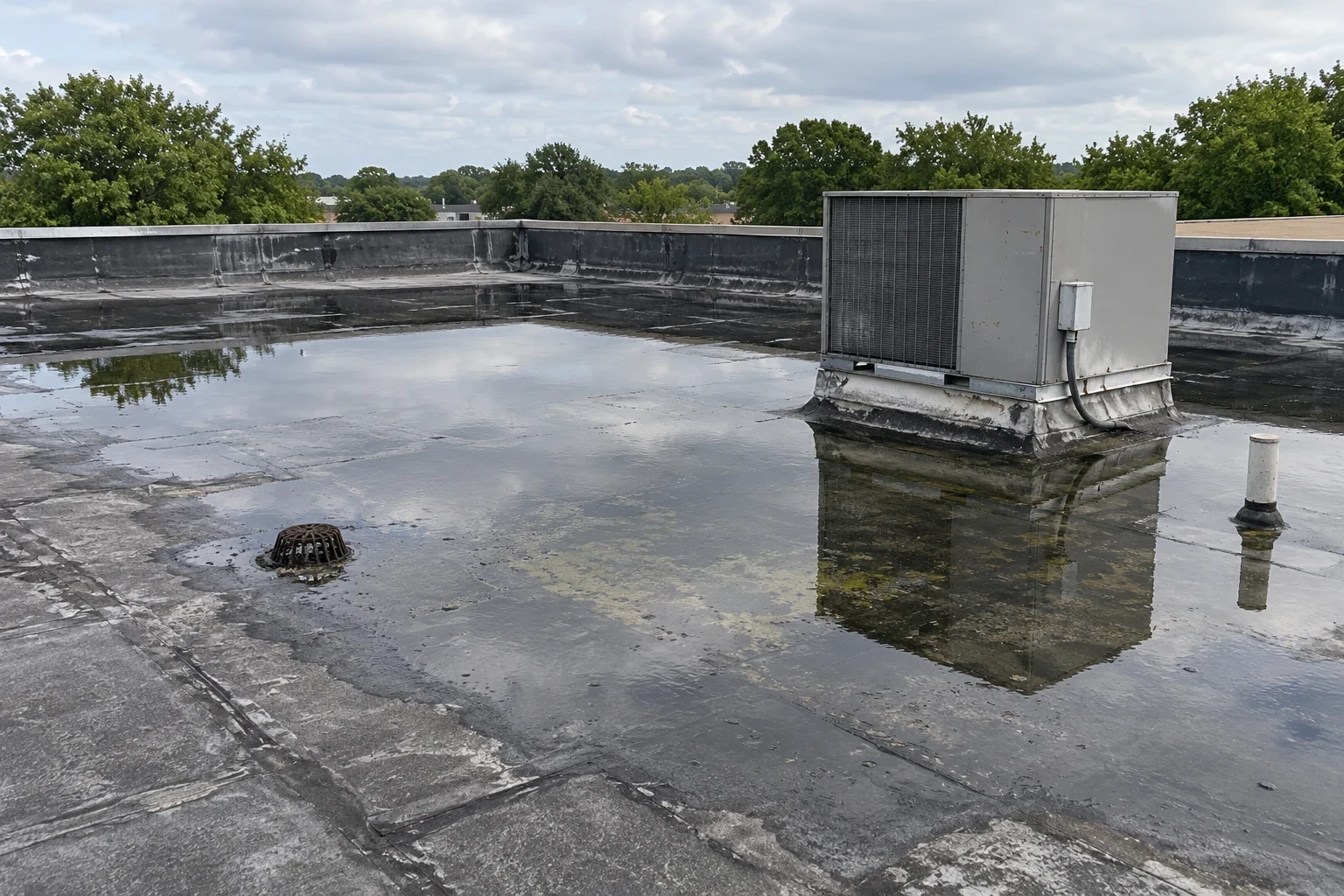
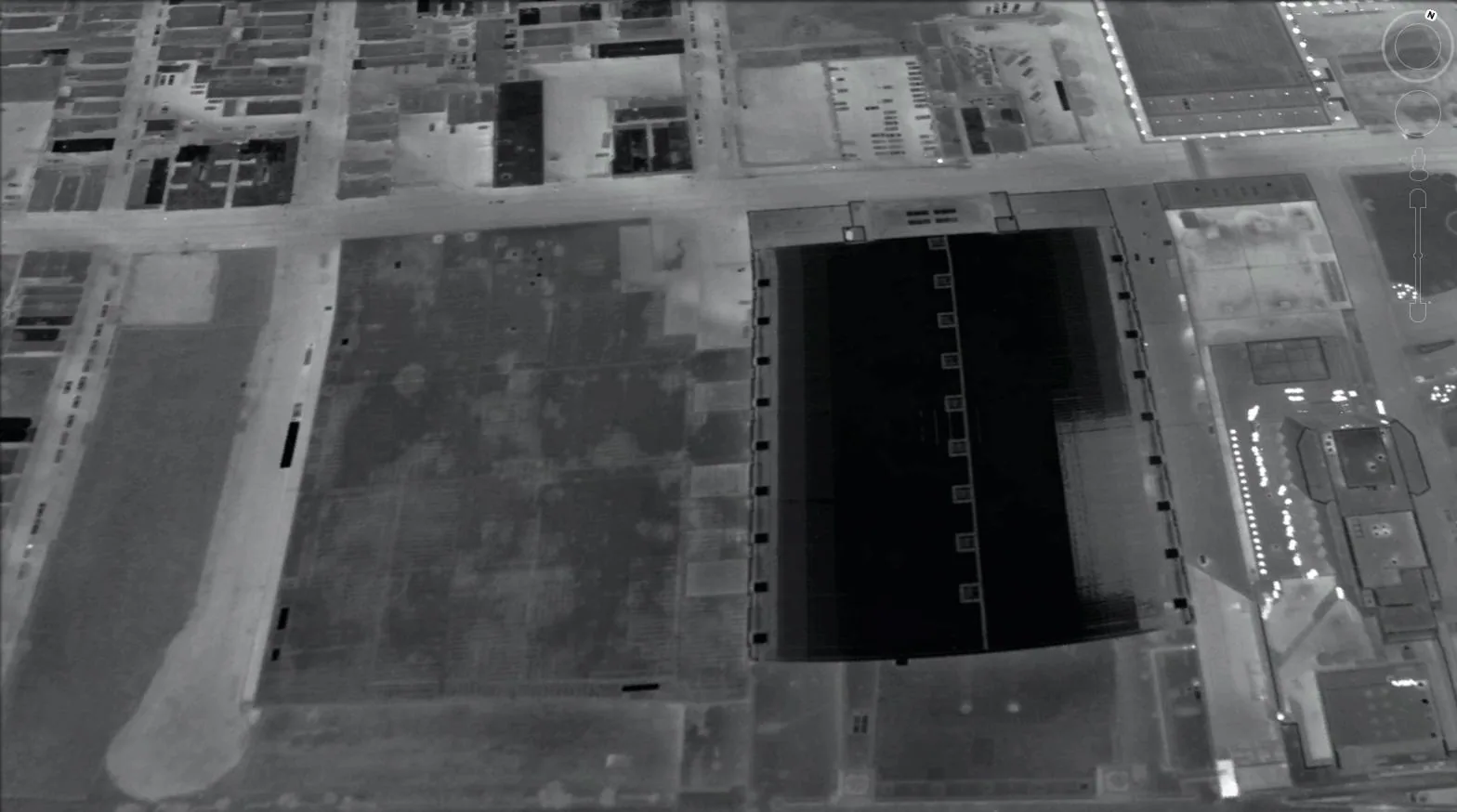
After a fire, water has two sources: the hose and the rain that follows. We trace where it entered, how far it spread and where it settled. An infrared moisture survey, taken after the roof has been stabilized, maps the wet insulation and tells us how far the repair must reach beyond the burned area.
Temporary protection comes first. Our emergency roof repair service answers around the clock, including holidays, to cover openings with a temporary seal and to shield the exposed deck. Tarps are staged to shed water away from damaged areas, and they are checked after each rain. In the 16-block National Register district of Historic Downtown Franklin, older masonry and low-slope commercial buildings stand side by side, so a rebuild there starts from what the cores show.
Confirm the extent
Confirming the extent takes three checks. A structural engineer evaluates the deck and framing for fire damage. Core samples show how deep the heat reached in the insulation. A moisture survey shows the wet boundary. Together they define the repair boundary, and nothing inside it is assumed sound without evidence.
We also check the edges of the burned area. The membrane just outside the char may be heat-aged, brittle or contaminated with soot. A repair that ties into weak material will fail at the tie-in. The report says where sound material begins, backed by photographs and test results.
Keep every sample, photograph and test result with a date. When the carrier's adjuster visits, the crew leader walks the roof with the file open, shows the marked boundary and answers technical questions on the system, the method and the code. The owner receives a copy of the same file.
Repair or replace
Small fires that reach only the surface of a roof can be repaired by cutting out the damaged section, replacing the insulation and installing a new membrane tied into sound material. Bigger fires usually call for removing the whole damaged zone down to the deck, then rebuilding to current code with new insulation and membrane. A full commercial roof replacement is the choice when the deck is compromised across a wide area.
Building code adoption is a local choice in Tennessee, and cities may pick among recent editions. Because the state updated to the 2021 model codes in 2025, the edition for a rebuild is confirmed with the local building office before design.
Phasing matters on an occupied building. A fire that affected one suite may leave the rest of the roof in service. The rebuild is sequenced so each section is dried in before the next opens, with the lay-down yard and crane pick planned around the tenants who remain.
What it costs
Fire repair costs follow the area, the depth of damage, the deck repair and the code requirements for the rebuild. The claim file drives much of it, and our roof insurance claim assistance work assembles photographs, measurements and scopes in the order the carrier needs them. Along the older commercial stretch of the Murfreesboro Road corridor, where developments are older than those to the north, the scope starts from cores and not from assumptions about the roof.
The timing of payments follows the claim. We itemize temporary protection, demolition, deck work, insulation and membrane separately, so the carrier can approve the emergency work first and review the permanent scope after the engineer reports.
Commercial Roofing Questions
Can a roof be saved after a fire?
Sometimes. If the fire stayed at the surface and the deck is sound, the damaged section can be cut out and rebuilt with new insulation and membrane. If the deck lost strength, it must be repaired or replaced, and an engineer makes that call.
Who inspects the structure after a fire?
A licensed structural engineer should evaluate the deck and framing. We provide measurements, photographs and core results to support that review, and we do not guess at structural capacity.
What about smoke and soot on the membrane?
Soot and chemical residue can stop new adhesives and welds from bonding. The surface is cleaned and tested on a small area before any repair material goes on, and the test result goes into the file.
Should wet insulation be removed right away?
Remove what the evidence shows is wet or burned, then dry the deck before closing. Leaving wet insulation in place traps moisture against steel and wood and shortens the life of the new roof.
How soon should a temporary cover go on?
As soon as the site is safe to enter. Rain after a fire adds damage that can exceed the fire itself, so a temporary cover is the first repair, and it is checked after each storm.