Spray Polyurethane Foam Roofing in Franklin, TN

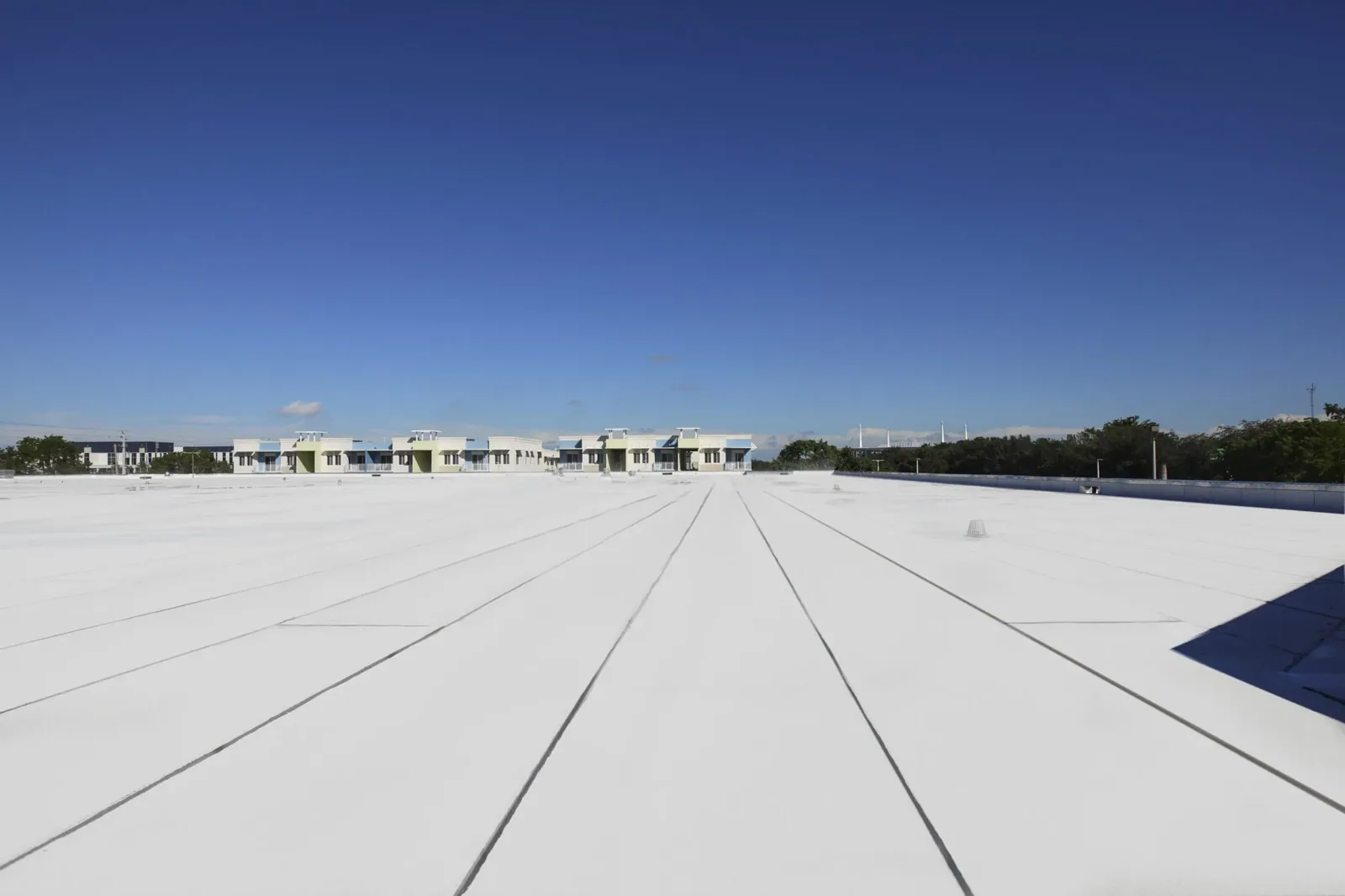
A patch of roof where the white coating has turned chalky and a tan layer shows through is the first sign that a foam roof is losing its skin. The tan layer is the foam itself, and it is where the roof stopped being protected from the sun. The job is to walk the exposure backward: how thin the coating has become, how much foam is damaged, and whether water has already found a way in. Spray polyurethane foam, or SPF, is applied as a liquid that expands into a solid, continuous layer, and it is finished with a coating that shields it from light and water.
Hard freezes, hail, July afternoons near 91 F and about 54 inches of rain a year are what a foam roof in Franklin, TN has to shed. Commercial Roofing Franklin explains the failure sequence plainly and walks it on the roof: coating, foam, deck, in that order.
What SPF is
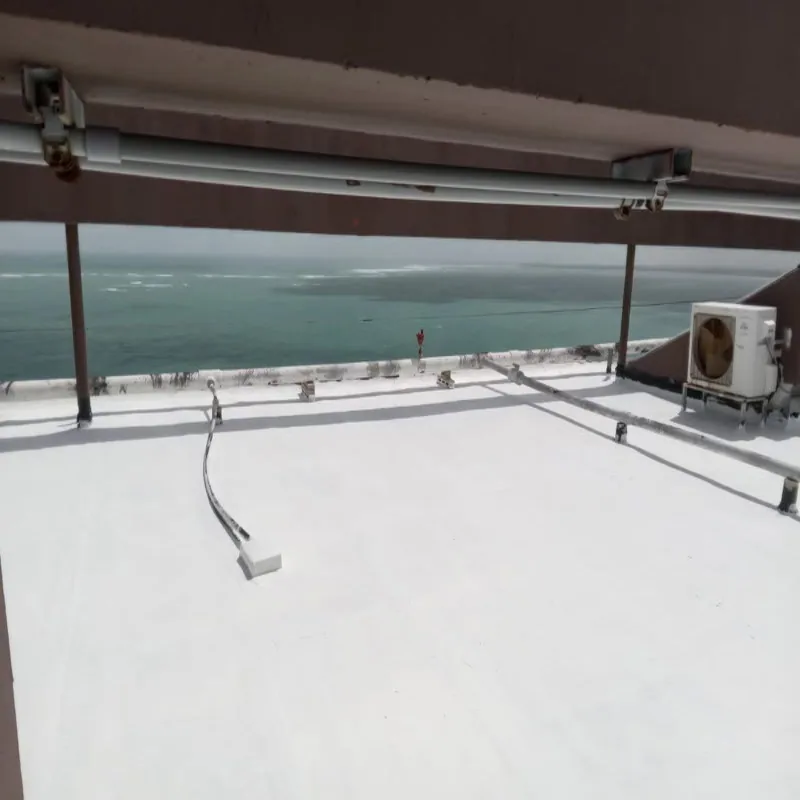
Two liquids are mixed at the spray gun and expand on the deck into a closed-cell foam. The crew builds the foam in passes to a specified thickness, and varies the thickness to create slope toward drains. The foam insulates, adheres across the whole deck, and has no seams. It is not UV stable, so a coating goes on top, usually silicone or acrylic, sometimes with granules. The coating is the part that weathers and is renewed over time, while the foam stays in place. Foam also changes how later repairs are made. A patch has to be foam and coating, not fabric and mastic, and a repair made in the wrong material will peel at its edges within a season. The roof plan names the coating family and records every recoat, so a later crew can match it.
Reading the coating
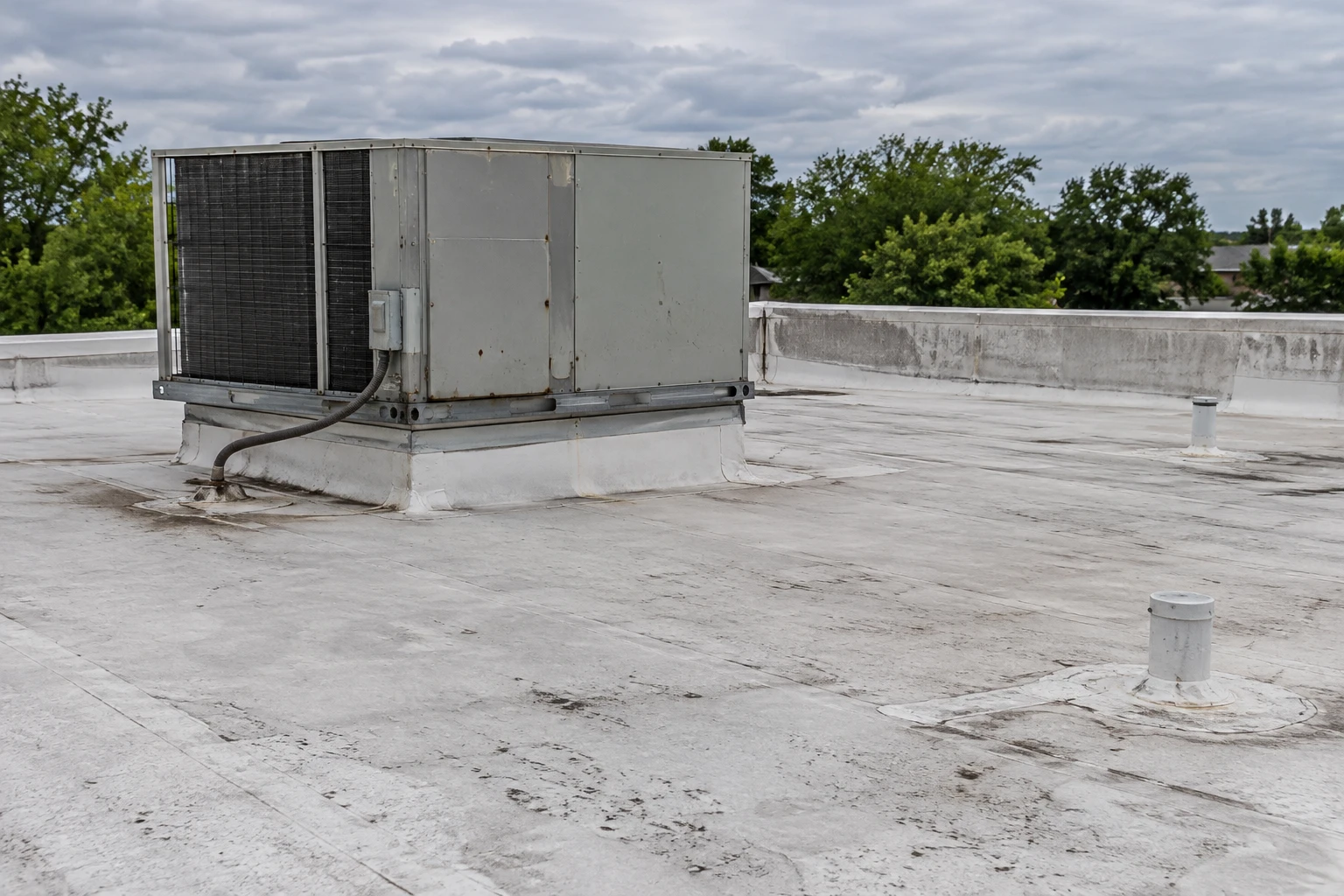
A healthy coating is continuous, evenly colored, and slightly flexible. A worn one chalks, thins at high spots, cracks at corners, and peels at edges. We rub the surface with a gloved hand to check for chalk, look for bare foam, and press a thumbnail at a few spots to feel the film. Walkways and the areas around rooftop units wear first. A thin spot caught early is recoated. A bare spot left for a season takes sun damage that the foam does not recover from, and the damaged foam has to be cut out and rebuilt. The cost difference between those two outcomes is large, which is why the yearly check of coating thickness is one of the cheapest steps in the file. We record thickness at the same marked spots each year, so changes show as numbers and not as impressions, and we photograph each spot with a coin beside it for scale.
Thickness and density
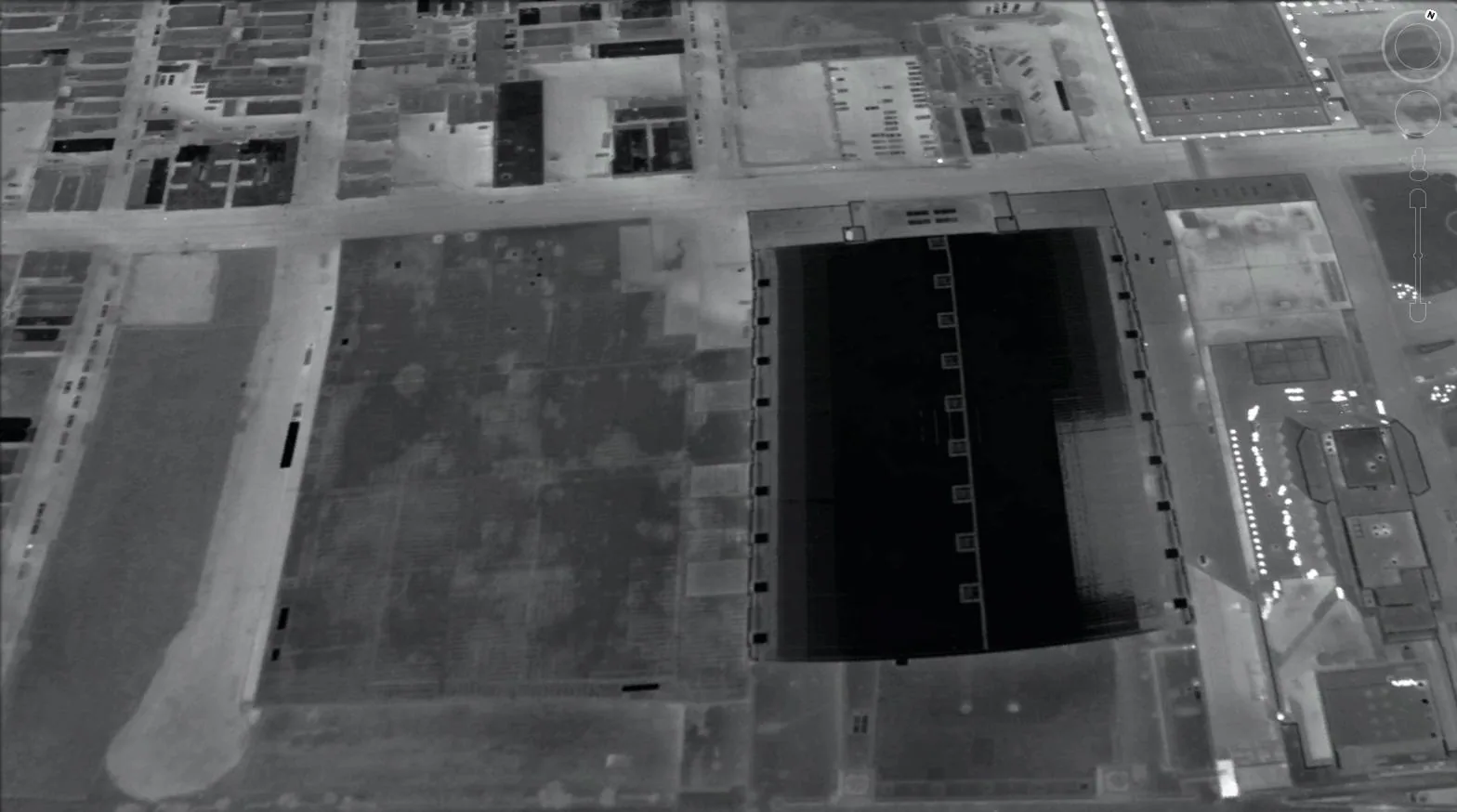
We measure foam thickness at several points with a probe, since it varies. Thin foam is easier to dent and gives less insulation. Low-density foam compresses underfoot, and soft areas are a warning. We press the surface and look for depressions that hold water. A core cut shows the layers and any wet foam. Closed-cell foam resists water, but it is not waterproof once cut, and a cut that reaches the deck can wick moisture sideways. A moisture scan shows the extent of any wet area before we recommend a repair. Wet foam is easy to spot once it is cut: it looks darker, feels heavy, and squeezes out water. Dry foam is light in color and springs back. The size of the wet area, mapped on the roof plan, decides whether a patch is enough or whether larger sections have to come out. Blisters, which are pockets of gas or moisture between passes, are opened, dried, and refilled.
Ponding, drains, and the flood lesson
The Harpeth's flood crest of 35.32 feet in early May 2010 damaged about 1,500 residential and commercial structures in Williamson County. A roof is not a river, but water that cannot leave a roof does damage in the same way, slowly. Foam roofs tolerate ponding only as long as the coating does. We clear drain strainers, check scuppers, and measure how long water stays after rain. The standing-water line is photographed. Tapering the foam toward drains is possible during a recoat, by adding a layer where the low spot is. That corrects the slope without a tear-off, and it is one of the strengths of the system. The coating then goes over the built-up area, and the standing-water line is checked again after the next heavy rain to see whether the pond has gone.
Hail, foot traffic, and storm lines
Hail up to about three-quarters of an inch was part of the July 2026 thunderstorm warning for northeastern Williamson County, and Franklin's EF0 tornado of August 2023 crossed Highway 96. Foam is soft compared with membranes, so hail and heavy foot traffic leave dents and punctures. We look for dents with cracked coating, which let water into the foam. Small damage is repaired with new foam and coating over a cleaned area. Walk pads on the paths to equipment prevent most traffic damage. Birds can also peck at soft foam where the coating has worn, and we look for small round holes near edges and parapets. A hole that reaches the foam is sealed the same day with foam and coating, because even a small hole will draw in water during the next storm line.
Recoat, repair, or replace
A roof with dry, well-bonded foam and a worn coating needs a recoat. A roof with isolated wet foam needs a cut-and-patch repair. A roof with wet foam across large areas, or foam separated from the deck, points to removal and a new roof. We decide with a moisture scan and test cuts. A replacement may trigger insulation and permit review under the 2021 code editions the state adopted in August 2025, which the building official clarifies for the scope.
Where foam fits in Franklin
Foam suits roofs with many penetrations and odd shapes, since it flows around them without seams. Warehouse-style buildings west of CoolSprings Galleria and the industrial stock of Southall along Columbia Avenue are two places where foam gets compared with membranes. Owners near Cool Springs and in Southall compare foam with a TPO or modified bitumen roof, and application needs dry, mild weather, so foam work is planned for the warmer months. A roof opened in the cool, wet season is protected with a temporary cover, and the foam waits for conditions that allow it to cure. The plan states which sections will be done in which window, and the property manager knows in advance which weeks need the crew and the spray rig on site.
Commercial Roofing Questions
Why does foam need a coating?
Sunlight breaks down raw foam. The coating blocks light and sheds water. It wears and is renewed while the foam stays in place.
Can foam go over my old roof?
Often, if the old roof is dry and secure. A moisture scan and test cuts confirm it, since foam over wet insulation traps the water.
What is overspray?
Mist from the spray gun that drifts in wind. We protect cars and neighbors and work in calm conditions.
How is a hail dent repaired?
The area is cleaned, any wet foam is cut out, new foam is sprayed, and the coating is restored with an overlap onto sound material.
How often should foam be recoated?
When the coating thins, chalks, or cracks. A yearly check shows when.